Is a Pop Top Addition Right for Your Home?
Find out if a pop top addition is the right way to add space and value to your home. Learn key steps, costs, and what to consider before building up.
|
June 21, 2026
In this article:
In many desirable neighborhoods, especially in cities like Los Angeles and the Bay Area, space is the ultimate luxury. If your lot is small, expanding your home’s footprint isn’t an option. This is where building vertically becomes a game-changer. A pop top addition is the perfect solution for gaining substantial living area while preserving your precious outdoor space. It allows you to add an entire new floor for bedrooms, bathrooms, or a family room without sacrificing your garden or patio. This article will cover the unique benefits of building up and explain how a pop top addition can help you get the space you need in the location you already love.
Key Takeaways
- Prioritize a structural assessment: Before you dream up designs, hire a structural engineer to confirm your home's foundation can support a second story. This non-negotiable first step ensures your project is safe and feasible from the start.
- Lock in your plan to protect your budget: Finalize all design and material choices before construction begins to prevent expensive mid-project changes. A detailed plan, combined with a 20% contingency fund, is your best defense against budget overruns.
- Choose pros with pop top experience: This is not a standard remodel, so hire a contractor who specializes in vertical additions. Ask for a portfolio, check references, and get a detailed written agreement to ensure you have a trusted partner for this complex project.
What Is a Pop Top Addition?
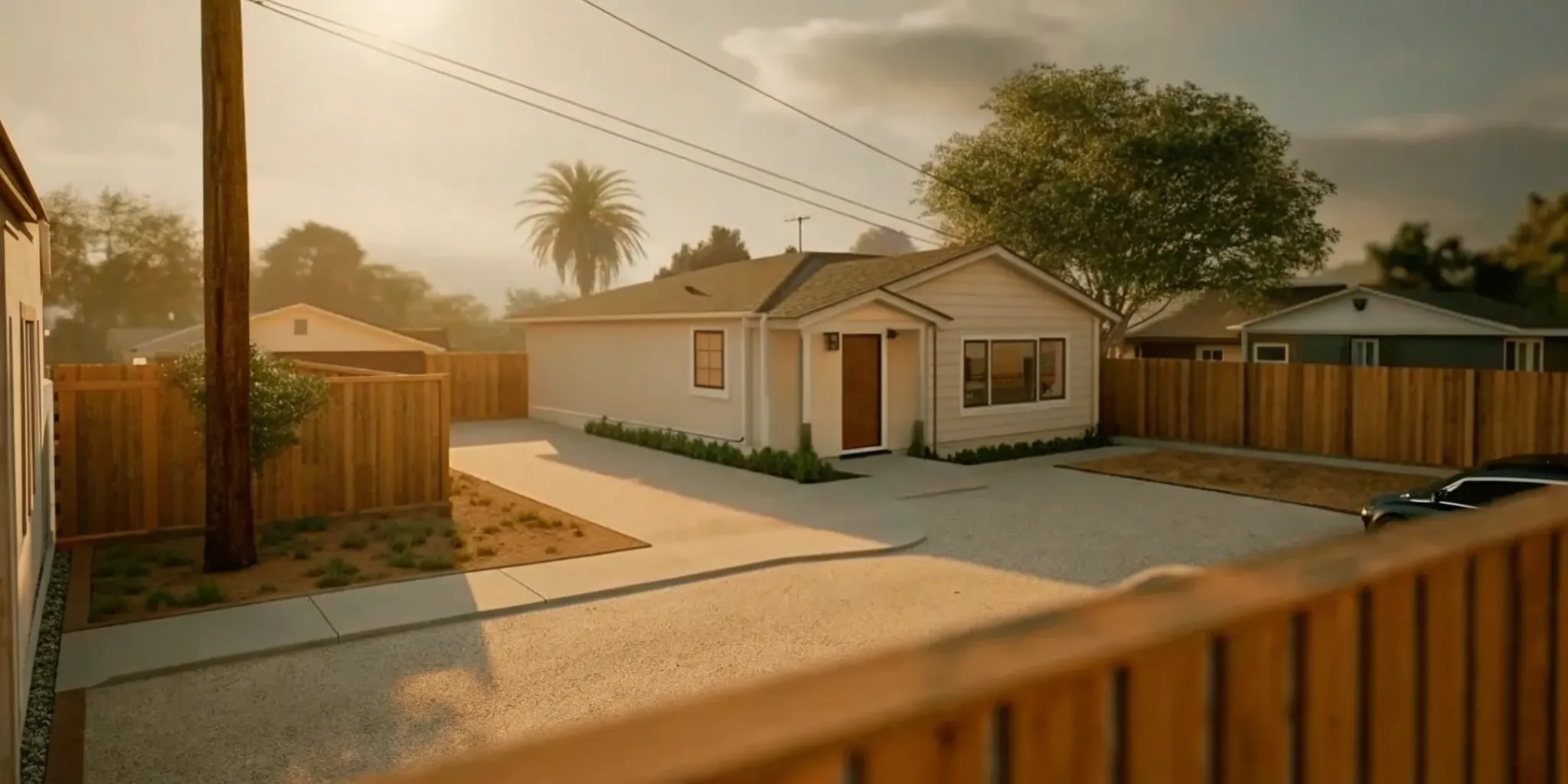
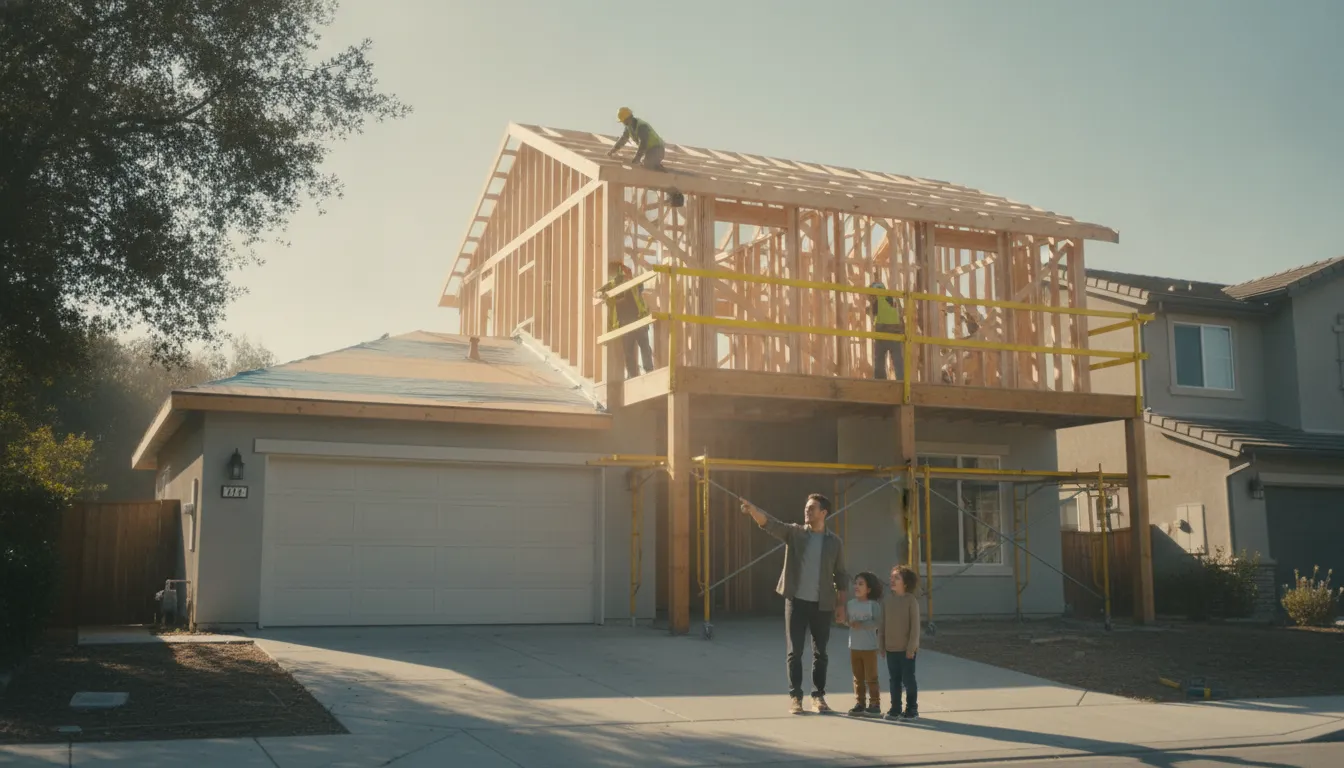
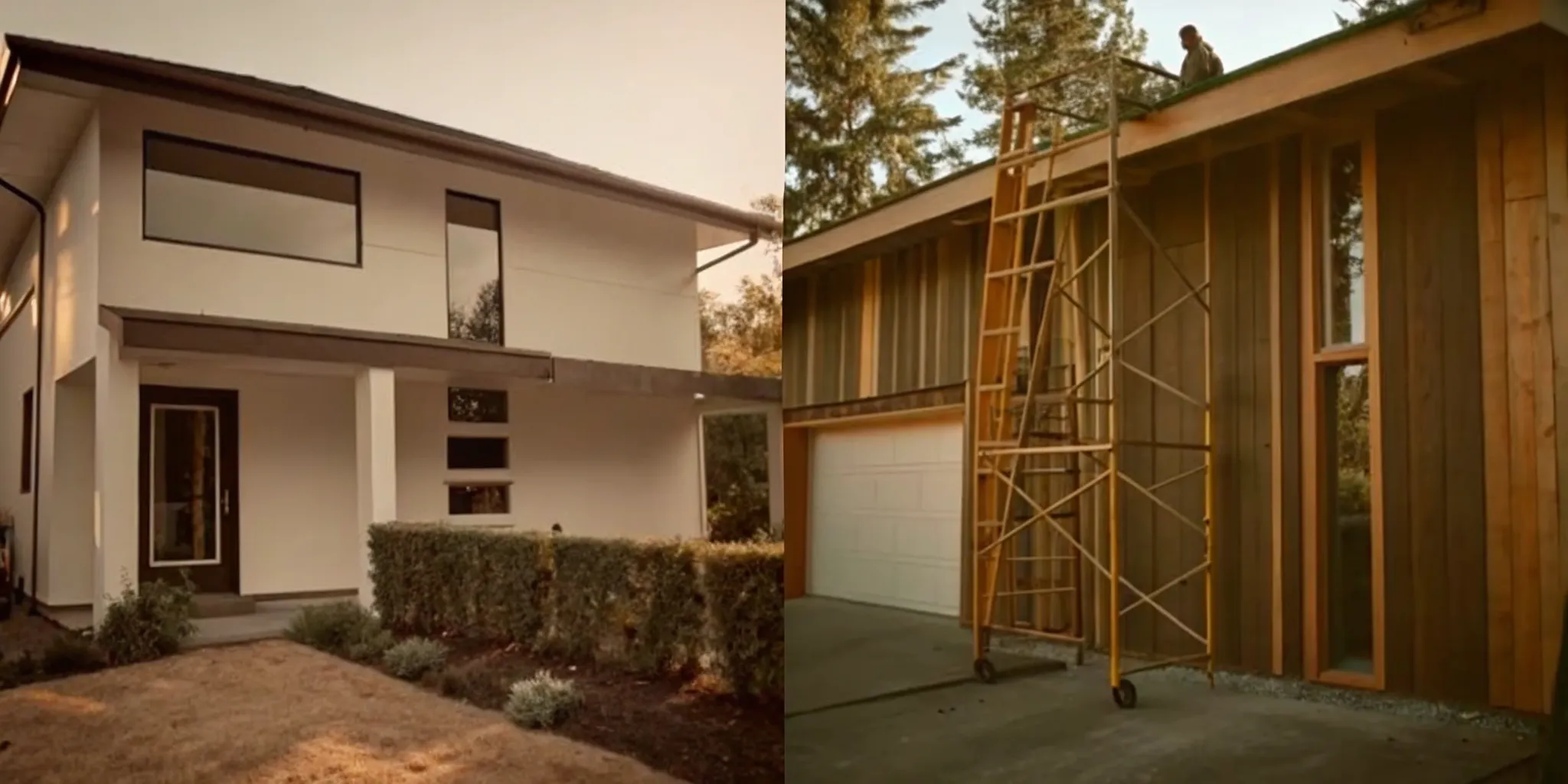
If you love your home’s location but are quickly running out of living space, you might feel stuck. Do you move, or do you build an addition that eats up your precious backyard? There’s a third option that’s becoming more popular: the pop top. Simply put, a pop top addition means building up instead of out. It involves adding a full or partial second story to your existing home, giving you a significant amount of new square footage without sacrificing your yard. It’s a fantastic way to get the master suite, extra bedrooms, or home office you’ve been dreaming of. While it’s a major renovation, a well-designed pop top can feel like a natural part of your home and dramatically improve its function and flow.
Pop Tops vs. Other Additions
When you think of a home addition, you might picture a bump-out, where a single room is extended, or a conventional addition that expands your home’s footprint into the yard. A pop top is different because it expands your home vertically. This is the biggest advantage if you have a small lot or simply don’t want to lose your garden, patio, or play area for the kids. By building up, you can often add a lot of square footage while keeping your outdoor space exactly as you like it. It’s an efficient solution for gaining space in dense urban and suburban neighborhoods where land is at a premium.
Is Your Home a Good Candidate?
Before you start designing your dream second floor, the first step is to find out if your house can handle it. A pop top adds a lot of weight, so your home’s existing foundation and structural frame need to be strong enough to provide support. A structural engineer will need to perform an assessment to confirm your home is a good candidate. They’ll check the foundation, load-bearing walls, and soil conditions. This is a non-negotiable step for safety and for getting your project approved. Realm’s expert guidance includes connecting you with the right professionals to determine what’s possible for your home from the very beginning.
Clearing Up Common Pop Top Myths
Many homeowners worry that a pop top addition won't be worth the investment. The reality is, adding significant square footage, especially with new bedrooms and bathrooms, almost always increases your home's value. Think of it as an investment that you also get to live in and enjoy. Another common concern is that the addition will look like an awkward box stuck on top of your house. With a thoughtful design that considers your home’s original architecture, a pop top can blend in seamlessly. A great architect or designer will ensure the final result enhances your home’s curb appeal, making it look intentional and beautiful.
Why Build Up? The Benefits of a Pop Top Addition
If you love your home but are running out of room, you’ve probably considered your options. Moving is a hassle, and a traditional ground-floor addition isn’t always possible, especially if you have a small lot or a yard you cherish. A pop top addition offers a creative solution by building up instead of out. This approach lets you add a full or partial second story, giving your family the space it needs without changing your home’s footprint.
Going vertical comes with some fantastic advantages. Beyond the obvious extra square footage, a pop top can significantly increase your property’s value, give you a blank canvas to design your ideal space, and even make your home more energy-efficient. It’s a chance to re-imagine your home to perfectly fit your life, right where you are. With careful planning, a pop top can transform your house into the home you’ve always wanted. A dedicated Realm advisor can help you explore the possibilities and decide if building up is the right move for you.
Gain Space, Keep Your Yard
The most immediate benefit of a pop top is gaining significant living space without sacrificing your outdoor area. For many homeowners, especially those in cities like Los Angeles or the Bay Area where lots can be tight, the yard is precious. It’s where your kids play, you host barbecues, or you relax in your garden. A pop top addition allows you to expand your home vertically, adding bedrooms, bathrooms, or a family room without pouring a single new slab of concrete in your backyard. This means you get the best of both worlds: a larger, more functional home and the outdoor space you love.
Increase Your Home's Value
A home renovation is a major investment, and you want to know it will pay off. Pop top additions are one of the most effective ways to increase your home's market value. A huge factor in any home’s valuation is its square footage, especially the number of bedrooms and bathrooms. By adding a second story with a new primary suite or extra bedrooms for a growing family, you are adding tangible value that you’ll see reflected in your home’s equity. It’s not just an expense; it’s a strategic investment in one of your biggest assets.
Design Your Dream Space
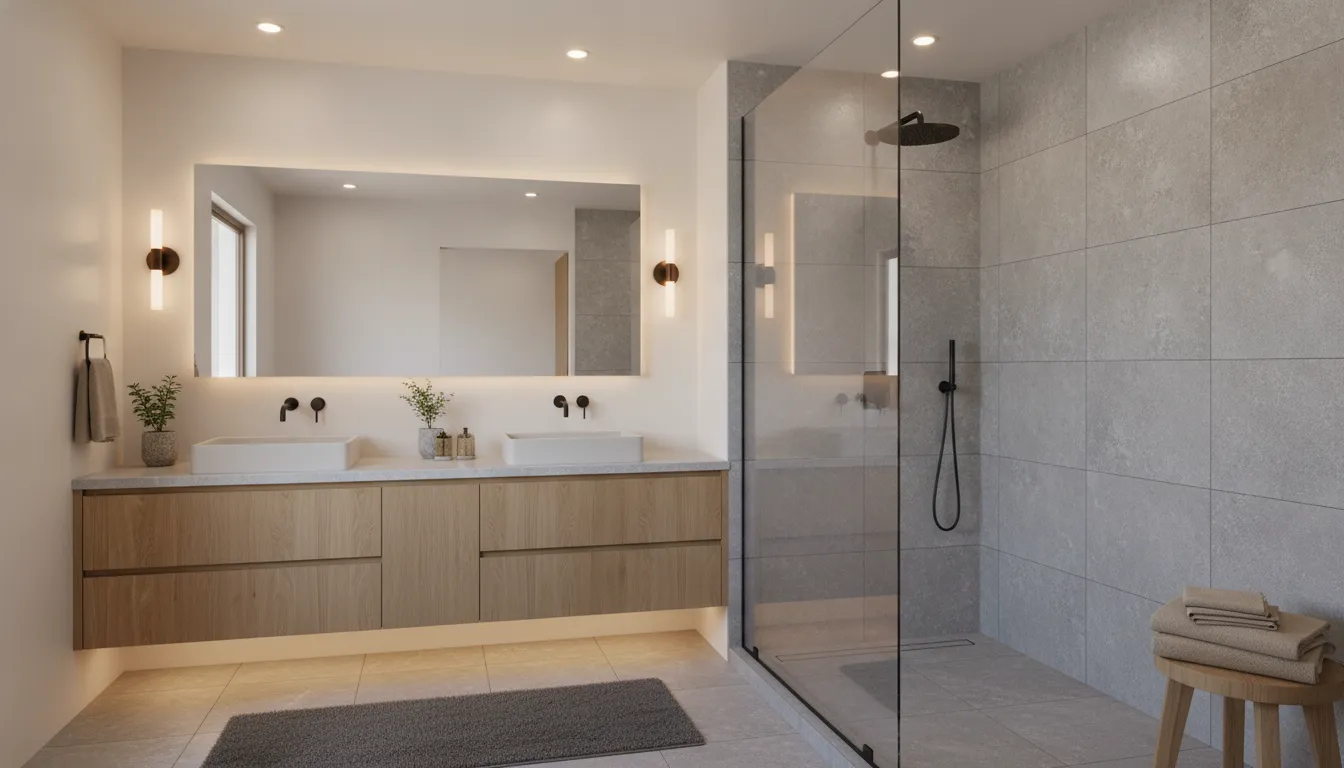
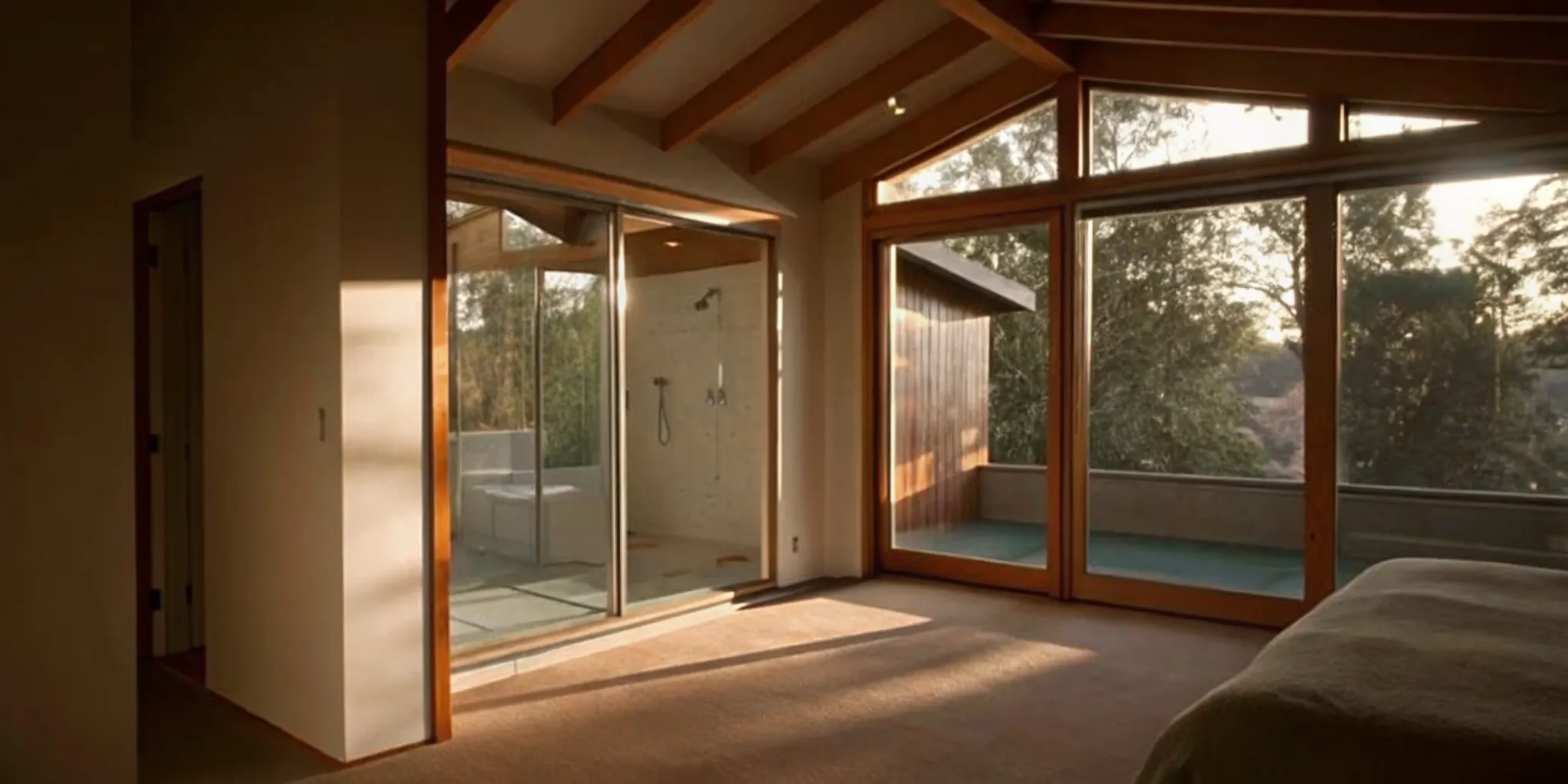
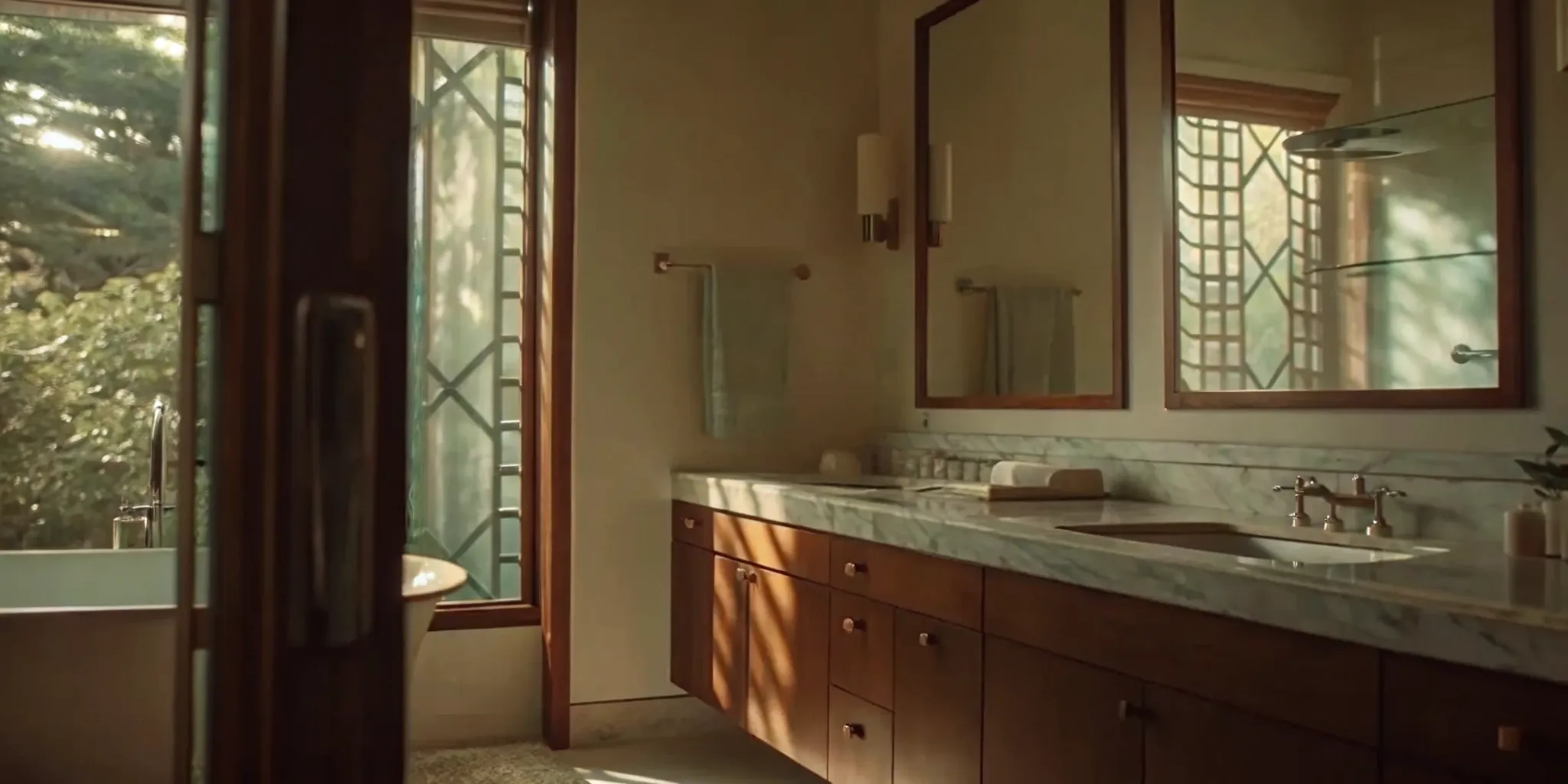
Have you always wanted a primary suite with a spa-like bathroom and a walk-in closet? Or maybe a quiet, light-filled home office away from the hustle and bustle of the main floor? A pop top addition is a blank slate. Because you’re building a brand-new structure, you have complete freedom to design a layout that perfectly suits your family’s lifestyle. This is your opportunity to create a space that reflects your personal style and meets your specific needs, from the floor plan down to the window placements. With an expert to guide your project, you can turn your vision into a functional, beautiful reality.
Create a More Energy-Efficient Home
An often-overlooked benefit of a pop top is the chance to improve your home’s overall energy efficiency. New construction must meet modern building codes, which means you’ll be using up-to-date materials and techniques. This includes high-performance windows, better insulation, and the option to install more efficient heating and cooling systems for the new floor. These upgrades can make your entire home more comfortable year-round and lead to noticeable savings on your utility bills. It’s a smart way to build a more sustainable home that’s better for your wallet and the environment.
What Does a Pop Top Addition Cost?
Let’s talk numbers. A pop top addition is a major renovation, and the price tag reflects that. Generally, you can expect a pop top to cost between $100,000 and $200,000. Of course, this is a wide range because the final cost depends on your home, your design, and where you live. Think of it less like buying a product off the shelf and more like commissioning a custom piece of art; your final price will be unique to your project. The goal isn't just to add a second story, it's to create a space that fits your life perfectly, and that level of personalization is reflected in the cost.
The total cost is influenced by everything from the square footage you add to the type of faucets you choose for your new bathroom. To get a clear picture of what your specific project might cost, it helps to break down the expenses. A great first step is to get a customized plan that outlines your budget and connects you with the right professionals. Understanding the key cost drivers, planning for permits, and setting aside a contingency fund are all essential parts of the process. We’ll walk through each of these below so you can feel confident in your financial planning and move forward without sticker shock.
What Drives the Cost of a Pop Top?
The biggest factors that determine your final cost are size, materials, and complexity. On average, you can expect to pay between $250 and $450 per square foot. This number can climb higher depending on the finishes you select and the scope of your project. For example, adding a simple bedroom will cost less per square foot than adding a full bathroom, which requires extensive plumbing and electrical work.
High-end materials like hardwood flooring, custom cabinetry, and designer lighting will also increase the price. Your location plays a huge role, too, as labor and material costs vary from city to city. The best way to get an accurate estimate is to work with vetted local contractors who understand the market in your area and can provide detailed quotes based on your specific design.
Planning for Permits and Hidden Costs
Your contractor’s bid is a huge piece of the puzzle, but it’s not the whole picture. You also need to account for "soft costs," which include architectural designs, structural engineering reports, and city permits. It's crucial to work with your team to check local zoning laws and secure all necessary permits before any work begins. Skipping this step can lead to expensive fines and major delays down the road.
Other potential costs can pop up, too. Will you need to move out during construction? Budget for rent and storage fees. There’s also the chance that demolition will uncover unexpected issues, like outdated wiring or water damage that needs to be fixed. A dedicated project advisor can help you anticipate these expenses so there are fewer surprises along the way.
Why You Need a Contingency Fund
No matter how carefully you plan, unexpected costs are a reality of any major renovation. That’s where a contingency fund comes in. This is money set aside specifically for surprises. We recommend adding an extra 20% of your total estimated project cost to your budget for this fund. It might seem like a lot, but it’s the best way to protect your project and your peace of mind.
This fund can cover anything from a sudden increase in lumber prices to fixing a structural issue your contractor discovers once the walls are open. It also gives you flexibility. If you decide midway through the project that you really want those heated floors or a skylight, your contingency fund can make it happen without derailing your entire budget. Think of it as a safety net that ensures your project gets finished beautifully, no matter what.
Is a Pop Top Addition Right for Your Home?
A pop top addition can completely transform how you live in your home, but it's a major undertaking. Before you get lost in design ideas and floor plans, it’s important to cover a few practical bases first. Thinking through the structural, legal, and logistical realities will help you decide if building up is a sound investment for your property. Answering these key questions will set your project up for success from the very beginning. From checking your home's bones to figuring out where you'll live during construction, these early steps are just as important as choosing your new bathroom tile. It's about building a solid plan so you can move forward with confidence. We'll walk through the essential checkpoints to help you determine if a pop top is the right move for you and your home.
Checking Your Home's Foundation and Structure
First things first: can your house handle the extra weight? Before any other planning, a structural engineer must evaluate your home's foundation and existing frame. They will determine if the current structure is strong enough to support an entire second story or if it will need significant reinforcement. This step is absolutely critical for safety and isn't something you can simply eyeball. A professional evaluation is the only way to ensure your new addition will be stable and secure for years to come. This is often the first expert Realm connects you with to confirm your project is feasible.
Understanding Local Zoning, Height Limits, and HOA Rules
Next up is untangling the red tape. You’ll need to check with your city or county about local zoning laws, which dictate what you can build on your property. These regulations often include specific height restrictions that could impact your pop top plans. Ignoring these rules can lead to hefty fines and orders to tear down your work. If you live in a community with a Homeowners' Association (HOA), you’ll have an additional set of guidelines to follow. A dedicated project advisor can help you make sense of these requirements and secure the necessary permits, ensuring your project is fully compliant from the start.
What to Know About Insurance and Liability
A major renovation requires a fresh look at your insurance. Before construction begins, talk to your insurance provider to understand what is and isn't covered during the project. You'll also want to confirm that any contractor you hire has adequate liability insurance and workers' compensation. This protects you in case of accidents or damage on your property. Using a network of vetted professionals who are properly insured is one of the best ways to protect your investment and gain peace of mind. Once the project is complete, you’ll need to update your homeowner's policy to reflect your home's new, higher value.
How to Prepare for Living Elsewhere During Construction
One of the biggest logistical hurdles of a pop top is that you can't live in your home during key phases of construction. Because the project involves removing your roof, your house will be exposed to the elements and unlivable during framing. This means you'll need to plan for temporary housing. Whether you're renting a nearby apartment, booking an extended-stay hotel, or staying with family, this is a significant expense to factor into your overall budget. Planning for this displacement ahead of time will make the entire process feel much smoother and less stressful for you and your family.
How to Design Your Pop Top Addition
This is where your vision for a bigger, better home starts to take shape. Designing your pop top addition is about more than just picking paint colors; it’s about creating a functional, beautiful space that flows naturally with the rest of your house. Your design choices will determine how your new floor integrates with your existing home, impacting everything from curb appeal to daily life. A thoughtful plan ensures the final result feels like it was always meant to be there, not like an afterthought. With the right guidance, you can create a layout that not only meets your family’s needs but also adds significant enjoyment and value to your home for years to come. It’s a chance to solve all those little annoyances of your current layout and build a space that truly works for you.
Create a Seamless Look
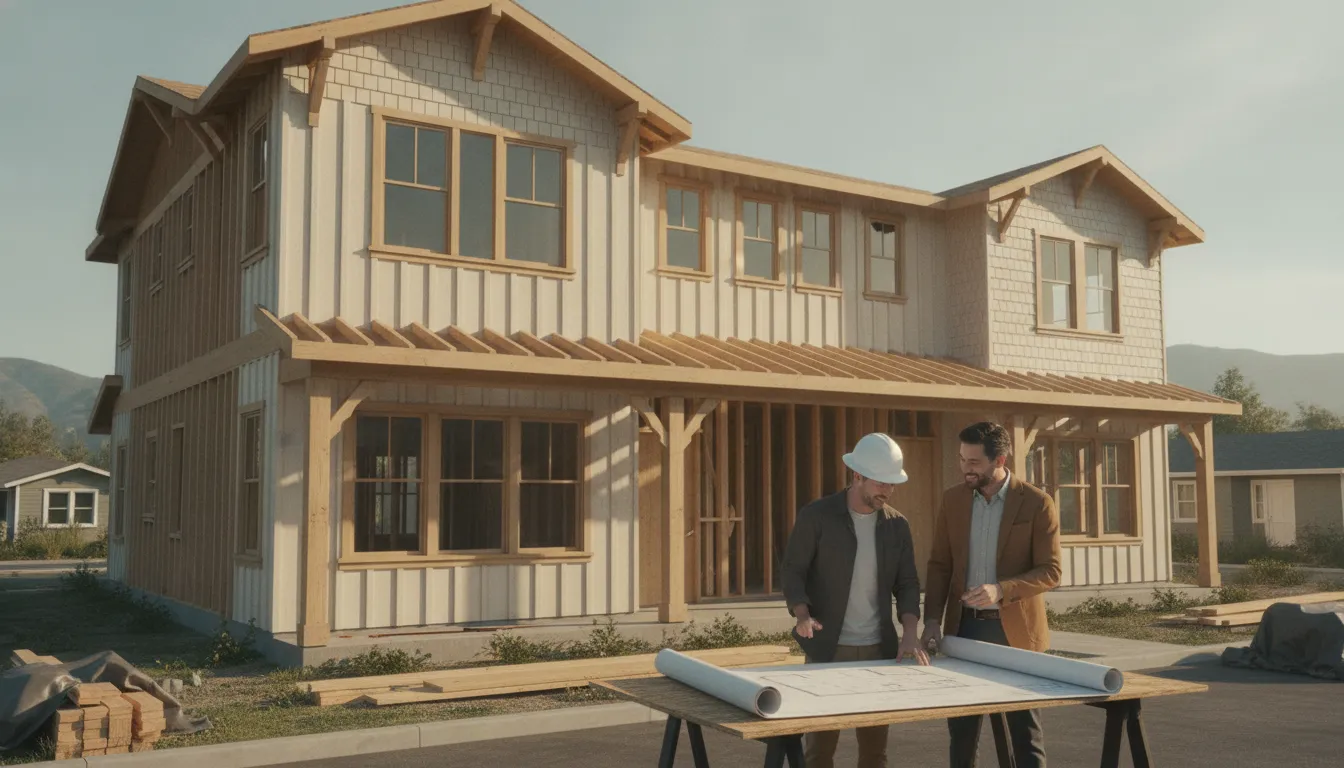
The key to a successful pop top is making it look like it was part of the original home design, not a box dropped on top. This means carefully considering the exterior details. You’ll want to match the new siding, trim, and roofing materials to your existing ones as closely as possible. Pay attention to the architectural style of your home and neighborhood. The roofline of the addition should complement the original structure, and the new windows should match the style and proportions of the old ones. A well-designed plan ensures your home’s character is enhanced, not lost, creating a cohesive look that feels both intentional and timeless.
Popular Layout Ideas: Bedrooms, Bathrooms, and More
A pop top addition gives you a blank slate to add the exact space your family needs. Since a huge component of home value is the number and size of bedrooms and bathrooms, many homeowners use this opportunity to create a spacious primary suite. Imagine a private retreat with a large bedroom, a walk-in closet, and an en-suite bathroom. Another popular option is to move all the bedrooms upstairs, creating a dedicated kids' wing and freeing up the main floor for a more open living area. You could also add a home office, a playroom, or a guest suite. Think about your daily routines and what new layout would make life easier and more enjoyable.
Let There Be Light: Windows and Skylights
Don’t underestimate the power of natural light. The right windows and skylights can completely transform your new space, making it feel bright, airy, and larger than it is. When planning your layout, think about where the sun rises and sets. Placing large windows on the south-facing side can fill your rooms with warm, consistent light throughout the day. Skylights are a fantastic option for interior bathrooms, hallways, or rooms where wall space is limited. Working with a design professional can help you create a space that is not only functional but also beautiful and built to last, with light playing a central role in the overall feel of your new floor.
Considering Open Floor Plans and Outdoor Spaces
While you’re adding a new floor, think about how it connects with itself and the outdoors. An open-concept layout for a new family room or multi-purpose space can create a wonderful sense of flow and connection. This is also your chance to add a small outdoor area. Depending on local regulations, you might be able to include a small balcony off the primary bedroom or even a rooftop deck with views of your neighborhood. These features can extend your living space and provide a private spot to relax. An experienced project advisor can help you explore these possibilities and coordinate the architects and designers needed to bring them to life.
Choosing Sustainable and Energy-Efficient Options
Building new gives you the perfect opportunity to incorporate modern, energy-efficient features. High-performance windows, quality insulation, and an efficient HVAC system will make your new space comfortable while keeping utility bills down. You can also choose sustainable building materials, like reclaimed wood or recycled composite decking for a balcony. Beyond the technical specs, good design is also about being respectful of your surroundings. Thoughtful planning can ensure your addition fits the scale and character of your historic neighborhood, creating a home that is both beautiful and responsible. This approach adds long-term value and shows consideration for your community.
Your Pop Top Project: A Step-by-Step Guide
A pop top addition is an exciting project, but it’s also a major undertaking. Breaking it down into clear, manageable steps makes the entire process feel much more achievable. Think of this as your roadmap from initial idea to finished space. With the right team and a solid plan, you can confidently move through each phase of your renovation. At Realm, we provide expert guidance to help you at every stage, ensuring your project runs smoothly and stays on track. Let’s walk through the key steps you’ll take to bring your pop top addition to life.
Step 1: Assess Your Home's Feasibility
Before you get lost in design ideas, the first and most important step is to find out if your home can actually support a second story. This isn't a DIY check. You'll need to hire a structural engineer to inspect your home’s foundation and existing frame. They will determine if the structure is strong enough to handle the weight of an entire new floor. This assessment is non-negotiable for safety and is the true starting point for any pop top project. Getting a professional green light here ensures you’re building on a solid, secure base.
Step 2: Design and Plan Your Addition
Once you know your home is structurally sound, it’s time for the fun part: designing your new space. Your design choices will shape how your addition functions and how well it blends with your current home's style. You’ll work with an architect or a design-build firm to create the layout, from bedrooms and bathrooms to the new roofline. They will also make sure the plans comply with all local building codes and any neighborhood-specific rules. A dedicated advisor can help you find the right design professionals and translate your vision into a buildable plan that fits your budget and lifestyle.
Step 3: Secure Permits and Approvals
With your design plans in hand, the next step is handling the permitting process. Every pop top addition requires official approval from your local city or county building department. Your contractor will typically submit your architectural plans to get the necessary permits. It might seem like a bureaucratic hurdle, but this step is crucial. It ensures your project is safe, up to code, and legal. Trying to skip this process can lead to significant fines, work stoppages, and major headaches down the road, so make sure it’s handled correctly from the start.
Step 4: Begin Construction
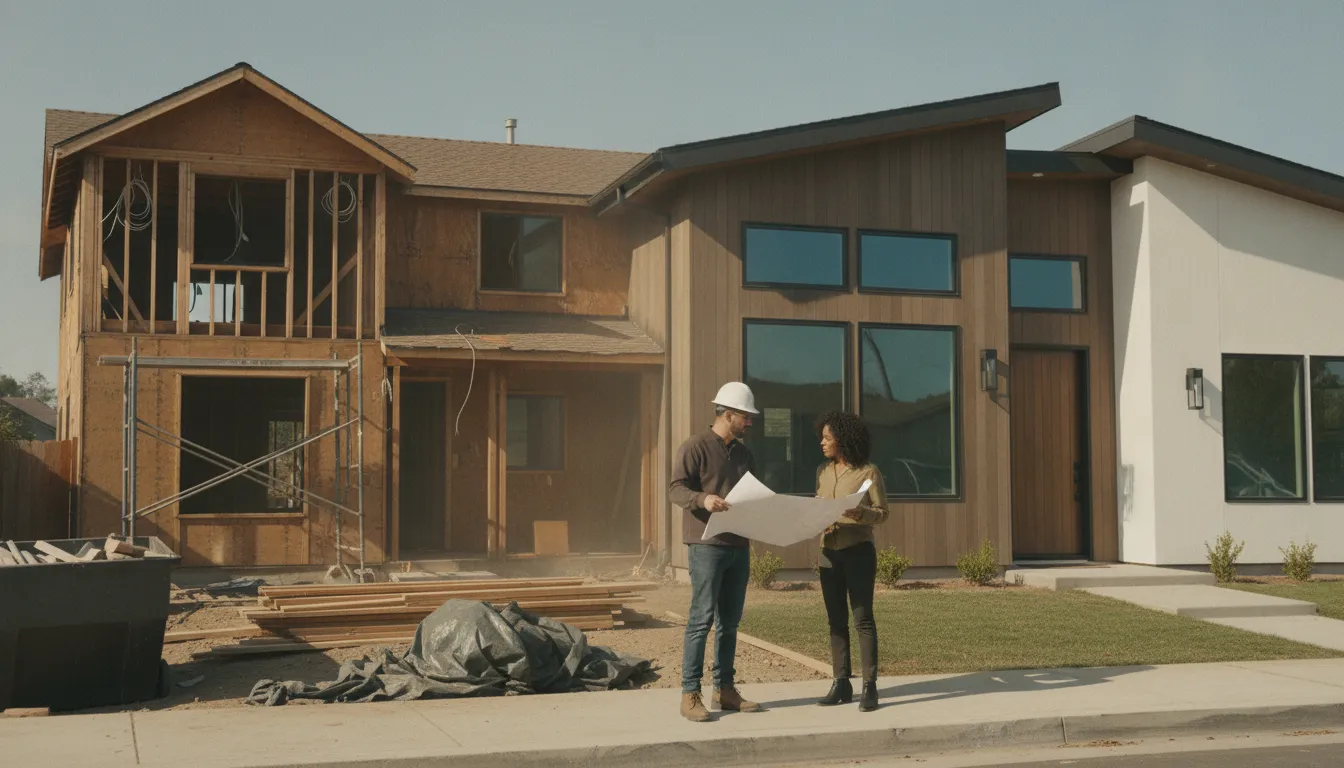
This is when your vision starts to become a reality. The construction phase kicks off with the demolition of your existing roof, followed by the framing of the new floor and walls. Be prepared for this stage to be disruptive. There will be noise, dust, and a lot of activity around your home. This is also when having a great contractor matters most. They will manage the day-to-day work, coordinate subcontractors, and keep the project moving forward. Realm connects homeowners with a network of vetted professionals who have proven experience with complex projects like pop top additions.
Step 5: Complete Final Inspections
As construction wraps up, your project will need to pass a series of final inspections from your local building department. An inspector will visit your home to verify that the work on everything from framing to electrical and plumbing has been completed according to code. Once you pass all inspections, your permit is officially closed out. This is also the time to do a final walkthrough with your contractor to address any last-minute details. Having a detailed written agreement from the start that outlines the scope, payment schedule, and timeline will ensure this final step goes smoothly.
How to Find the Right Contractor
Choosing a contractor is one of the most important decisions you’ll make for your pop top addition. This isn’t just about hiring someone to build; it’s about finding a partner who will guide you through a complex project, respect your home, and bring your vision to life. The right professional can make the difference between a stressful, budget-breaking ordeal and a smooth, successful renovation.
Finding that perfect match requires a bit of homework. You’ll want to look for a team with the right experience, a solid reputation, and a communication style that works for you. Taking the time to vet your options thoroughly will give you peace of mind and set your project up for success from day one.
Key Qualities of a Great Contractor
When you start your search, focus on finding contractors who have specific experience with pop top additions. This type of project is more complex than a standard remodel, so you want someone who understands the structural and logistical challenges involved. Ask to see a portfolio of their past pop top projects and speak with former clients. A great contractor will also be an excellent communicator. They should be able to explain the process clearly, provide regular updates, and be available to answer your questions. You’re building a relationship, so it’s important to feel comfortable and heard.
Essential Questions to Ask Potential Contractors
Before you sign any contracts, have a list of questions ready. Start by asking how they will assess your home’s feasibility for a pop top. They should mention bringing in structural engineers or architects to check your foundation and existing frame. Next, ask for a detailed, written agreement. This document is your project’s roadmap and should clearly outline the scope of work, a payment schedule, and a realistic timeline. Don’t be shy about asking for clarification on any part of the proposal. A trustworthy contractor will be transparent and patient, making sure you understand every detail before moving forward.
How Realm Connects You with Vetted Pros
Finding a qualified, trustworthy contractor on your own can feel overwhelming. That’s where we come in. Realm simplifies the entire process by connecting you with our network of vetted professionals who have proven experience with projects just like yours. We focus on pairing homeowners with local design-build teams who offer deep regional expertise and a streamlined approach to construction. Instead of you spending weeks researching and interviewing, your dedicated Realm advisor matches you with the right pros, saving you time and giving you confidence that your project is in capable hands from the start.
How to Manage Your Project's Budget and Timeline
Keeping a major renovation on schedule and within budget can feel like a second job, but it doesn’t have to be a source of constant stress. With some foresight and clear communication, you can stay in control of your project's finances and timeline. The key is proactive management, not reactive problem-solving. By making smart decisions from the very beginning, you set yourself up for a smoother process.
We'll walk through how to make savvy design choices that save money, anticipate and sidestep common delays, and keep a close eye on your expenses from start to finish. Think of it as creating a roadmap for your project, so you always know where you are and where you're headed. A well-managed project is a successful one, and Realm's dedicated advisors are here to help you every step of the way.
Smart Design Choices to Save Money
Your design choices have the biggest impact on your budget. To keep costs down, think simple and standard. For example, aligning new walls directly over existing load-bearing walls on the floor below can minimize the need for expensive structural engineering. When it comes to plumbing, stacking a new bathroom directly above an existing one or a kitchen can drastically reduce costs. You can also save by choosing standard-sized windows and doors instead of custom dimensions. While high-end finishes are tempting, you can often find beautiful, durable, and more affordable alternatives for flooring, tile, and fixtures that deliver a similar look without the premium price tag.
How to Avoid Common Project Delays
Nothing stalls a project faster than surprises. The best way to avoid them is to do your homework upfront. Before you even start designing, hire an architect or engineer to confirm your home’s foundation can support a second story. Finalize every single design choice, from paint colors to light fixtures, before the first hammer swings. Changing your mind mid-construction is a recipe for delays and added costs. You should also order materials with long lead times, like windows and custom cabinets, as early as possible to prevent supply chain hold-ups. Finally, be patient with the permitting process; it often takes longer than you think, so get your applications in early.
Tips for Tracking Expenses and Staying on Budget
A detailed budget is your best friend. Work with your contractor to create a line-item breakdown of all anticipated costs, not just a single lump sum. Use a simple spreadsheet to track every payment and compare it against your budget in real time. This helps you see where your money is going and catch potential overages early. Make sure any changes or additions are handled through a formal change order. This written document should clearly state the new cost and any timeline adjustments, and you must approve it before work proceeds. This simple step prevents scope creep and ensures there are no financial surprises at the end of your project.
Related Articles
- Breaking Down the Two-Story Home Addition Cost
- The True Cost to Build a Home Addition Explained
- Home Addition Cost Per Sq Ft: A Full Breakdown
Frequently Asked Questions
What's the very first step I should take if I'm considering a pop top? Before you do anything else, you need to find out if your house can actually handle the project. The absolute first step is to hire a structural engineer to perform a feasibility assessment. They will inspect your home’s foundation and existing structure to determine if it can support the weight of a second story. This isn't just a suggestion; it's a critical step for safety and the true starting point for your project.
How can I get a realistic budget for my specific pop top project? A true budget goes beyond a simple cost-per-square-foot estimate. The most accurate number will come from a detailed plan created with an architect or designer. Once you have that plan, you can get itemized quotes from contractors. Remember to also account for other expenses like design fees, engineering reports, and city permits. We always recommend setting aside an additional 20% of your total project cost as a contingency fund for any surprises that come up.
Will I have to move out during construction, and for how long? Yes, you should plan on living elsewhere during the most intensive phase of construction. Because the project involves removing your home's roof, the house will be open to the elements and unsafe to live in. The exact duration depends on your project's scope, but you should prepare to be out for at least the demolition, framing, and exterior finishing stages. This is a significant cost and logistical detail to include in your overall plan from the beginning.
How do I ensure my new addition doesn't look awkward or out of place? The key to a beautiful pop top is thoughtful design that respects your home's original character. A good architect will create a plan that makes the addition look like it was always there. This involves matching the new siding, trim, and roofing materials to the existing ones. They will also design a roofline that complements the original structure and choose windows that match the style and scale of the ones on the first floor, creating a seamless and intentional look.
How long does a pop top addition usually take from start to finish? A pop top project is a marathon, not a sprint. The timeline can vary quite a bit, but you should generally plan for it to take several months to a year from the initial design phase to the final walkthrough. The pre-construction phase, which includes design, engineering, and securing permits, can take a few months on its own. The actual construction can then take anywhere from four to eight months, depending on the project's complexity, weather, and material availability.