Home Renovation Mistakes to Avoid: A Complete Guide
Start your remodel right by learning the home renovation mistakes to avoid, from unrealistic budgets to wrong contractors, plus what to do instead.
|
August 13, 2026

In this article:
A single misplaced bathroom pipe can drain your renovation budget before the drywall even goes up. For first-time homeowners, navigating a major remodel without a clear roadmap often leads to stressful and costly setbacks.
Common home renovation mistakes to avoid include planning with an unrealistic budget, skipping local building permits, and hiring unvetted contractors based on cheap bids. First-time single-family homeowners can easily prevent these setbacks by creating a clear project scope and hiring a vetted, reliable contractor. You should also set aside a ten to twenty percent contingency cash reserve to cover unexpected plumbing, electrical, or structural issues during demolition. Failing to repair underlying damage like mold, bad wiring, or water leaks before applying new cosmetic finishes will cause expensive and frustrating problems later. Working with skilled renovation advisors helps you navigate local building codes, compare contractor estimates, and keep your remodeling timeline on track.
As a first-time remodeler, you likely have many questions about how to protect your home and your savings. The following guide walks through each of the most common home renovation mistakes to avoid, one by one, with a clear what-to-do instead for each.
Start your remodel with a free project discussion
What Are the Most Common Home Renovation Mistakes to Avoid?
Starting a home remodel can feel exciting, but simple errors often lead to major setbacks. Many homeowners run into common home renovation mistakes to avoid, which can stall construction and quickly drain their cash. Starting projects without a clear plan or expert guidance often leads to high costs and half-done work. According to experts at Realm Living, failing to plan is planning to fail. Without a clear scope, budget, and timeline, projects often become messy and costly. Knowing these pitfalls before you begin can keep your remodel on track.
The trap of poor planning and budgeting
A tight budget is one of the quickest ways to stall your remodel. Many homeowners forget to set aside a backup fund, which leaves them open to extra costs. Experts at Realm Living advise that hidden issues are guaranteed, especially in older homes. To prevent a sudden stop, you should always set aside a ten to twenty percent backup fund.
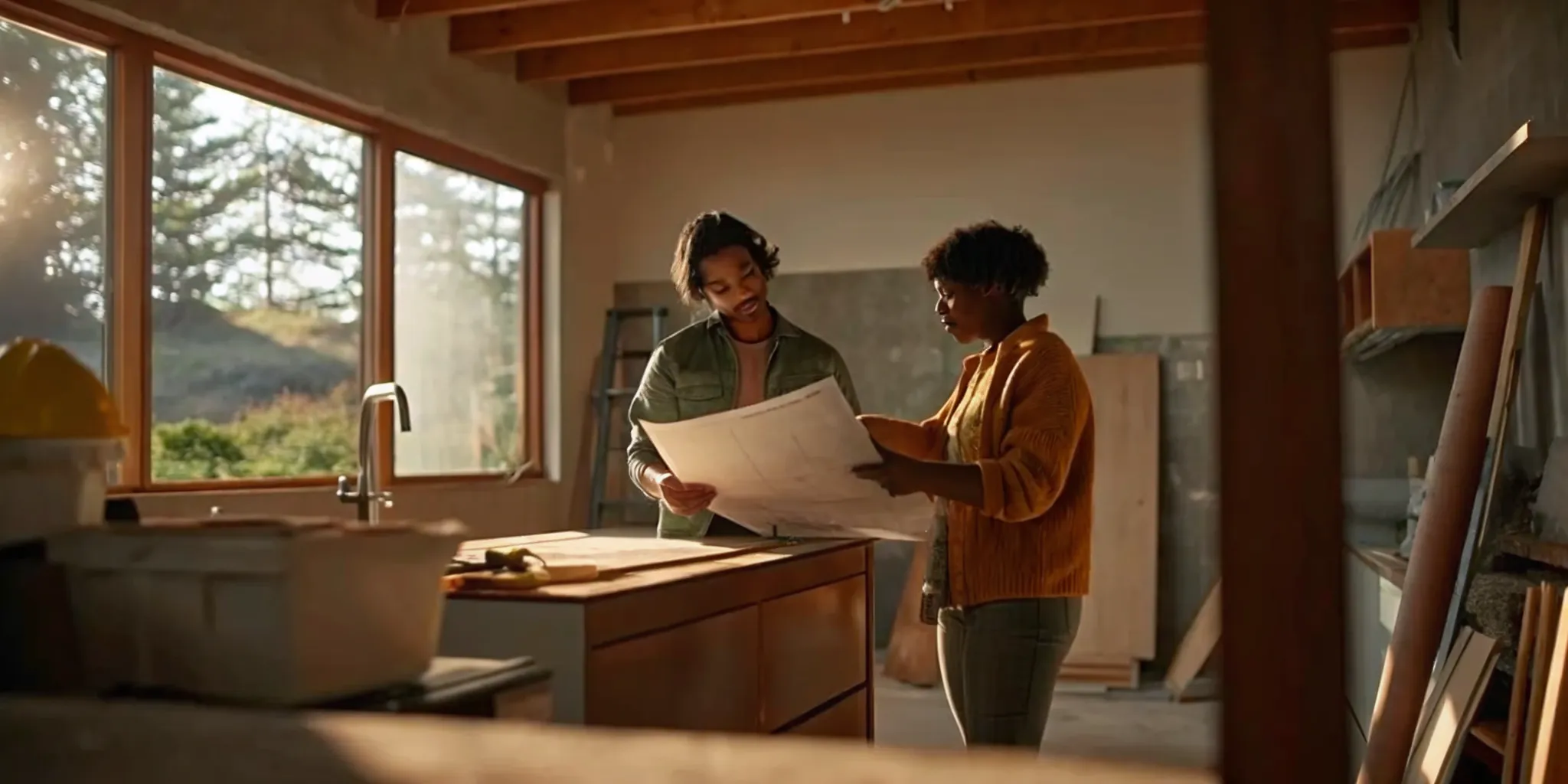
Instead of guessing your costs, make sure you get detailed cost estimates early on. Having a clear breakdown of pricing helps you allocate money where it counts, like in your kitchen or bath. Taking time for careful planning your home renovation can save you thousands of dollars down the line.
The risk of skipping permits and vetting
Another massive mistake is skipping local building permits or picking the first contractor you find. Working without permits is a huge legal risk that can lead to fines, stop-work orders, and future sale issues. Instead of taking shortcuts, you must secure the right permits for any major remodel.
When it comes to hiring help, do not simply choose the cheapest bid, as low bids often signal poor work. Instead, verify that your builder is fully licensed, insured, and pre-vetted. Taking time to check their past work and talk to references prevents massive headaches later. Taking these steps protects your money and ensures a safe, high-quality build.
Neglecting home structure and daily timeline
Failing to look at your home's systems before adding new features is another costly error. Many homeowners focus on new finishes while ignoring older plumbing or electrical systems. You must always fix the underlying cause of any damage before starting surface repairs. For example, fixing paint without sealing a water leak guarantees future mold issues.
Likewise, changing the scope of your project midway through construction will drive up costs and cause long schedule delays. Rushing the process only invites mistakes that require pricey fixes afterward. To keep your sanity, add at least twenty-five percent to your timeline and stick to your plan.
Why an Unrealistic Budget Derails Renovations (and How to Fix It)
One of the most common home renovation mistakes to avoid is setting an unrealistic budget. Starting major remodels without proper planning often leads to higher costs and unfinished work. When funds run dry, you risk halting the project mid-way. This leaves your home in a messy state and causes a lot of stress for your household.
The High Cost of Renovation Surprises
Surprises are sure to happen when you remodel, mostly in older homes. You might find hidden plumbing leaks, bad wiring, or structural issues behind the walls. For example, homes built before 1978 often contain lead paint, which needs safe handling per rules from the Environmental Protection Agency. These unforeseen issues can quickly add thousands of dollars to your bills.
Under-budgeting also forces mid-project stalls that delay your move-in date. If you do not have enough money to finish the job, contractors must stop work. This delay can leave your house unfit to live in and cause extreme stress. You may have to pay to live somewhere else or stay in a dusty construction zone for months. Working with a team of experts can help you avoid these pain points from the start.

How to Build a Realistic Financial Plan
To protect your project, you need a smart plan for budgeting for a renovation. First, find out what your home is worth today. Experts suggest you use the 30% rule for renovations. This rule says you should never spend more than 30% of your home's value on the whole remodel. For example, if your home is worth $500,000, keep your total budget at or below $150,000 to avoid spending too much on upgrades. If you spend too much, you may not get your money back when you sell.
Next, build in a financial buffer to handle surprise costs. Guidelines from Nationwide suggest adding an extra 20% to your first estimate to cover surprise changes. You should set aside a contingency budget of at least 10% to 20% of the total project cost. For major renovations like kitchens, ADUs, or additions, these reserves keep the project moving forward when hidden costs pop up.
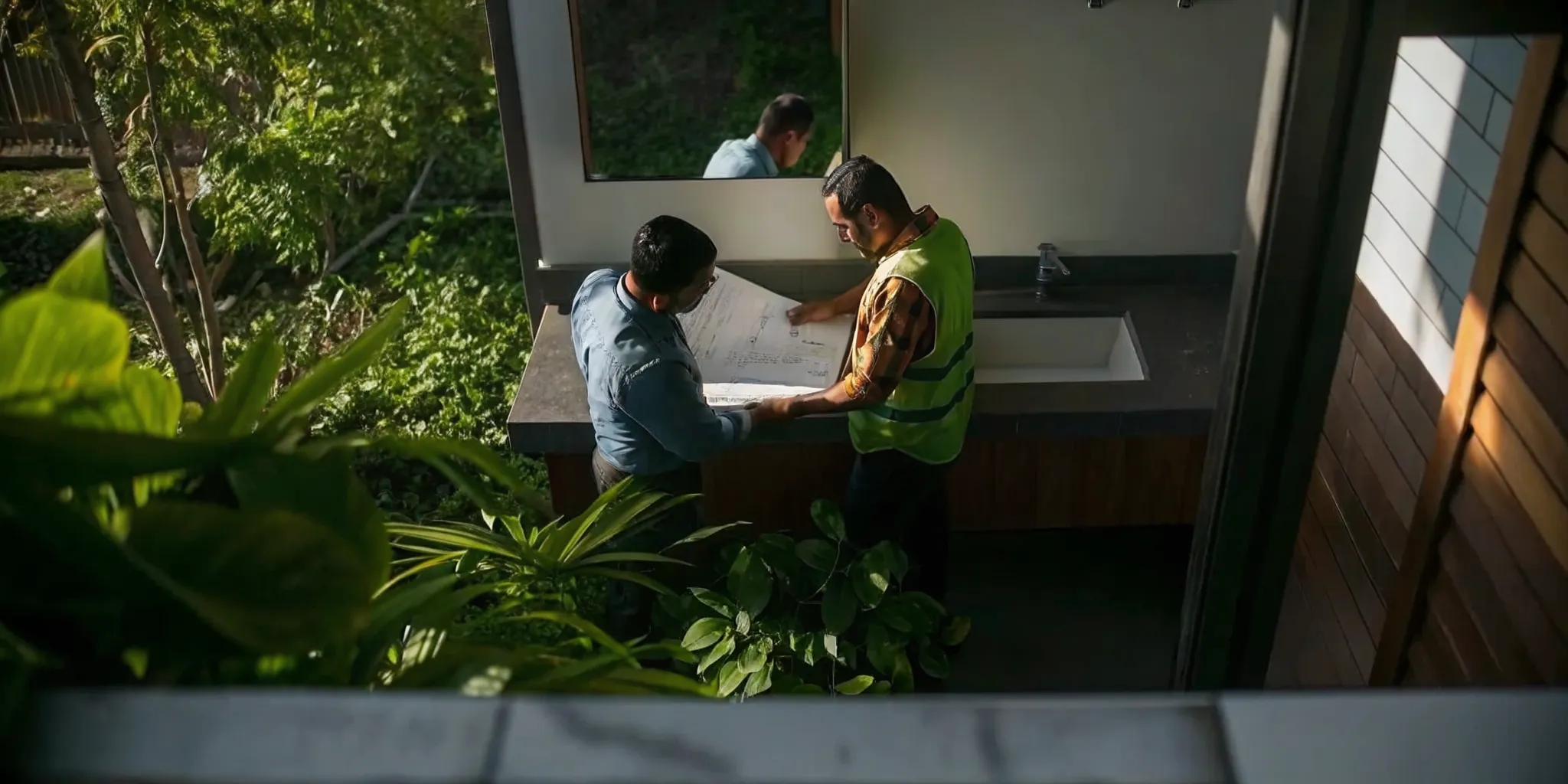
Finally, get help from experts before you sign a contract. Realm Living planning support gives you access to expert advisors who guide you through the process. They help you compare contractor bids, review scopes, and double-check your numbers. This guidance ensures you set a realistic budget before any work begins, so your renovation stays on track.
Skipping Permits: The Hidden Risk That Stalls a Remodel
Many homeowners try to skip building permits to save time or cash. This is one of the most common home renovation mistakes to avoid. Working without permits can ruin your project. It can lead to big fines, stopped work, and safety risks. When you are planning your home renovation, you must check local rules before any work starts. Doing so protects your safety and the value of your home.
Which Renovation Projects Need Permits?
Not every home project needs a city permit. But major home changes always do. You will need a permit to move walls, add new wires, or change water pipes. Building a backyard home or a new room also needs a permit. Make sure you or your builder gets the permit before any work starts. Getting the permit first is the best way to keep your project on track.
How Permits Protect Your Home Value
Permits ensure your project meets local safety codes. City inspectors check the work to make sure it is safe. If you skip this step, you face big risks with money and the law. According to experts at Realm Living, unpermitted work can lead to sudden stop-work orders. You may have to tear down finished walls or pay large fines. These issues will also hurt your resale value and make it very hard to sell your house later. Most buyers will check permit records and turn away if they find work done without permits.
Lead Paint Safety in Older Homes
Safety is another big reason to get permits and plan with care. This is very true for older houses. If your home was built before 1978, you must assume the paint contains lead. The U.S. Environmental Protection Agency (EPA) warns that lead dust from remodeling is highly toxic. Breathing in this dust can cause real harm, mostly to young children. You should always test your paint or treat it as unsafe before you start scraping or sanding.
Lead-Safe Work Practices to Prevent Dust
To keep toxic dust from spreading, you must use proper work habits. Always mist dry areas with water before you sand or scrape them. This simple step keeps dust out of the air. You must also cover the work zone with thick plastic sheets to contain the mess. If you plan to do any work on your own, read the lead-safe DIY guide from the EPA. These steps protect your loved ones and keep your home safe during a remodel.
Choosing the Wrong Contractor (and How to Hire the Right One)
Choosing the wrong contractor is one of the most common home renovation mistakes to avoid. A poor choice can turn a dream remodel into a stressful ordeal. To protect your home and your budget, you must learn how to spot red flags and choose a partner you can trust.
The risk of the lowest bid
Many homeowners make the mistake of picking a builder based on price alone. But the lowest bid is often a red flag that points to poor work or hidden costs. Vetted professionals charge for their experience because they do the job right the first time. Choosing a cheap bid can lead to bad results that cost more to fix later.
You should establish a clear communication plan before the work begins. A lack of written agreements about daily progress and change orders often causes major fights. To avoid these issues, write down every key decision and budget change. You can learn more about finding a partner by reading our guide to hiring a contractor.
Steps to verify contractor credentials
Always check a builder's license, insurance, and past work before you pay any money. Vetting their background protects your home from legal risks and scams. Check with local boards to ensure their records are active and clean. This simple step prevents major headaches during a large remodel.
Vetting is even more important for older houses. If your home was built before 1978, the U.S. Environmental Protection Agency (EPA) says you must verify that your builder follows lead-safe rules. A trained team will use special barriers and low-dust methods to keep your family safe.
Professional management versus self-management
Some homeowners try to act as their own general contractor to save money. But running a job needs deep skills that most homeowners lack. Conflicts between plumbing, wiring, and framing teams often cause long delays and high costs. Hiring a professional general contractor helps you avoid these errors and keeps the work on track.
A solid written contract is key to prevent disputes. The contract must outline the exact scope of work and detail how you will handle change orders. When every detail is in writing, both you and your builder can stay on the same page. This keeps the project moving without sudden cost surprises.
| Factor | DIY Management | Professional Contractor |
|---|---|---|
| Cost and risk | High risk of costly mistakes and overruns. | Fixed pricing and lower risk of extra costs. |
| Scheduling | Delays and conflicts between different trades. | Efficient scheduling and faster completion. |
| Quality | Workmanship varies and can lead to expensive rework. | Vetted skills and a two-year warranty. |
| Accountability | You bear all blame and costs for mistakes. | The builder takes full responsibility. |
Ignoring Structural Issues Before You Start
Many homeowners focus on cosmetics before fixing core systems. This is one of the most common home renovation mistakes to avoid because pretty updates cannot mask structural damage. Putting a fresh coat of paint on a crumbling foundation is a major risk. According to the advisors at Realm Living, you must focus first on the systems that keep the home safe and dry.
Checking your home's total capacity
Before you add new appliances or extra rooms, you must check your home's total capacity. Ensure your current systems can support the extra load, as skipping this check often leads to safety hazards and system failure. An upgrade to your plumbing or wiring is often needed before planning your home renovation. According to Realm Living experts, your home's core systems must be updated before you focus on looks.
Older homes in California and Seattle often have outdated electrical panels or aging plumbing lines. If you install a modern kitchen or high-end bathroom without updating these power or water lines, you risk overloading the system. Vetted contractors can help you assess your home's bone structure and utility lines before the hammers swing. This proactive check ensures you do not have to tear open your brand new walls to fix a plumbing issue later.
Stopping moisture and mold issues
Moisture and water leaks are major threats to any remodel. You must always fix the underlying cause of a problem before you make any cosmetic repairs. For instance, patching a wall with peeling paint does not work if you have a leaky roof or damp air. The Environmental Protection Agency (EPA) says you must find and fix the source of water leaks first.
When water enters your home, you must act fast to prevent mold growth. The key to mold control is moisture control. You should dry any wet areas and items within 24 to 48 hours. According to EPA guidelines, this quick action is needed to stop mold from spreading throughout your walls.
Measuring carefully to avoid delays
Another common mistake is measuring your space wrong before you buy your materials. Bad measurements can lead to high return fees and slow down your construction schedule. A simple rule to follow is to measure twice and order once, which Realm Living notes is critical for avoiding shipping delays. Taking exact sizes ensures that your new cabinets, doors, and appliances fit perfectly on the first try.
Poor Timeline Planning and the Reality of Scope Creep
Many homeowners face major delays because they do not plan their project schedule well. Guessing wrong on the time a job takes is one of the most common home renovation mistakes to avoid. When you do not build in extra time, even small setbacks can halt your progress. This pressure gets worse when you also allow your project scope to grow. Taking on too many tasks at once can also make a timeline fall apart.
How Underestimating Timelines Stalls Your Remodel
Renovations in older homes rarely move as fast as you expect. You should add at least 25% to your timeline estimate to stay safe. Advisors at Realm Living see this often because older walls hide many secrets. Older homes often have old pipes and wiring that do not meet modern codes. Bringing these systems up to date takes time and can delay your finish date.
At times, you might open a wall and find water leaks or old mold. The U.S. Environmental Protection Agency (EPA) says you must dry wet areas in 24 to 48 hours to stop mold. Fixing these issues takes extra days and adds to your labor costs. You must also plan for the stress of living through a major remodel.
Many people think they can stay in their home during a dusty and loud project. In truth, the mess can make daily life hard. You should factor in the cost of a hotel or a short-term rental. Adding this to your plan helps you avoid stress and sudden fees.
Controlling Scope Creep With Clear Change Orders
Adding new ideas mid-project is the main cause of high costs and delays. This bad habit is known as scope creep. When you change your mind after the work starts, you break your own plan. Once demolition begins, you should stick to your plan to keep the project on track. To prevent this, you must learn what not to tell your contractor.
Do not say that your budget or your timeline can change easily. This tells the builder that they can add tasks without a hard stop. Instead, you should handle all changes in writing. You must set up a clear change-order process before demolition begins.
If a change is needed, put it on paper with the exact cost and time impact. When planning your home renovation, detail every single choice in the contract first. This keeps your contractor on the same page and keeps your costs down.
What to Do Instead: A Checklist for a Smooth Remodel
Planning a home renovation is exciting, but it can quickly feel stressful. When you are planning your home renovation, following a clear checklist helps you avoid major mistakes. A structured plan keeps you on track and ensures your home remains a safe place for your family during construction. By taking the right steps early, you can protect your home, save money, and enjoy a smoother path to your dream space.
Step-by-Step Remodel Planning
A successful remodel relies on smart planning before any walls are torn down. Taking the time to plan helps prevent common mistakes that can waste your hard-earned money and time. Following these steps also reduces stress for your whole family. Use this checklist as your guide to set up a stress-free remodel from start to finish.
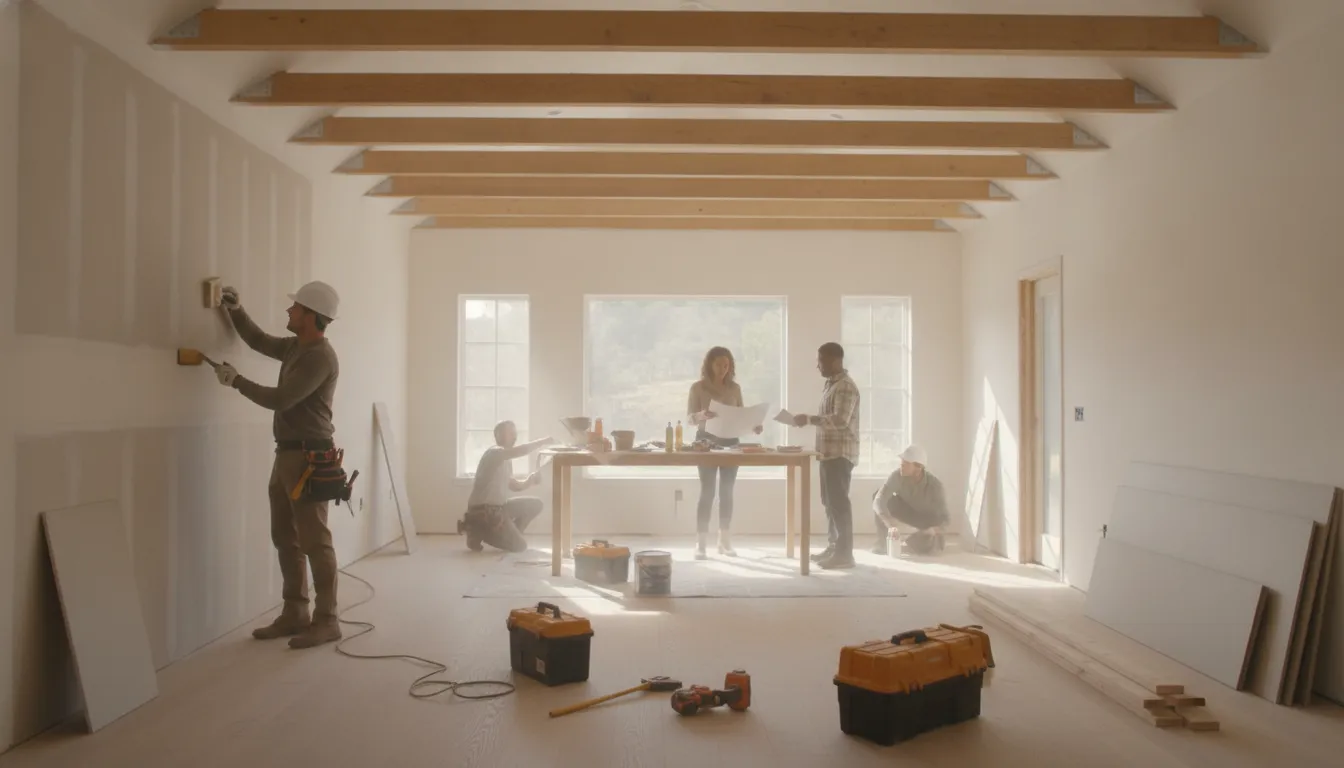
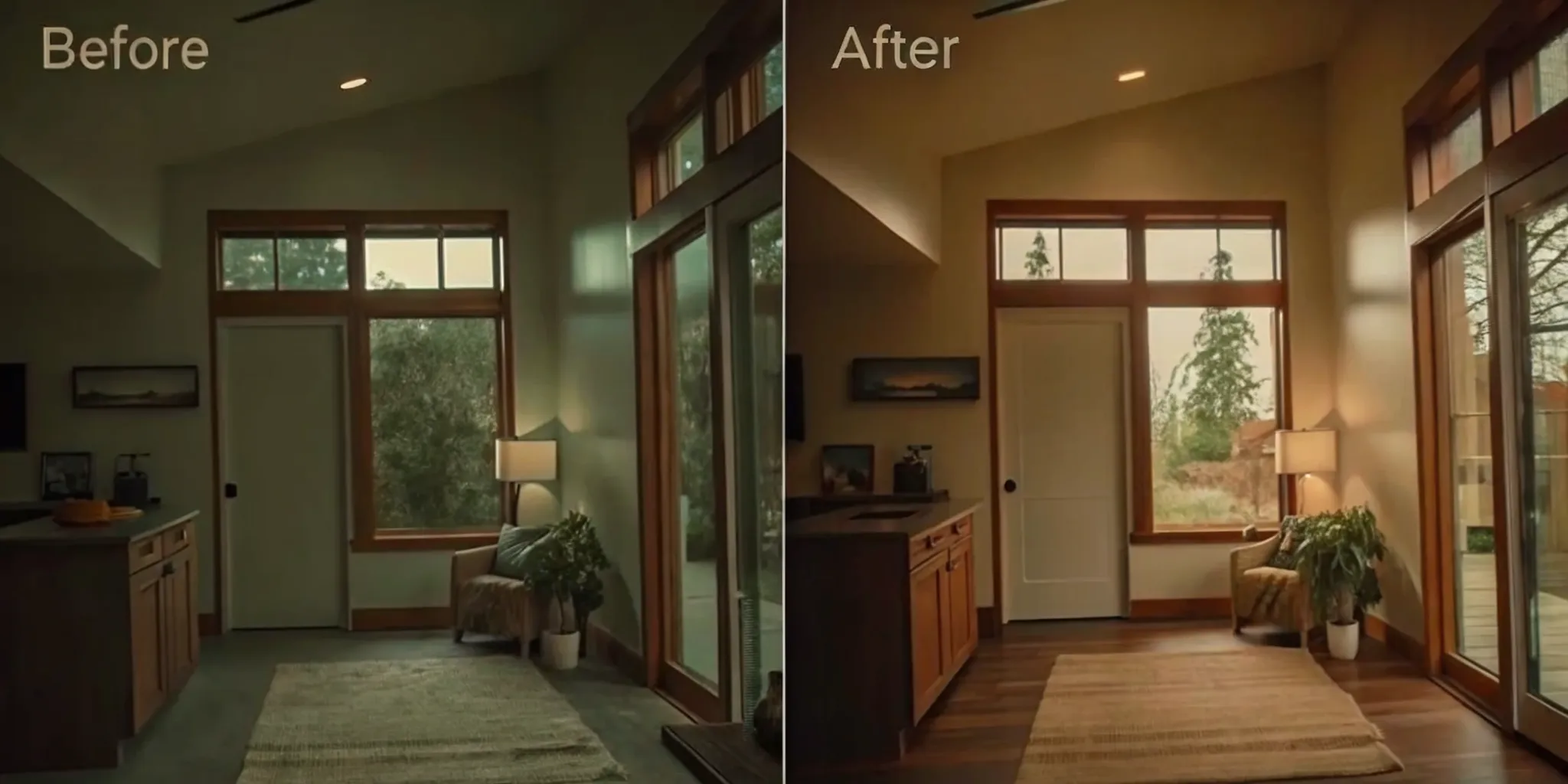
- Document the starting point. Take detailed before photos of every room, wall, and fixture before any work begins. These files are useful for tracking progress, working with insurance, and solving any builder disputes that might arise.
- Build a solid budget. Make a clear plan for your total costs and add a buffer of ten to twenty percent. This contingency fund protects you from surprise costs that often pop up in older homes when walls are opened.
- Get your permits early. Building without permits can lead to fines, stop-work orders, and future sale problems. Always secure the right local papers before any work starts so your project remains fully legal.
- Put your contract in writing. Write down every detail of the project, such as how you will handle change orders and timelines. A clear contract prevents disputes and keeps you and your builder on the same page.
- Plan for household safety. Discuss how construction dust and noise will affect children and pets. The U.S. Environmental Protection Agency suggests low-dust work to keep your indoor air safe and clean during a dusty remodel.
- Set up a clean worksite. Choose a special space for building supplies, tools, and waste. Keeping a neat workspace makes the job run much faster, protects your property, and prevents accidents.
- Buy your fixtures late. Only buy materials and appliances when you are ready to set them up. Storing items on-site for too long risks damage, creates clutter, and causes delays.
Working With Vetted Professionals
Many homeowners find that handling these steps is easier with expert help. Working with trained guides can lead you through every choice and keep your project on budget. You can see how Realm Living works to find pre-vetted builders, compare bids, and get expert planning help.
Discuss your project with a Realm Living advisor today
Frequently Asked Questions
What is the 30% rule for home renovations?
The 30% rule says that your total housing costs, including home renovation loans, should not exceed 30% of your monthly income. Other times, experts use this rule to suggest setting aside 30% of your project budget as a backup fund. According to Realm Living, a typical remodel needs a 10% to 20% buffer. Older homes often need more to cover hidden problems found during demolition.
What should you not tell your contractor during a remodel?
Never tell a contractor your absolute maximum budget, as they may write bids that match that peak number rather than the real project cost. Keep your 10% to 20% backup buffer to yourself. Also, do not tell them you are in a rush, which can lead to higher prices. Clear contracts are key. According to Realm Living, you must put every detail and project cost in writing before the job begins.
What home renovations devalue a house the most?
Overly custom designs and projects that reduce bedroom counts devalue a house the most. For example, converting a garage into a room without a permit can hurt your home value. According to Realm Living, highly niche custom choices can make your home much harder to sell later. Homeowners should focus on upgrades that boost daily use and appeal to a wide pool of buyers instead of choosing trendy finishes.
How can you check if a renovation contractor is licensed?
You can verify a contractor by asking for their state license number and checking it on your local state database. For instance, in California, you can look up details on the state licensing board website. According to Realm Living, you must check licenses, active insurance, and customer references before any money changes hands. This protects you from poor work and liability.
Ready to Start Your Renovation the Right Way?
The difference between a smooth remodel and a stressful one often comes down to planning, the right team, and someone in your corner when surprises appear. You do not have to navigate permits, budgets, and contractor selection on your own.
Realm Living pairs you with a dedicated renovation advisor who helps you set a realistic budget. Compare vetted contractors, and keep your timeline and scope on track from the first plan to the final walkthrough. Start your renovation with a free project discussion and see how guided planning takes the guesswork out of your remodel.