Are Home Renovations Tax Deductible? 2026 Guide
Get a clear answer on whether home renovations are tax deductible, with IRS-based guidance for personal homes, rentals, home offices, and records.
|
September 9, 2026

In this article:
If you are asking, "are home renovations tax deductible?" the short answer is usually no for ordinary improvements to a personal residence. A kitchen remodel, bathroom renovation, addition, or whole-home project generally is not a current itemized deduction, but it may increase your home's tax basis. The result can be different when the property produces rental income, part of the home qualifies for business use, or a project falls under a separate medical or energy-related tax rule.
Start planning your renovation with Realm Living
Are home renovations tax deductible for a personal residence?
Short answer: Most renovation costs for a home you personally live in are not deductible in the year you pay them. Instead, qualifying improvements are generally added to the property's basis, which is used later when calculating gain or loss on a sale. Mortgage interest and real estate taxes are separate categories with their own rules, and they should not be confused with a deduction for the renovation itself.
Ordinary remodeling is usually a capital cost, not a yearly deduction
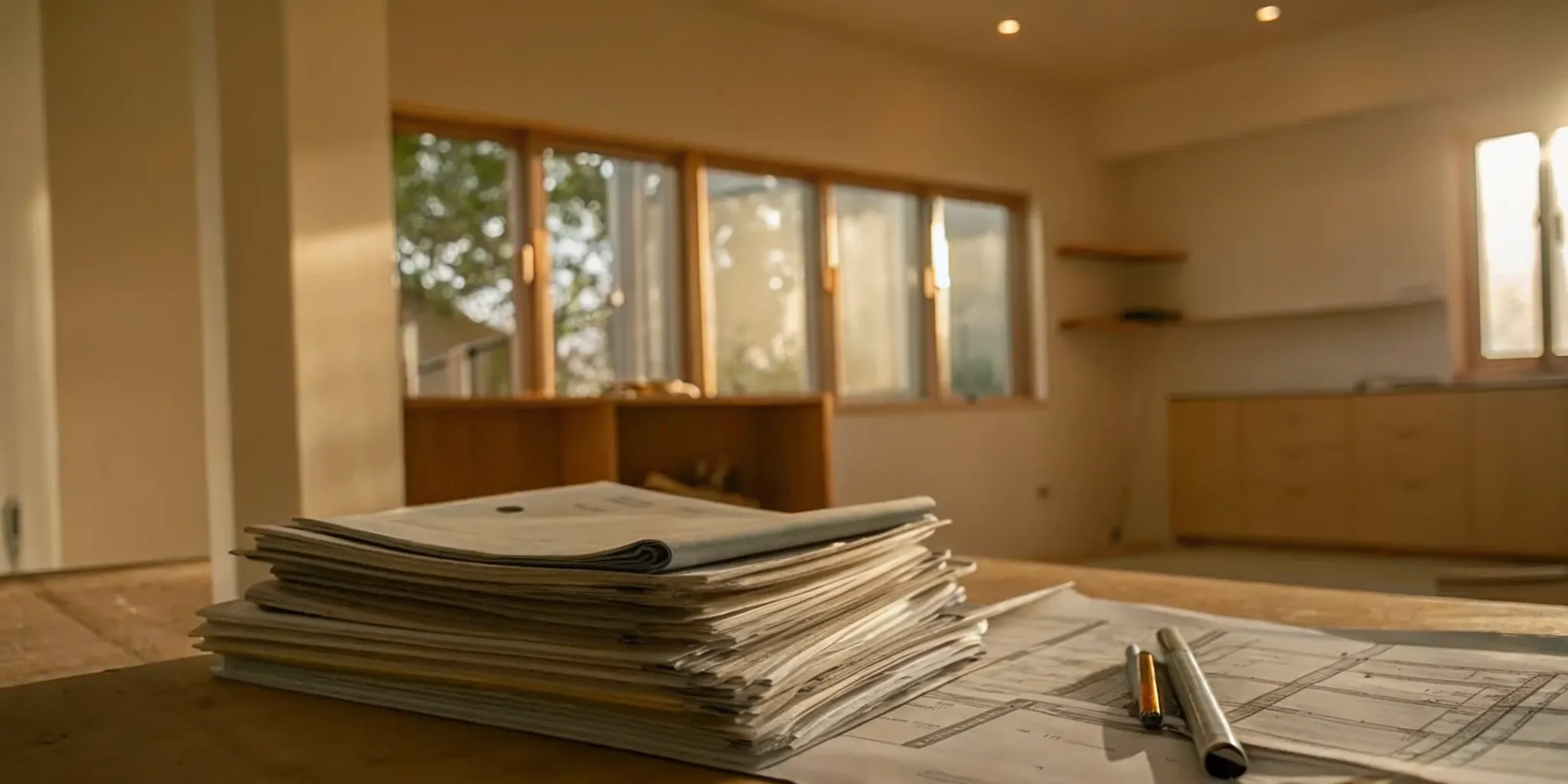
Replacing cabinets, changing a floor plan, adding a bathroom, building an addition, or modernizing electrical and plumbing systems can improve the property without creating a current federal deduction for a personal homeowner. These expenses are part of the investment in the home. Keep contracts, invoices, permits, receipts, and proof of payment because documentation may help establish the property's adjusted basis later.
The distinction matters because a tax benefit may occur at a different time. A qualifying improvement can increase basis, reducing the gain that would otherwise be recognized when you sell. That is not the same as receiving a refund or deducting the project from this year's income.
Mortgage interest and property taxes are separate questions
The IRS explains in Publication 530 that some homeowners may deduct eligible mortgage interest and real estate taxes when they itemize, subject to the applicable limits and requirements. If you used borrowed money to substantially improve a home, the interest treatment may depend on how the loan proceeds were used and other facts. The loan interest is not the same thing as deducting the contractor's invoice.
State and local tax rules can also differ from federal rules. A project may affect local assessments, permits, or future property records, but those administrative costs do not automatically become a federal renovation deduction. Ask your tax professional how the federal and state treatments interact before you file.
For a separate look at planning the financial scope of a project, review Realm Living's home renovation cost breakdown. Cost planning and tax classification answer different questions, but both belong in the early planning conversation.
When does a renovation become part of your home's tax basis?
Direct answer: A renovation generally contributes to tax basis when it adds value, prolongs the useful life of the property, or adapts the home to a new use. The cost is tracked as part of the home's investment rather than deducted immediately. The IRS lists additions and improvements, including many kitchen, bathroom, flooring, plumbing, and structural projects, in its guidance on selling a home.
Capital improvements can affect a future home sale
IRS Publication 523 explains that improvements can increase the basis of a home. Examples can include an addition, a modernized kitchen, a new bathroom, a garage, major systems, or other work that adds value or extends useful life. The exact treatment depends on the facts and on whether the work remains part of the property.
Basis is not a simple list of every check you have written. Start with reliable records and ask a qualified tax professional which costs count, when they count, and how reimbursements, credits, insurance payments, or prior depreciation affect the calculation. Never assume that a project is included simply because it was expensive or required a permit.
Repairs and maintenance are not automatically improvements
Painting a room, fixing a leak, replacing damaged hardware, or performing routine maintenance is generally different from a lasting capital improvement for a personal residence. A repair that is part of a larger remodeling or restoration project may be treated differently from the same repair performed by itself. Publication 523 specifically calls out this context distinction.
This is one reason a project file should separate routine repairs, maintenance, design services, construction labor, materials, permit costs, and improvements. Good categorization does not guarantee a deduction, but it gives your tax professional the facts needed to apply the rules without reconstructing the project months or years later.
Are renovations deductible for a rental property?
Direct answer: Rental property follows a different framework because the property produces income. Ordinary and necessary rental expenses may be deductible against rental income when eligible, while improvements are generally capitalized and recovered over time through depreciation. Personal use, the date the property is placed in service, and the allocation between rental and personal areas can change the result.
Repairs may be current rental expenses
If a property is held out for rent, a qualifying repair that keeps the property in ordinary operating condition may be treated as a rental expense rather than an improvement. The deduction is tied to the rental activity, not simply to the fact that money was spent on a house. A repair to a rental unit and the same repair to your personal residence can therefore have different tax treatment.
Keep records showing the property address, date, purpose of the work, invoices, payment records, and the period the property was available for rent. If you rent only part of a home or use it personally for part of the year, you may need to allocate costs rather than treating the entire invoice as a rental expense.
If construction is part of a larger project, Realm Living's home renovation permits guide can help you identify planning questions to raise with the local building department. Permit compliance does not decide tax treatment, but it supports a complete project record.
Improvements are generally recovered through depreciation
Replacing a roof, adding a room, renovating a kitchen, or upgrading major systems may be an improvement to rental property. IRS Publication 527 discusses rental income and expenses, repairs and improvements, depreciation, personal use, and special rental situations. The cost is generally capitalized, then recovered under the applicable depreciation rules rather than deducted all at once.
Depreciation is technical. A rental owner should ask a qualified tax professional how to classify each item, determine the placed-in-service date, allocate shared costs, and handle a later sale. Do not copy a line from a contractor invoice into a tax form without checking whether the work is a repair, an improvement, or a mixture of both.

What changes when part of your home is used for business?
Direct answer: A qualifying home office or other business use can allow certain expenses to be allocated to the business, but the space and activity must meet IRS requirements. The deduction can be based on actual expenses or an available simplified method, and limits may apply. A desk in a room used by the entire household is not automatically a deductible business space.
Exclusive and regular use are important tests
IRS Publication 587 explains the business use of a home, including exclusive and regular use, trade-or-business use, a principal place of business, separate structures, and daycare situations. The facts matter. A room used exclusively and regularly for a qualifying business is evaluated differently from a space used interchangeably for work, guests, storage, and personal activities.
Some homeowners renovate a room to create an office, studio, or separate business area. The construction cost may need to be allocated between business and personal use, and improvements can create depreciation or basis considerations. The business deduction is not a blanket write-off for the entire home renovation.
Actual expenses and the simplified method are not interchangeable
The actual-expense method may involve a business-use percentage and eligible costs such as certain utilities, maintenance, insurance, rent, mortgage interest, or depreciation, subject to the rules and limits. The simplified method uses a prescribed calculation instead of tracking every actual home expense. A tax professional can help compare the methods and explain recordkeeping obligations.
If the project serves both a home office and the rest of the house, preserve the plans, room measurements, invoices, and explanation of the business use. A clear paper trail is especially important if the renovation changes the size, function, or value of a part of the property.
For questions about funding rather than tax classification, Realm Living's home renovation financing guide can help you compare planning considerations without treating a financing choice as a tax outcome.
Discuss your renovation scope and planning needs with Realm Living
Could a renovation qualify for medical or energy tax relief?
Direct answer: Some projects may fall under a separate tax rule, but a general remodel does not become deductible simply because it makes a home safer, more comfortable, or more efficient. Medical modifications and energy-related incentives have specific eligibility, timing, documentation, and limitation rules. Treat them as separate questions from the tax treatment of ordinary improvements.
Medical modifications require a medical purpose and careful calculation
Accessibility work, such as a ramp, widened doorway, bathroom modification, or other change, may raise medical-expense questions when it is primarily intended to alleviate or prevent a physical or mental defect or illness. IRS Publication 502 explains that medical expenses have their own rules, including limits and the effect of any increase in a home's value. A project that improves the home for everyone may not receive the same treatment as a modification primarily related to a documented medical need.
Before starting work, keep a written statement of the medical purpose when appropriate, the contractor scope, invoices, and any information about the property's value before and after the work. Do not assume that a doctor recommendation alone determines the tax result. Ask a qualified tax professional to review the full situation.
Energy incentives are separate and time-sensitive
Energy-efficient windows, insulation, heat pumps, solar equipment, and energy audits may be discussed under federal credit rules rather than ordinary renovation deductions. The IRS Energy Efficient Home Improvement Credit page identifies qualifying residence, product, installation, and filing requirements. IRS publications also warn that legislation can change the timing and availability of energy incentives.
Because eligibility can depend on when property was placed in service, the specific product, the installation, and current law, verify the rule for the tax year involved. Ask for the manufacturer's documentation and preserve the final invoice. Do not make a renovation decision based on an assumed credit or a promised dollar amount.
What records should homeowners save for tax purposes?
Direct answer: Keep a complete project file from the first design conversation through final payment. The file should help distinguish repairs, improvements, financing costs, reimbursements, and any special-purpose work. These records support future basis calculations, rental depreciation, business-use allocations, and any claim that depends on a specific credit or deduction.
Build one tax-ready renovation folder
- Signed proposals, contracts, change orders, and final invoices
- Receipts for materials, appliances, fixtures, and equipment
- Permit applications, approvals, inspection records, and plans
- Proof of payment, loan statements, and records of who paid each cost
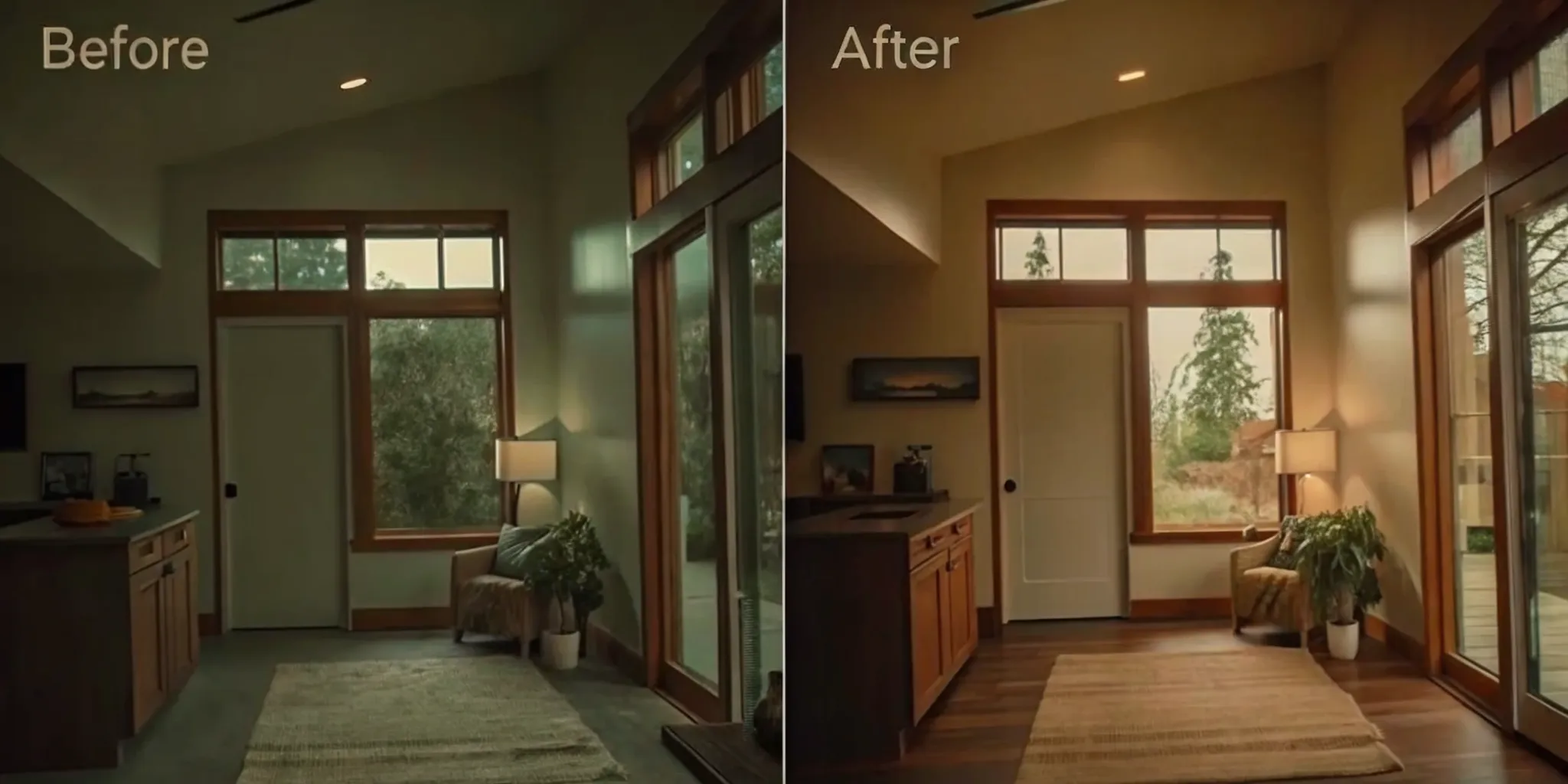
- Before-and-after photographs that show the work completed
- Insurance reimbursements, grants, rebates, or other assistance
- Room measurements and the business-use percentage when relevant
- Rental availability dates, tenant use, and personal-use periods when relevant
Organize the folder by project and tax year, then retain it according to your tax professional's advice and the applicable recordkeeping rules. Do not throw away records simply because the renovation is complete. A future sale or change in use may make older documentation important.
Ask these questions before signing a renovation contract
- Is this work a repair, an improvement, or a combination?
- Will any part of the property be rented or used for a qualified business?
- Could the project involve a medical modification or energy incentive?
- What documentation will the contractor provide at completion?
- Will a loan fund the work, and what does the lender identify as the use of proceeds?
- Who should review the records before the tax return is prepared?
Tax classification should not dictate a project's design, safety, or compliance decisions. Use tax guidance as one planning input alongside scope, permits, budget, construction quality, and how the home needs to function.
Frequently Asked Questions
Are kitchen and bathroom renovations tax deductible?
Usually not as a current federal deduction when the work is for a personal residence. Qualifying improvements may increase the home's tax basis, while mortgage interest, rental activity, business use, medical rules, and energy incentives have separate requirements.
Can I deduct a home renovation when I sell my house?
You generally do not deduct the renovation invoice directly at sale. Qualifying improvements may be included in the property's adjusted basis, which can affect the gain calculation. Keep records and ask a tax professional how the project, depreciation, reimbursements, and basis adjustments apply.
Are home renovations tax deductible for a rental property?
Some qualifying repairs may be treated as current rental expenses, while improvements are generally capitalized and recovered through depreciation. Rental and personal use must be separated when required. The rules are detailed in IRS Publication 527 and depend on the property's facts.
Can I deduct a renovation for a home office?
Possibly, if the business use meets IRS requirements and the cost is properly allocated. Actual expenses and the simplified method work differently, and limits may apply. A home office does not automatically make the entire renovation deductible.
Are accessibility renovations tax deductible?
Some accessibility modifications may raise medical-expense questions when they are primarily related to a medical need, but the rules are specific and may account for any increase in home value. Review IRS Publication 502 and consult a qualified tax professional before relying on a deduction.
Are energy-efficient renovations tax deductible?
Some energy projects may qualify for a separate credit rather than a deduction, but eligibility is product-, installation-, and tax-year-specific. Verify the current IRS guidance, keep manufacturer and installation records, and do not assume a credit applies to a general remodel.
Plan your renovation with clearer next steps
Turn a complex project into an organized plan
Get started with Realm Living to discuss your renovation project