Home Renovation ROI: Which Projects Pay Off in 2026
Start planning your home renovation ROI today. Compare kitchen, bathroom, and ADU projects that add the most value for 2026 homeowners.
|
August 6, 2026

In this article:
For homeowners in California and Washington, the renovation that adds the most value is rarely the most expensive one. The strongest returns usually come from matching the project to the home's market, condition, and likely buyer expectations, rather than choosing finishes by price alone.
In 2026, the best home renovation ROI opportunities for many CA and WA homeowners include well-planned kitchen and bathroom remodels, ADUs, and practical upgrades such as windows, roofing, and HVAC. The right choice depends on local demand, project scope, installation quality, and how much value the improvement adds compared with its total cost.
That decision matters in a large and active market. Homeowner improvement spending reached $405 billion in 2023, while 29.7% of owner-occupied households completed at least one project, according to Harvard's Joint Center for Housing Studies. Before comparing specific projects, it helps to understand how return is measured and why the same renovation can perform differently from one neighborhood to the next.
What Is Home Renovation ROI and Why It Matters in 2026
Home renovation ROI measures how much value a project creates compared with what you spend. The basic calculation is: (added resale value - project cost) / project cost x 100. For example, a $50,000 renovation that adds $40,000 in resale value produces an 80% ROI. That does not mean the project was unsuccessful. You also received the benefit of living in a more functional, comfortable home, which resale math alone cannot capture.
Why ROI deserves attention in 2026
Renovation decisions now involve substantial budgets and more competing priorities. Homeowner improvement spending reached $405 billion in 2023, 54% higher than in 2019, according to the Harvard Joint Center for Housing Studies. In the same year, 29.7% of owner-occupied households, or nearly 26 million households, completed at least one improvement project. With so many homeowners investing in their properties, understanding the relationship between cost, usefulness, market expectations, and future value is essential.
ROI is especially useful for homeowners in California and Washington because project outcomes vary by neighborhood, housing stock, buyer expectations, and construction costs. A well-planned kitchen remodel may support resale appeal in one market, while an ADU, bathroom addition, or energy upgrade may make more sense in another. A high percentage is not the only goal. The strongest project is one that solves a real need, fits the home, and avoids spending more on finishes or square footage than the local market can support.
The National Association of REALTORS Remodeling Impact Report also evaluates remodeling through more than resale value, including homeowner satisfaction and the appeal projects may have to prospective buyers. That broader perspective helps explain why homeowners remodel even when a project will not return every dollar at sale. Realm Living uses its proprietary renovation database, along with local project information and advisor guidance, to help estimate realistic costs and potential value for homeowners planning major renovations in California and Washington.
Kitchen Remodel ROI: Minor Updates, Major Returns
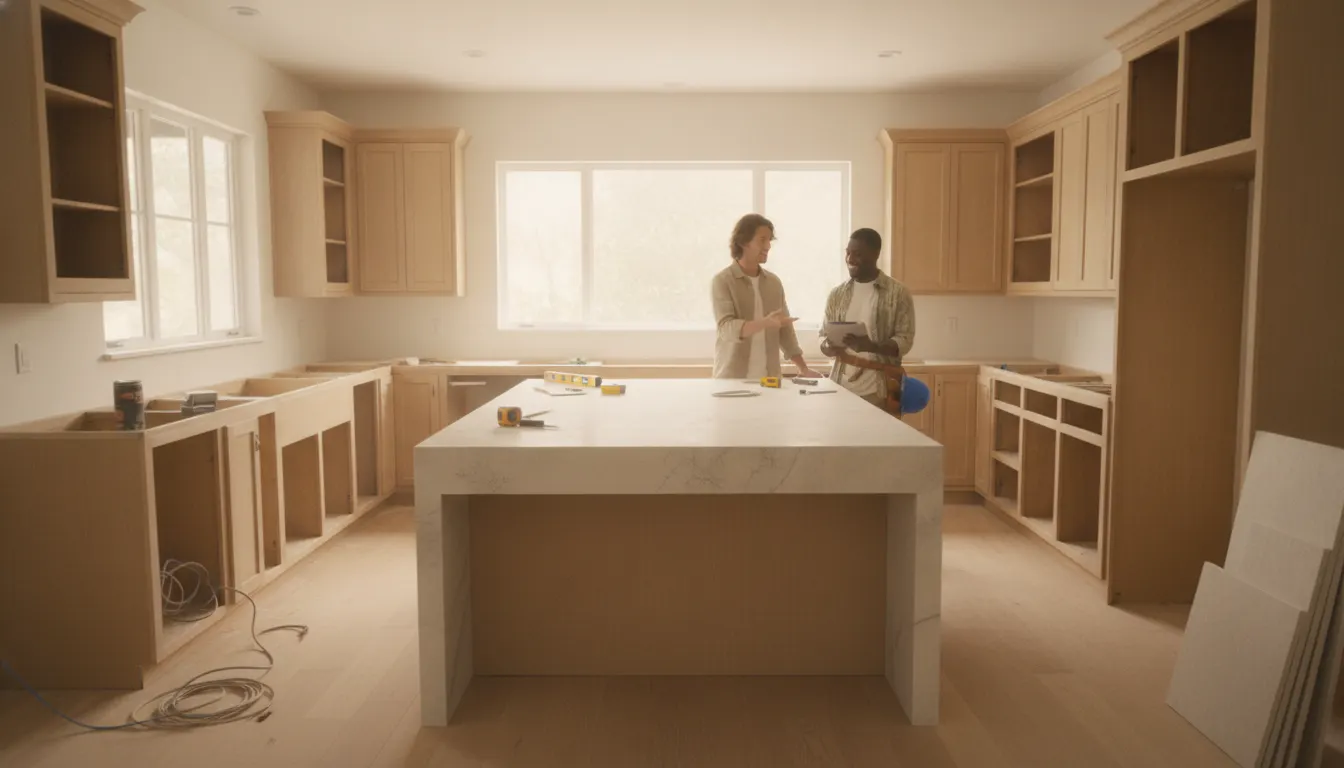
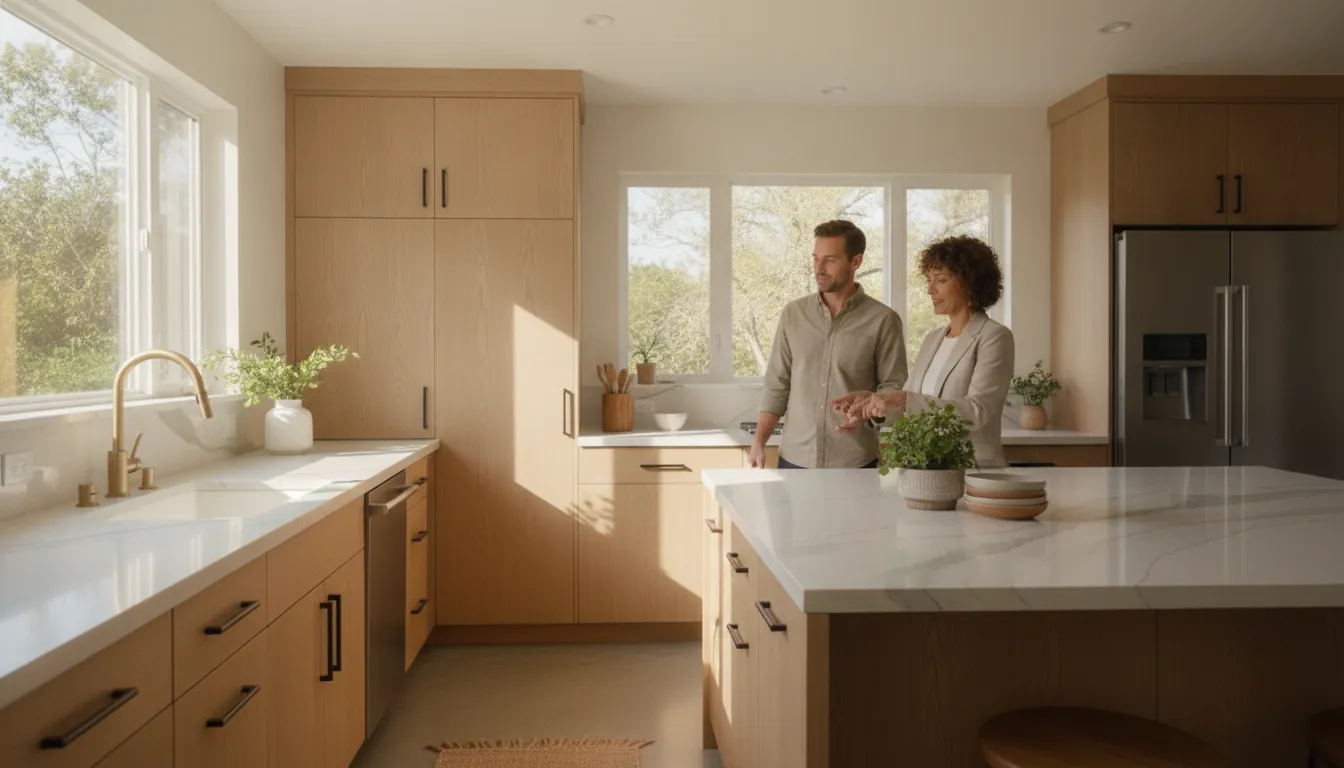
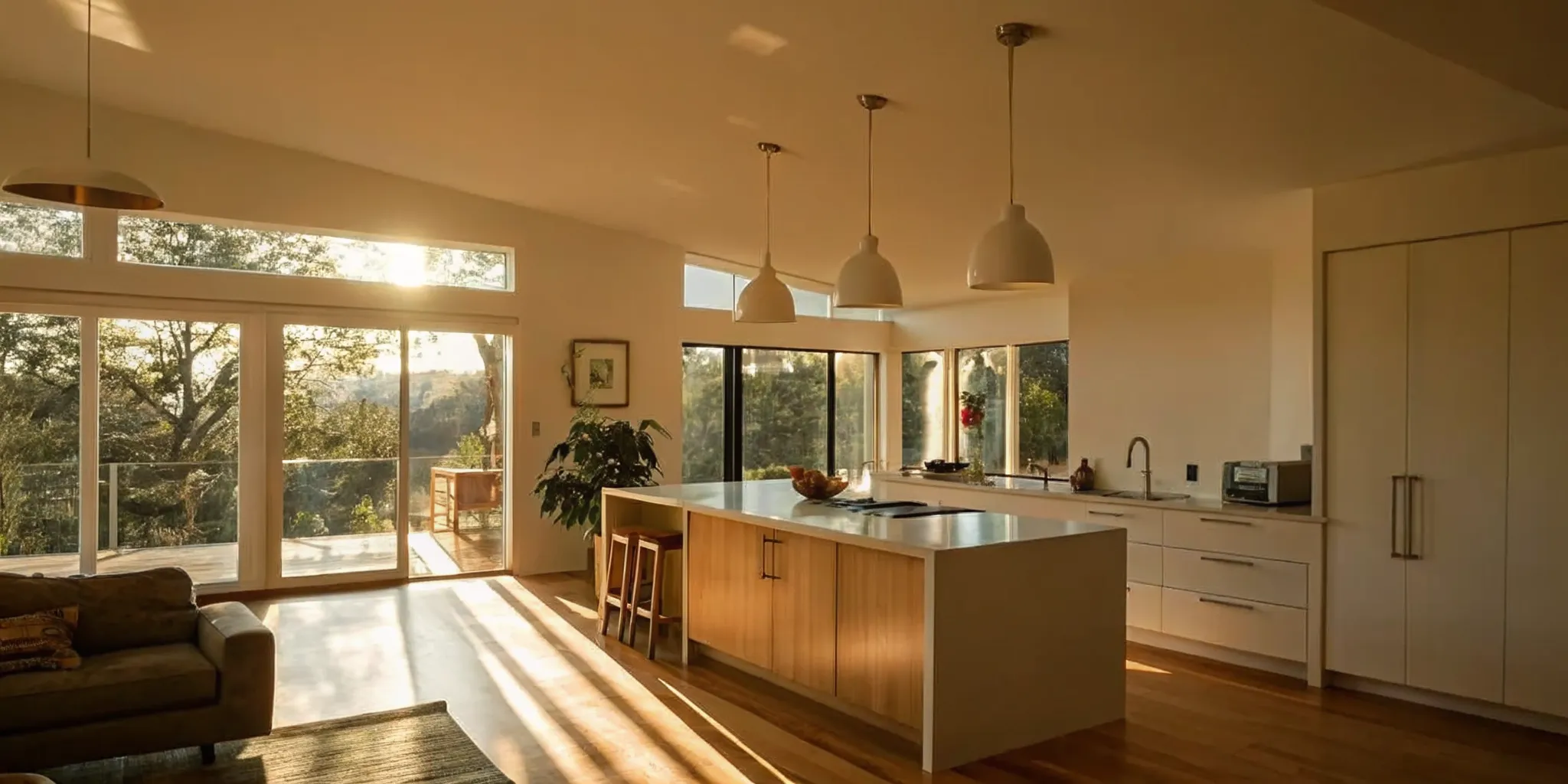
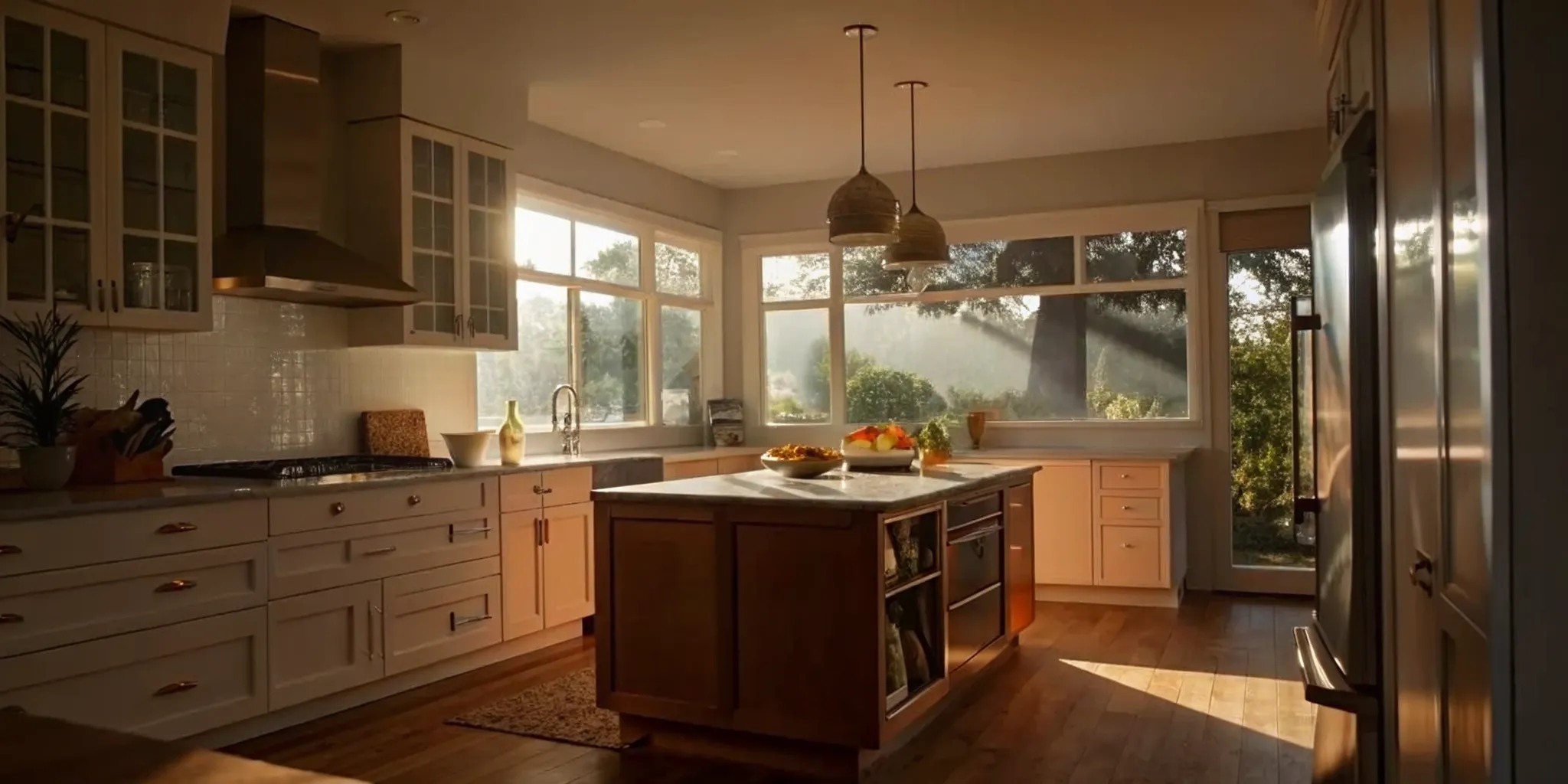
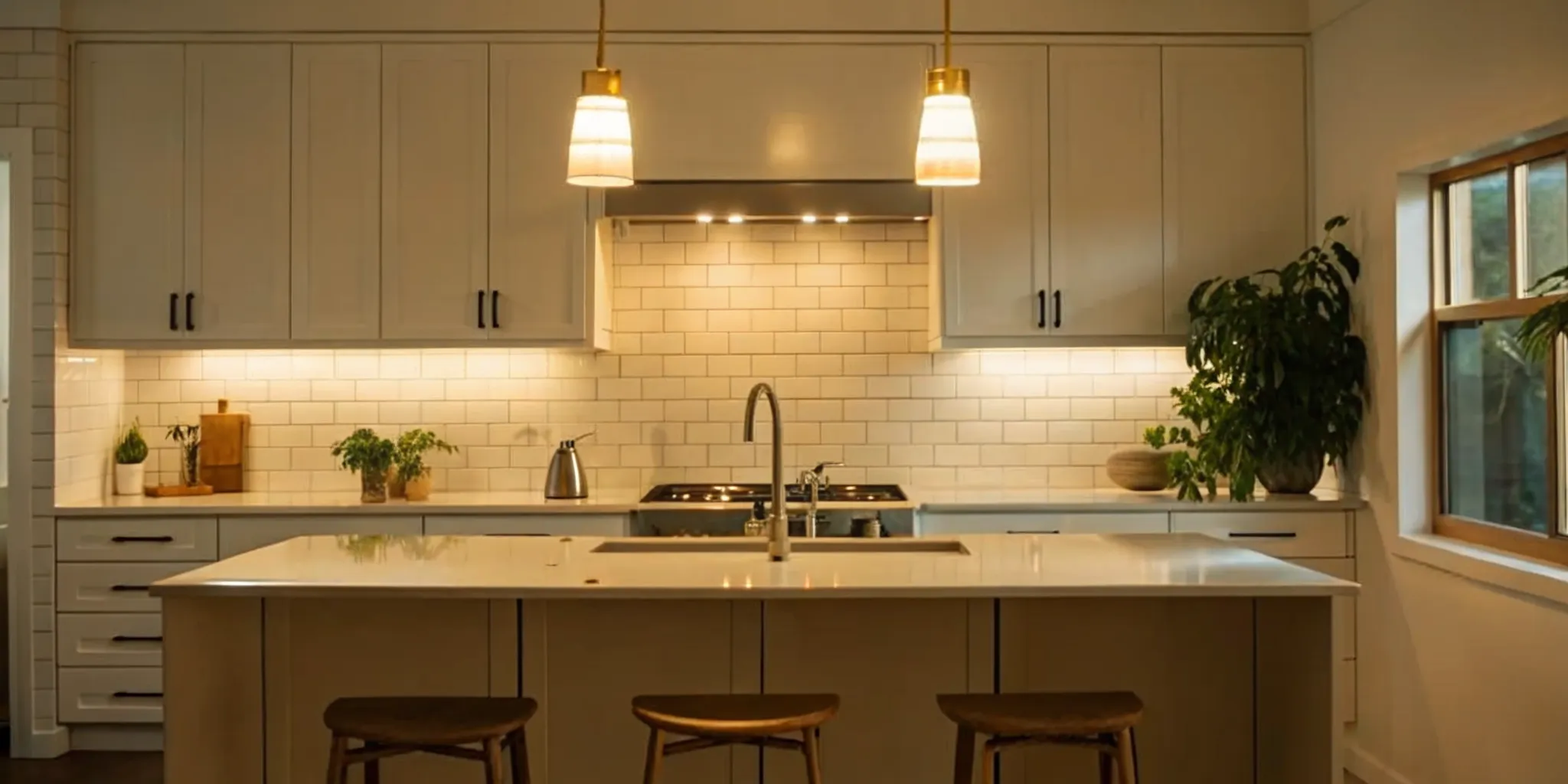
For homeowners evaluating home renovation ROI, the kitchen often rewards restraint. Minor-to-midrange improvements such as refinished cabinets, updated hardware, efficient appliances, and durable countertops can improve daily function and buyer appeal without forcing the project cost beyond what the neighborhood can support. Across industry sources, kitchen remodels commonly return about 60% to 80% of their cost, but the strongest results usually come from a focused refresh rather than a complete redesign.
Why smaller kitchen projects can outperform full renovations
A midrange minor kitchen remodel illustrates the potential. Zillow reports an example costing $28,458 that added $32,141 in resale value, or a 113% recoup of the project cost. Other estimates are more conservative: ANBTX cites an 82% return for a minor kitchen remodel compared with approximately 66% for an extensive kitchen project, while Westshore Home reports a 96% return for a minor kitchen remodel in its 2024 Cost vs. Value discussion. These figures are benchmarks, not guarantees, and local labor, finishes, timing, and buyer expectations can change the result.
| Project type | Illustrative cost | Resale value or ROI benchmark | Best use case |
|---|---|---|---|
| Minor, midrange remodel | $28,458 | $32,141 added value; 113% recoup in one Zillow example. | Refresh a functional kitchen before selling or improve it without changing the footprint. |
| Minor kitchen update | Varies by scope and market. | About 82% to 96% in cited benchmarks. | Cabinet refinishing, hardware, appliances, lighting, or counters that need updating. |
| Major or extensive remodel | Varies substantially by layout, materials, and permits. | About 66% in one ANBTX benchmark. | Correct a poor layout, address structural needs, or create a long-term custom kitchen. |
That does not make a major kitchen remodel a poor decision. A new layout may be worthwhile when the existing kitchen is unsafe, badly configured, or too small for the household. The financial risk comes from over-improving: selecting luxury finishes or expanding the scope far beyond comparable homes nearby. A practical budget should reflect both the home's value and the local market, especially in high-cost areas such as Los Angeles, the San Francisco Bay Area, and Greater Seattle.
Before choosing finishes, estimate your kitchen renovation costs and compare several scopes. A focused plan can preserve more of the project's value while still delivering a kitchen that feels meaningfully better. If the goal is resale, prioritize broad buyer appeal and quality installation. If the goal is staying long term, accept that the best design for your household may not produce the highest immediate recoup.
Bathroom Remodel and Addition ROI: What You Recoup
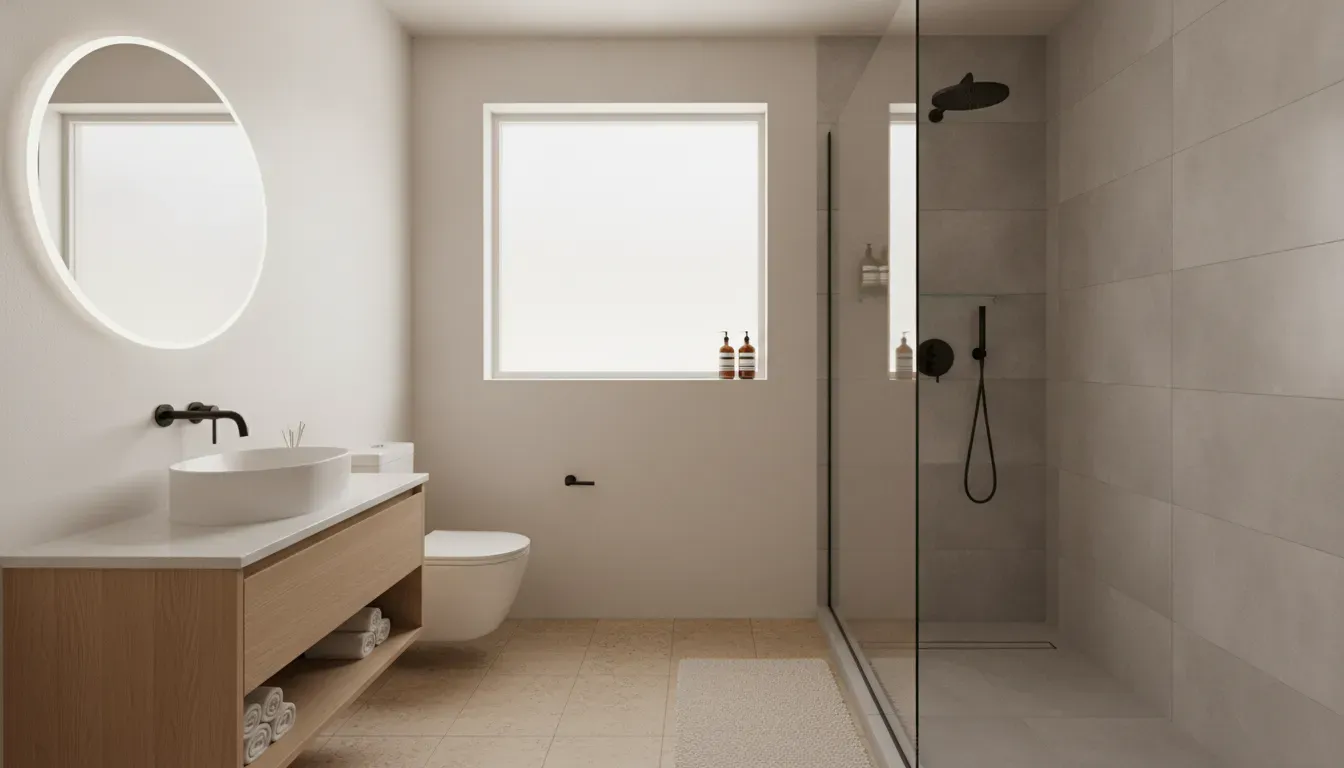
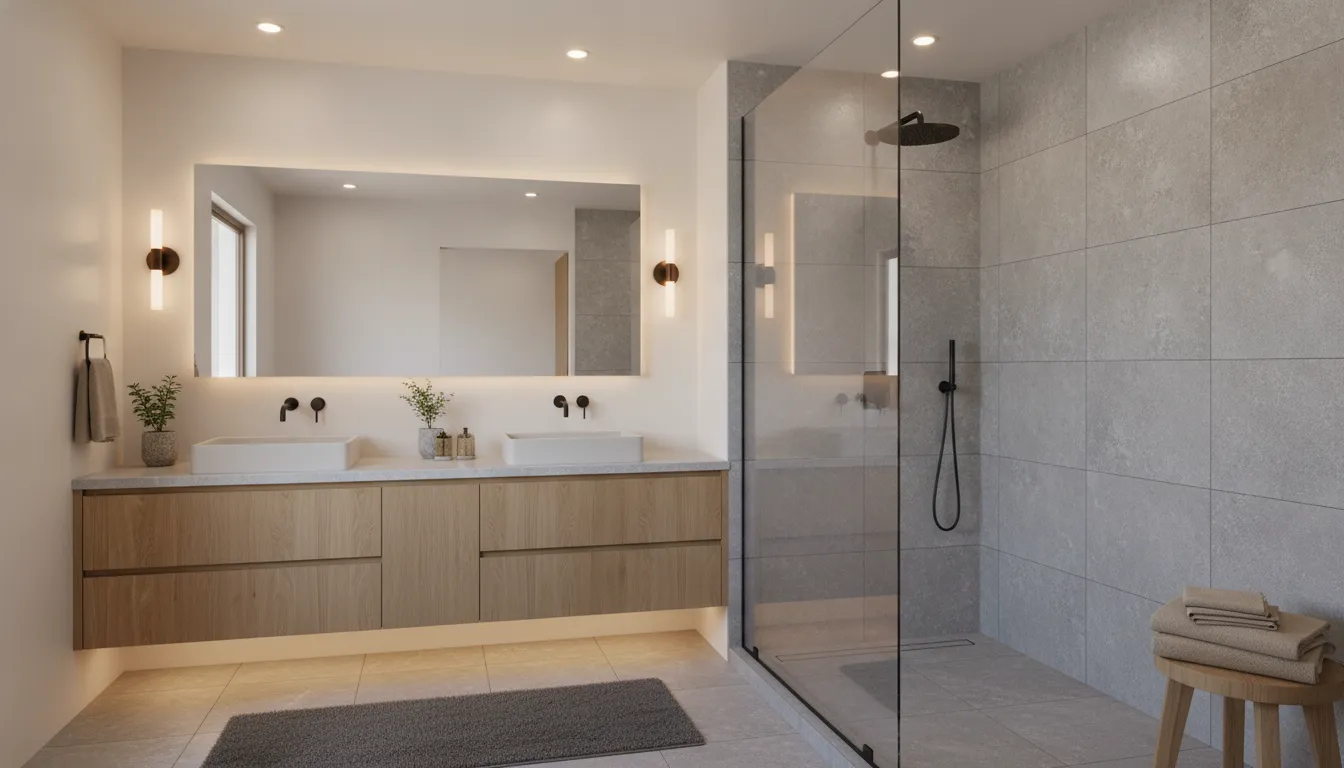
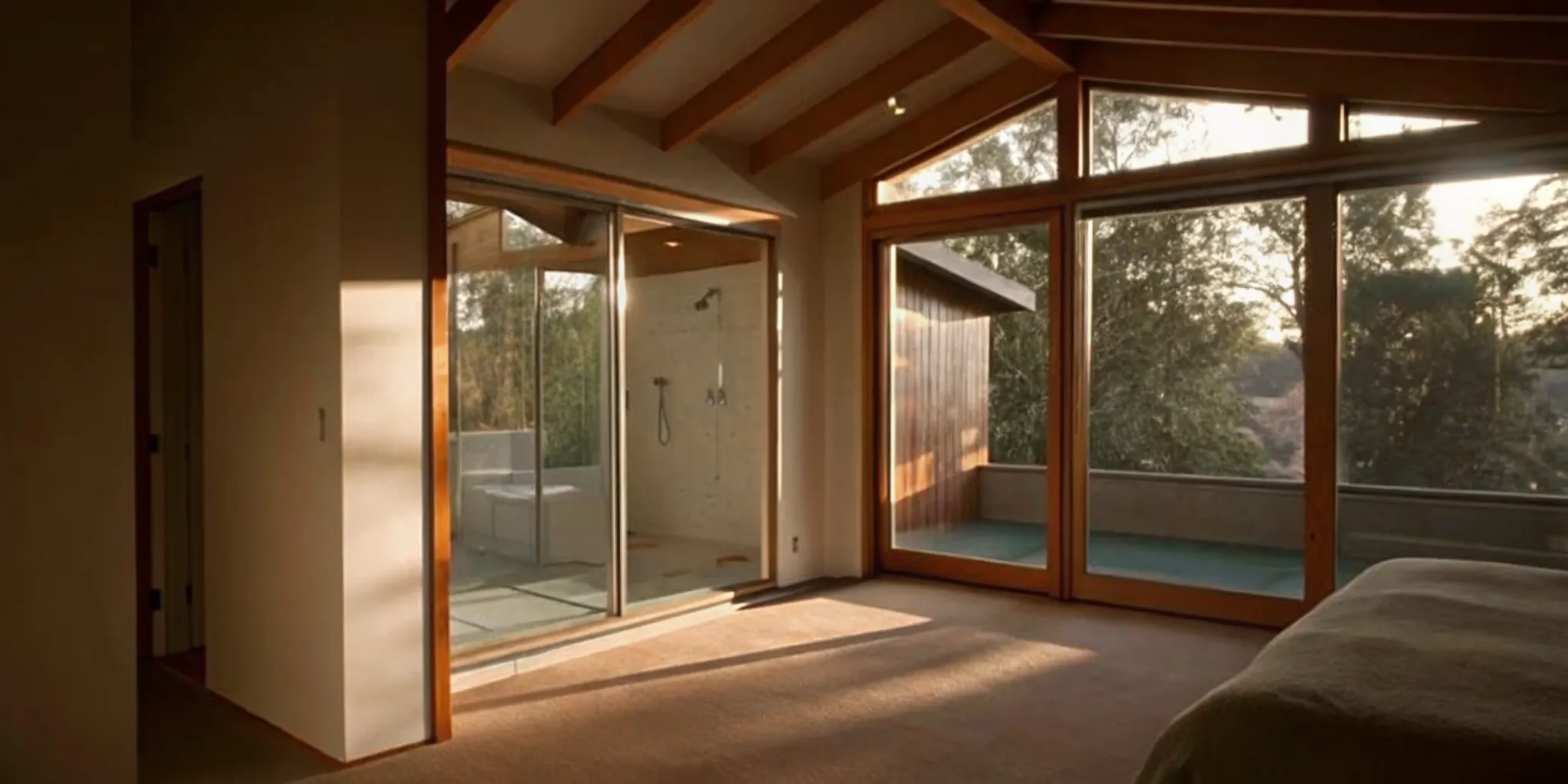
Bathrooms can deliver meaningful value, but the return depends on whether you are improving an existing room or creating new square footage. A remodel usually refreshes the current footprint with better fixtures, finishes, storage, lighting, or accessibility. An addition involves structural work, plumbing, permits, and the cost of expanding the home. So its financial return is typically lower even when it solves a real space problem.
Remodeling an Existing Bathroom Usually Recoups More
For a conventional bathroom renovation, published estimates commonly place the return around 60% to 70% of project cost. Zillow's midrange benchmark is more specific: a bathroom remodel costing $26,138 was associated with $20,915 in resale value, or about 80% recouped. These figures are not guarantees for every property. Local labor rates, the condition of the existing room, the quality of the installation, and the expectations of nearby homes all influence the result.

The strongest bathroom projects tend to improve daily function without overspending on highly personal features. A durable shower, practical storage, effective ventilation, water-efficient fixtures, and a clean, cohesive finish can make the room more appealing to both homeowners and prospective buyers. The bathroom remodel costs by size can also help you compare the scope of a refresh before selecting finishes or moving walls.
Bathroom Additions Solve Space Constraints
Adding a bathroom can be worthwhile when a growing household lacks capacity. A primary suite needs a private bath, or an otherwise functional floor plan has a clear gap. However, bathroom additions generally return about 50% to 60% of their cost, because new square footage carries a larger construction bill. The project may still create substantial lifestyle value, especially when it improves the home's layout and matches neighborhood demand. The National Association of Realtors' Remodeling Impact report identifies bathrooms as projects associated with strong homeowner satisfaction and buyer appeal.
For a sound home renovation ROI decision, compare both resale value and the benefit you will receive while living in the home. Keep the design proportional to the property, confirm plumbing and permit requirements early, and separate essential scope from upgrades that are mainly personal preference. A well-planned remodel may offer the better financial return, while an addition can be the right choice when additional function is the primary goal.
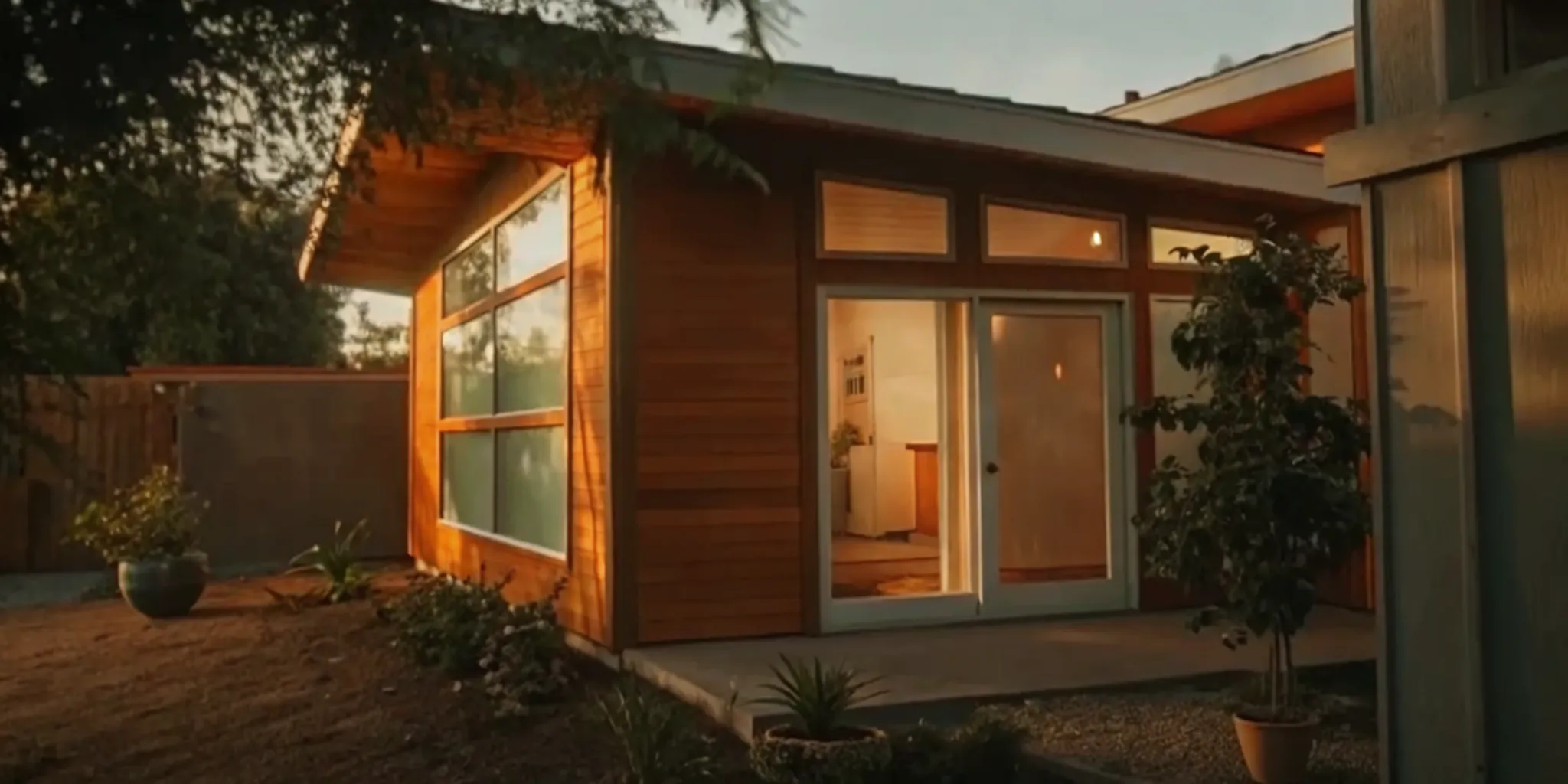
ADU ROI in California and Washington: An Equity Play
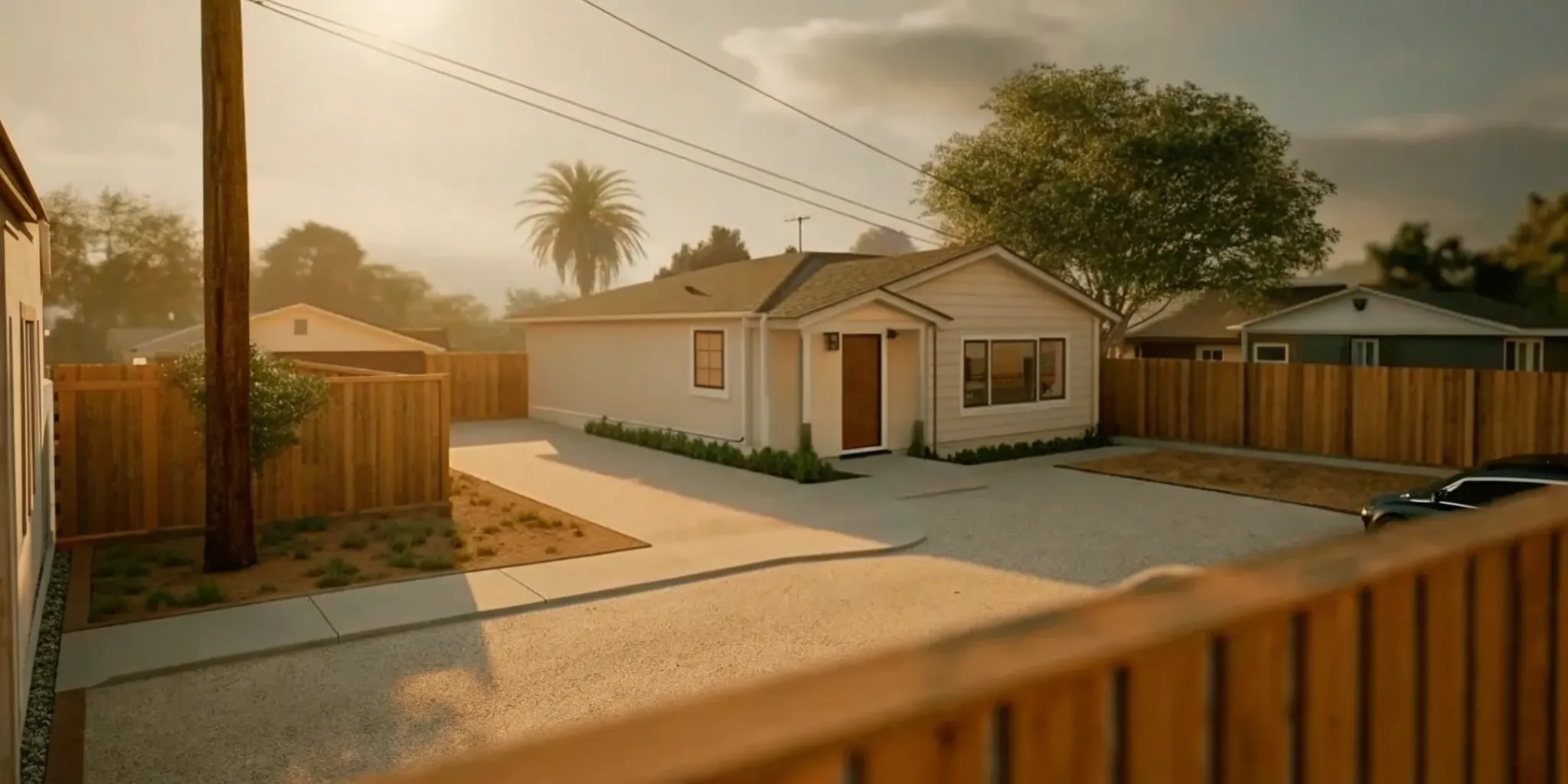
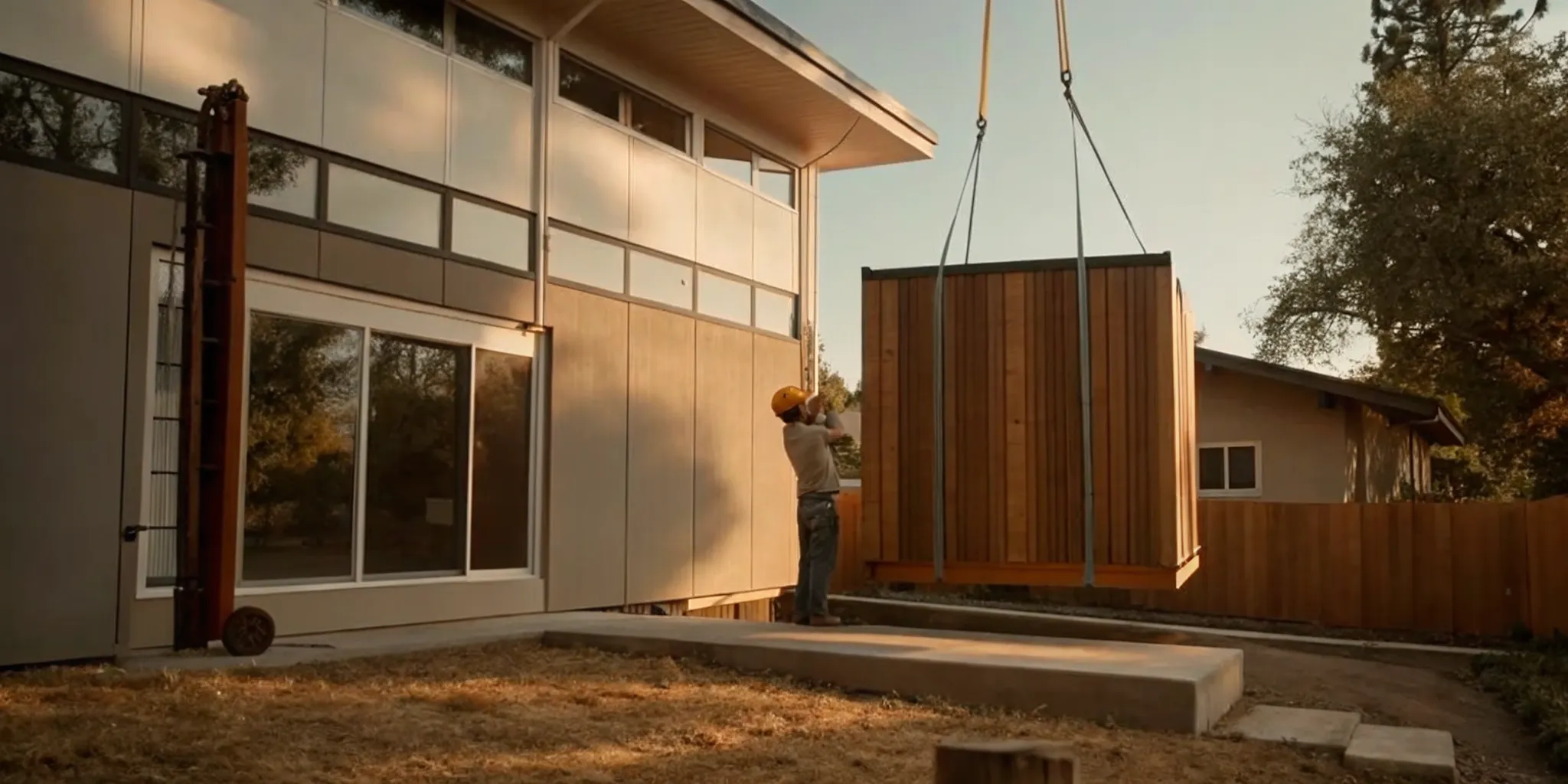
An accessory dwelling unit can expand a home's financial potential in two ways: it adds finished, rentable floor area and may increase resale appeal. That makes ADU ROI different from a cosmetic upgrade. The return can include future rental income, added flexibility for family or guests, and a stronger position when the property is sold. In California and Washington, the opportunity is especially relevant in high-cost metros such as Los Angeles. San Diego, the San Francisco Bay Area, Sacramento, and Greater Seattle, where well-located housing remains in demand.
Why ADU returns vary by market and project
ADUs can return roughly 50% to 75% of their cost, depending on the market and the project itself. That range is a planning benchmark, not a guarantee. The economics depend on the completed unit's construction cost, achievable rent, financing, local demand, and the amount of value buyers place on additional living space. A compact, well-designed unit may perform differently from a larger structure with extensive site work, premium finishes, or challenging access.
Permitting and site conditions are often the largest sources of cost variance. Utility connections, grading, foundation work, setbacks, fire-safety requirements, and the location of the unit can all affect the budget before construction begins. Design choices matter as well. An efficient floor plan, durable materials, natural light, and a private entrance can make the space more useful without adding features that do little to improve its rental or resale potential.
For homeowners in Greater Seattle, Realm Living's guide to the cost to build an ADU in Seattle provides a market-specific starting point for evaluating expenses. The decision between an attached and detached layout also changes construction complexity, privacy, and future use. Reviewing the tradeoffs in an attached vs detached ADU can help clarify which approach fits the property.
Realm Living helps homeowners evaluate an ADU as part of the broader home renovation ROI picture, rather than treating a projected rent figure as the whole answer. Its renovation advisors can help compare designs, scope, and contractor bids against the home's location and intended use. The strongest project is not necessarily the largest one. It is the ADU that fits the site, serves a clear purpose, and creates value without allowing complexity to overwhelm the return.
Energy-Efficient Upgrades That Pay Off Twice
Energy improvements can strengthen your home renovation ROI in two ways: they may reduce monthly utility costs while also making the property more appealing to future buyers. That combination is especially relevant in California and Washington, where homeowners often weigh energy use, comfort, and climate priorities alongside resale value. The best project is not necessarily the one with the most impressive projected percentage. It is the upgrade that solves a real problem, fits the home, and delivers benefits you can enjoy for years.
Start with the systems your home already needs
Replacement projects are often where practical maintenance and efficiency overlap. Roofing, windows, and HVAC alone accounted for 49% of aggregate remodeling expenditures in 2023, according to the Harvard Joint Center for Housing Studies. If one of these systems is aging, replacing it can be more strategic than adding a purely cosmetic feature. Better windows can improve comfort near drafty rooms, insulation can help stabilize indoor temperatures, and efficient HVAC equipment can reduce the strain of heating and cooling the home.
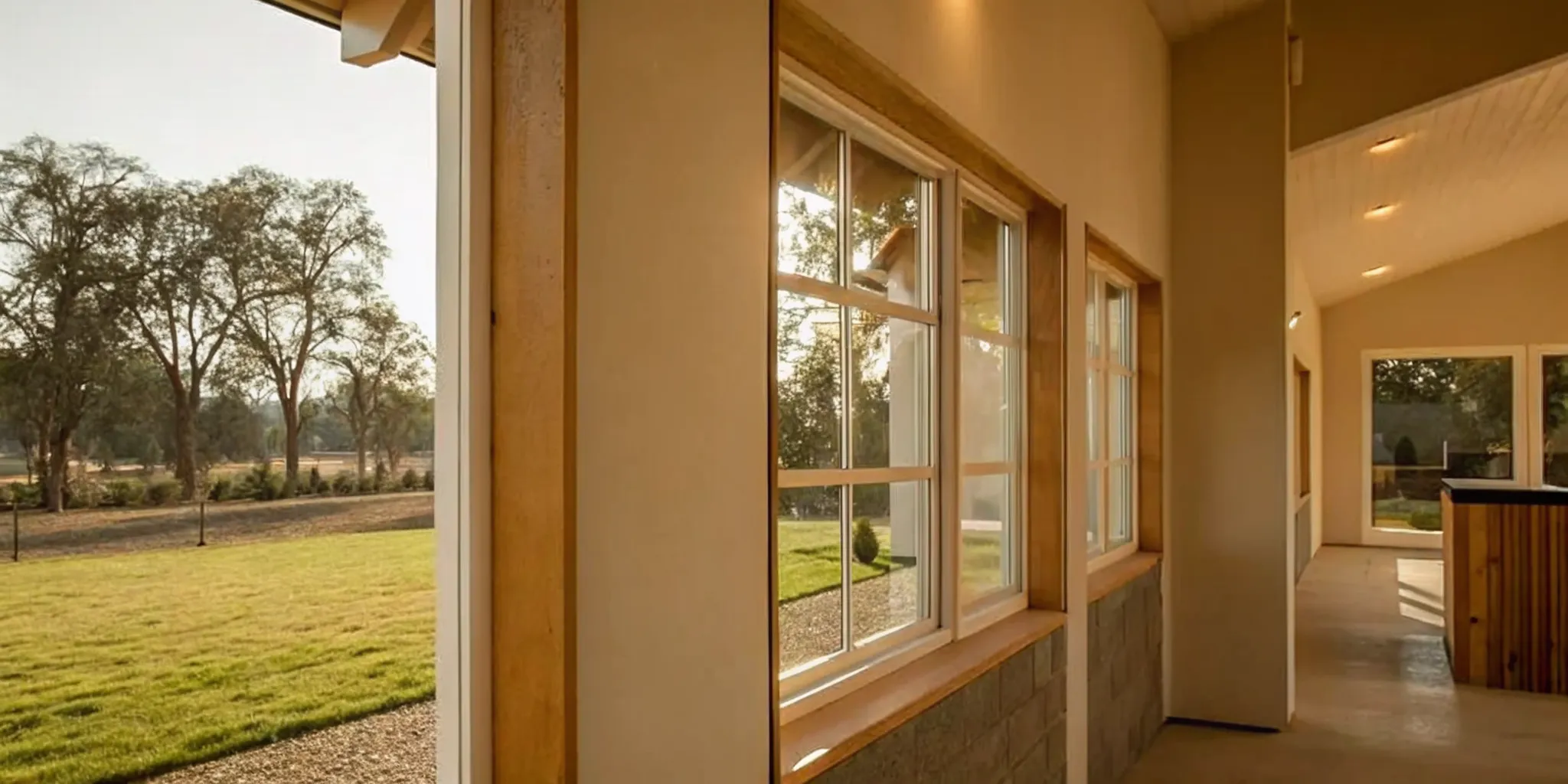
Window replacement offers a useful example of the two-sided return. Published estimates range from 67% in the 2024 Cost vs. Value data summarized by Westshore Home to approximately 75% to 80% from American National Bank of Texas. These figures are national or broad-market reference points, not a promise for every California or Washington property. Your actual result depends on window condition, climate, installation quality, materials, and the value buyers place on efficiency in your neighborhood.
Match the upgrade to your home's energy plan
Consider the whole system before choosing a product. Sealing air leaks and improving insulation may make a new heat-pump HVAC system perform better. Solar may be more compelling after you understand roof condition, household usage, and available incentives. Before committing, check current utility rebates, state or local programs, and eligibility requirements. Incentives can change, so confirm them with the relevant utility or government source and include only verified savings in your project budget.
Energy upgrades also benefit from careful sequencing and installation. A qualified renovation team can coordinate roofing, insulation, electrical work, windows, and HVAC rather than treating each decision in isolation. For planning ideas that balance practical improvements with resale appeal, see these high-ROI spring renovations. The goal is a comfortable, efficient home now, with improvements that remain understandable and valuable when you eventually sell.
How to Calculate Home Renovation ROI Before You Start
A reliable home renovation ROI estimate starts with your own project scope, local market, and timeline. The calculation is straightforward, but the inputs need to reflect what you will actually spend and what buyers or renters are likely to value.
Use this five-step ROI workflow
- Estimate the full project cost. Add labor, materials, design work, permits, inspections, and a contingency for unexpected conditions. A detailed home renovation cost breakdown can help you avoid comparing a contractor's base estimate with a resale figure that excludes essential costs.
- Estimate the added value. Review comparable homes in your neighborhood and current cost-versus-value data for a similar project. Stay realistic about your market. A high-end finish may improve livability without returning its full cost if nearby homes sell at a lower ceiling.
- Calculate the percentage. Subtract the project cost from the estimated added value, divide the result by the project cost, and multiply by 100. For example, a $20,000 bathroom update that adds $15,000 in value produces ($15,000 / $20,000) x 100, or a 75% ROI. This example follows the calculation described by My First Option.
- Add holding-period benefits. Resale value is only one part of the decision. For an ADU, account for potential rental income over the time you expect to own the property. For energy upgrades, include projected utility savings, while keeping assumptions conservative and tied to your home's usage.
- Compare the result with your neighborhood ceiling. Decide whether the financial return, functional improvement, and ownership timeline justify the investment. If the projected value exceeds nearby comparable homes, revise the scope before signing a contract.
Professional input can make the estimate more dependable, especially for additions, ADUs, structural changes, and systems work. The Oregon State University Extension notes that professional contractors can provide expertise in building codes, permits, and quality craftsmanship for complex renovations. In addition, professionally installed improvements represented 84.1% of homeowner improvement spending in 2023, according to Harvard's Joint Center for Housing Studies.
Realm Living combines dedicated advisors with a proprietary renovation database built from bid-level project data. That gives homeowners a more accurate local starting point for costs and potential ROI than a national average alone, while helping them compare contractor bids and make a scope decision with greater confidence.
Frequently Asked Questions
Which renovation projects usually deliver the strongest returns?
For California and Washington homeowners, minor-to-midrange kitchen updates, bathroom improvements, ADUs, and energy upgrades are practical places to compare value. Returns vary by neighborhood, project scope, current condition, and buyer expectations. A project that improves a home's function without over-customizing it is usually easier to justify than a luxury finish with limited appeal.
Do kitchen and bathroom remodels have a high return on investment?
They can, especially when the scope matches the home's market and the surrounding properties. Published estimates place minor kitchen remodel recovery around 60% to 80%, while a midrange bathroom remodel is reported at about 80% cost recoupment in Zillow's analysis: Zillow's home improvement research. Larger, highly customized remodels may recover a smaller share of their cost.
How do I calculate renovation ROI before starting?
Use this formula: (estimated added resale value minus project cost) divided by project cost, multiplied by 100. For example, a $20,000 project that adds $15,000 in value has a 75% ROI. Compare that estimate with the project's comfort, maintenance, and timing benefits, since resale value is only one part of the decision.
Are luxury renovations worth the investment?
They can be worthwhile when they solve a real need or fit the expectations of comparable homes, but they are not automatically the best value. Upscale materials, unusual layouts, and highly personal features can narrow buyer appeal and make it harder to recover the full cost. Start with local sale prices and a realistic budget before committing to premium upgrades.
"Ready to Maximize Your Home Renovation ROI?
Every project starts with a clear plan, a realistic budget, and the right team. Realm Living matches California and Washington homeowners with dedicated renovation advisors and pre-vetted contractors, using bid-level data to compare costs and set expectations before work begins.
Get started with a project conversation and start planning your renovation with Realm Living.
"