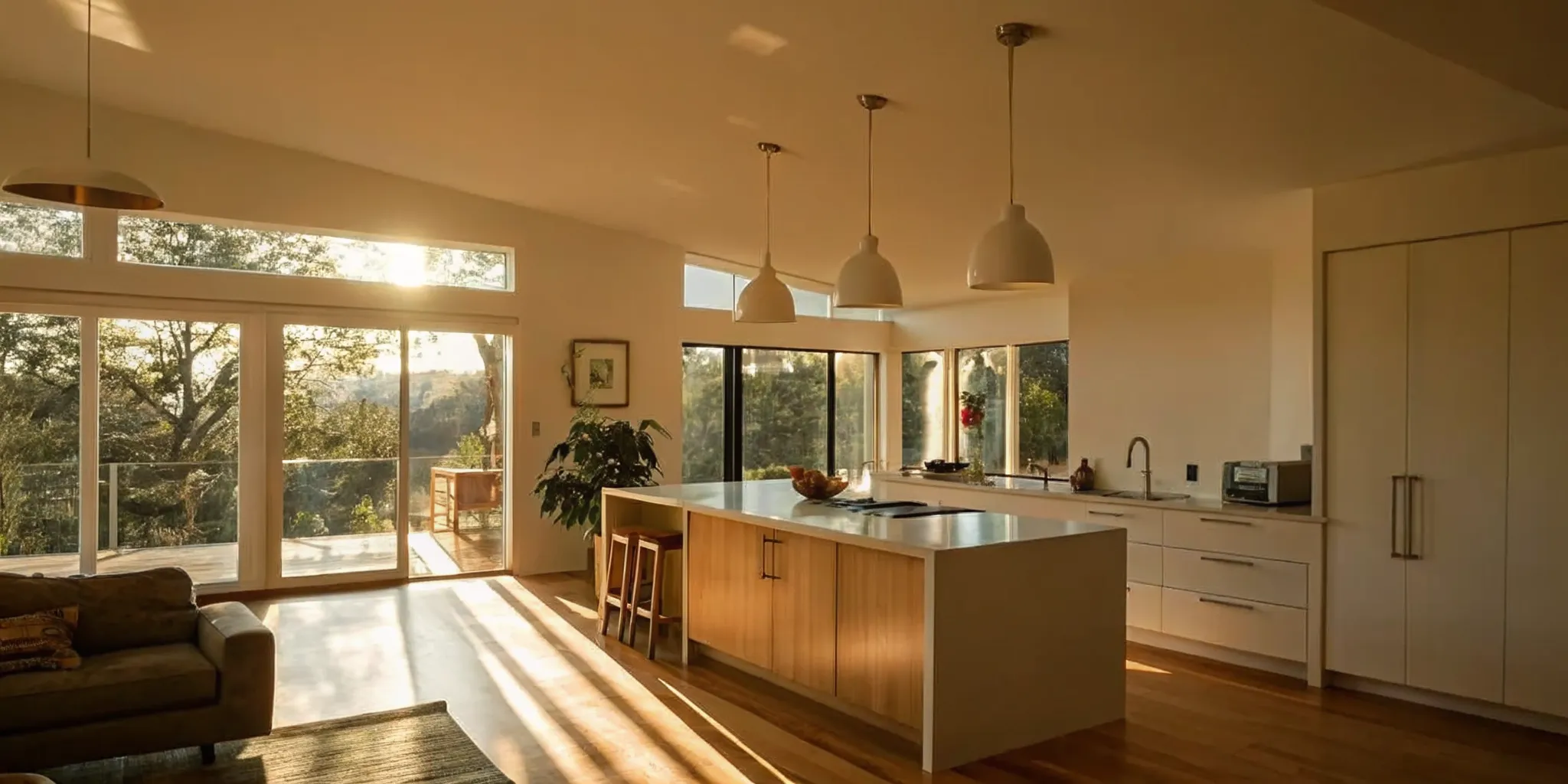
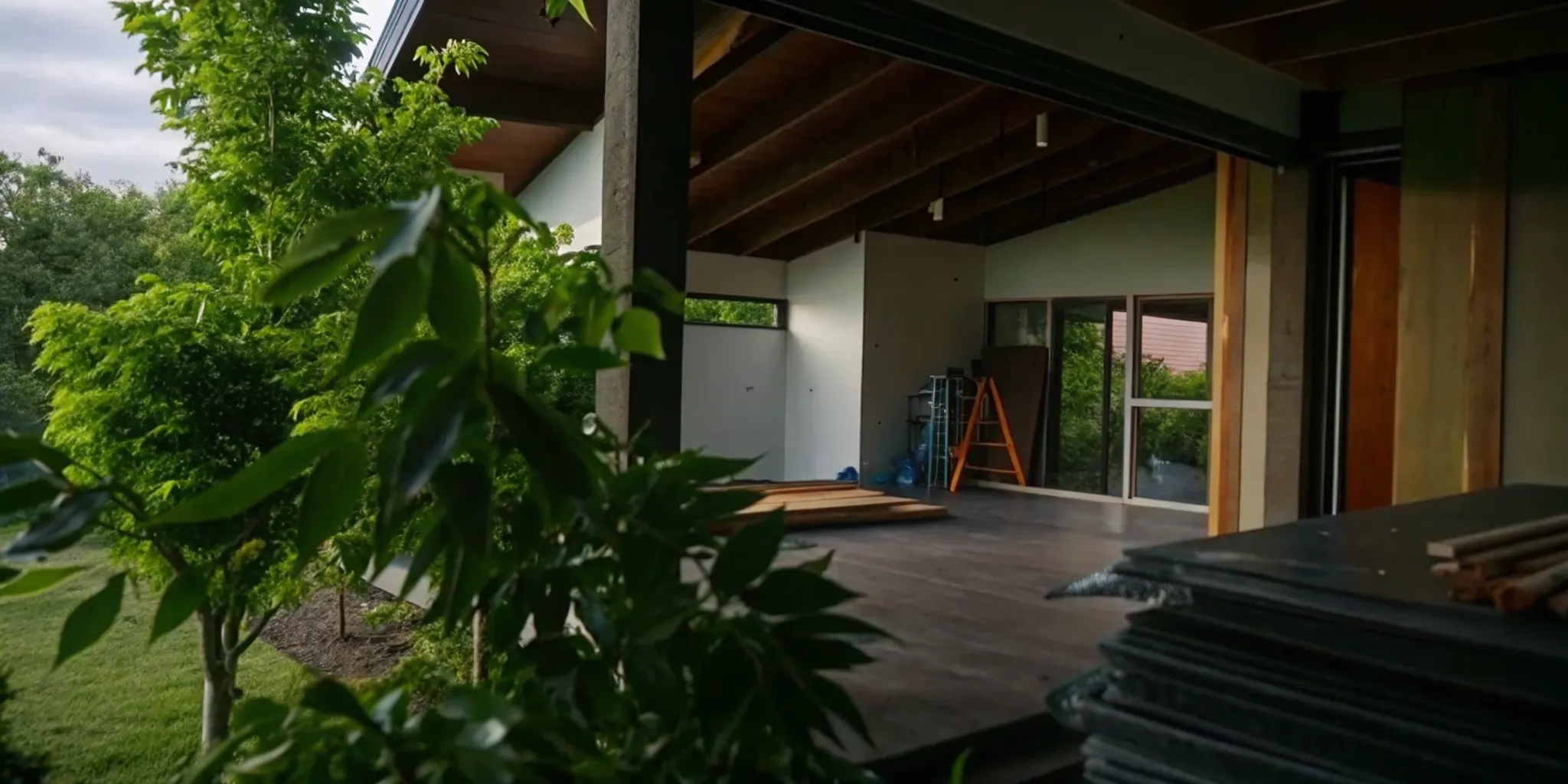
Rebuild vs Renovate: How to Choose the Right Path
Start comparing rebuild vs renovate options across cost, timeline, ROI, permits, and structural condition to see which path suits your home and goals.
|
August 20, 2026
In this article:
When a home no longer fits your life, the biggest decision is often not which finishes to choose, but whether the existing structure is worth keeping. The right path depends on the home's condition, the scale of your goals, your budget, and the constraints of the property.
In most cases, rebuild vs renovate is a question of scope and structural value. Renovation is usually the more practical choice when the foundation and framing are sound and you can work within the existing footprint. Rebuilding may make more sense when major structural problems, an inefficient layout, or extensive changes would make renovation nearly as disruptive and costly as starting over. Renovating can also preserve character and reduce demolition waste, while rebuilding offers a clean slate for a modern floor plan and energy efficiency.
Before comparing estimates, it helps to define what each option actually involves and which parts of your home would be preserved, replaced, or redesigned.
Talk through your rebuild or renovation plans with a Realm Living advisor
What "Rebuild vs Renovate" Really Means
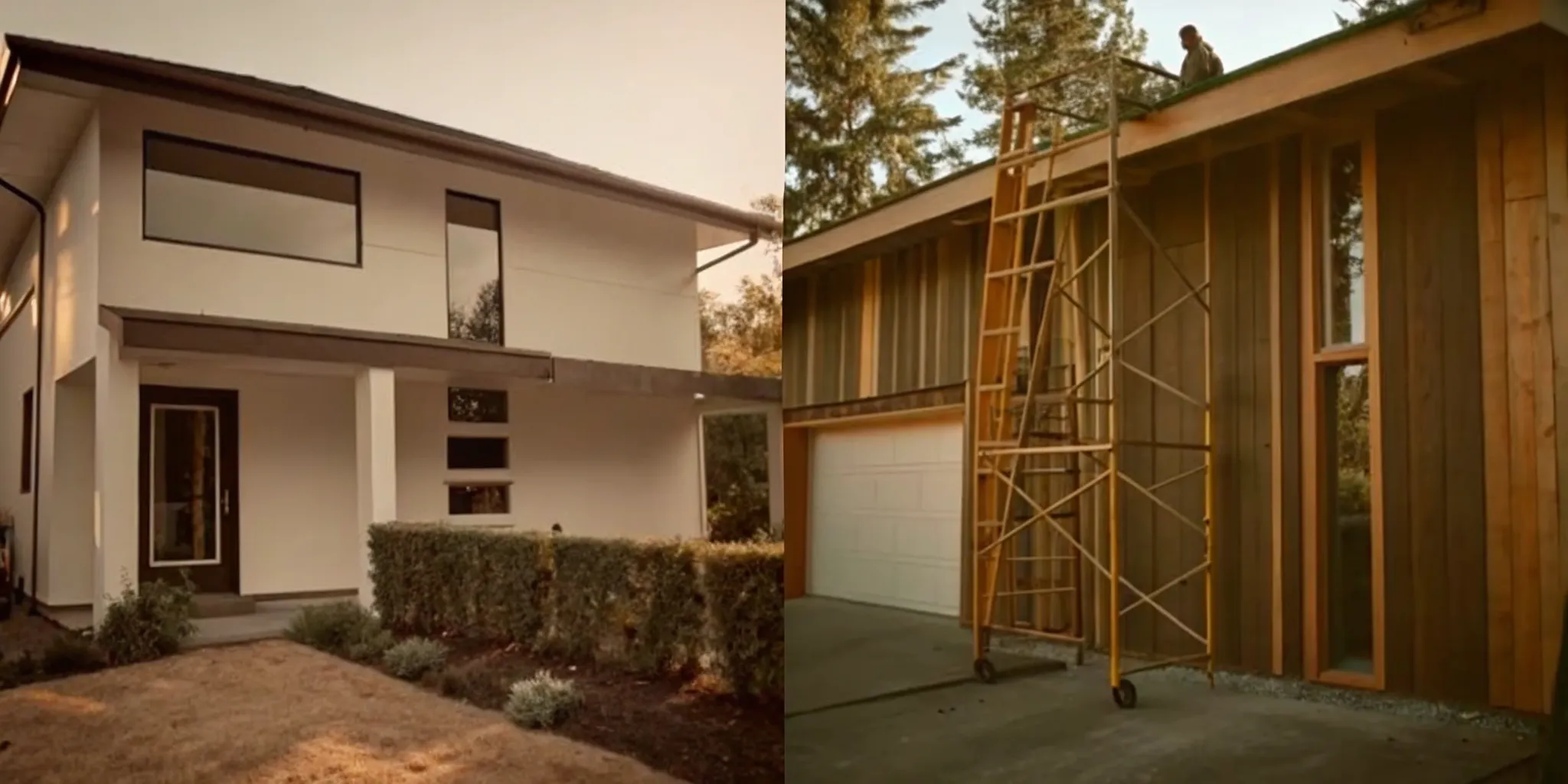
The choice is not simply between a small update and a brand-new house. It is a decision about how much of the existing home can continue serving your goals. Renovating works with the structure already on the lot, while rebuilding removes the existing structure and creates a new one in its place. Understanding that difference early can keep a project focused and prevent a design plan from quietly turning into a much larger undertaking.
Renovation works with the existing shell
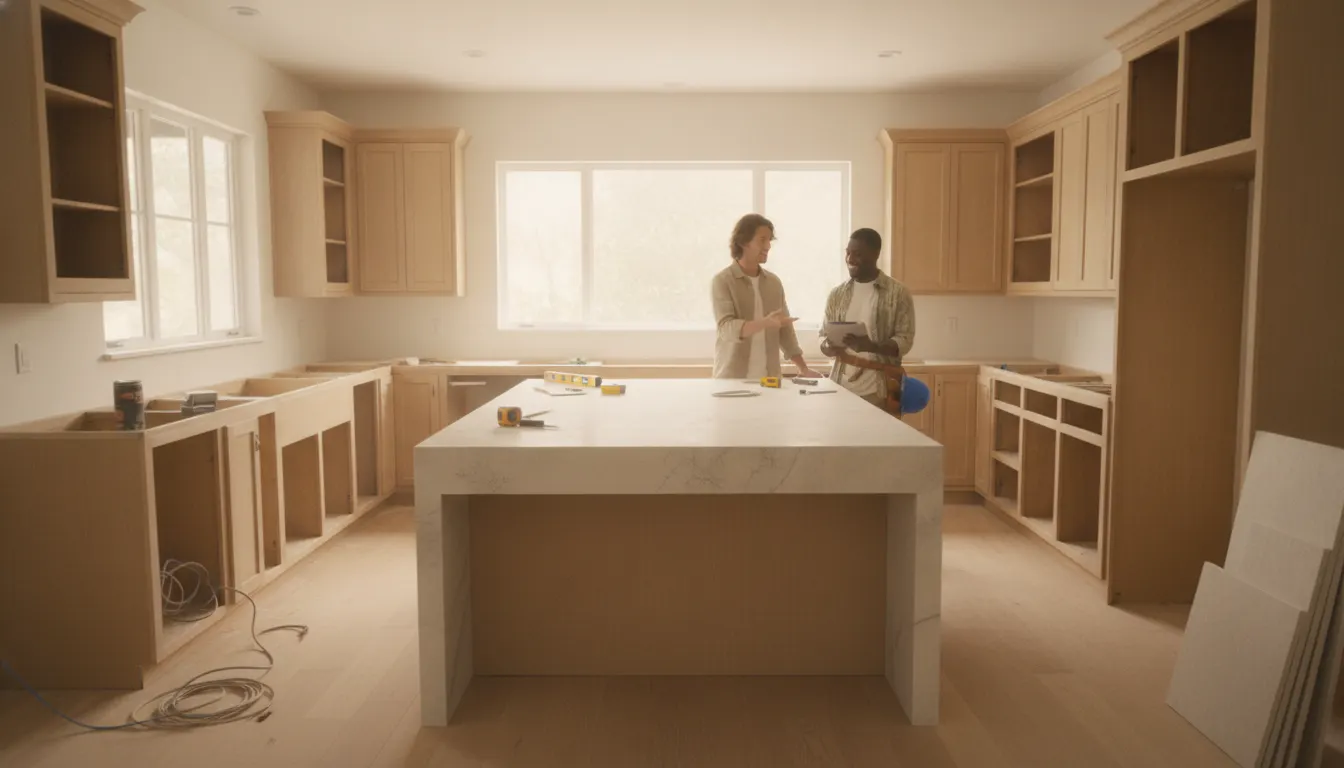
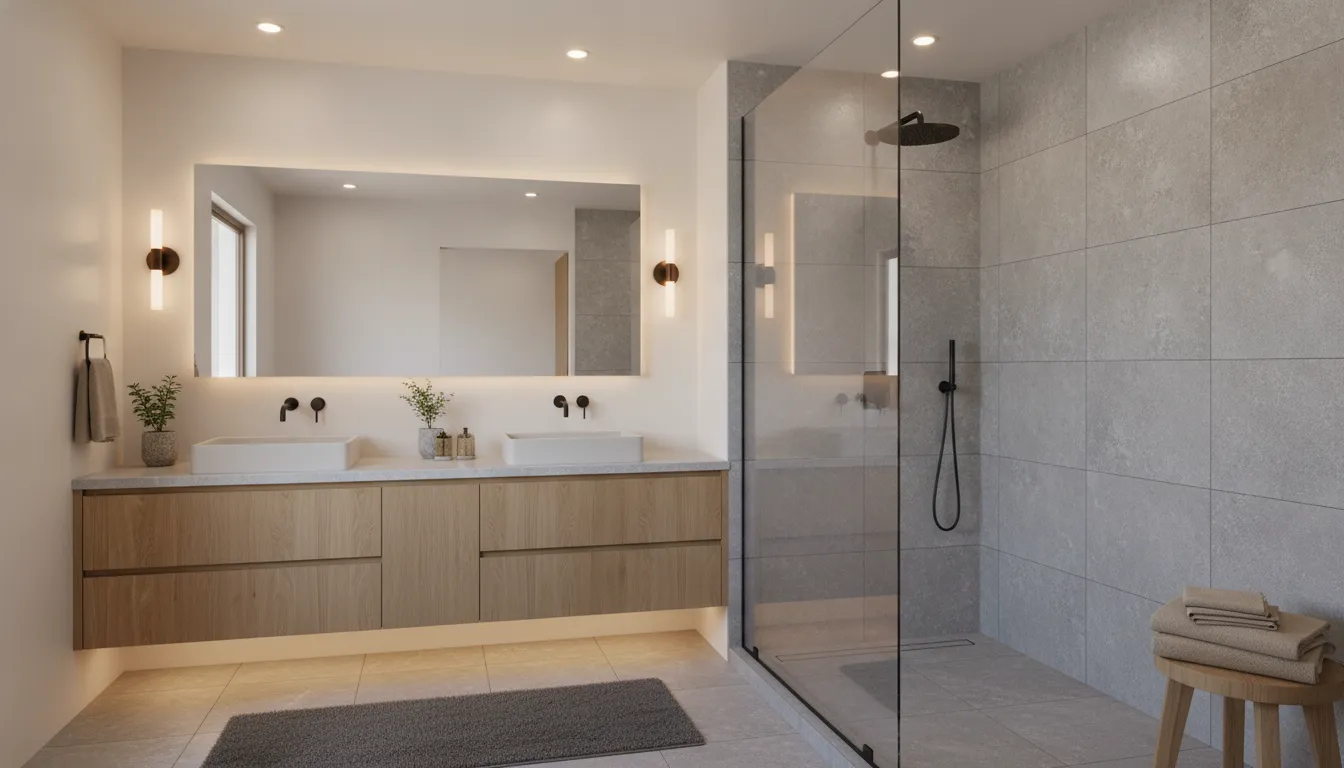
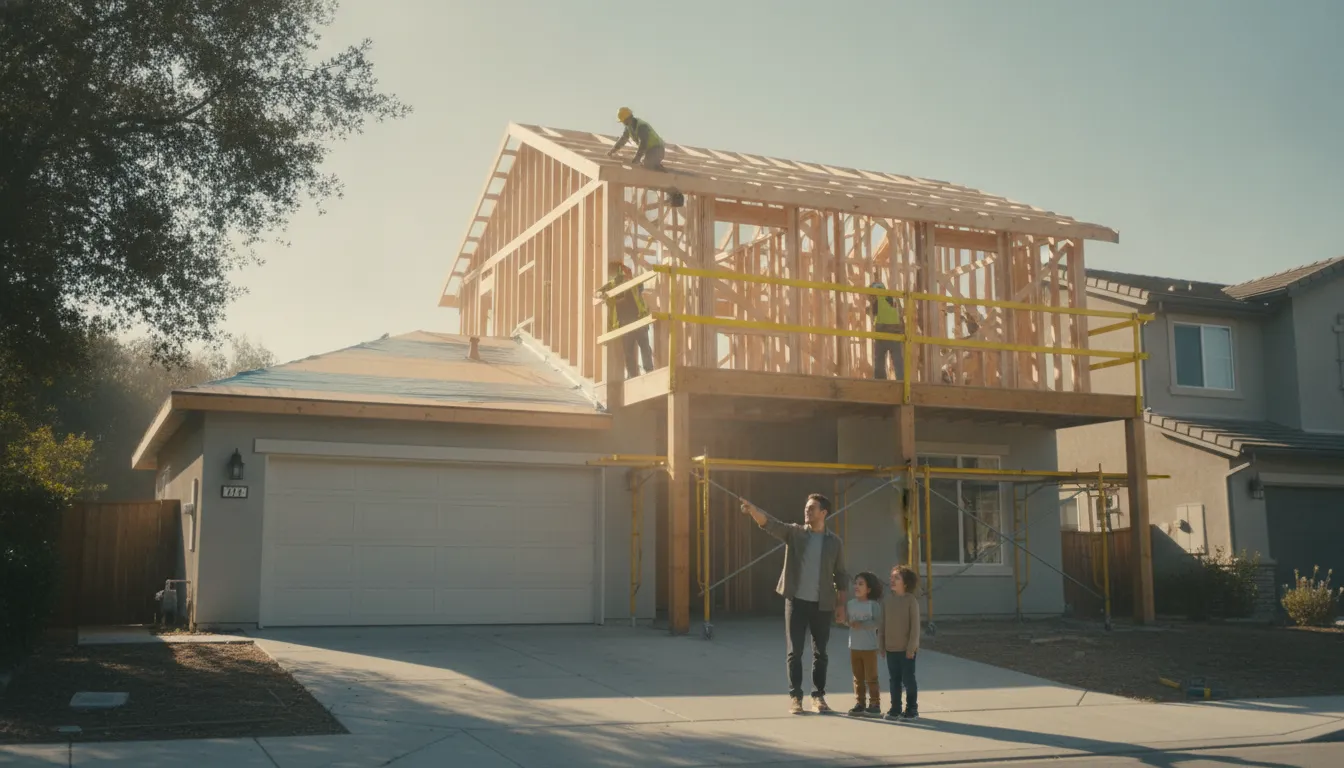
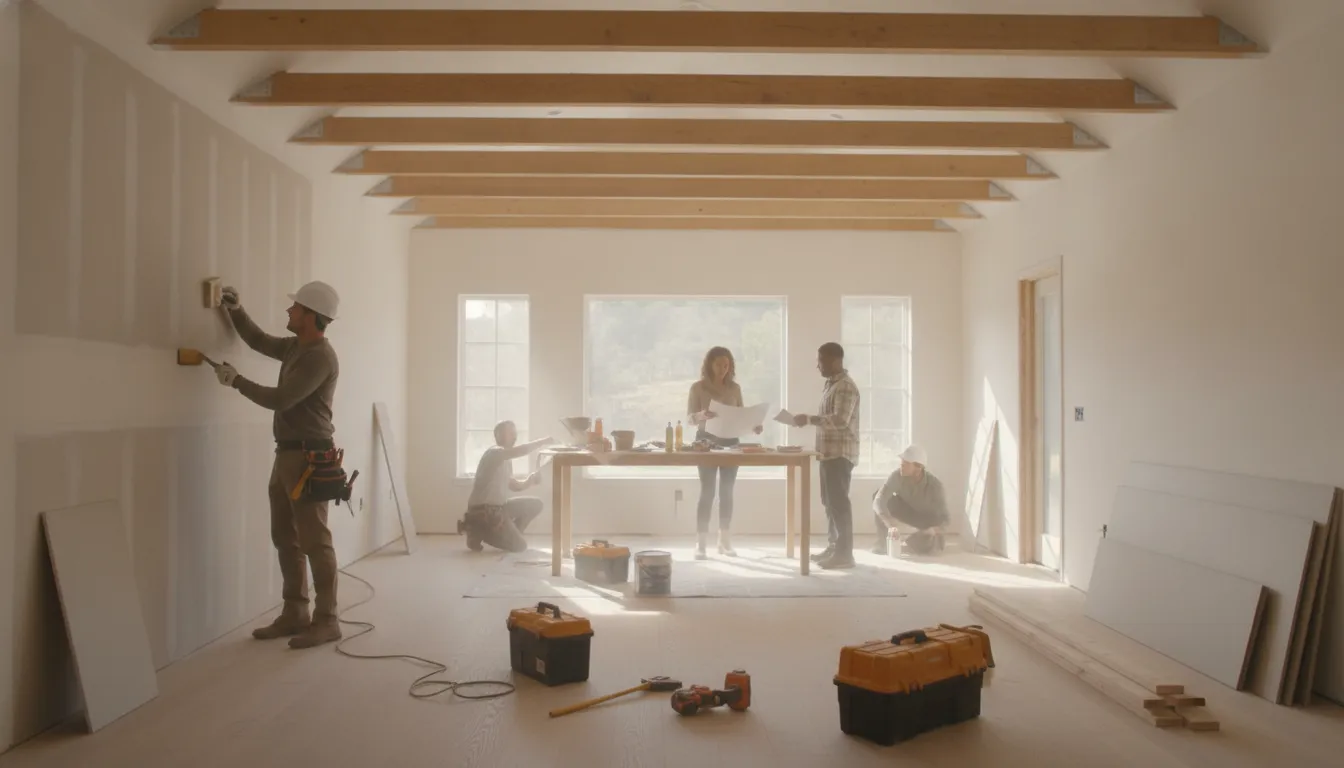
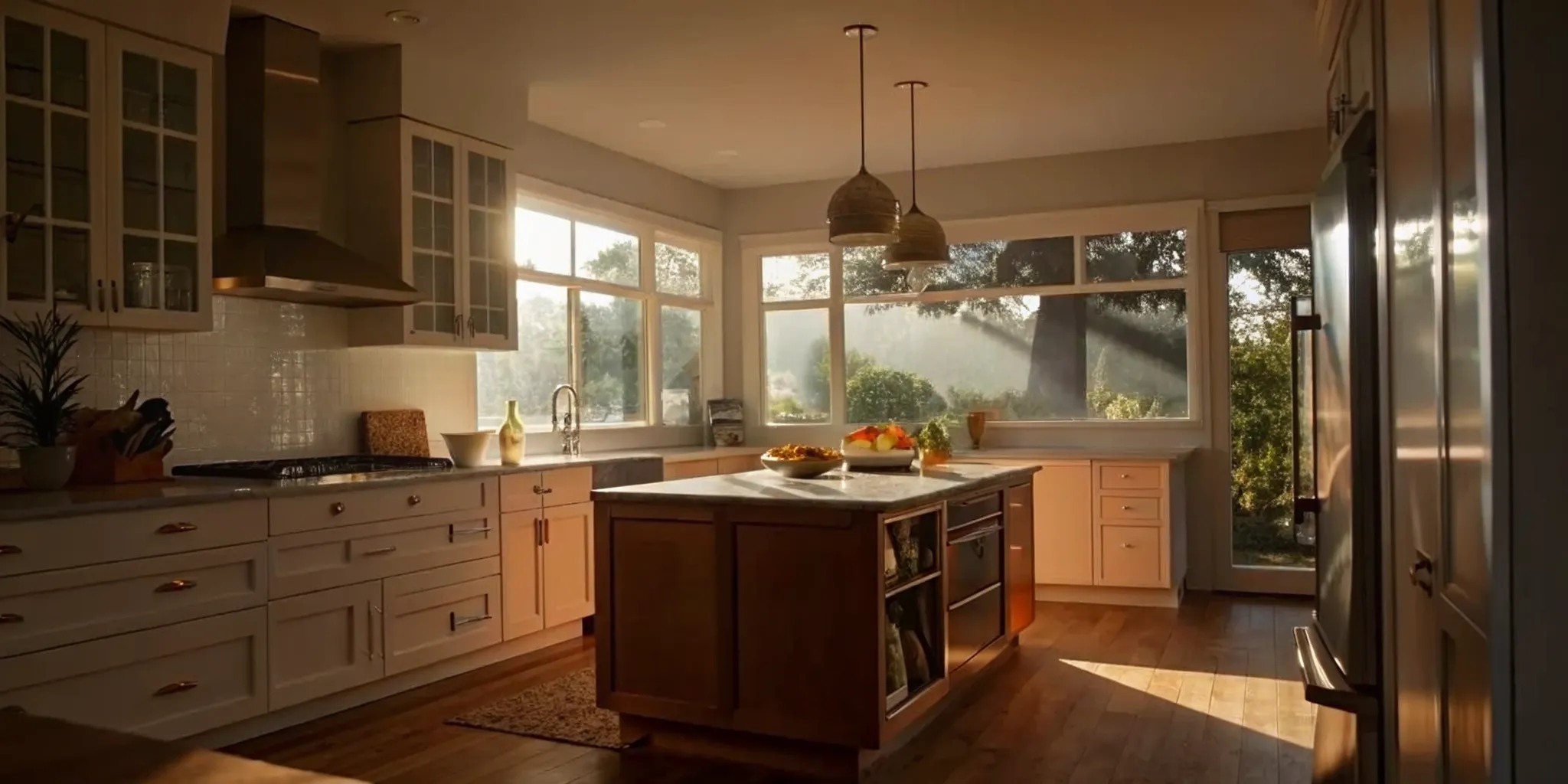
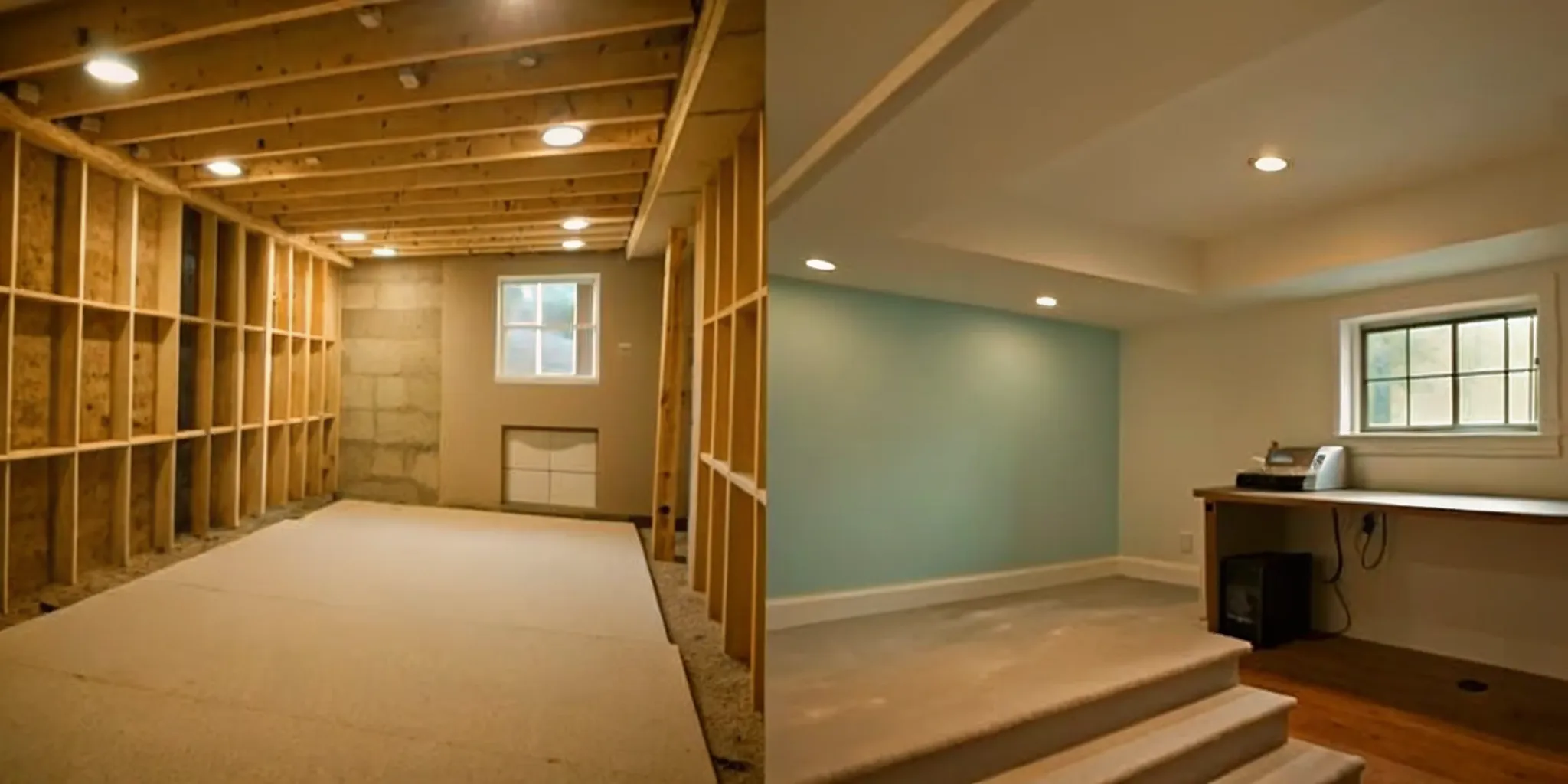
A renovation upgrades some or all of the home while retaining its fundamental structure. The work may include new flooring, cabinets, lighting, finishes, windows, or mechanical systems. It can also reach deeper, with changes to walls, layouts, plumbing, electrical systems, or other structural elements, as long as the existing shell and foundation remain viable.
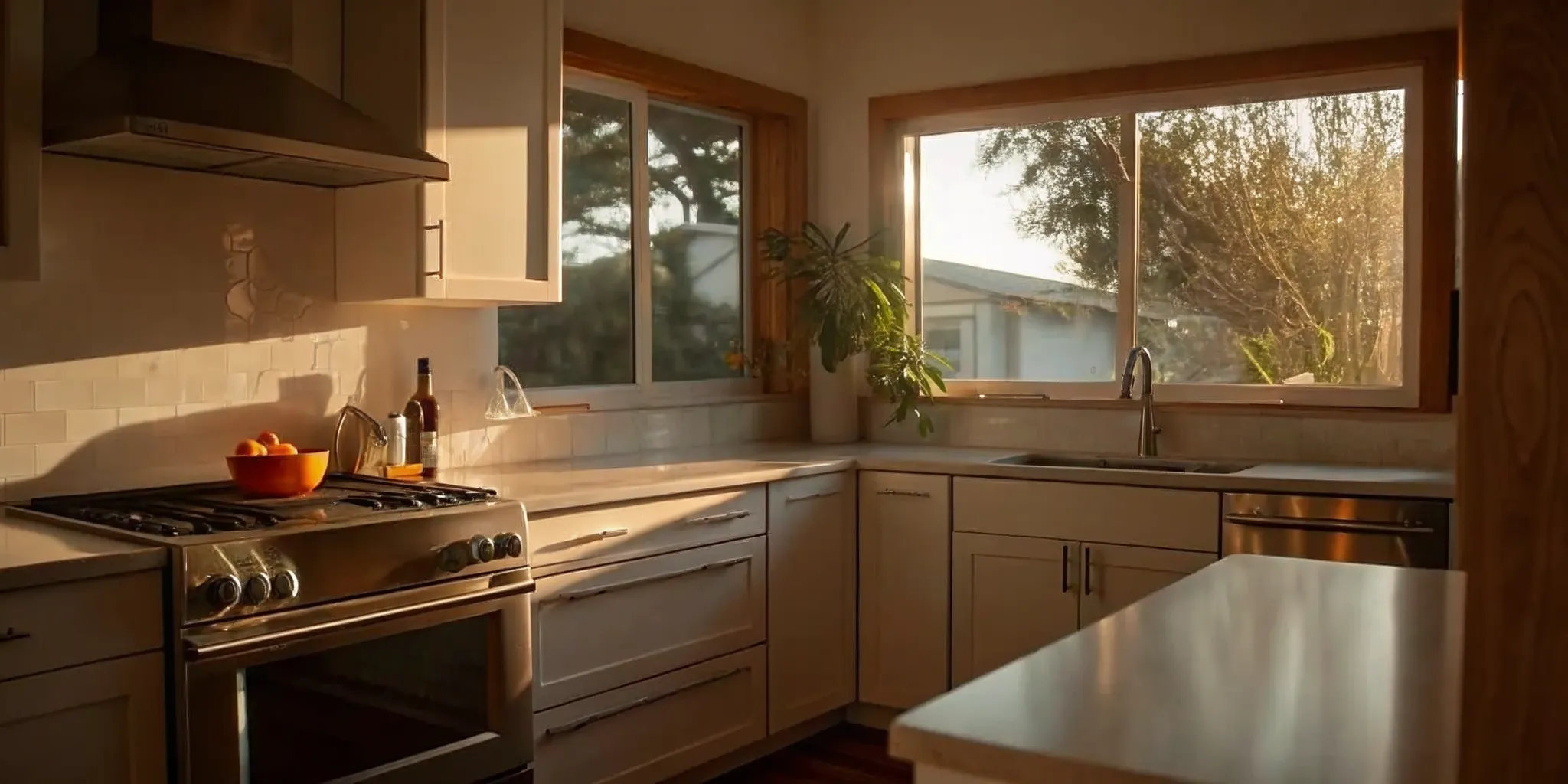
That range is why renovation can describe very different projects. A kitchen remodel may modernize one important part of the home, while a whole-home remodel can coordinate updates across nearly every room. In both cases, the goal is to improve the existing property rather than replace it outright. Renovating is typically more affordable for minor updates, according to Realm Living's renovation planning guidance. While it may also make sense when the home's character, location, or basic layout is worth preserving.
Rebuilding replaces the structure
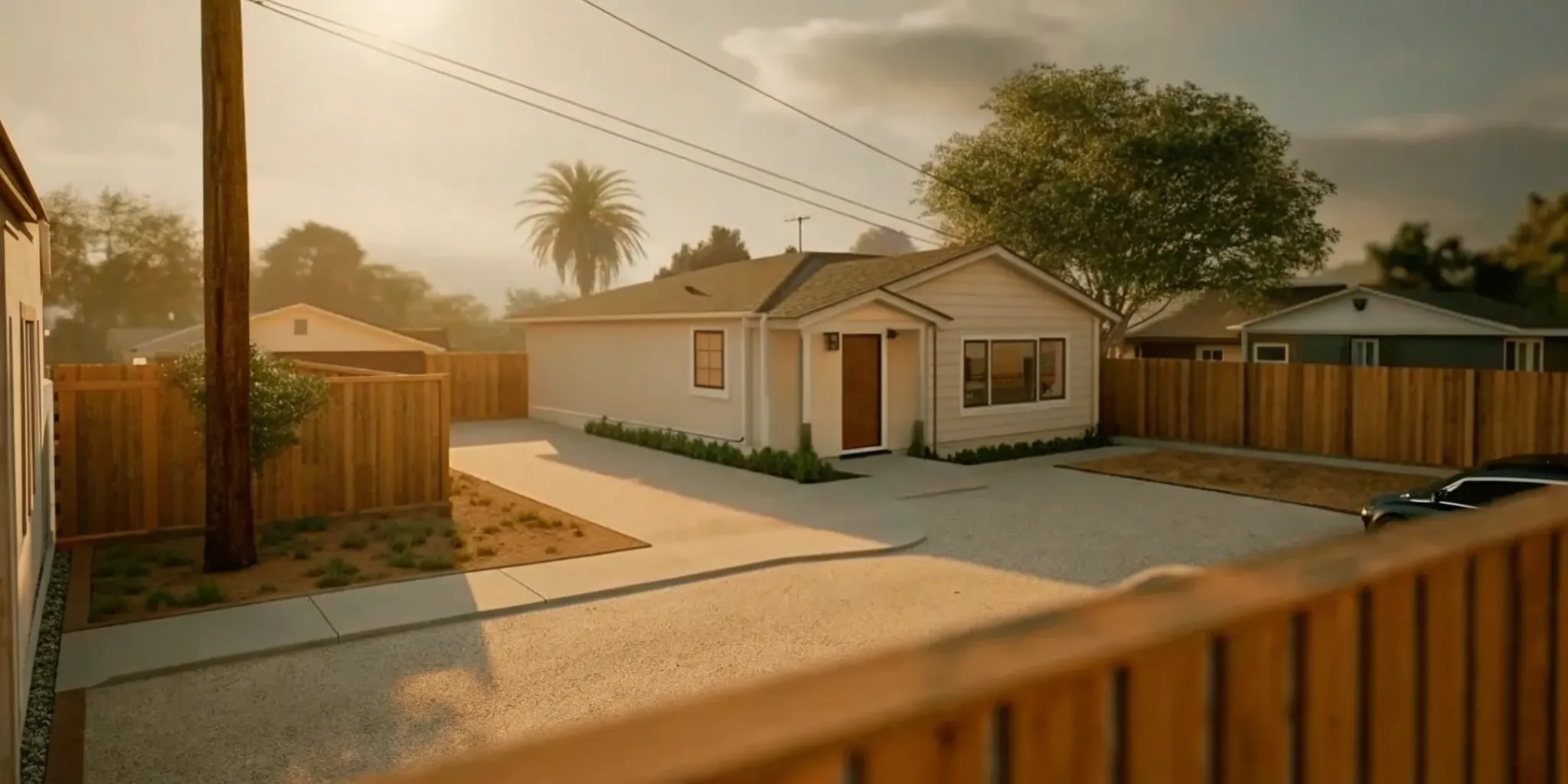
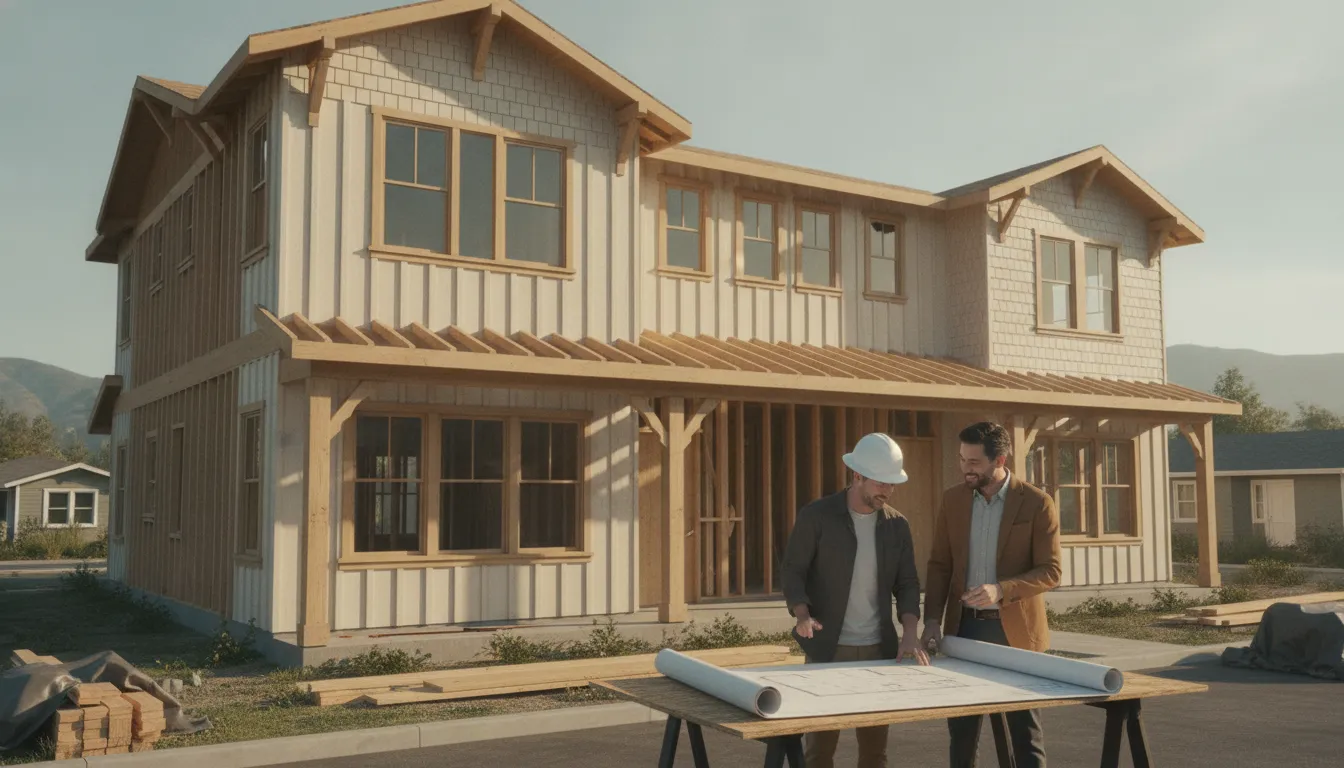
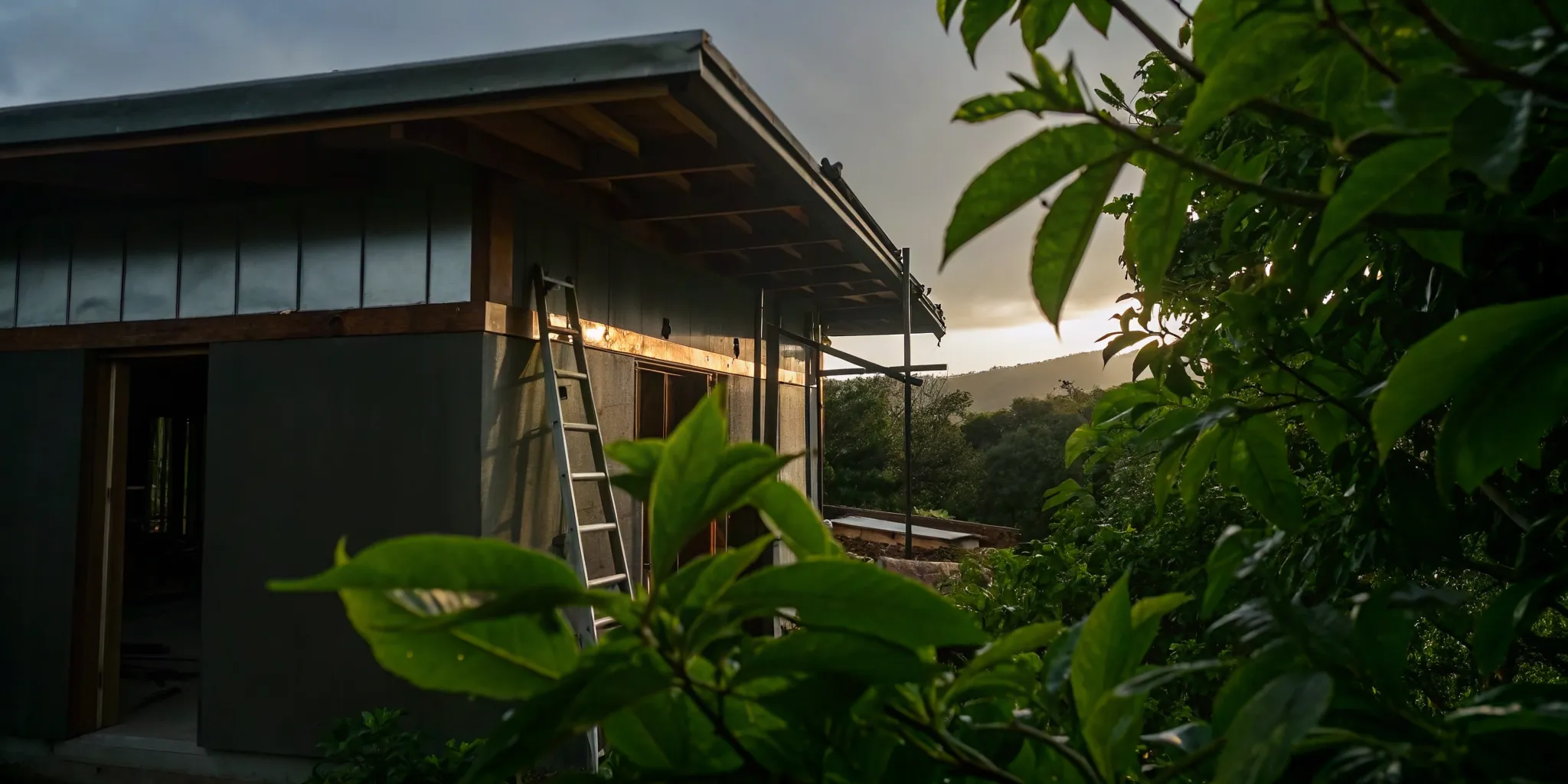
Rebuilding, sometimes called a demolish-and-rebuild project, involves taking down the existing house and constructing a new home on the same lot. The new structure can be designed around current needs, from room arrangement and ceiling heights to insulation, utilities, and energy performance. It is closer to new construction than to a conventional remodel, even though the property and location remain the same.
A rebuild may be considered when the foundation or structural system has serious problems. When the desired changes would require extensive structural work, or when the current floor plan cannot support the homeowner's priorities. Realm Living's guidance notes that rebuilding can become more cost-effective than renovating when a project requires major structural changes. Starting over can also reduce the compromises created by an older structure, although it usually brings a broader design, permitting, and construction process.
Why the distinction matters
The two paths affect more than the construction scope. They can lead to different permit requirements, timelines, budgets, waste considerations, and limits on what can be changed. Preserving an existing structure may reduce demolition waste, while a rebuild can provide a clean slate for a custom plan. Neither option is automatically better. The right answer depends on the home's condition, the intended improvements, the lot and local rules. And how closely the existing structure can be adapted to the life you want to live there.
A professional assessment should therefore begin with the foundation, framing, systems, and site constraints before anyone treats a preferred design as a final direction.
Cost Comparison: Rebuilding vs Renovating
The lower upfront price is not always the lower total cost. The right choice depends on how much of the existing home can be preserved, how extensive the structural work is, and whether the site creates additional risk. Renovating is often more affordable when the foundation, framing, and major systems are sound. Rebuilding can become more cost-effective when a project would otherwise require extensive structural changes, repeated repairs, or a near-total reconfiguration.
Compare the full project, not just the construction estimate
A renovation estimate should account for the work behind walls, not only the visible finishes. Electrical, plumbing, insulation, structural reinforcement, design, temporary housing, and contingency costs can materially change the budget. A rebuild has its own additional costs, including demolition, site preparation, new plans, and a more extensive permitting process. It may nevertheless offer more predictable performance when the existing structure cannot support the desired design.
As a general market comparison, renovations are sometimes estimated at roughly 20% less than new construction, but that figure is not a guarantee. A modest kitchen or bathroom renovation is a very different project from a whole-home remodel with foundation, roof, or layout changes. For a closer starting point, review the expected cost of rebuilding a house alongside current guidance on home renovation costs.
| Factor | Renovate | Rebuild |
|---|---|---|
| Cost | Often lower when the foundation and structure are usable. Costs rise when multiple major systems need replacement. | Higher initial scope because demolition and new construction are included, but it can be more cost-effective for extensive structural changes. |
| Timeline | May be shorter for a defined scope, though concealed conditions can cause delays. | Usually involves a longer design, permitting, site preparation, and construction timeline. |
| Potential ROI | Can protect value by improving high-impact spaces while preserving a desirable location and existing character. | Can support a highly tailored layout and modern performance, which may improve long-term usefulness and market appeal. |
| Permits | Permits depend on the scope and local requirements. Historic or neighborhood rules may limit changes. | Requires approvals for demolition and new construction, with more comprehensive plan review in many jurisdictions. |
| Structural flexibility | Limited by the existing foundation, framing, lot constraints, and systems that remain in place. | Offers greater freedom to redesign the floor plan, foundation, walls, roof, and energy systems from the start. |
Site conditions should be part of the financial decision as well. Before committing to either path, evaluate exposure to risks such as flooding or wildfire, since building siting can affect the safety and resilience of the finished home. A clear scope, realistic contingency, and side-by-side bids make the comparison more useful than a simple price-per-square-foot estimate. Realm Living reports potential renovation savings of 10% to 25% through dedicated advisors and pre-vetted contractors, but actual savings depend on the project and bids available.
How Structural Condition Shapes the Decision
Before comparing finishes, floor plans, or construction timelines, determine whether the home can safely support the changes you want to make. In a rebuild vs renovate decision, the foundation and structural system are often the dividing line. A home with a sound foundation, stable framing, and a layout that can be adapted may be a strong renovation candidate. A property with widespread structural problems may make a complete rebuild more practical, especially when repairs would approach the cost and disruption of starting over.
Signs the existing structure may support renovation
A promising starting point is not necessarily a perfect house. Older homes can have dated kitchens, undersized rooms, or outdated mechanical systems while retaining a capable structural shell. Look for a foundation free of significant movement, stable framing, and floors, walls, and rooflines without signs of shifting. Limited cracking is different from widespread or worsening cracks, but only an experienced professional can make that distinction.
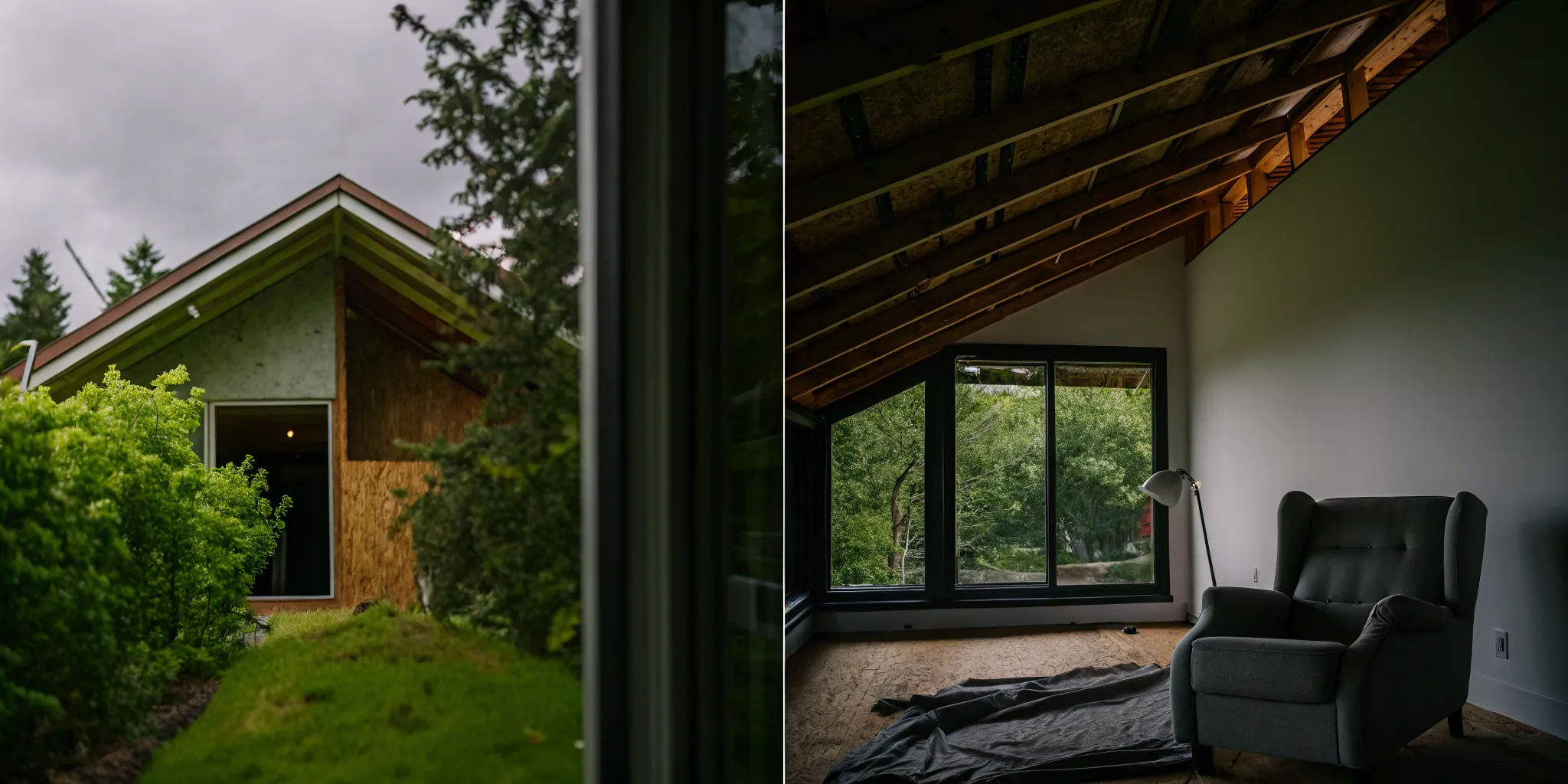
Renovation may also make sense when the existing footprint, orientation, and character fit your goals. Instead of treating every addition as a reason to demolish, your design team can evaluate whether the foundation. Portions of the framing, or other existing structures can be integrated into the new plan. Preserving usable components can reduce demolition waste and retain elements that give the home its identity. The EPA's guidance on construction and demolition materials recommends preserving existing structures and salvaging or reusing materials where practical.
Warning signs that may favor a rebuild
More serious indicators include major foundation settlement, bowing walls, persistent water intrusion, extensive rot or termite damage, severely uneven floors, and framing that would require broad replacement. The concern is not simply the price of one repair. Structural intervention can trigger related work, including roof reconstruction, utility relocation, drainage improvements, and floor-plan changes. If the structure cannot support the layout you need, a rebuild may provide a cleaner path.
Assess the structure before choosing a path
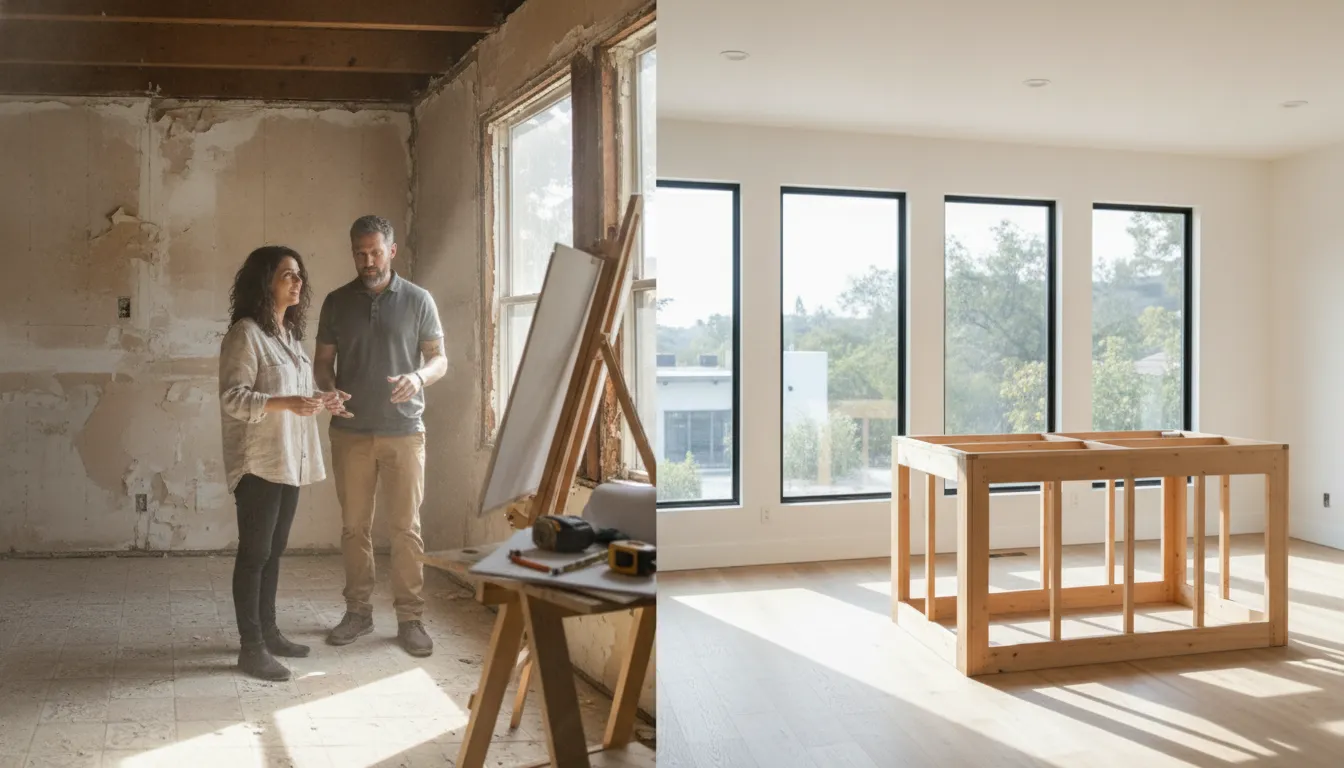
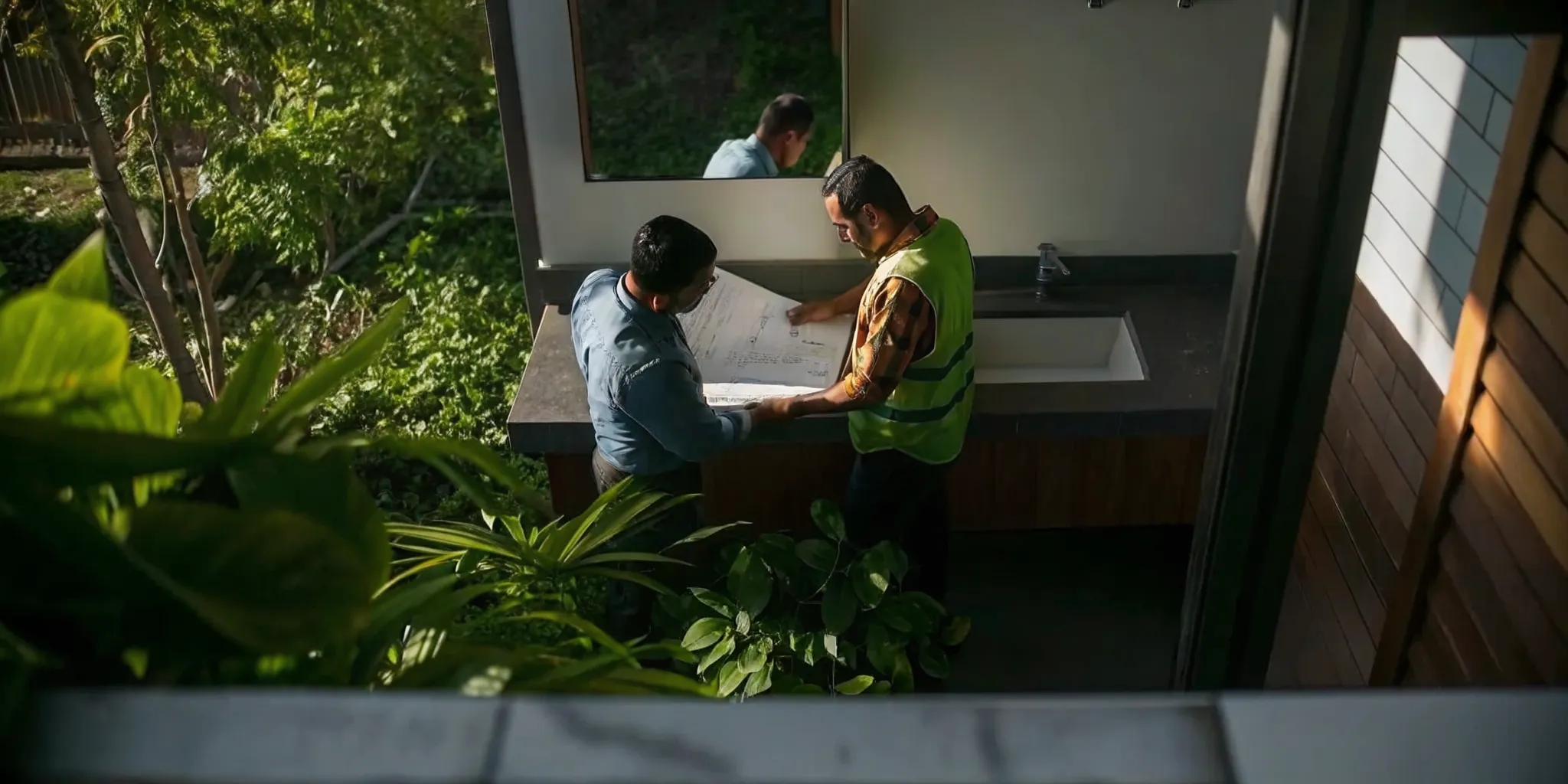
Arrange a professional structural assessment before committing. An inspector or structural engineer can review the foundation, load-bearing elements, roof, crawl space or basement, moisture, and prior alterations. Ask for findings in writing, including recommended repairs, urgency, and areas needing further investigation. Pair that assessment with a realistic scope so you can compare preserving the home against rebuilding it.
Energy performance should be part of the conversation. A rebuild makes it easier to integrate modern energy standards into the foundation, walls, and roof, while older homes may require more complex upgrades. That advantage should be weighed against the value of a sound existing structure, the home's character, and what can be responsibly reused. A clear assessment turns an emotional choice into an informed decision.
Timeline, Permits, and Zoning Considerations
Permitting is one of the clearest differences in the rebuild vs renovate decision. Both paths require planning, design review, and inspections, but a rebuild usually replaces more of the home and brings a broader approval process. A large renovation can still be involved when it changes structural walls, utilities, or the home's footprint. The right choice depends on local rules, the property's history, and how clearly the project can be defined before applications begin.
How the timeline changes between renovating and rebuilding
Renovation timelines are often easier to stage. A team may preserve part of the existing structure, complete design and engineering for a defined area, and sequence construction around the home's footprint. That does not make every renovation quick. A whole-home remodel, addition, or major structural project can require extensive drawings, engineering, utility coordination, and inspections.
Rebuilding generally adds more preconstruction work. Before demolition, the team may need to confirm zoning allowances, document site conditions. Coordinate demolition and new-construction permits, and develop a complete set of plans for the replacement home. Because more decisions must be settled before construction starts, rebuilding often involves a longer timeline and more complex permitting than a large renovation. Design changes made late in this process can also require revised plans and additional review.
Homeowners can reduce delays by clarifying the desired floor plan, square footage, setbacks, and major systems early. A realistic plan should account for review queues, inspections, contractor availability, and concealed conditions that may change a renovation scope. A structured approach to how to plan a home renovation can organize these decisions before permitting begins.
Permits, zoning, and historic preservation rules
Local zoning determines what can be built on the property, including limits on height, setbacks, lot coverage, floor area, parking, and additions. Building codes govern how the work must be designed and constructed. Many municipalities use zoning and building codes to encourage greener building and renovation practices, according to the U.S. Environmental Protection Agency. Requirements may address energy performance, water use, materials, or site planning, so evaluate the project against current local standards rather than assumptions based on the existing home.
Historic preservation rules can add another layer. Renovation may be restricted when a property or neighborhood has protected historic character, including limits on exterior changes, windows, additions, or demolition. In some cases, preserving the existing structure can help retain character; in others, preservation review can constrain the renovation more than a homeowner expects. Rebuilding is not automatically exempt, since a replacement structure still must comply with zoning and building requirements, and demolition may have its own approvals.
Before choosing a path, ask local planning and building departments, an architect, or a qualified project advisor which reviews apply. Confirming constraints early can turn an uncertain schedule into a workable one and clarify whether renovating or rebuilding better fits the property's goals.
When Renovating Makes the Most Sense
Renovation is often the stronger choice when the home has a sound foundation. The existing structure can support your goals, and the property's location or character is worth preserving. It can also make financial and practical sense when you want to improve specific areas. Such as a kitchen, bathroom, addition, or whole-home layout, without replacing every part of the house.
The structure is fundamentally sound
Start with the condition of the foundation, framing, roof, and major systems. If those elements are stable, a renovation can focus the budget on the changes that will improve how you live in the home. This may include opening a cramped kitchen, adding a bathroom, improving storage, or updating mechanical systems. If inspections uncover extensive structural problems, the balance may shift toward rebuilding, but a renovation is worth serious consideration when the home's core is reliable.
The neighborhood and the home's character matter
A well-located home may have qualities that cannot be recreated easily, including mature landscaping, established streets, views, or a design that fits the surrounding neighborhood. Renovation allows you to improve function while retaining the parts that give the property its identity. It can be especially valuable in areas where preserving the existing scale and appearance supports neighborhood continuity.
The U.S. Environmental Protection Agency explains that adaptive reuse can preserve the historical and social fabric of a neighborhood while creating new opportunities for a building's use. The EPA's green building guidance also identifies renovation as a sustainable alternative to site redevelopment because it can reduce greenhouse gas emissions and construction waste.
The scope fits your budget and timeline
Renovation is typically more affordable for targeted updates, while rebuilding can become more cost-effective when a project requires major structural changes. The right comparison should account for design, permits, demolition, temporary housing, site work, and the cost of replacing materials that could otherwise remain. A clear scope helps you see whether renovating preserves enough of the existing home to deliver value.
Timeline matters too. Renovating can reduce the amount of demolition and construction required. Which may help you return to the home sooner, although complex remodels can still involve significant permitting and coordination. If you are planning kitchen remodeling, for example, deciding early which walls, systems, and finishes can stay will make the schedule more realistic.
You want to reduce waste without giving up performance
Preserving existing structures and salvaging reusable materials can divert construction and demolition debris from disposal. With thoughtful design, a renovation can also improve insulation, lighting, ventilation, and energy performance while retaining the home's most valuable features. The decision in a rebuild vs renovate comparison is not only about what can be removed. It is also about what is worth keeping.
When Rebuilding Makes the Most Sense
Start with the home's structural limits
Rebuilding deserves serious consideration when the existing home cannot reliably support the changes your project requires. A severely compromised foundation, widespread structural deterioration, or major issues across the framing and envelope can turn a renovation into a sequence of expensive compromises. In those cases, the question is not simply whether a remodel can be engineered. It is whether preserving the current structure still creates a better result than starting over.

Have a qualified team evaluate the foundation, load-bearing elements, drainage, and other conditions before deciding. The goal is to understand which parts can be safely retained and which need extensive replacement. Rebuilding may be more cost-effective when the scope involves major structural changes, while renovation often fits limited updates.
Choose a clean slate for a fundamentally different home
Rebuilding can make sense when the current layout is the central problem. If you need a fully modern floor plan, better circulation, accessible rooms, more natural light. Or a different relationship between indoor and outdoor spaces, working around existing walls may limit the design. Starting from scratch gives the design team greater freedom to organize the home around how your household lives now, rather than adapting to decisions made decades ago.
The same flexibility applies to custom design. A rebuild can coordinate the foundation, walls, rooflines, windows, mechanical systems, and finishes as one integrated plan. That can be especially valuable for a whole-home project where piecemeal changes would leave awkward transitions or reduce the room available for the features that matter most to you.
Build for efficiency and long-term safety
Older homes can be difficult to bring up to current energy goals because insulation. Air sealing, windows, electrical systems, and heating and cooling equipment must fit within an existing structure. Rebuilding allows modern energy standards to be considered from the foundation through the roof, rather than added one constraint at a time. The result may support better comfort, lower resource use, and more predictable performance. The U.S. Environmental Protection Agency notes that green building practices can improve energy efficiency and reduce environmental impact, whether applied through renovation or new construction: EPA green building guidance.
Safety and site conditions also belong in the decision. If the existing home sits in a high-risk location, such as a flood-prone area, rebuilding may provide an opportunity to evaluate safer siting. The EPA identifies building siting as a way to avoid areas at high risk of flood or wildfire damage: review its guidance on resilient building locations. Rebuilding is not automatically right, but it becomes compelling when structural failure, an inflexible layout, efficiency goals, custom design needs, or site risk point in the same direction.
How a Realm Living Renovation Advisor Helps You Decide
Choosing between renovation and rebuilding is easier when you are not forced to interpret structural reports, contractor bids, permitting requirements, and projected resale value on your own. Realm Living pairs homeowners with a dedicated renovation advisor who helps define the project, compare realistic paths, and coordinate the expertise needed to move forward with confidence. The goal is not to steer every homeowner toward a larger project. It is to identify the approach that fits the property, budget, priorities, and long-term plans.
Start with the home's condition and your priorities
An advisor begins by understanding what you want the home to do better. That may mean opening a closed floor plan, adding bedrooms, improving energy performance, or creating a more functional kitchen and living area. The advisor then helps assess whether the existing structure can support those goals or whether its condition and limitations make a rebuild more practical. This early scoping step keeps the decision grounded in the actual home rather than in a generic rule about when to renovate or rebuild.
Realm Living also helps homeowners think beyond the initial construction price. Your advisor can develop tailored return-on-investment projections and budget scenarios, showing how each path may affect usable space, future flexibility, and potential resale value. Rebuilding may offer a clean slate, while renovating may preserve valuable parts of the home and avoid unnecessary demolition. A clear comparison makes those tradeoffs easier to discuss with your household.
Replace contractor guesswork with coordinated planning
Many homeowners experience the contractor search as a hit-or-miss process. Realm Living addresses that problem through a network of pre-vetted contractors and a full-service planning process, rather than simply handing you a list of names. Your advisor helps organize the scope, align the right professionals with the work, and interpret proposals so you can compare them on more than a headline price.
Realm Living's proprietary renovation bid database, described by the company as the largest in the United States, supports more accurate project cost estimates. Advisors can use that data alongside the details of your property and project to identify unrealistic assumptions before they become expensive surprises. Advisor-led bid negotiation may also help Realm customers save 10% to 25% on renovation costs, depending on the project and bids received.
Make the decision with support through construction
The relationship does not end when you choose a path. Realm Living provides ongoing project guidance and a two-year warranty on projects, which the company identifies as twice the industry standard. That combination of planning, contractor coordination, cost intelligence, and post-project support gives homeowners a more complete decision framework than a directory or one-time estimate can provide. To understand the process or discuss your property's options, see how it works or start your renovation.
Get started scoping your decision with a Realm Living advisor
Frequently Asked Questions
Is it cheaper to rebuild or renovate?
Renovating is often more affordable when the home's structure is sound and the work is focused on selected rooms or systems. Rebuilding may be more cost-effective when the project requires extensive structural changes, a new floor plan, or replacement of much of the existing home. Compare both paths after reviewing the foundation, scope, permits, and contingency budget.
How do I decide whether to renovate or rebuild my home?
Start with a professional evaluation of the foundation, structural integrity, layout, and major systems. Then clarify whether the existing home can support your desired rooms, ceiling heights, energy upgrades, and long-term plans. If the structure works and the character matters, renovation may be the better fit. If the changes would effectively require rebuilding most of the house, a new construction plan may deserve closer consideration.
What are the hidden costs of rebuilding versus renovating?
Potential costs include temporary housing, design and engineering, permit and utility work, demolition, site preparation, structural surprises, material changes, and schedule delays. Rebuilding can also involve more complex permitting and longer timelines, while renovation may uncover conditions that were not visible before walls or floors were opened. Ask for a scope-based budget with allowances and contingencies before choosing a path.
How long does rebuilding take compared to renovating?
Rebuilding generally takes longer because it combines demolition, site preparation, full construction, and a broader permitting process. Renovation can move faster when the scope is limited and the existing structure remains usable, although major whole-home work can still require substantial planning. Your local zoning requirements, project complexity, contractor availability, and material lead times will shape the actual schedule.
Decide with Confidence, Then Start Your Renovation Project
Choosing between rebuilding and renovating is a major decision, but you do not have to make it alone. A Realm Living renovation advisor can help you review your home's structural condition. Compare realistic budgets and timelines for both paths, and connect you with pre-vetted contractors and planning tools. The goal is an informed decision that fits your home, your goals, and your budget.
When you are ready to move forward, get started by sharing a few details about your project. A Realm Living advisor will help you scope the right path and begin the work with confidence.