A Homeowner's Guide to San Jose ADU Zoning Laws
Get clear answers on zoning laws for ADU in San Jose. Learn where you can build, size limits, and key steps for a smooth ADU project on your property.
|
September 10, 2026
In this article:
You might have heard that building an ADU in a dense area like San Jose is nearly impossible unless you have a huge lot. The reality is that recent updates to state and local rules have opened up this opportunity for more homeowners than ever before. The key to moving forward with confidence is separating fact from fiction. Many of the old barriers have been removed, but your project’s success still hinges on a clear understanding of the current regulations. We’ll clear up the confusion around the zoning laws for adu in San Jose, giving you the real story on what’s required for your project.
Key Takeaways
- Confirm your property is eligible: San Jose permits ADUs in most residential zones, including single-family (R-1), planned development (PD), and even some mixed-use areas, with no minimum lot size required.
- Know the key size and placement rules: A detached ADU can be up to 1,200 square feet, typically requires three-foot setbacks from side and rear property lines, and most properties are exempt from adding a new parking space.
- Use expert resources to simplify the process: Rely on the city’s ADU Universal Checklist to prepare your application correctly, and partner with an experienced advisor to navigate building codes and get your project approved smoothly.
Where Can You Build an ADU in San Jose?
Before you start dreaming up floor plans, the first step is confirming your property is eligible for an Accessory Dwelling Unit (ADU). In San Jose, the city has made it possible for many homeowners to build, but your success depends on your property’s specific zoning designation. Think of it as the foundation for your entire project. The rules are designed to be flexible, opening up opportunities across different types of neighborhoods. Let’s walk through the key zones where you can add a backyard home, granny flat, or in-law unit to your property.
R-1, R-2, and R-M Zoning Districts
If your home is in an R-1, R-2, or R-M zone, you are likely in a great position to build an ADU. These are the most common residential zones, covering single-family homes (R-1), duplexes (R-2), and multi-family properties like apartment buildings (R-M). Because these areas are already intended for housing, the city has streamlined the process for adding secondary units. These San Jose ADU regulations are designed to increase housing density in established neighborhoods, making this the most straightforward path for homeowners looking to add rental income or create more space for family.
Planned Development (PD) Zones
What if your property isn't in a standard residential zone? You might be in a Planned Development (PD) zone. These areas are unique because they are designed with more flexibility, often including a mix of housing types, and sometimes even commercial or recreational spaces. The good news is that San Jose also allows ADU construction in PD zones where residential uses are permitted. This opens up possibilities for homeowners in communities that don't fit the traditional single-family mold, giving you another potential green light for your project. It’s a great example of how the city is encouraging ADUs in diverse settings.
Mixed-Use and Special Residential Areas
The city’s support for ADUs extends beyond purely residential lots. San Jose also permits them in certain mixed-use and special residential areas. Think of vibrant neighborhoods where apartments might be located above shops, or areas with unique housing types. By allowing ADUs in these zones, the city helps integrate more housing options into walkable, dynamic communities. If your property is located in one of these areas, it’s a good idea to confirm your specific eligibility. This forward-thinking approach means you could have an opportunity to build even if you don't live in a conventional suburban-style neighborhood.
Does Your Property Qualify for an ADU?
Before you start dreaming up floor plans, the first step is to confirm your property is eligible for an Accessory Dwelling Unit (ADU). In San Jose, the city has made it easier for many homeowners to add a second unit, but your property’s zoning and type will determine what you can build. Most residential lots can accommodate some form of ADU, but the rules vary slightly for single-family homes versus larger apartment buildings.
Understanding these distinctions is key to a smooth project. The specific zoning codes, like R-1 or PD, can sound like a foreign language, and it's easy to get lost in the details. Figuring out how these rules apply to your specific property can feel overwhelming, but having an expert guide makes the process much clearer. A dedicated advisor can help you confirm your eligibility and understand your options from the very beginning, saving you time and preventing headaches down the road. They can look at your specific lot, explain the nuances of your zoning, and help you see the full potential of your property. Let’s walk through the main requirements for different property types so you can get a better sense of what’s possible for your home.
Single-Family Homes and Duplexes
If you own a single-family home or a duplex in San Jose, you’re likely in a great position to build. Properties in residential zones like R-1, R-2, and R-M are generally eligible. For single-family homes, the city allows you to build one detached or attached ADU plus one Junior ADU (JADU), which is a smaller unit created within your existing home. This gives you the potential to add two new living spaces. If you own a duplex, you can typically build up to two detached ADUs on the property, offering a fantastic opportunity to expand your housing options.
Multifamily Buildings
For those who own larger multifamily properties, like an apartment building, you can also add ADUs. The rules allow you to convert existing non-livable space (like storage areas or garages) into new units. You can add a number of attached ADUs equal to 25% of your existing units. For example, if you own a 12-unit apartment building, you can add up to three new ADUs. This is a great way to create more housing and income from your property. It’s important to note, however, that Junior ADUs are not permitted on multifamily properties.
Lot Size and Eligibility Requirements
San Jose doesn’t have a minimum lot size requirement for building an ADU, which opens up possibilities for many homeowners. As long as you have an existing single-family home, duplex, or multifamily building, you can likely build one. The main requirement is that every ADU must be a self-sufficient living space, complete with its own kitchen and bathroom. While state law allows detached ADUs to be up to 1,200 square feet, the final size, height, and placement will depend on your specific lot and the type of unit you plan to build.
How Big Can Your San Jose ADU Be?
Once you know your property is eligible for an ADU, the next big question is usually about size. While San Jose follows state guidelines that allow for spacious units, the exact dimensions of your ADU will depend on your specific lot, the type of unit you want to build, and a few key placement rules. Let’s walk through the main things you need to know.
Maximum Square Footage Rules
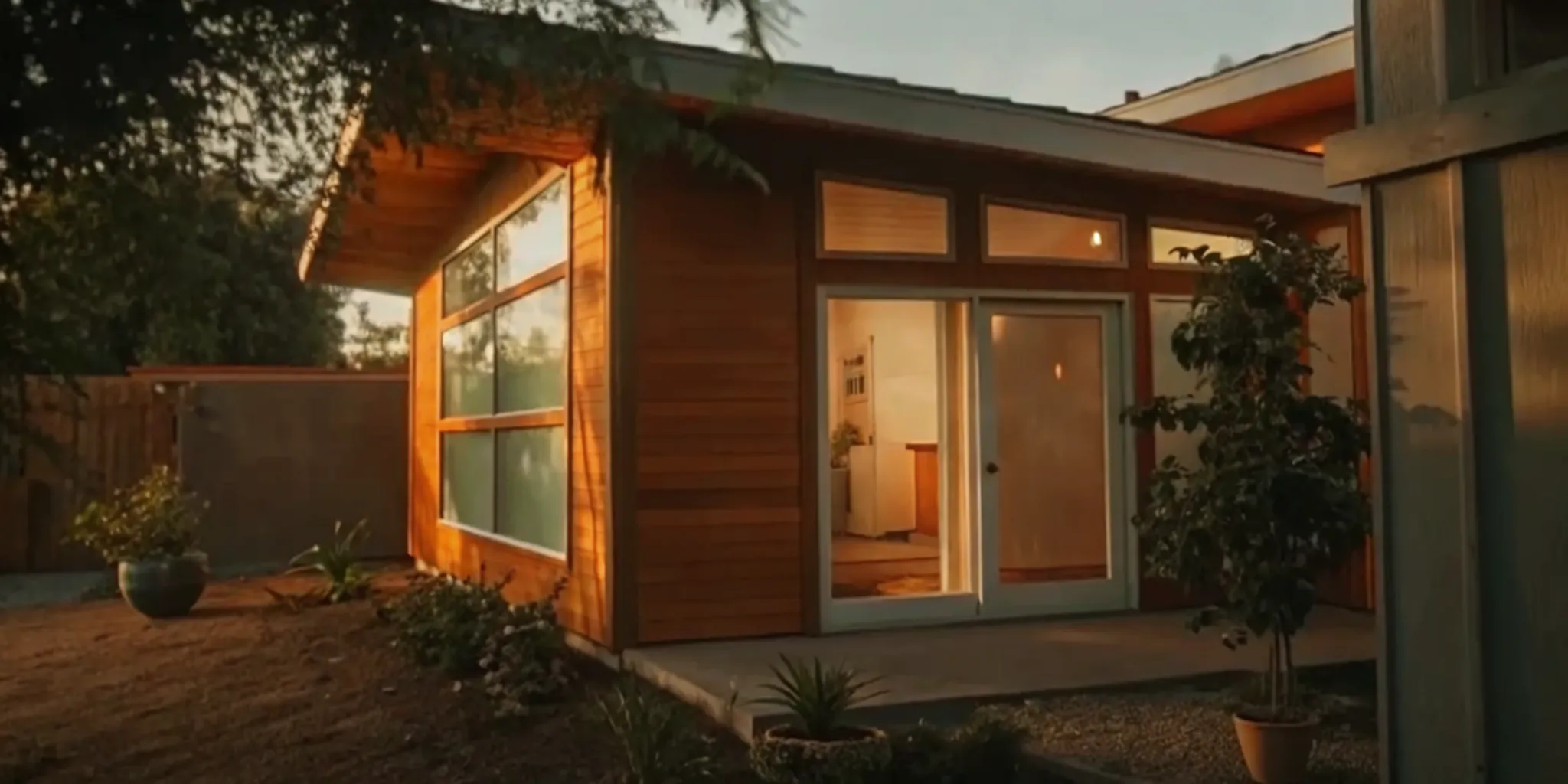
In San Jose, you can build a detached ADU up to 1,200 square feet. This generous allowance gives you plenty of room to create a comfortable living space, whether it’s for family, renters, or a home office. However, this maximum isn't a guarantee for every property. The final allowable size for your ADU will also be influenced by your lot size and the footprint of your main home. For example, an attached ADU can’t be more than 50% of the existing primary house. Thinking through these details is a key part of the planning process, as it helps you set a realistic scope for your project from the start.
Setback Distances from Property Lines
Where you place your ADU on your property is just as important as its size. San Jose requires a minimum setback of three feet from the side and rear property lines for new, ground-floor detached ADUs. This ensures there’s enough space between you and your neighbors. Additionally, any new detached ADU must be located in your backyard, at least 45 feet away from your front property line. If for some reason your design requires the ADU to be closer than the three-foot side or rear setback, you’ll likely need to incorporate special fire-rated construction materials, which is an important factor to include in your budget.
Height Restrictions and Placement Guidelines
San Jose also has rules for how tall your ADU can be. A single-story detached ADU can be up to 18 feet high, while a two-story unit can go up to 24 feet. Beyond the hard numbers, the city encourages homeowners to design ADUs that complement the main house. This means using similar exterior materials, roof designs, and colors, especially if the new unit is visible from the street. This helps the ADU feel like a natural extension of your property. Working with an experienced designer from a network of vetted professionals can help you create a beautiful, cohesive design that meets all local guidelines.
How Do You Get Your ADU Project Approved?
Getting your ADU project approved by the city might seem like the most intimidating part of the process, but San Jose has worked to make it more straightforward. The key is understanding the steps, preparing your documents correctly, and knowing what to expect from the city’s review. With a clear plan, you can move through the approval phase with confidence. Let's walk through exactly what you need to do to get that official green light for your new ADU.
Navigating the Digital Application Process
San Jose has moved its permitting process online, which makes things much more convenient. You’ll submit your ADU plans through the city’s digital portal, so you can skip a trip to city hall. To help you prepare, the city provides an ADU Universal Checklist. Think of this as your road map for the application. It outlines everything your specific property needs for a complete submission. Following this checklist closely is the best way to ensure you haven’t missed any crucial details before you hit submit.
Gathering Your Documents and Plans
Before you can apply, you need a solid set of plans. Your ADU must comply with the California Building Standards Code as well as San Jose's local ordinances. The city has specific requirements for how your building plans should be formatted, which are detailed in a document called Bulletin 211. This is where having professional support really pays off. An experienced designer or architect can create plans that meet all the necessary codes and formatting rules, which helps prevent common mistakes that can cause delays in the review process.
What to Expect During the City's Review
Once your application is submitted, city staff will review your plans to make sure they follow all building and zoning regulations. The good news is that San Jose uses a "ministerial review" process for ADUs that meet the established rules. This is a fancy way of saying that if your project checks all the boxes, it can be approved without a public hearing. This makes the timeline much faster and more predictable. For simpler projects, like a detached ADU that follows all the standard guidelines, the approval process can be even quicker.
What Are the Parking and Design Rules?
Once you’ve figured out the size and placement of your ADU, it’s time to think about the finer details of parking and design. These rules can feel a little tricky, but they’re in place to make sure new units fit seamlessly into existing neighborhoods. San Jose has specific guidelines for everything from where your guests will park to the color you can paint the exterior.
Understanding these requirements early on prevents surprises during the review process. Think of it as a checklist to ensure your new space is a great addition to your property and your community. We’ll walk through the key rules covering parking exemptions, special considerations for historic districts and HOAs, and the general design standards you’ll need to follow. Getting these details right is where having an expert advisor can make a huge difference in keeping your project on track.
Parking Space Rules and Transit Exemptions
Let’s start with some good news: you probably won’t need to add a new parking spot for your ADU. While the general rule calls for one additional space, most properties in San Jose are exempt. If your property is located within a half-mile walking distance of a public bus stop or rail station, you don’t need to provide parking for the ADU. Given San Jose’s public transit network, this exemption applies to a large number of homes. Other exemptions include ADUs located within a historic district or units that are part of the primary home, like a converted garage.
Historic District and HOA Considerations
If your home is part of a Homeowners Association (HOA) or located in a designated historic district, you’ll have an extra layer of rules to consider. It’s a good idea to check with your HOA or the city’s historic preservation office before you get too far into the design process. These organizations often have their own guidelines that can influence everything from exterior paint colors to window styles. While ADUs are definitely allowed in historic areas, the design will likely need to respect the architectural character of the neighborhood, which can affect your plans and timeline.
Aesthetic Guidelines and Building Code Compliance
San Jose wants your new ADU to look like it belongs with your main home. City guidelines require that a detached ADU’s design is visually compatible with the primary house, especially if it’s visible from the street. This usually means matching the roof pitch, siding materials, and color palette. Beyond aesthetics, your ADU must comply with all California Building Standards Code and local San Jose building regulations. These codes cover everything from structural integrity to fire safety, ensuring your new space is safe and sound. This is where a customized project plan helps you meet every requirement without the guesswork.
Are There Other Regulations to Know?
Once you have a handle on the size, placement, and design rules for your ADU, you’re well on your way. But a few more key regulations can impact your project's scope and success. These rules cover everything from who can live on the property to essential safety standards. Getting familiar with them now will help you avoid surprises during permitting and construction, ensuring your project moves forward smoothly. Let's walk through the big ones: owner-occupancy, rental rules, and safety codes.
Owner-Occupancy Requirements
This is a big one, and the rules have recently changed for the better. In the past, San Jose required the property owner to live in either the main house or the new ADU. However, a state law update has relaxed this rule. Now, you are no longer required to occupy one of the units. This change gives you much more flexibility, opening up the possibility of renting out both the main house and the ADU. This is great news if you're looking at your ADU as a source of rental income or a long-term investment property.
Rental Rules and Flood Zone Regulations
The city of San Jose encourages ADU construction to create more housing, which is a huge plus for homeowners. They may even reduce or waive certain fees for smaller units. Before you get too far, however, it’s critical to confirm your property’s zoning and lot size allow for an ADU. Another important check is your property's location relative to flood zones. If your home is in a designated flood zone, you’ll face additional building regulations. You can easily check your property’s status on the FEMA Flood Map Service Center to see what requirements might apply to your project.
Fire Safety and Utility Connection Standards
Safety is a top priority, and your ADU must comply with the California Building Standards Code and San Jose’s local rules. For fire safety, this means your plans for a detached ADU must show it’s a safe distance from the main house and other structures. You’ll also need to use specific fire-resistant materials and install smoke and carbon monoxide alarms. When it comes to utilities, you have options. You can connect the ADU to the main house’s systems or set up separate ones. Separate utility meters can be a smart move if you plan to rent out the unit.
Common ADU Myths That Can Stall Your Project
Starting an ADU project can feel like a big step, and misinformation often makes it seem more complicated. A few persistent myths can stop homeowners from moving forward before they even get a chance to explore the possibilities. Let’s clear up some of the most common misconceptions about building an ADU in San Jose so you can approach your project with confidence. Knowing the facts is the first step toward turning your vision into a reality.
Myth: You Can't Build in a Single-Family Zone
I hear this one all the time. Many homeowners assume their property’s zoning automatically disqualifies them from building an ADU. The good news is that this is no longer true. Thanks to updated state and local laws, ADUs are now permitted on almost any residential lot in San Jose, including those in single-family zones. Whether your property is zoned for a single-family home or a multi-family building, you can explore adding a second unit. This change was designed to help add much-needed housing in established neighborhoods.
Clearing Up Owner-Occupancy Rules
Another point of confusion is who has to live where. Many people think they are required to live in the primary home if they build an ADU to rent out. While you, the property owner, must live on the property, you get to choose which dwelling is yours. Since 2020, California law provides more flexibility, allowing you to live in either the main house or the new ADU. This is great for homeowners who want to downsize into a smaller backyard unit while renting out the larger home for extra income.
Setting Realistic Permit Timelines
The thought of a long permitting process can be intimidating, but for an ADU, it’s often faster than you’d think. San Jose uses a "ministerial review" for ADU applications that meet all established zoning and building codes. This just means that if your project follows the rules, it can be approved by city staff without lengthy public hearings. This streamlined process gets straightforward projects approved efficiently so you can start building sooner. Working with an expert team can help ensure your plans meet every requirement from the start.
Where to Find Help with San Jose's ADU Rules
Feeling a bit overwhelmed by the rules and regulations? That’s completely normal. The good news is you don’t have to figure it all out on your own. San Jose offers several resources to help homeowners through the process, and knowing where to turn can make your project feel much more manageable. From official city checklists to expert project advisors, there are people and tools ready to support you. Tapping into these resources early can save you a lot of time and help you avoid common pitfalls down the road.
Connecting with City Planners
One of the best first steps you can take is to talk directly with the people who know the rules best. The city’s planning staff are a valuable resource for homeowners. It’s a good idea to get guidance from San Jose City planning staff early on to understand what you can build and what documents you'll need. Before you call or visit, have your property address and a list of questions ready. This will help you get clear, specific answers about your lot, zoning, and project goals, setting a solid foundation before you invest in plans or designs.
Using the ADU Universal Checklist
To streamline your application, the city provides a handy tool to keep you on track. There's an ADU Universal Checklist to help you know what your property needs for a complete submittal. Think of it as your project’s roadmap. It outlines every document, form, and plan required for your application, so you can gather everything you need without missing a single detail. Using this checklist from the start helps prevent the kind of submission errors that can cause frustrating delays, ensuring your project moves forward as smoothly as possible.
Getting Expert Guidance for Your Project
While city resources are essential, having a dedicated expert on your side can be a game-changer. Before starting to build, make sure you fully understand San Jose's specific rules for ADUs, as they apply directly to your property. This is where a partner like Realm can make all the difference. An experienced advisor helps you interpret complex codes, consult the City of San José's official fee schedule, and connect with vetted local contractors. Having a professional guide you through each step ensures your project stays on budget and on schedule, turning a complicated process into a confident building experience.
Related Articles
- ADU Zoning 101: What Homeowners Need to Know
- The 500 Sqft Threshold: Why It's the Most Popular ADU Size in California
- What Is SB-9? (And Why Does It Matter To You?)
Frequently Asked Questions
**What’s the difference between an ADU and a Junior **Think of a Junior ADU, or JADU, as a smaller, more integrated type of unit. It must be created within the existing walls of your main house, like in a spare bedroom, and it can’t be larger than 500 square feet. A standard ADU, on the other hand, can be a separate detached structure in your backyard or an attached addition, and it can be much larger, up to 1,200 square feet.
Do I really not need to add a parking space for my ADU? That’s right, in most cases you don’t. San Jose has exemptions that cover the majority of properties. The most common one is for homes located within a half-mile of a public transit stop. Since that applies to a large part of the city, you likely won’t need to worry about creating an extra parking spot, which frees up more of your budget and yard space for the ADU itself.
Can I build a two-story ADU in my backyard? Yes, you can. San Jose allows for two-story detached ADUs up to 24 feet high. This can be a great option for getting more living space on a smaller lot. Just keep in mind that the final design will still need to fit within your property’s specific setback requirements and complement the look of your main home and the surrounding neighborhood.
Do I have to live on the property after I build the ADU? You no longer have to live on the property. A recent change in state law removed the owner-occupancy requirement for new ADUs. This gives you incredible flexibility. You can choose to live in the main house and rent the ADU, live in the ADU and rent the main house, or rent out both units as investment properties.
How long does it typically take to get ADU plans approved in San Jose? Because San Jose uses a streamlined review process for ADUs that follow all the rules, approval can be much faster than for other types of construction. If your application is complete and your plans are fully compliant, the city is required to approve or deny it within 60 days. The key to a quick timeline is submitting a perfect application from the start.