Is It Cheaper to Remodel or Rebuild? Cost and Decision Guide
Get a clear answer to is it cheaper to remodel or rebuild, with cost factors, timelines, permits, resale tradeoffs, and a practical home decision guide.
|
August 25, 2026

In this article:
Is it cheaper to remodel or rebuild? Remodeling is usually cheaper when the foundation, structure, systems, and layout are sound. Rebuilding may be the better value when most of the home needs replacement or the existing shell cannot deliver the space you need. Compare equivalent scopes, including design, permits, demolition, construction, temporary housing, and contingency.
Start my renovation planning with Realm Living
Is It Cheaper to Remodel or Rebuild? Start With the Home's Condition
Short answer: Remodeling is usually cheaper when the foundation, structure, systems, and layout are serviceable. Rebuilding may make more sense when most of the home needs replacement or the existing shell prevents the finished result you need. Compare equivalent scopes, including design, permits, demolition, construction, temporary housing, and contingency.
- Foundation, framing, and roof structure.
- Moisture exposure and other hidden conditions.
- Electrical, plumbing, heating, and cooling systems.
- Layout, additions, ADU plans, and site constraints.
Targeted remodeling preserves useful work
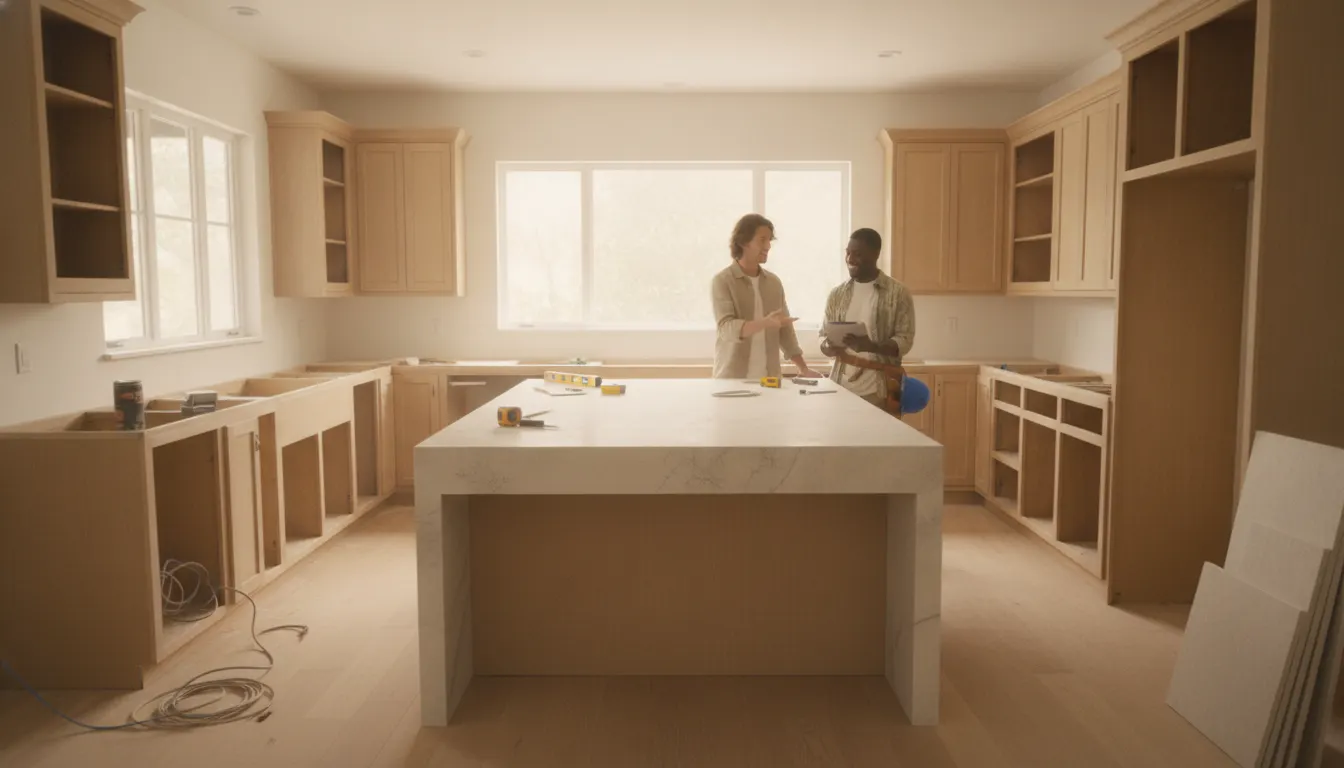
A targeted remodel limits construction to the spaces and systems that need to change. It may preserve the foundation, exterior walls, roof structure, and rooms that already function well. That narrower scope can reduce demolition, material use, and trade coordination. It may also let a household phase work, although phasing can extend the overall schedule and increase coordination costs.
Preservation only creates value when the retained components are reliable. Before assuming that an existing wall, floor, or mechanical system lowers the budget, ask whether it will meet the finished design and current requirements. A kitchen relocation may require new plumbing routes. An addition may require structural engineering. An opened wall may reveal outdated wiring or moisture damage. These are not reasons to avoid remodeling, but they belong in the initial comparison.
When a gut remodel approaches rebuild complexity
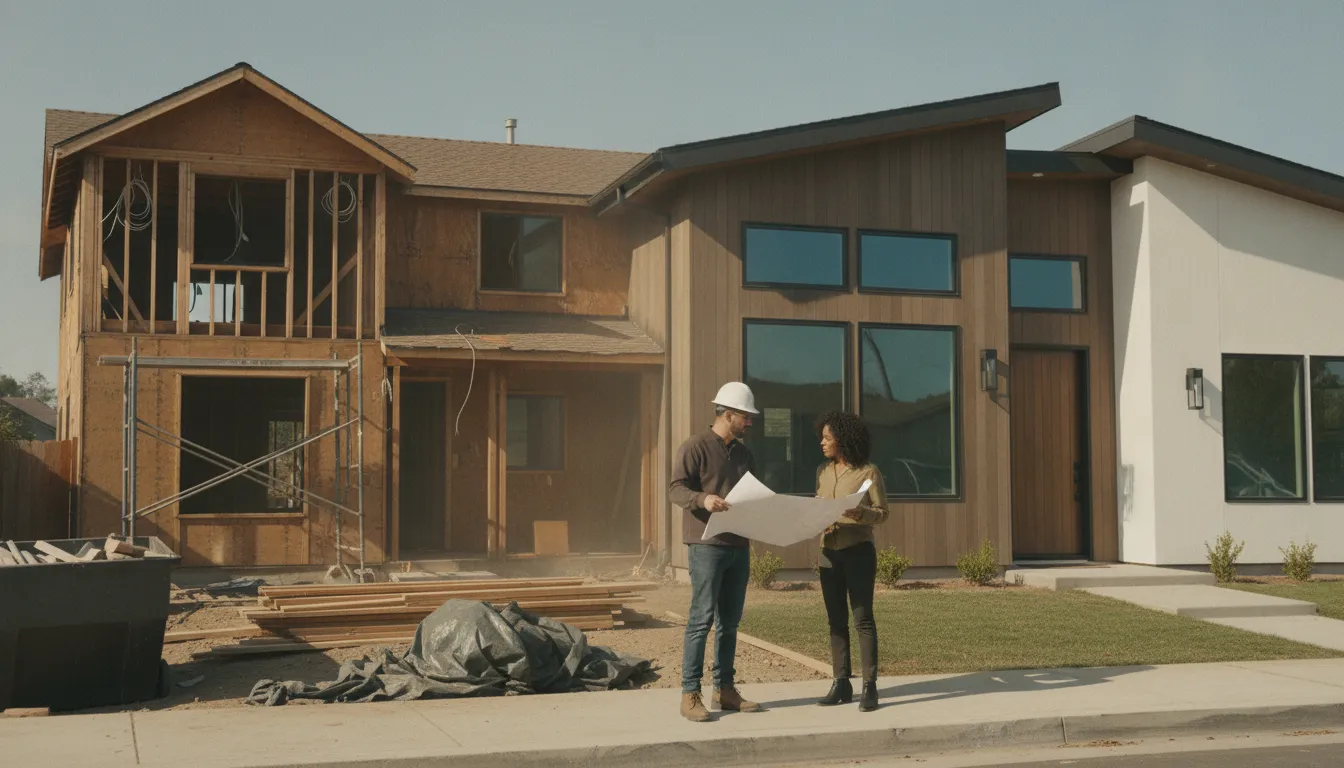
A whole-home remodel can narrow the gap with a rebuild when nearly every room, major system, and surface is affected. The project may involve selective demolition, structural changes, new electrical and plumbing work, heating and cooling, insulation, windows, cabinets, flooring, and finishes. The home may remain standing, yet much of its interior can still be reconstructed.
The phrase "upgrading systems can expose hidden conditions and expand the scope" describes a complete planning concern, not a fragment of a budget argument. Older homes can require investigation before a reliable estimate is possible. If the desired result requires extensive opening, reinforcing, relocating, and replacing, request a realistic remodel scope and a realistic rebuild scope at the same time.
How Remodeling and Rebuilding Costs Compare
Cost takeaway: Remodeling usually starts lower because it preserves some structure and systems. Rebuilding may become more economical when a remodel would replace most of the home while retaining its constraints. Compare the total cost of reaching the same finished result, not the first construction number you receive.
There is no universal price that answers this question for every property. Construction costs vary by metro area, site access, labor availability, design choices, permitting, finish level, and the condition of the existing home. Broad published ranges can establish a starting point, but they are not Realm Living quotes and should never substitute for a property-specific scope.
Use comparable planning ranges carefully
| Project path. | What may be preserved. | Common cost drivers. |
|---|---|---|
| Targeted remodel. | Sound structure, rooms, and systems that still meet the plan. | Room count, finishes, structural changes, and system connections. |
| Whole-home remodel. | Some structural shell and site improvements, depending on condition. | Demolition depth, floor area, utilities, structural work, and finish level. |
| Rebuild or custom new construction. | Existing lot, location, and potentially some site improvements. | Demolition, site work, design, permits, utilities, foundation, and construction. |
These references come from renovation and real estate planning sources that use different assumptions. Review the remodel versus new construction cost analysis and the renovation versus new-build planning guide for context, not a bid. A targeted remodel range cannot be compared directly with a per-square-foot rebuild range unless both scopes cover the same finished result.
Include costs that are easy to overlook

A fair comparison includes more than visible construction. Add design, engineering, surveys, permit and utility fees, demolition, site preparation, temporary housing, storage, financing. Insurance, landscaping affected by the work, and a contingency appropriate to the level of uncertainty. For a remodel, include the risk of hidden conditions. For a rebuild, include the cost of removing the existing structure and preparing the lot.
Also compare what each path leaves unfinished. A low remodel budget may retain a roof, electrical panel, windows, or floor plan that will need another project soon. A higher rebuild budget may deliver a coordinated home, but it carries more front-loaded work and a longer period before the property is usable. For another view of budget planning, see Realm Living's custom home cost per square foot guide. Total cost is the amount needed to achieve the intended outcome, not the first number on an early worksheet.
Keep the location in the calculation
Permit processes, labor markets, seismic requirements, wildfire considerations, utility connections, and site constraints differ across Los Angeles, San Diego, the San Francisco Bay Area, Sacramento, and Greater Seattle. Even neighboring properties can have different zoning, lot, access, or drainage conditions. Confirm which local agencies review the project before treating a generic timeline or cost range as applicable.
Is It Cheaper to Remodel or Rebuild? A Practical Cost Test
Decision rule: Rebuilding deserves serious consideration when the existing structure is an expensive constraint rather than a useful asset. It is not automatically cheaper. Its value is that new construction may provide a simpler path to the required result instead of paying for repeated compromises inside an unsuitable shell.
Rebuilding deserves serious consideration when the existing structure is an expensive constraint rather than a useful asset. This does not mean a rebuild is automatically cheaper. It means the added cost of new construction may purchase a simpler path to the required result, instead of paying for repeated compromises inside an unsuitable shell.
Evaluate foundation, framing, and moisture issues
Foundation and framing conditions can change the economics quickly. Significant settlement, inadequate support, extensive rot, or damage from water can require engineering, shoring, drainage work, reinforcement, or partial replacement. A professional inspection is essential because visual condition alone cannot establish structural suitability.
If retaining the structure requires extensive demolition followed by repairs, compare that work with a complete demolition and new foundation scope. The comparison should account for what remains usable after each path. Rebuilding may provide more predictable structural continuity, but it still requires design, permits, site work, utility coordination, and a qualified construction team.
Measure the layout against the life you need
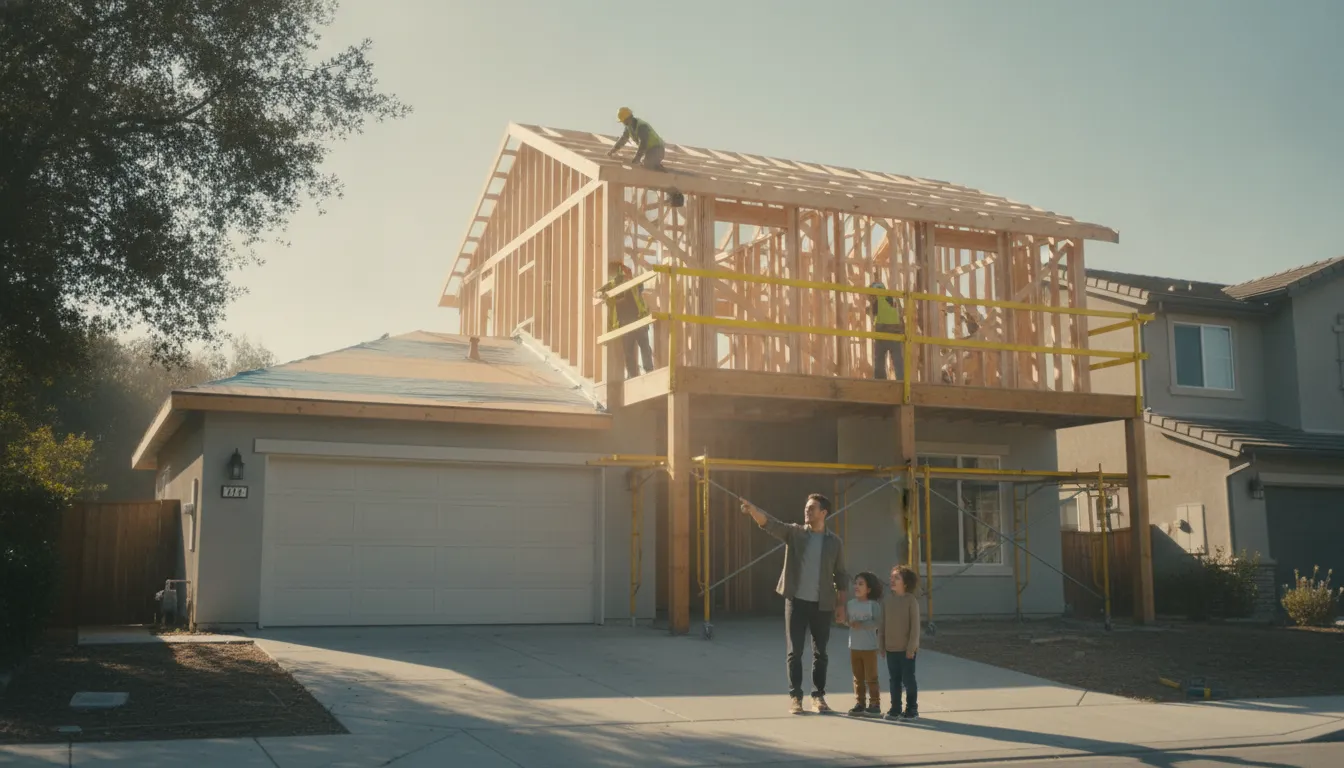
A remodel is efficient when it can deliver the essential outcome without forcing major compromises. If the home needs a second story, an expanded footprint, new circulation, multiple bedrooms. An ADU, or a complete change in how rooms connect, the scope can become complex. Lot coverage, setbacks, height limits, access, and neighborhood rules may also restrict what is possible.
Write down the outcomes that are nonnegotiable. Separate them from finish preferences. If the essential outcomes fit within the existing structure, remodeling may preserve more value. If nearly every wall, system, and circulation route must change. Include a rebuild design so the decision is based on the finished home rather than an attachment to the existing shell.
Compare a rebuild with buying elsewhere separately
A teardown and rebuild keeps the lot, neighborhood, commute, and location you already value. Buying a different home is a separate option with purchase costs, financing, taxes, moving expenses, and potentially another renovation. Do not treat a rebuild as identical to buying new. Compare the practical outcomes and total costs of all realistic options.
For homeowners still asking, is it cheaper to remodel or rebuild, the useful question is whether the existing home supports the desired result at a reasonable total cost. An inspection and two comparable scopes can answer that more reliably than a general rule.
Remodeling vs Rebuilding: Timelines and Permits
Timeline takeaway: A focused remodel is often faster because less demolition and structural work is required. A rebuild generally adds design, approvals, demolition, site preparation, and a new structure. A complex remodel can still take a year or longer, so compare the full schedule rather than assuming the word remodel means minimal disruption.
Time affects cost, comfort, financing, and risk. A room-specific remodel may take a few months. A complex whole-home remodel can last a year or longer. New construction commonly requires a longer front-loaded planning period and may take roughly nine to eighteen months or more, depending on the project. These are planning references, not promises.
Why remodel schedules change
Remodeling often moves through investigation, selective demolition, structural work, rough plumbing and electrical, mechanical systems, insulation, drywall, cabinets, finishes, and inspections. Hidden conditions can change the sequence. Long-lead materials can delay installation. Living in the home can require additional protection, phasing, or temporary relocation.
Permits may be required for additions, structural changes, and new or relocated plumbing and electrical systems. Ask the local building department which reviews apply to the property. Realm Living's renovation permits guide offers a useful starting point for California homeowners. Historic-preservation, zoning, environmental, wildfire, or neighborhood requirements can affect both schedule and design. The exact requirements differ across Realm Living's service areas.
What a rebuild adds to the schedule
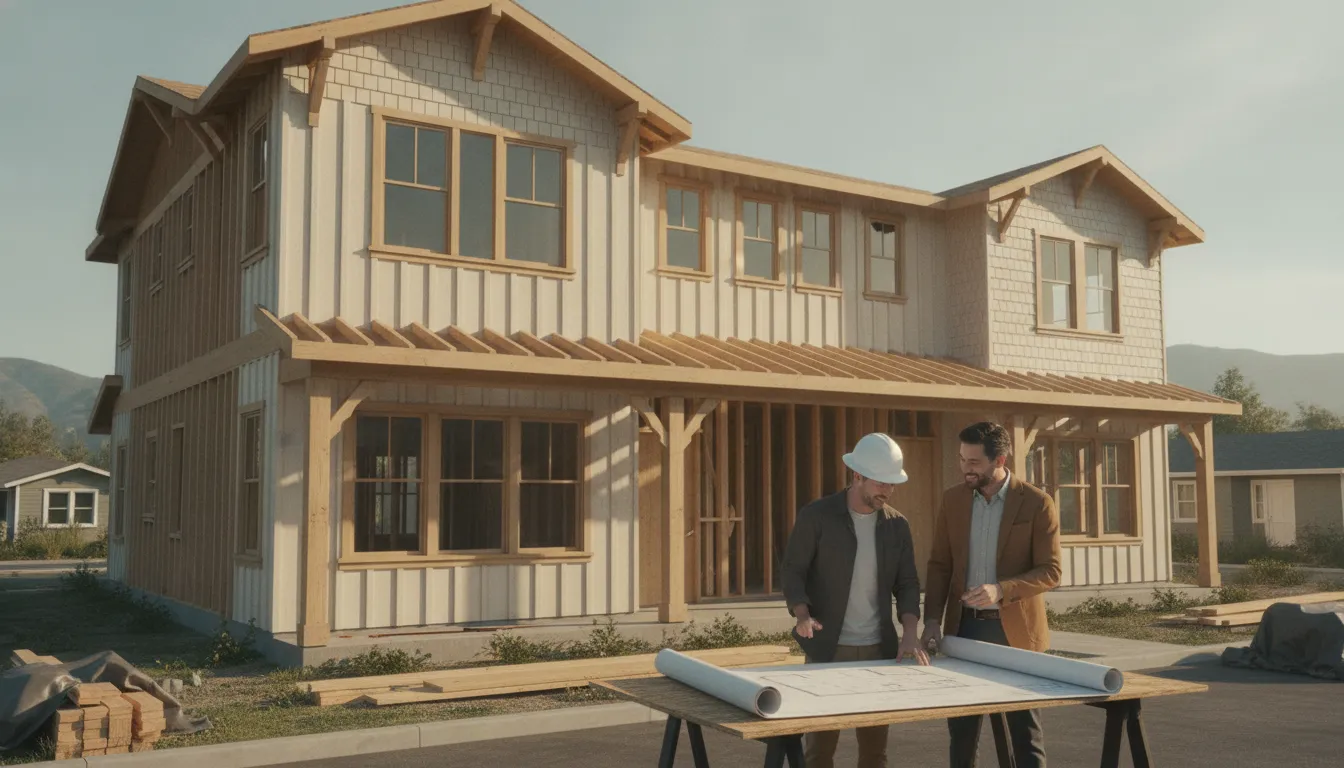
A rebuild may include feasibility review, surveys, design, zoning and permit submissions, utility coordination, demolition, site preparation, foundation work, framing, enclosure, rough-ins, inspections, and finishes. These stages depend on one another. A delay in approvals, utility work, or structural inspections can affect everything that follows.
The U.S. Department of Housing and Urban Development explains in its FHA 203(k) consumer guidance that permits for covered work must be obtained before work begins and posted onsite. That program guidance does not define every obligation for your property. Confirm broader requirements with the relevant local authorities and project professionals.
Resale Value, Livability, and Long-Term Costs
Value takeaway: Choose the path that produces a durable, functional home for the time you expect to own it. A lower initial price does not automatically mean lower long-term cost. Maintenance, future phases, operating performance, and the quality of the finished layout all belong in the comparison.
The cheapest construction path is not always the least expensive ownership path. A remodel can be a strong investment when it improves the layout, corrects important deficiencies, and preserves sound components. A rebuild can offer better long-term fit when it coordinates structure, systems, efficiency, and space from the beginning. Neither path guarantees a resale premium.
Value depends on fit and execution
Buyers respond to the finished home, its location, and its relationship to nearby properties. In Los Angeles, San Diego, the Bay Area, Sacramento, and Greater Seattle, demand for added living space and specific features can vary by neighborhood and price range. A kitchen, addition, ADU, or more functional plan may be valuable, but the result must suit the property.
Execution matters. A carefully planned remodel can improve circulation while preserving character. A rebuild can create a coherent layout and current systems. Either can disappoint if the scope is poorly coordinated, the proportions are awkward, or the finishes are disconnected from the market. Evaluate the completed experience, not only the construction method.
Account for maintenance and future disruption
Ask which systems will remain and which will be replaced. Consider future access, transitions between old and new work, maintenance requirements, energy performance, and the likelihood of another major project. A remodel may avoid replacing components that still perform well. A rebuild may reduce the number of aging systems carried forward. For a related investment lens, see Realm Living's home renovation ROI guide. Those differences affect long-term cost and daily comfort.
Review Realm Living's renovation economics guide, this rebuild versus renovate guide, and the whole-house renovation cost guide for additional context on renovation decisions. Treat resale as one input, then weigh your time horizon, household needs, operating demands, and realistic project risk. Homeowners planning an addition can also review demolition and rebuild cost guidance before comparing scopes.
A Practical Remodel-or-Rebuild Decision Framework
Practical answer: The better option is the one that meets the essential goals with the lowest credible total cost and an acceptable level of schedule and construction risk. Use a written comparison, then update it as inspections, design development, and permit feedback replace assumptions with evidence.
A documented comparison turns an emotional choice into a series of checkable decisions. Use this framework with qualified professionals and update it as inspections, designs, and permit feedback improve the information available.
Six steps for comparing the two paths
- Define the finished outcome. List the problems the project must solve, such as a poor layout, insufficient bedrooms, failing systems, or a need for an ADU. Separate essential outcomes from finish preferences.
- Inspect the existing home. Evaluate the foundation, framing, roof structure, moisture exposure, electrical, plumbing, heating, cooling, and other major systems before pricing the final finishes.
- Prepare comparable scopes. Make both options produce a similar finished result. Include design, engineering, permits, demolition, site work, utilities, construction, finishes, temporary housing, and contingency where relevant.
- Test feasibility. Confirm zoning, setbacks, height, lot coverage, access, utilities, and any special review requirements. A desired remodel or rebuild may not be permitted exactly as imagined.
- Compare time and disruption. Estimate the planning period, construction period, temporary housing, storage, financing carry, and effect on work or family routines.
- Choose the path with the strongest total fit. Select the option that meets essential needs with an appropriate balance of cost, risk, timing, livability, and future flexibility. Document what would cause you to revisit the decision.
Questions to bring to an advisor
Ask what can safely remain, which conditions are uncertain, what scope produces a comparable result, and which costs are excluded from early estimates. Ask how local permits affect the plan and what assumptions drive the schedule. For background on approval planning, review Realm Living's California renovation permits guide and the major remodel timeline guide. If the project includes an expansion, compare it with Realm Living's ground-floor and second-story addition guide. An experienced advisor can help organize these questions, but inspections and project-specific professional advice should support the final decision.
Get a clearer remodel-or-rebuild plan with Realm Living
Frequently Asked Questions
Is remodeling always cheaper than rebuilding?
No. Remodeling is often less expensive when the structure and major systems are sound and the desired changes fit the existing home. A whole-home remodel with extensive structural and systems work can approach or exceed the cost of rebuilding. Compare complete, equivalent scopes rather than assuming one method is cheaper.
What is the biggest cost factor in a remodel-versus-rebuild decision?
The condition and usefulness of the existing structure are among the most important factors. Foundation, framing, moisture, utilities, layout, site constraints, permits, finishes, and the amount of demolition also matter. A professional inspection and clear outcome help identify which variables are decisive for your property.
How should I compare remodel and rebuild estimates?
Ask for scopes that deliver a genuinely comparable finished home. Review design, engineering, permits, demolition, site work, utility connections, construction, finishes, temporary housing, financing, and contingency. Confirm what is included, what is excluded, and which assumptions could change after walls or ground are opened.
Does rebuilding usually take longer than remodeling?
Often, yes, because rebuilding adds demolition, site preparation, new foundation work, structural construction, and more front-loaded approvals. A complex remodel can still take a year or longer. Local reviews, material lead times, site conditions, and contractor availability affect both schedules.