Custom Home Builders Sacramento: How to Choose a Team
Get practical guidance on custom home builders sacramento, from permits and proposals to insurance, site fit, and comparing construction teams.
|
October 1, 2026

In this article:
Building a custom home in Sacramento is not simply a matter of choosing a contractor with attractive portfolio photos. The right comparison starts with whether a team can translate your goals and property into a coordinated plan. Then clearly explain who is responsible for design, engineering, permits, pricing, and construction.
The best custom home builders sacramento homeowners can consider are those whose experience matches the project's site, design, and construction demands. With a proposal that makes scope, assumptions, allowances, schedule, and insurance responsibilities easy to verify. Because Sacramento-area lots and jurisdictions can differ, local familiarity matters, but so do communication habits, subcontractor coordination, and the builder's ability to identify gaps before work begins.
Before comparing bids, look past broad promises and map the full path from early design decisions through approvals and construction. That makes it easier to see what a prospective builder should handle directly, what should remain with licensed design professionals, and where you may need additional support.
Start your Sacramento custom-home plan before comparing builders.
What Should Custom Home Builders in Sacramento Handle?
A custom home builder should help turn an owner's goals into a buildable plan, then coordinate the people and work required to deliver it. That can include early scope development, design and engineering coordination, estimating, permitting support, site preparation, construction, finishes, inspections, and closeout. The important qualification is that not every builder or contract includes every responsibility. Homeowners should identify what is included, what is subcontracted, and what remains with the owner or separate professionals before selecting a team.
Define the full scope from the first sketch to move-in
A custom home is designed around the owner's needs rather than selected from a fixed remodeling package. Depending on the builder's model, the team may coordinate architects or designers, structural engineering, interior selections, framing, installation, and general contracting. Some firms manage these functions under one roof, while others use separate design professionals and trade partners. Either approach can work when responsibilities, deliverables, approvals, and communication points are clear.
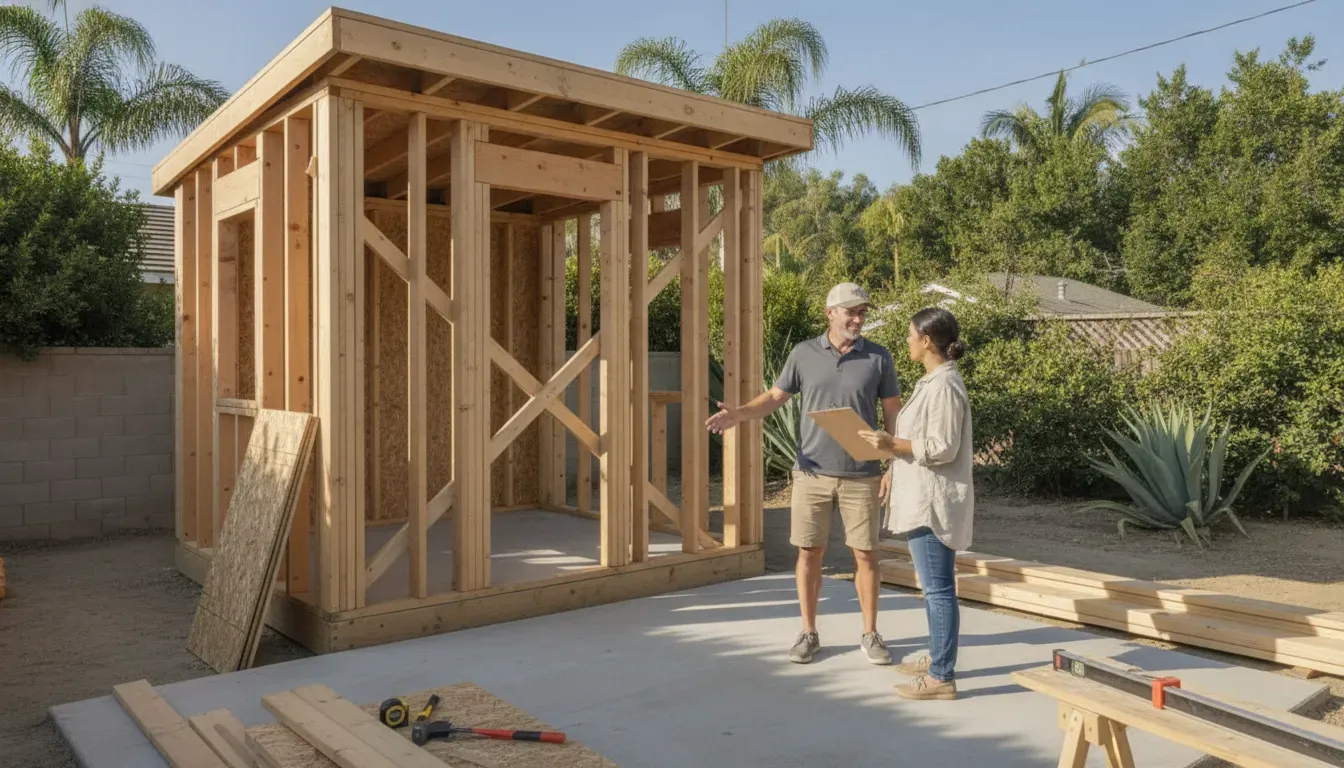
Scope should also account for the property itself. A ground-up build may require decisions about site access, grading, utilities, foundation conditions, and the relationship between the home design and the lot. Sacramento-area properties are not interchangeable. So a useful builder conversation should address the actual parcel and its constraints rather than relying only on a portfolio of attractive finished homes.
Keep new construction separate from remodeling
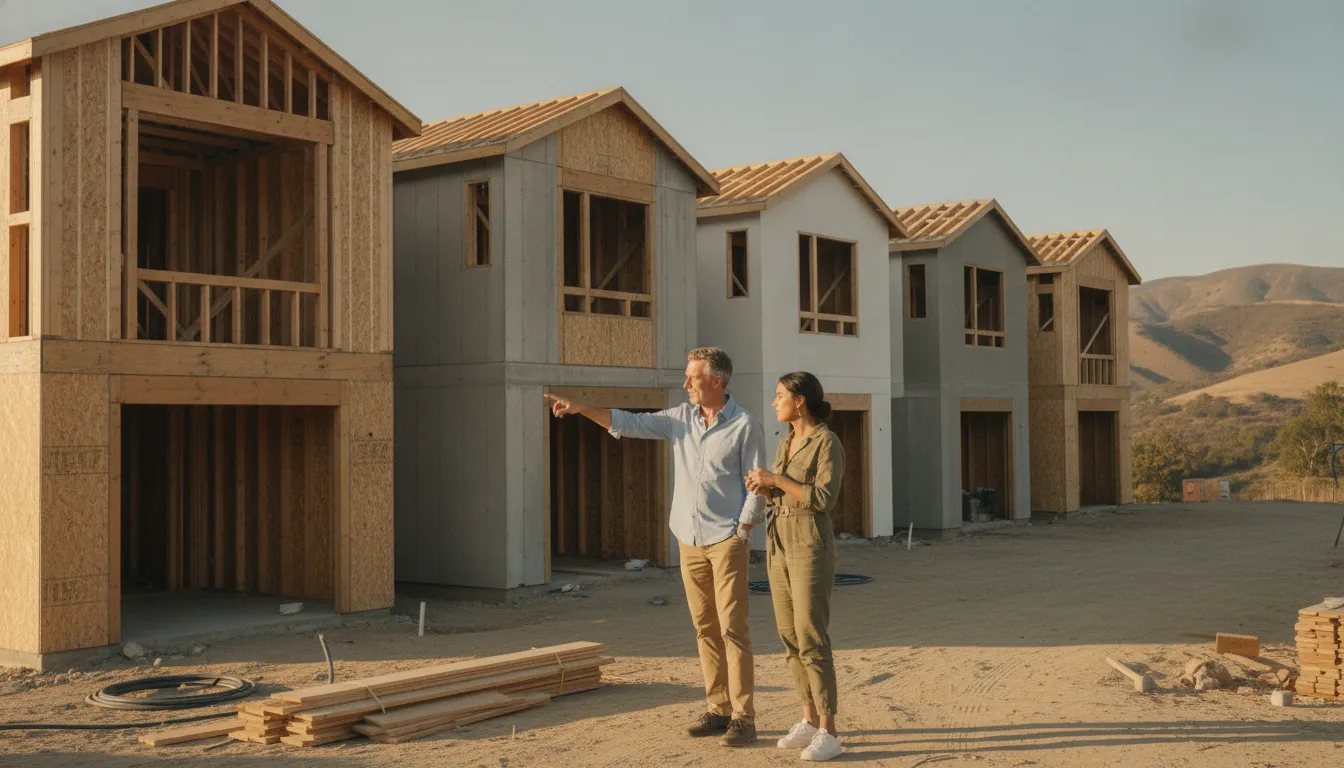
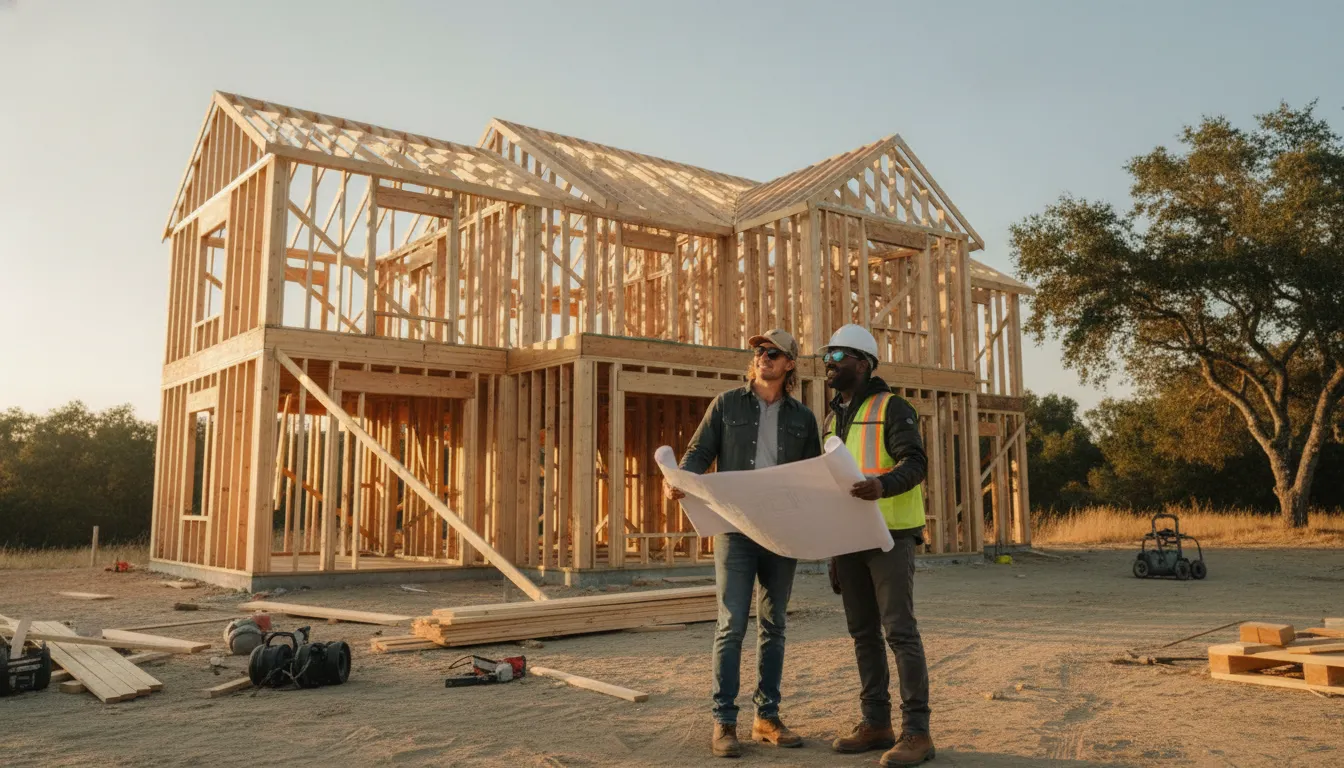
Ground-up construction starts with a site and creates the structure from the foundation forward. Remodeling begins with an existing building, which introduces different questions about demolition, concealed conditions, structural alterations, and tying new work into what is already there. A company may offer both services, but the relevant experience is not automatically interchangeable. Ask for examples of completed new homes similar in complexity to the proposed project, and confirm who will lead design coordination, permitting, construction supervision, and final handoff.
Clear scope protects the homeowner from comparing proposals that appear similar but cover different work. It also creates a practical baseline for reviewing changes as the project develops. Before moving forward, request a written description of the builder's responsibilities, the owner's responsibilities, exclusions, decision points, and the professionals involved. That clarity makes later discussions about budget, schedule, and accountability more productive.
How Do You Compare Sacramento Builders for Construction Fit?
Construction fit is more specific than liking a builder's portfolio. The right team should have experience with the conditions of your property. The kind of home you want to build, and the level of coordination your project will require. Sacramento-area lots vary in size, shape, and style. So a builder who is a strong match for an infill city lot may not be the right choice for a rural parcel with a longer access route or more involved site logistics. Ask each candidate to explain how their experience applies to your actual property rather than relying on broad claims about serving the region.
Start with the lot and local setting
Give builders the basic site information early, including the address or general location, lot dimensions, known constraints, access conditions, and any existing structures. Then ask what they would investigate before finalizing the plan. A useful conversation should address how the team approaches city permitting, site access, staging, utilities, grading, and coordination with the architect and engineers. Local experience can include both city permitting and rural access challenges, but those are not interchangeable skills. A builder should be able to describe relevant examples without implying that every Sacramento project follows the same process. Review these contractor site-visit red flags before meeting candidates so you know what to observe during the conversation and property visit.
Review relevant ground-up work, not just attractive photos
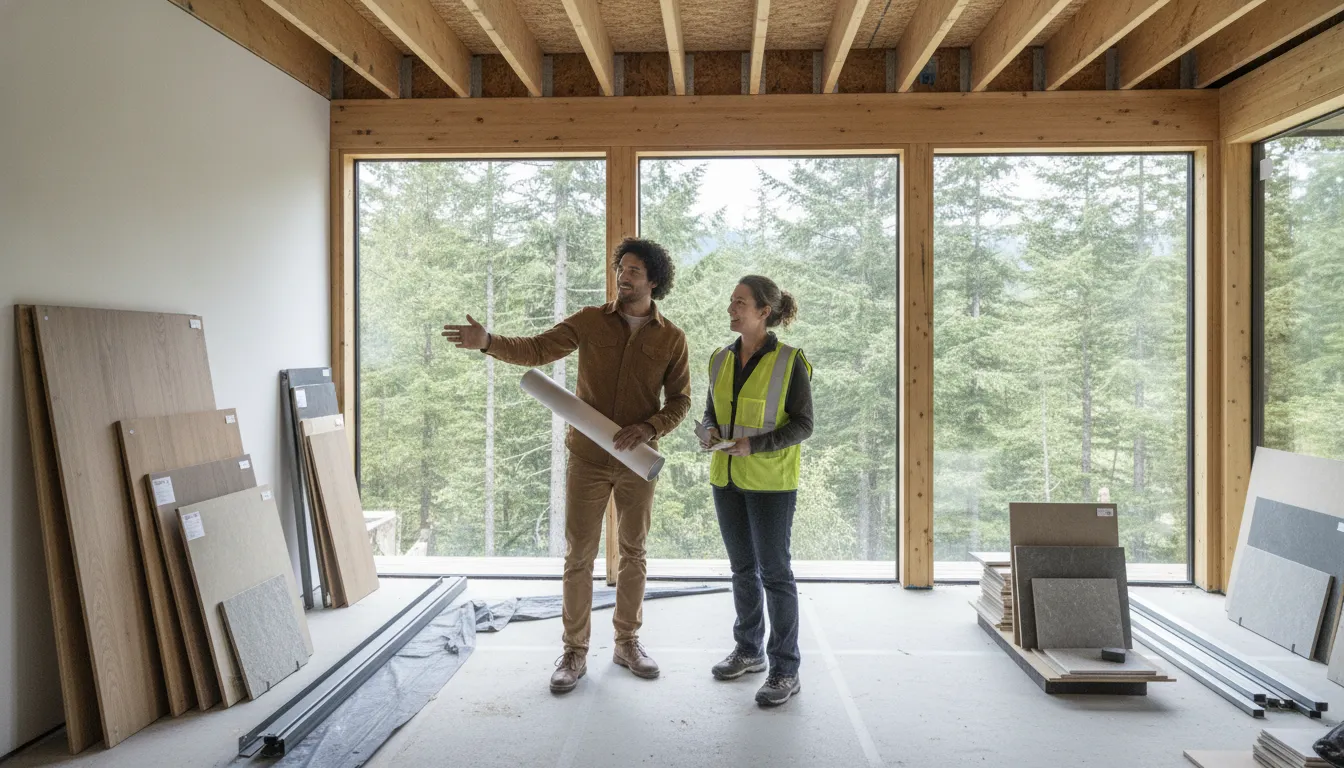
Ask to see completed or active projects that resemble your intended build in meaningful ways. Relevant similarities may include the project type, architectural style, lot conditions, level of finish, and degree of customization. A portfolio can show whether a builder has worked across different styles, but it should also help you understand how the team solves practical construction problems. Ask who designed the home, who managed construction, which responsibilities were handled by subcontractors, and whether the builder can provide references for comparable ground-up work. Keep remodeling and new construction separate in your evaluation. A polished kitchen renovation does not, by itself, demonstrate experience managing a full custom-home build.
Test coordination, supervision, and communication
Construction fit also depends on how decisions move between the homeowner, architect, engineers, suppliers, and trade partners. Ask who will supervise the site, how often that person visits, who answers day-to-day questions, and how design decisions or field issues are documented. Some builders describe hands-on job-site supervision and regular visits, while others emphasize collaboration with architects and established subcontractors. Those descriptions are useful starting points, but ask how the approach would work on your project. For example, who identifies a conflict between drawings and site conditions, and how quickly does the issue reach you?
Finally, compare the builder's working style with your expectations for involvement, design flexibility, schedule visibility, and budget conversations. The best match is not automatically the largest team or the one with the most dramatic portfolio. It is the team whose project type, location experience, communication habits, and construction approach align with your home, budget, and decision-making style. A structured comparison can help you identify that fit before you commit to pre-construction.
Who Handles Design, Permits, and Approvals?
A clear responsibility map can prevent a custom home project from stalling between design, permitting, and construction. Before selecting among custom home builders in Sacramento, ask who will prepare each document, submit each application, respond to corrections, and coordinate the work that follows approval. The builder may manage much of this process, but homeowners should not assume that every builder, architect, engineer, or trade partner uses the same scope.
Put one person in charge of coordination
Start by naming a primary project coordinator. This may be the general contractor, a design-build firm, an architect, or another professional designated in the contract. That person should explain which services are included and which specialists are hired separately. The written agreement should also identify who owns the current drawing set, who tracks revisions, and how the homeowner receives copies of approved plans and related correspondence.
- Define the design scope. Confirm who develops the concept, floor plans, exterior elevations, interior selections, and construction drawings. Ask whether structural, civil, mechanical, electrical, or plumbing engineering is included, and identify which licensed professionals will seal work that requires their involvement. If design services are separate from construction, document the handoff requirements before bidding.
- Assign permit and application duties. California's Contractors State License Board advises homeowners to use contractor-selection resources, while permitting requirements themselves vary by city and county. Confirm who determines the applicable jurisdiction, prepares application materials, submits them, pays required fees, and monitors the application status. The contract should state whether planning, zoning, utility, grading, or other site-related approvals are included or handled separately.
- Clarify plan-review corrections. The agency reviewing a plan may request revisions or additional information. Decide who receives those comments, coordinates answers with the architect or engineers, updates the drawings, and resubmits the package. Ask how changes that affect scope or cost will be presented for your review. A correction response is not the same as an informal promise that an issue will be handled later.
- Separate approval from construction responsibility. The City of Sacramento Building Division handles construction regulation, plan review, inspections, and building-code compliance for work within its jurisdiction. The city is the approving authority, not the homeowner's builder. Confirm who schedules required inspections, prepares the site for each inspection, responds to failed or incomplete items, and records the resulting approvals or corrections.
- Verify access to records and next steps. Sacramento provides online services for submitting applications and construction plans, viewing records, paying fees, and checking application status. Ask the project coordinator to share portal confirmations, approved plan sets, inspection records, and open-item logs. If the property is outside city limits, confirm the responsible county or other local authority rather than assuming Sacramento's process applies.
This division of work keeps accountability visible without treating permitting as a guaranteed outcome or a fixed schedule. Have each responsibility reflected in the proposal and contract, including any exclusions, homeowner decisions, consultant fees, and changes required by plan review. Realm Living can help homeowners compare the coordination models offered by different teams. But the licensed professionals and local authority remain responsible for their respective technical work and approvals.
What Should Be in a Custom-Home Proposal?
A proposal should make it possible to compare builders on the same project, not just compare a few headline figures. Before pre-construction, look for a written description of the work, a budget, and a schedule that explains what the builder is assuming and what remains to be decided. A detailed proposal, timeline, and budget are useful standards for evaluating the clarity of any proposal you receive. Ask each builder to explain the same categories in plain language.
Use the proposal to compare scope, risk, and communication
Similar words such as "custom" or "turnkey" do not prove that two proposals cover the same finished home. One may include design coordination and site work. Another may begin after drawings are complete. A strong proposal should connect the plans, specifications, selections, budget, schedule, and responsibilities. It should also give you a clear way to ask questions before signing a construction agreement.
| Proposal element | Why it matters | Questions to ask |
|---|---|---|
| Scope of work | Defines what the builder will coordinate, construct, install, and complete. | Are design, engineering, site preparation, utilities, construction, finishes, and final cleanup included? |
| Allowances and selections | Shows which materials or fixtures are not yet fully selected and how they affect the budget. | Which items are allowances, what assumptions support them, and how will a selection change the contract price? |
| Exclusions and assumptions | Surfaces conditions that could otherwise become surprises during construction. | What is excluded? What site, utility, soil, approval, or owner decision assumptions are being made? |
| Change-order process | Creates a documented path for changes to scope, materials, price, or schedule. | Who approves a change, what backup is provided, and when must the cost and schedule effect be documented? |
| Schedule milestones | Turns a broad construction promise into checkpoints that can be reviewed. | What are the anticipated design, permitting, procurement, start, major inspection, and completion milestones? |
| Payment structure | Explains when payments are due and how they relate to progress or approved work. | What triggers each payment, how are invoices supported, and how are disputed or changed items handled? |
| Communication plan | Sets expectations for updates, decisions, records, and escalation when an issue arises. | Who is the day-to-day contact, how often will updates occur, and where will schedules, documents, and decisions be recorded? |
Pay particular attention to items that can move together. An allowance affects the budget, a delayed selection can affect procurement, and an approved change can affect both payment and the schedule. Ask the builder to show where those relationships will be tracked rather than relying on verbal explanations.
The proposal should also identify the documents it is based on, such as drawings, specifications, surveys, or finish schedules. If those documents are incomplete, ask what will be finalized before the construction contract and what process will govern later decisions. A proposal that acknowledges uncertainty is often more useful than one that appears complete but leaves important assumptions unstated.
Finally, request the same level of detail from every builder you are comparing. Consistent proposals make differences easier to see and give you a better basis for follow-up questions. The goal is not to select the document with the shortest list or the lowest apparent total. It is to understand what each builder is promising, what you will need to decide, and how disagreements or changes will be handled before work begins.
How Should You Verify Licensing, Insurance, and Risk Protections?
A builder's portfolio and proposal matter, but so does the protection behind the work. Before selecting among custom home builders in Sacramento, verify the contractor's current credentials and ask how those protections apply to your specific project. A polished website statement is a starting point, not proof that coverage is active. That every subcontractor is covered, or that the contract addresses the risks of a ground-up build.
Start with the contractor's California license
The California Contractors State License Board (CSLB) provides resources to help consumers select the appropriate type of licensed contractor. Use the CSLB's contractor-selection guidance and verify the builder's license independently rather than relying only on a proposal or sales conversation. Confirm that the legal business name and license information match the contracting entity that will sign your agreement.
Ask what work the license covers and whether the builder will contract directly with the trades involved in construction. If the builder uses subcontractors, request a clear explanation of who is responsible for checking their credentials and documenting their insurance. You should also ask what happens if a subcontractor changes after the contract is signed. A replacement trade should not quietly introduce a new risk or responsibility that was absent from your original agreement.
Request current insurance and workers compensation documentation
Ask the builder to provide current certificates of insurance and explain the policies that apply to the project. Discuss general liability coverage, its policy period, and whether the limits and exclusions make sense for the work being proposed. Do not assume that a general statement such as "licensed and insured" describes every company or every project. One Sacramento-area builder, for example, says it works with licensed and insured subcontractors, but that is a company-specific claim, not a universal standard for all builders.
Workers compensation deserves the same careful review. Ask whether employees and subcontractors are covered, who carries that coverage, and how proof will be updated if the trade list changes. Your builder should be able to explain the process in plain language and identify the party responsible for each worker on the site. If an answer is vague, ask for clarification before signing rather than treating uncertainty as an administrative detail.
Check bonding, references, warranty language, and the contract
Ask whether the builder is bonded, what the bond covers, and how a homeowner would make a claim if that protection became relevant. Then contact recent references whose projects resemble yours in scale and complexity. Ask whether the builder communicated clearly, handled changes, protected the site, resolved defects, and delivered the warranty support described at the start.
Read the warranty section closely. It should identify what is covered, what is excluded, when coverage begins, how a claim is submitted, and whether different components have different procedures. Your contract should also spell out the scope of work, insurance responsibilities, payment schedule, change-order process, substantial-completion terms, dispute procedures, and the documents you will receive at closeout. Have a qualified construction attorney review language you do not understand. Independent verification is especially important because even a strong builder-matching or bid-review process does not replace your own review of current, project-specific protections.
When Can Realm Living Help With a Sacramento New Build?
Realm Living can support Sacramento homeowners before construction begins, especially when the project needs clearer scope, budget planning, design coordination, and a more organized way to compare builders. Its role is advisory and planning-focused. Realm Living is not the builder, architect, engineer, permitting authority, or insurer, and its support does not replace the licensed professionals responsible for plans, approvals, construction, or insurance.
Planning the project before builder selection
An advisor can help turn an early idea into a working project brief. That may include defining the home's scope, discussing priorities, developing budget expectations, reviewing floor-plan concepts, and using renderings or 3D visualizations to make design decisions easier to evaluate. Realm's planning support may also include cost estimates, timeline and milestone planning, and ROI analysis. These tools help a homeowner explain the project consistently to prospective teams and identify open questions before requesting bids.
For a Sacramento ground-up home, the final scope still needs to be developed and approved by the appropriate architect, engineer, builder, and local authorities. Realm Living can help organize the questions and information that those professionals need, but it does not prepare stamped drawings, issue permits, approve plans, or certify site conditions. Homeowners comparing delivery models can also review the distinctions between design-build and separate contractor teams before deciding what kind of coordination they want.
Comparing bids and supporting the decision
Once the project is ready for builder conversations, Realm can help identify potential contractor matches based on project type, budget, location, style preferences, and overall fit. Advisors can coordinate site visits, gather bids, and level the proposals so that comparisons are less likely to hinge on different assumptions or missing scope. They can also support negotiation on the homeowner's behalf and help escalate issues that arise during the process.
Bid leveling is particularly useful when one proposal includes design coordination or site work that another treats as an allowance or exclusion. Homeowners should still review each proposal, contract, license, insurance policy, and professional responsibility independently. A site visit can reveal useful questions, and this guide to contractor site-visit red flags can help prepare for those conversations.
Realm's broader process is explained in how Realm guides homeowners through project planning and contractor selection, while its advisor and contractor-support model is outlined on Realm's advisor and contractor-support model. For homeowners who are replacing an existing property rather than building on an undeveloped site, rebuilding a home with Realm may provide more relevant context. The Sacramento location page focuses on renovation support, so it should not be treated as a substitute for new-construction guidance.
Start your Sacramento new-build planning conversation with Realm Living.
Get organized support for your Sacramento new-build decisions.
Frequently Asked Questions
What is the average cost to build a custom house in Sacramento?
There is no dependable single average for every Sacramento custom home. Your total depends on the land, architectural and engineering scope, site preparation, utility work, permitting, structure, finishes, and the builder's inclusions and exclusions. Ask each builder to separate these costs in a written proposal so you can compare equivalent scopes rather than headline estimates.
How long does it take to build a custom home in Sacramento?
There is no universal schedule. Design decisions, engineering, site conditions, permit review, inspections, material availability, and construction complexity can each affect the timeline. Before signing, ask for milestones covering design completion, permit submission, plan review, groundbreaking, major inspections, substantial completion, and closeout, along with the assumptions behind each date.
Is it cheaper to build or buy a house in Sacramento?
That depends on what you compare. Building requires you to account for land, design, permits, site work, financing, construction, and selected finishes. Buying lets you evaluate a finished home's condition, location, and needed updates. Compare the full cost and tradeoffs of a specific property with a specific build plan instead of assuming that either option is always less expensive.
How should I choose among custom home builders?
Compare relevant ground-up experience, site and design coordination, proposal detail, communication habits, construction supervision, and the builder's fit for your project. Independently verify the contractor's current license and selection guidance through the California Contractors State License Board, then ask for current insurance information, references, contract protections, exclusions, allowances, and the change-order process.
Who handles permits for a Sacramento custom home?
Confirm this in writing before work begins. The builder may coordinate applications, drawings, corrections, and inspections, but responsibilities can be divided among the owner, architect, engineer, and contractor. Permit requirements vary by jurisdiction. For projects within the city, the Sacramento Building Division manages plan review, inspections, construction regulation, and code compliance, with online submission and permit services available.
Start Your Sacramento Custom-Home Plan With Realm Living
Get organized before you choose a builder
Choosing among custom home builders in Sacramento is easier when your scope, priorities, site questions, and proposal comparison points are clear. Realm Living can help you organize the planning process, review bids, and connect your project with a contractor match that fits the work you want to complete. Realm Living is not your architect, engineer, permitting authority, insurer, or construction contractor. Its role is to provide planning and advisor support as you evaluate the path forward.
Start your Sacramento custom-home planning conversation with Realm Living.