Kitchen Renovation Trends 2026: Colors, Materials, and Smart Design for Your Remodel
Schedule a free consultation. Explore kitchen renovation trends 2026: warm neutrals, natural stone, smart storage, and spa-inspired bathrooms.
|
July 29, 2026

In this article:
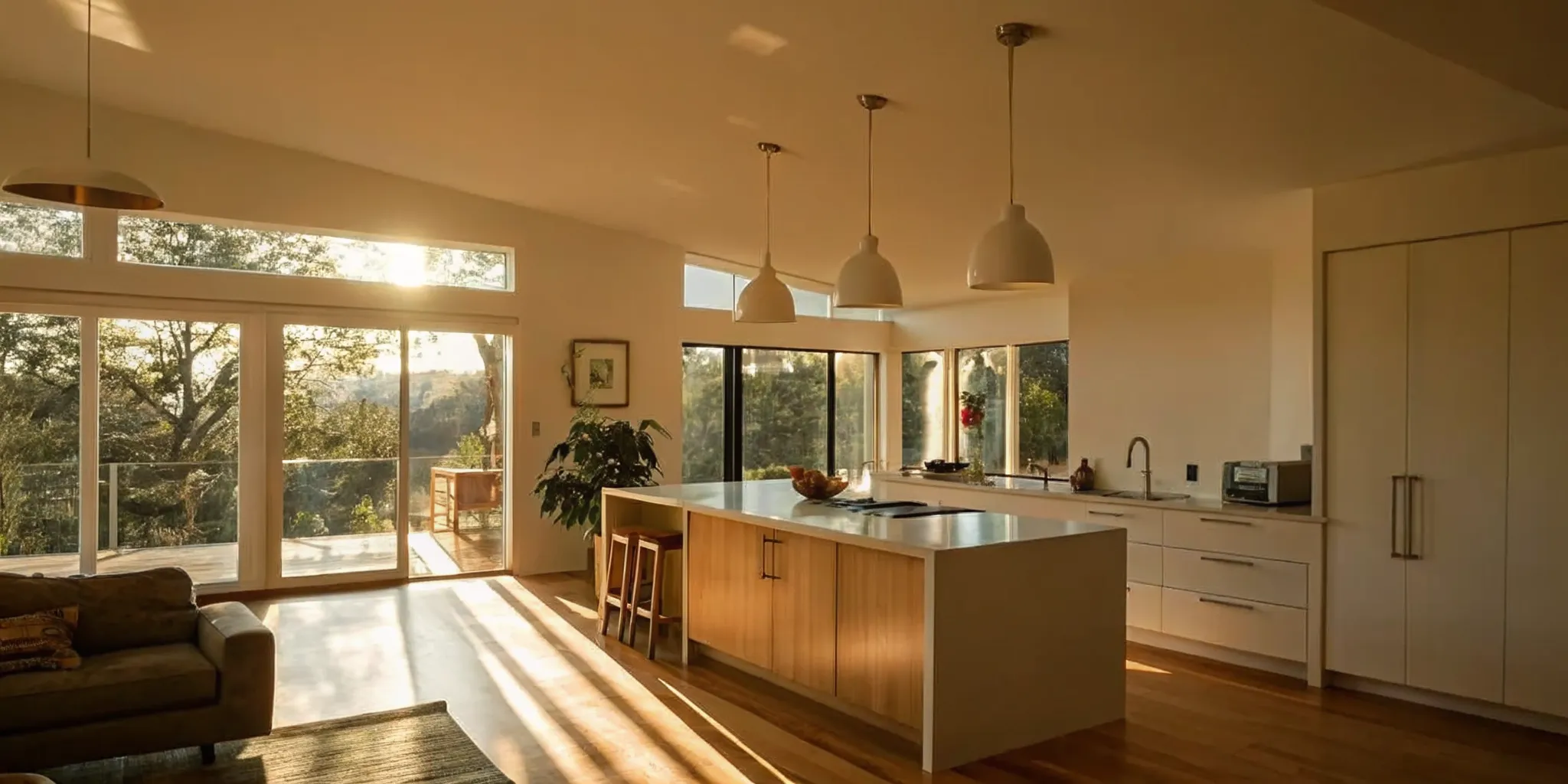
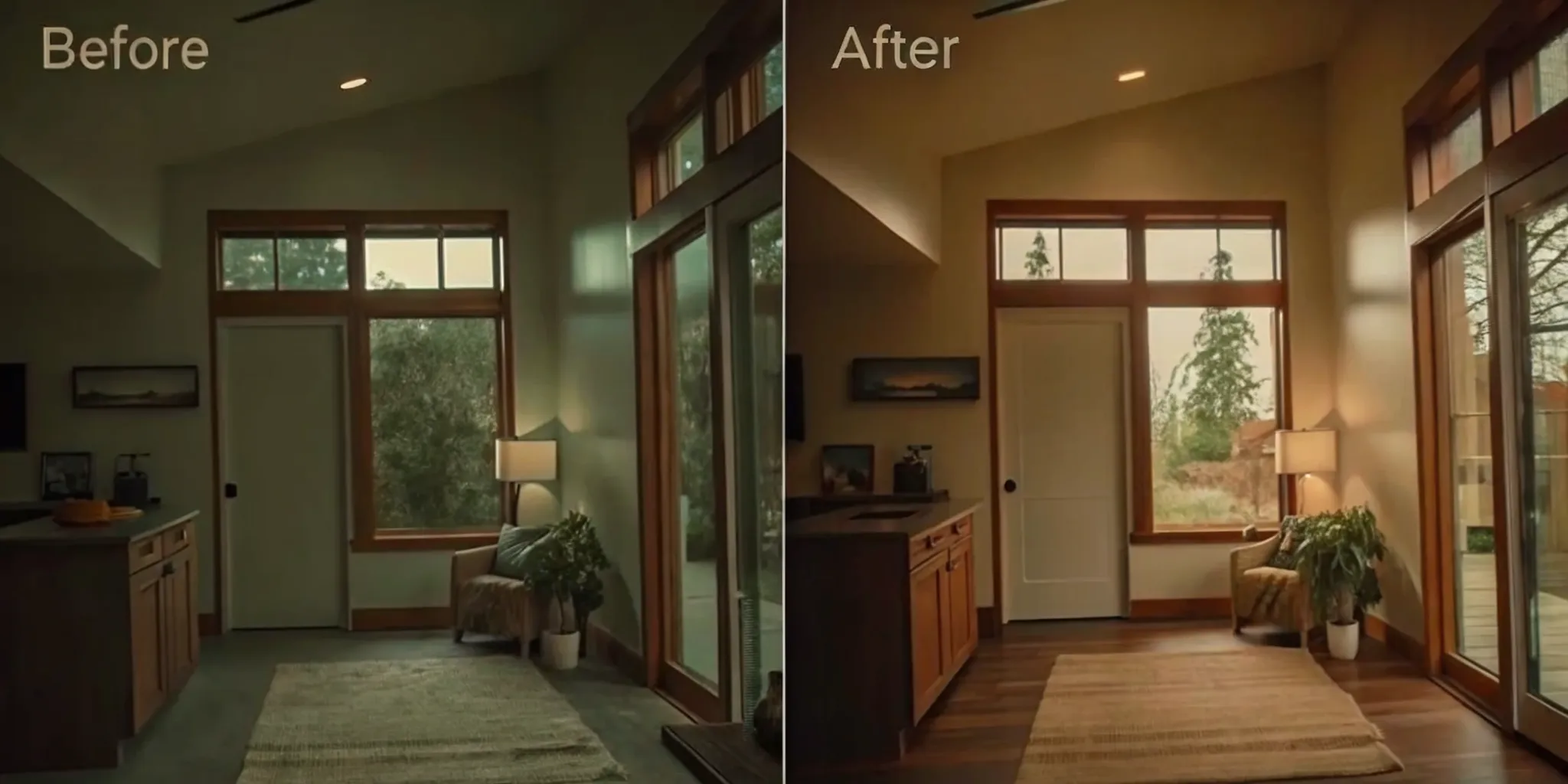
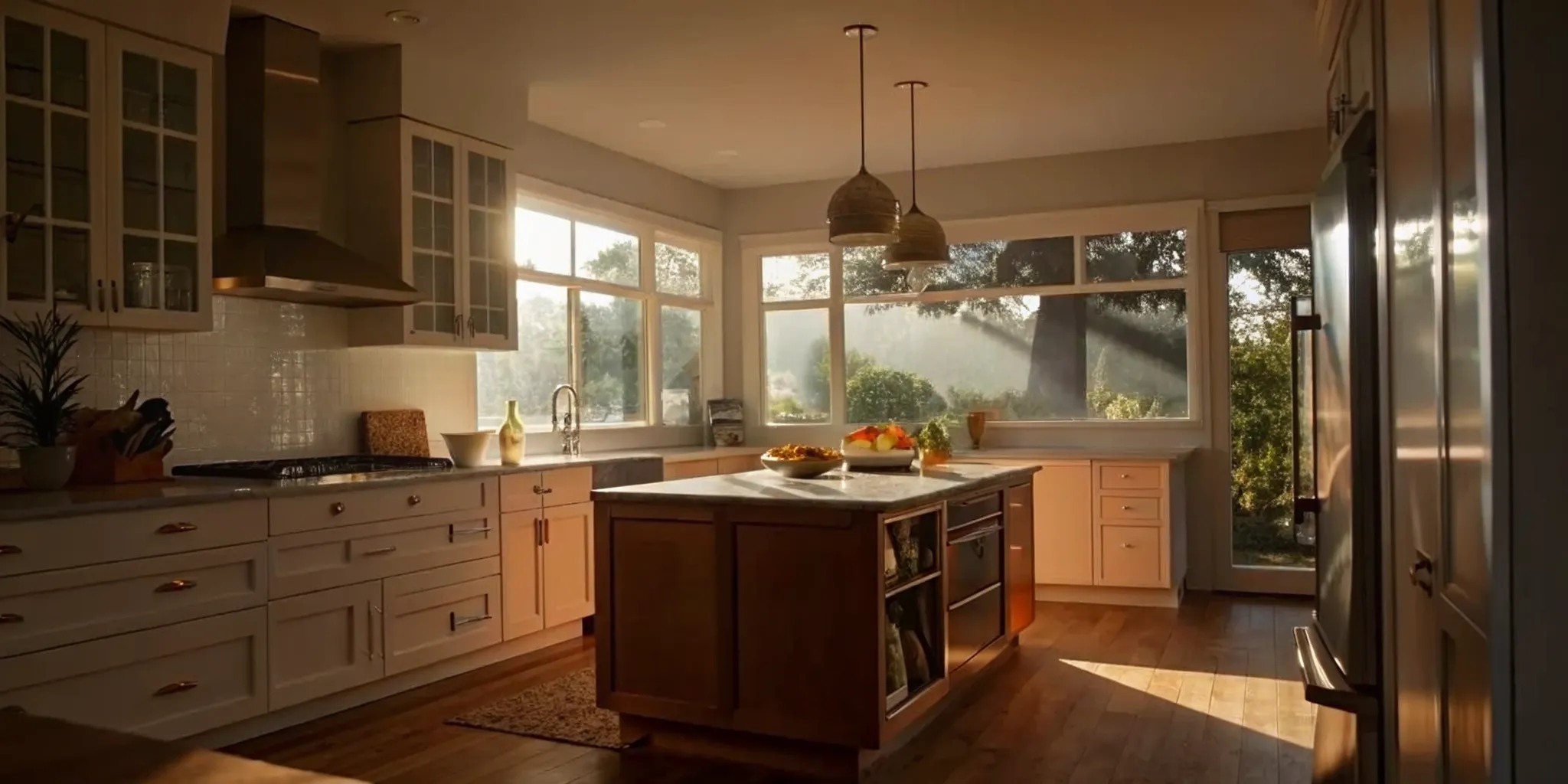
A kitchen renovation in 2026 is less about copying a showroom and more about creating a room that works harder for the way your household actually lives. Homeowners are looking for spaces that feel warm and personal, support cooking and gathering. Simplify storage, and quietly accommodate technology without making the kitchen feel like a control center.
The defining kitchen renovation trends 2026 are warm neutrals and natural materials, purposeful color, built-in storage, adaptable lighting and fixtures, subtle smart-home features, and sustainable choices that can serve the home for years. The same priorities are carrying into bathrooms, where comfort, durability, and spa-like function are becoming central to renovation decisions.
Start your renovation planning with a dedicated Realm Living advisor who can help you evaluate these trends against your home, budget, and timeline before you make any major decisions.
What Are the Top Kitchen Renovation Trends 2026 Homeowners Are Choosing?
The strongest color signal in 2026 kitchen design is not a single paint chip, but a move toward spaces that feel grounded and lived in. In an NKBA survey of 634 industry professionals, 96% of designers reported using warm neutrals, while green appeared in 86% of designs and blue in 78%. These figures suggest that homeowners do not have to choose between a calm, adaptable kitchen and a more personal palette. The most successful renovations are using both.
Key takeaway: Warm neutrals, earthy greens, and muted blues define the 2026 kitchen palette. Designers report near-universal use of warm neutrals (96%) and strong adoption of green (86%) and blue (78%) in recent projects.
Earth-rooted colors bring character without making the room feel dated
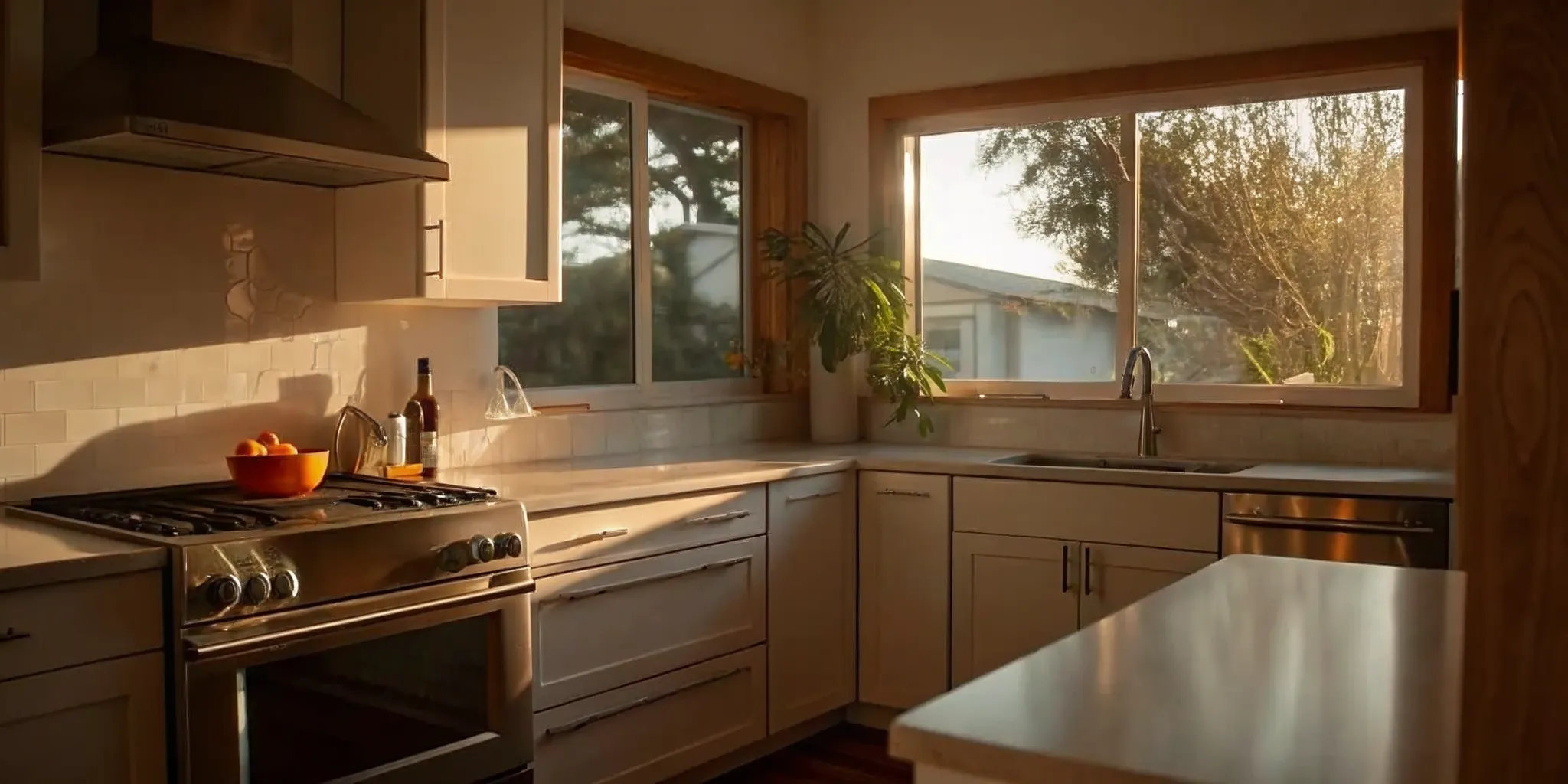
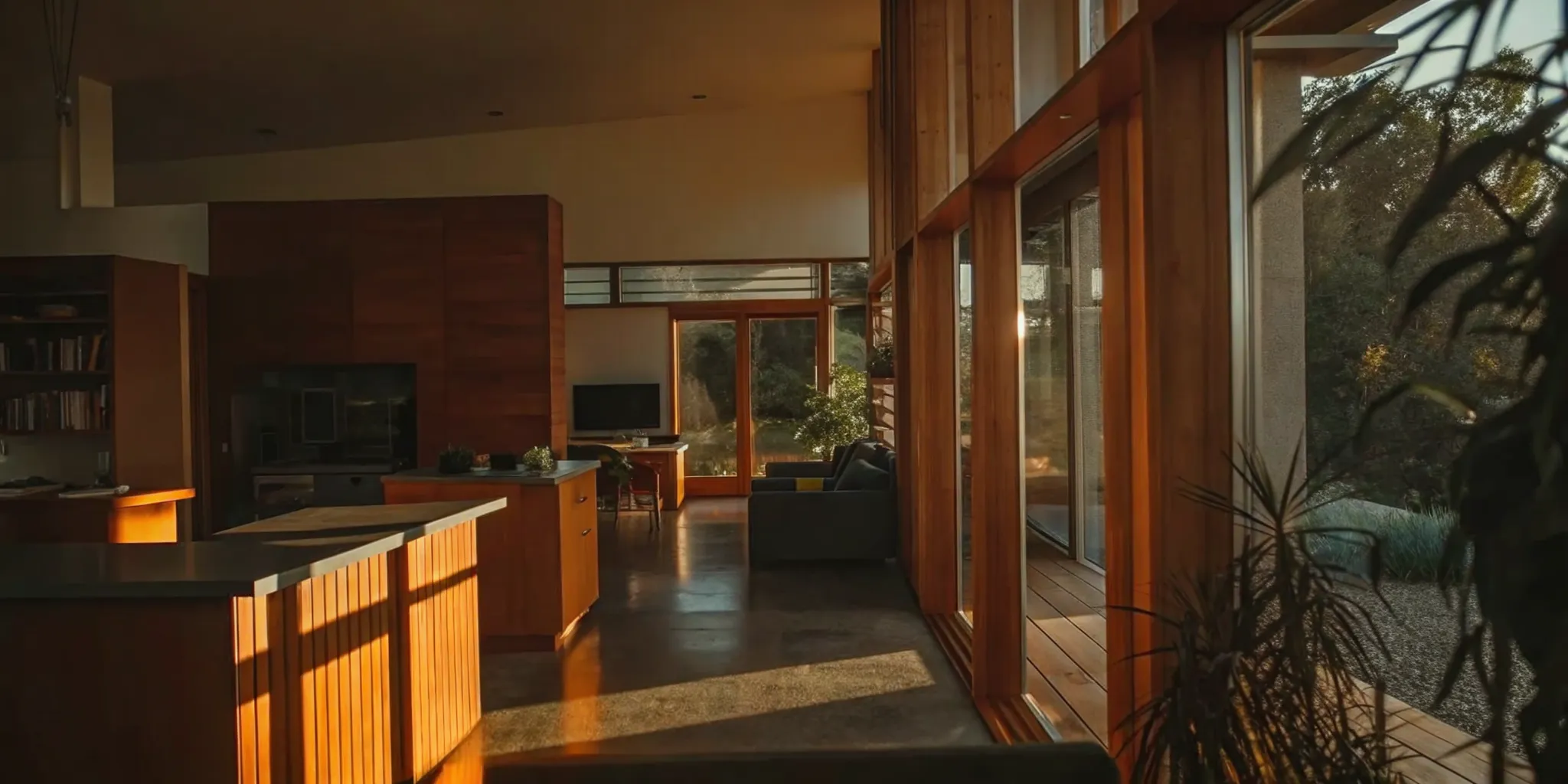
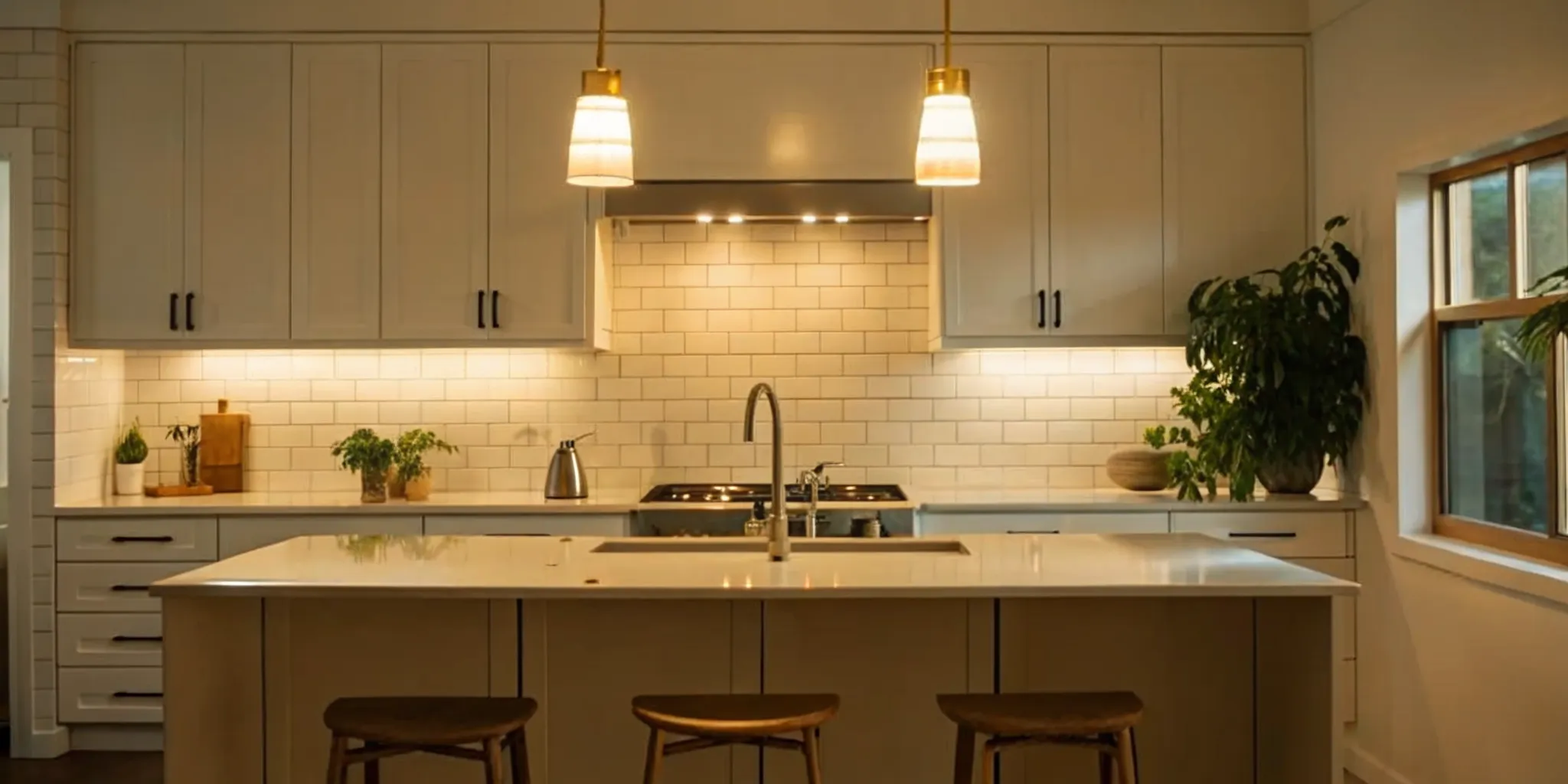
Olive, moss, muted forest green, clay, terracotta, and umber are defining the earth-rooted palette emerging for 2026. These shades work particularly well on an island, lower cabinetry, or a built-in feature wall, where they can add depth without overwhelming the room. Warm whites, oat, sand, mushroom, and soft taupe remain useful as supporting neutrals, but they feel more comfortable than the cool, clinical whites that dominated many recent kitchens.
Green and blue also give homeowners room to adjust the mood of a space. A muted olive can make wood cabinetry and aged metal finishes feel cohesive, while a deep blue can create contrast around a bright countertop. There are several useful ways to incorporate color in a kitchen:
- Lower cabinets or island only — paint the lower cabinets in an earthy green or blue while keeping uppers in a warm white. This grounds the room without overwhelming it.
- Feature wall or built-in — use a saturated color on one wall or a pantry cabinet wall to create a focal point without committing to full-room color.
- Backsplash accent — introduce color through tile rather than paint for an easier future update.
Joyful cabinetry and natural stone make the kitchen more personal
“Joy-drenching” takes the color shift further by using bold, cheerful cabinetry colors instead of reserving personality for accessories. A homeowner might use a rich green, warm terracotta, or expressive blue across all the cabinets, then balance it with restrained walls and hardware. This approach works best when the color is selected alongside the countertop, flooring, and natural light, rather than as an isolated paint decision.
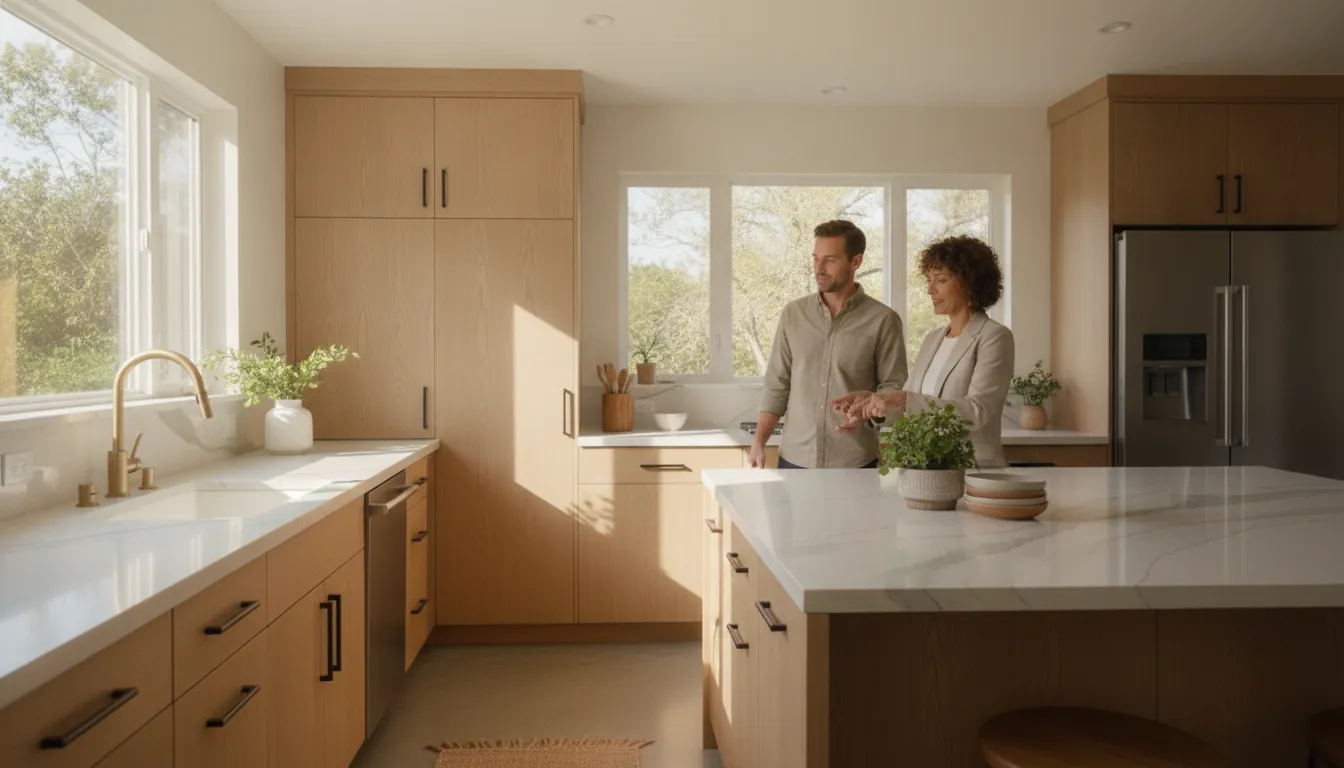
Countertops are moving in the same direction. Natural stone with visible movement, including blue-veined quartzite, brings variation and an organic quality to kitchens that once relied on uniform white surfaces. Veining can become a visual anchor on an island or backsplash, while warmer wood tones and softly shaped details keep the material from feeling overly formal. The shift is not a rejection of timeless design. In fact, the NKBA projects transitional or timeless kitchens will remain the most popular style through 2028, selected by 72% of respondents. For homeowners comparing broader 2026 home renovation trends, that balance is the useful takeaway: choose materials with lasting appeal, then add color and movement where they express your household’s personality.
How Are Countertop and Fixture Trends Changing for 2026?
Countertops are moving away from perfectly uniform surfaces and toward materials with visible character. Blue-veined quartzite and other natural stones with movement give a kitchen a focal point. While porcelain and quartz remain practical choices for homeowners who want a more consistent appearance. The right selection depends on how much variation, maintenance, and long-term wear your household can comfortably manage.
Key takeaway: Natural stone with visible veining is trending alongside warm metal fixtures. Quartzite and porcelain lead for durability, while brass and champagne bronze replace matte black as the go-to finish for hardware and faucets.
Compare the leading countertop materials
| Material | Relative cost | Durability | Best fit |
|---|---|---|---|
| Butcher block | Lower | Moderate | Warm, approachable kitchens and accent areas |
| Quartz | Moderate | High | Low-maintenance surfaces with consistent color |
| Porcelain | Moderate to high | High | Contemporary kitchens seeking stain and heat resistance |
| Marble | High | Moderate | Classic designs where patina and natural variation are welcome |
| Quartzite | High | High | Statement islands and natural-stone designs with movement |
Cost varies by slab, thickness, edge profile, fabrication, and installation, so this ranking is a planning guide rather than a quote. Quartzite can be especially compelling when a homeowner wants the visual depth of natural stone and a durable work surface. Marble brings a softer, more traditional character, but its surface can show etching and wear over time. Butcher block adds warmth and can work well on a secondary prep area, even when a more resilient material covers the main island.
Fixture finishes are warming up
Brass and champagne bronze are rising as homeowners look for hardware and faucets that add warmth. These finishes pair naturally with creamy cabinetry, wood tones, blue-veined stone, and other materials with visible variation. Matte black remains usable, but its once-dominant look is becoming less distinctive. If you prefer darker hardware, key considerations include:
- Use selectively — choose dark hardware for the faucet or island pendants rather than every surface to avoid a heavy look.
- Mix metals intentionally — pair a warm brass faucet with restrained black cabinet pulls or vice versa for controlled contrast.
- Coordinate with undertones — warm brass works best with cream and wood cabinetry; cooler nickel or chrome suits gray and white schemes.
What Smart Storage Solutions Belong in a 2026 Kitchen?
The most useful kitchen upgrades in 2026 are not necessarily the most decorative. Homeowners are choosing storage that makes daily routines easier, keeps counters clear, and gives every appliance or ingredient a logical place. That reflects a broader shift toward function and personalization, rather than aesthetics alone. A beautiful kitchen still matters, but its design has to work for the way a household cooks, hosts, shops, and moves through the space.
Key takeaway: Purpose-built storage is the top functional priority for 2026. Pantry cabinets appear in 47% of renovations, and specialty features are included by 75% of renovating homeowners according to the Houzz 2026 Kitchen Trends Study.
Pantry cabinets make everyday storage more efficient
According to the Houzz 2026 Kitchen Trends Study, 75% of renovating homeowners are adding specialty features. Pantry cabinets are the most common choice, appearing in 47% of renovations. Tall cabinet storage can use vertical space efficiently while keeping dry goods, small appliances, and serving pieces accessible. Pull-out shelves, adjustable interiors, and dedicated compartments can also reduce the need to search through deep cabinets.
This approach is especially valuable when a full walk-in pantry is not practical. A well-planned pantry wall can provide much of the same organization without requiring additional square footage. During the layout phase, consider what you use most often and place those items between waist and eye level. Less frequently used equipment can occupy higher shelves or deeper storage.
Walk-in and butler’s pantries support different routines
Walk-in pantries account for 16% of specialty storage additions, while butler’s pantries or prep kitchens account for 7%. Each serves a different purpose:
- Walk-in pantry — best for bulk shopping and larger households that need accessible overflow storage for dry goods, small appliances, and paper supplies.
- Butler’s pantry — ideal as a transition zone between the kitchen and dining area, hiding countertop appliances, staging food, or storing entertaining supplies.
- Beverage station — a focused zone that gives coffee, wine, or bar items their own home, reducing traffic around the main work triangle.
As you compare layouts, include budgeting for your kitchen renovation alongside your wish list so the features you value most remain achievable.
How Is Smart Technology Shaping Modern Kitchens and Bathrooms?
The most useful technology in a 2026 kitchen is often the technology you barely notice. Homeowners are moving away from spaces dominated by visible devices and toward rooms where lighting, charging, ventilation, and appliances support daily life without becoming the visual focus. This quieter approach reflects a broader interest in analogue living: keeping the convenience of smart features while preserving the tactile, social character of the kitchen.
Key takeaway: 2026 technology trends favor subtle integration over visible devices. “Camera-ready” kitchen design, flexible zones, and layered lighting support both everyday function and digital connectivity without dominating the room.
Designing a kitchen that works on camera
Forbes identifies “camera-ready” kitchens as an emerging direction, particularly as islands serve more purposes than food preparation. A well-planned island may become the setting for a video call, a cooking demonstration, a family gathering, or short-form content. That does not mean designing a room like a studio. It means considering what appears behind the person using the island.
Layered lighting can reduce harsh shadows during calls, while a clean backdrop, durable work surface, and thoughtfully placed outlets make the space easier to use. Cabinetry and open areas should be arranged so that everyday clutter can be put away quickly. Acoustic materials, such as upholstered seating or textured finishes, may also make conversations more comfortable without changing the kitchen’s overall style.
Flexible zones instead of one open room
Flexible, lightly separated zones are replacing the assumption that every kitchen must be completely open. A prep area, social island, breakfast nook, and concealed appliance zone can share one room while serving different purposes. This arrangement supports both connection and concentration, especially for households that work, study, host, and cook at home.
For context on how this movement fits into the broader 2026 home renovation trends, focus first on how your household uses the room. Smart technology should reinforce those patterns, not dictate them.
What Bathroom Renovation Trends Are Emerging for 2026-2027?
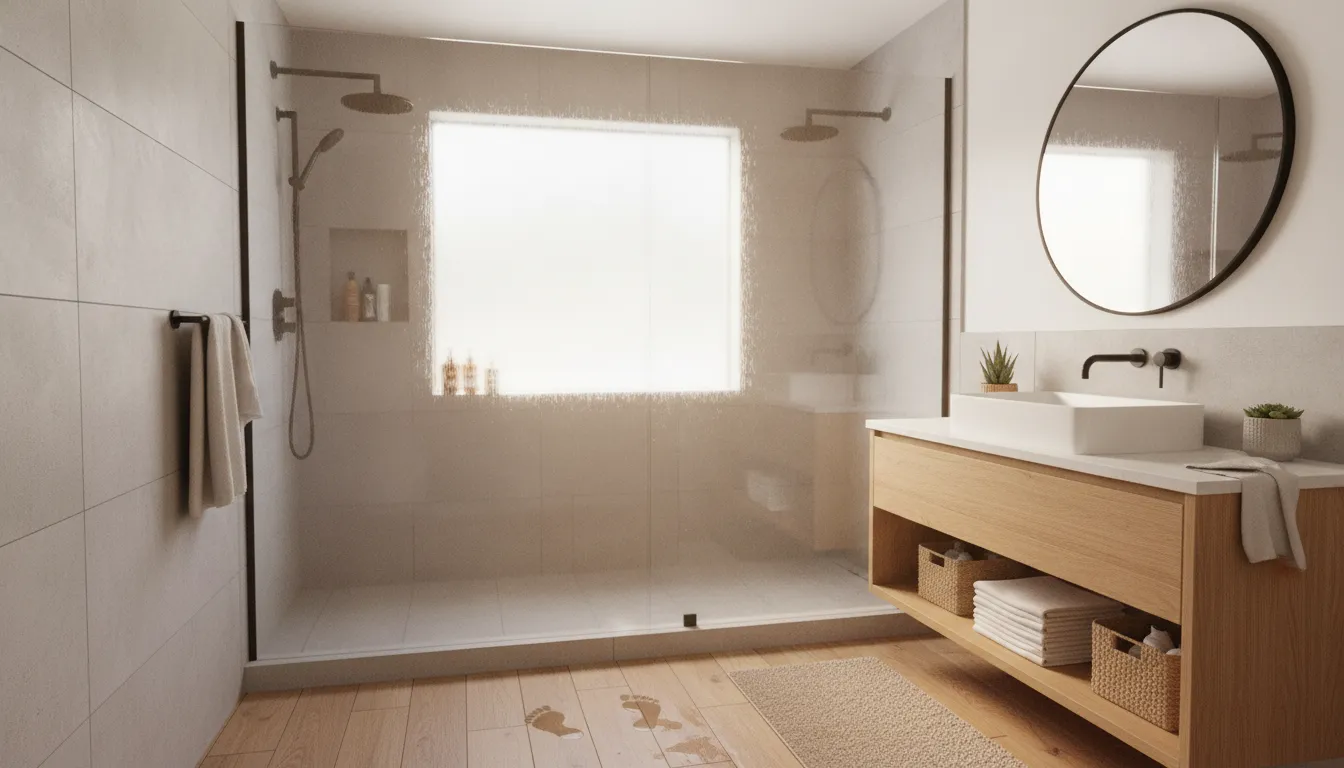
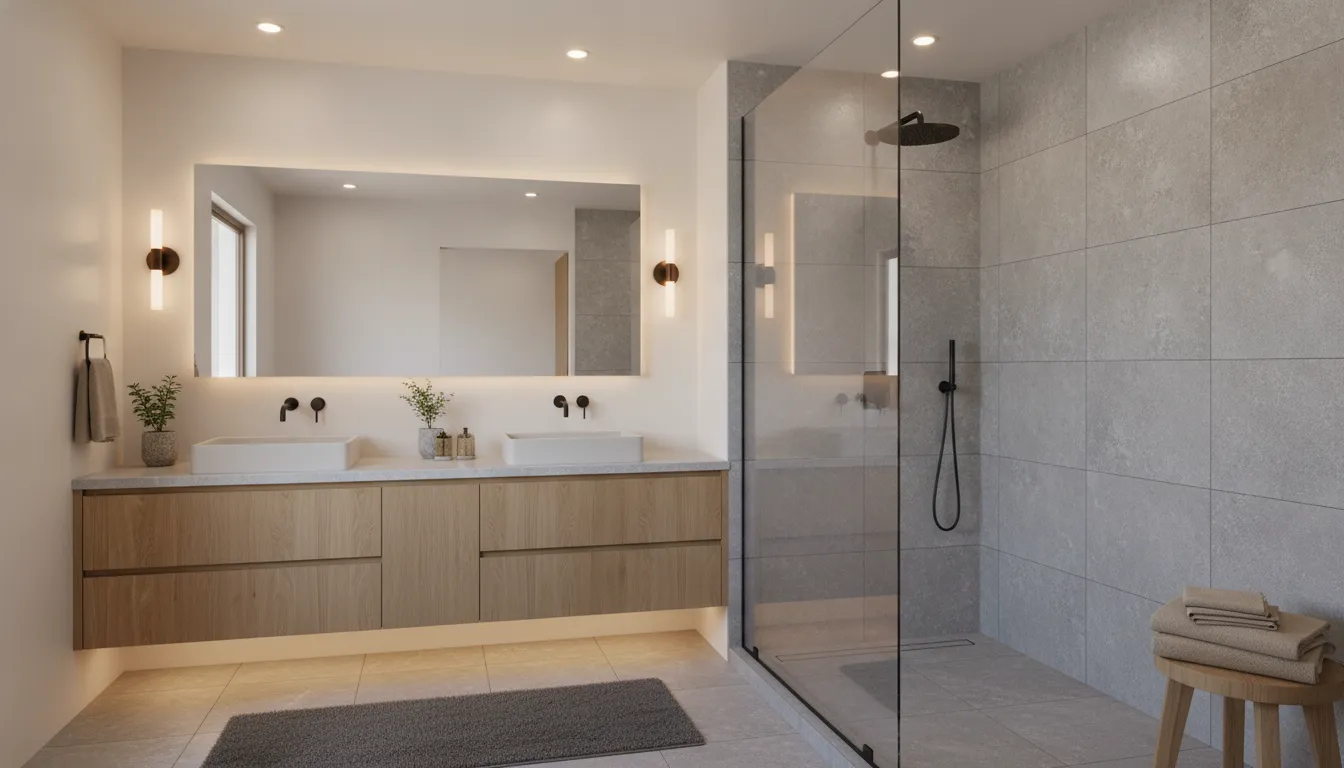
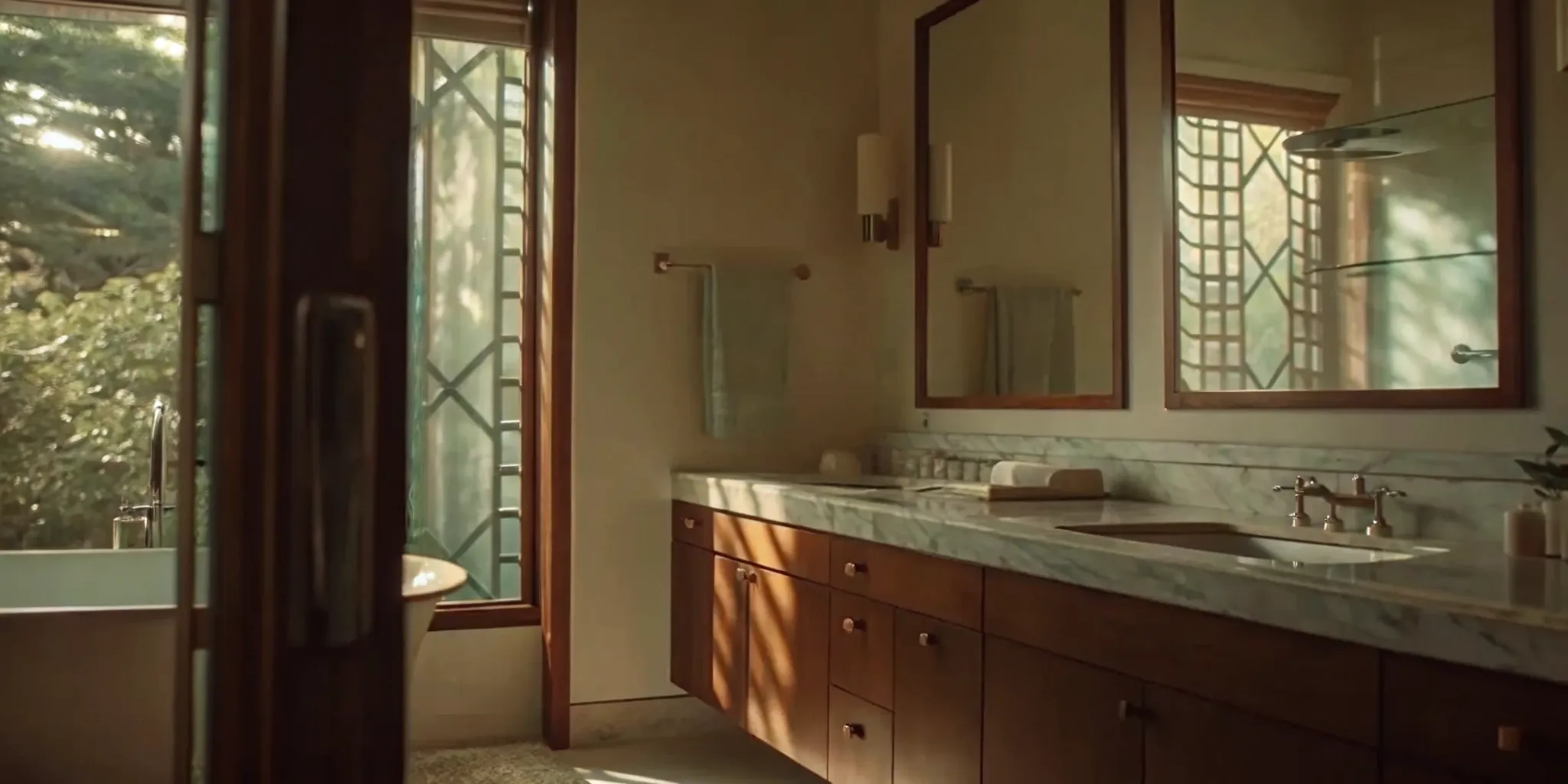
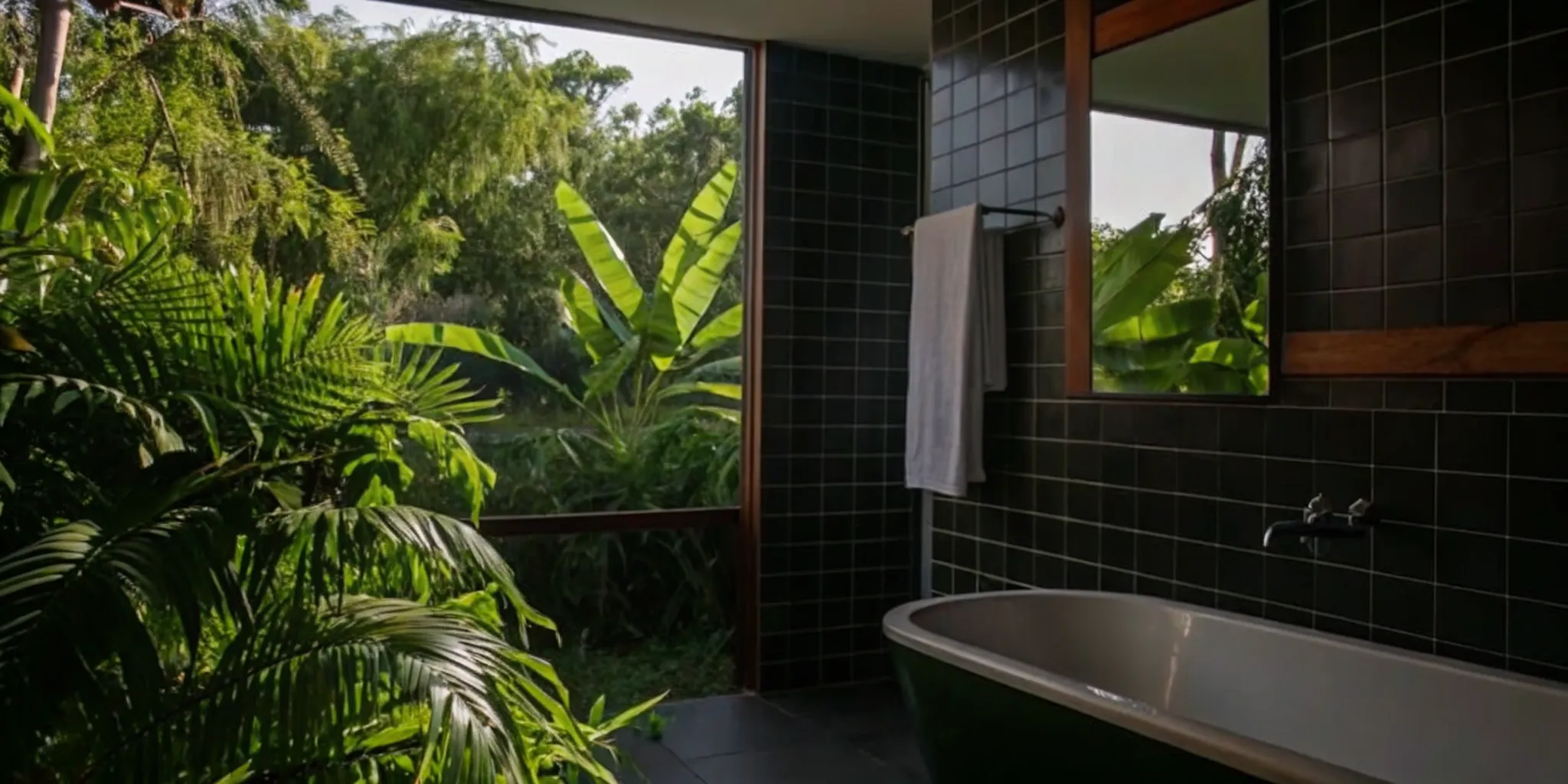
Bathrooms are becoming more restorative, comfortable spaces rather than purely practical rooms. For 2026 and 2027, the strongest designs combine warm materials, easy-to-maintain surfaces, and technology that supports everyday wellness without making the room feel overly futuristic. The goal is a bathroom that feels calm in the morning, relaxing at night, and durable enough for years of use.
Key takeaway: Bathroom design for 2026-2027 prioritizes warm materials, large-format tile, comfort-focused fixtures like soaking tubs and rainfall showers. And floating vanities for a spa-like retreat that remains easy to maintain.

Warm materials create a more grounded retreat
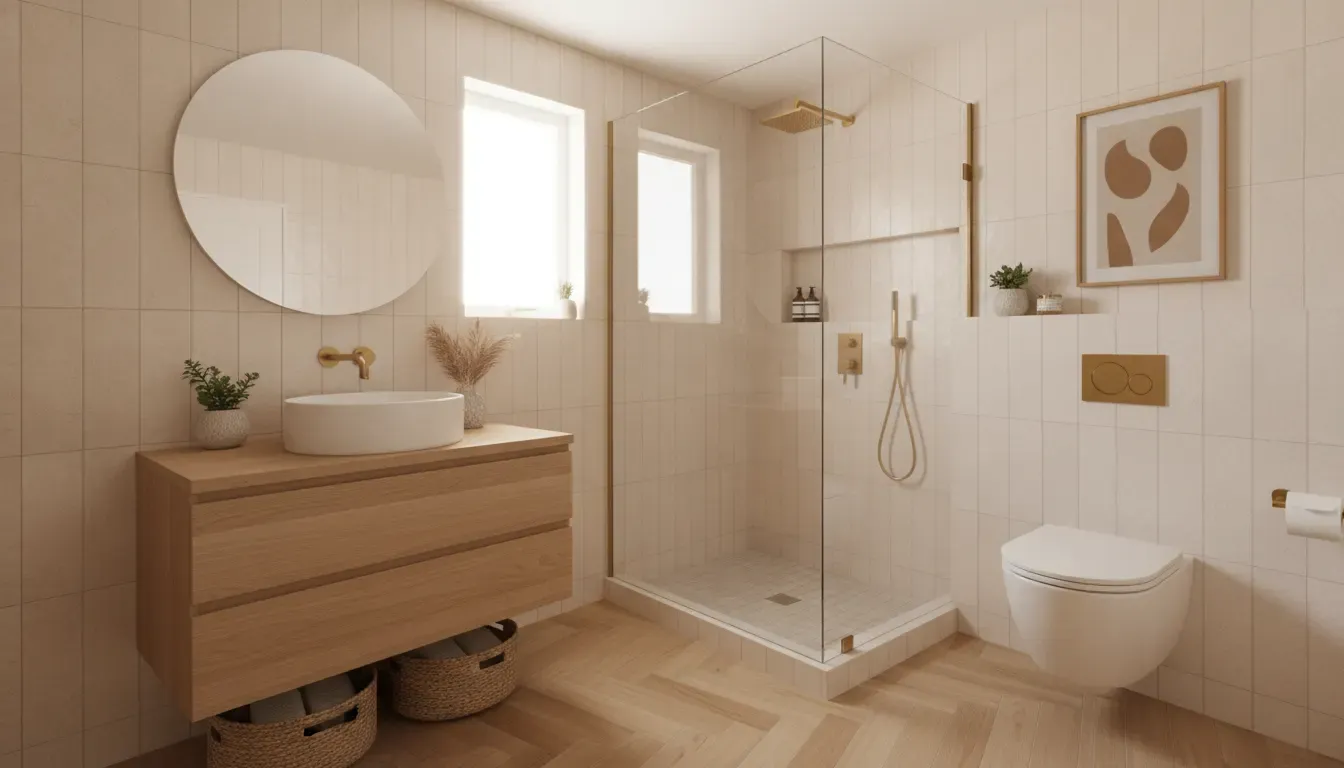
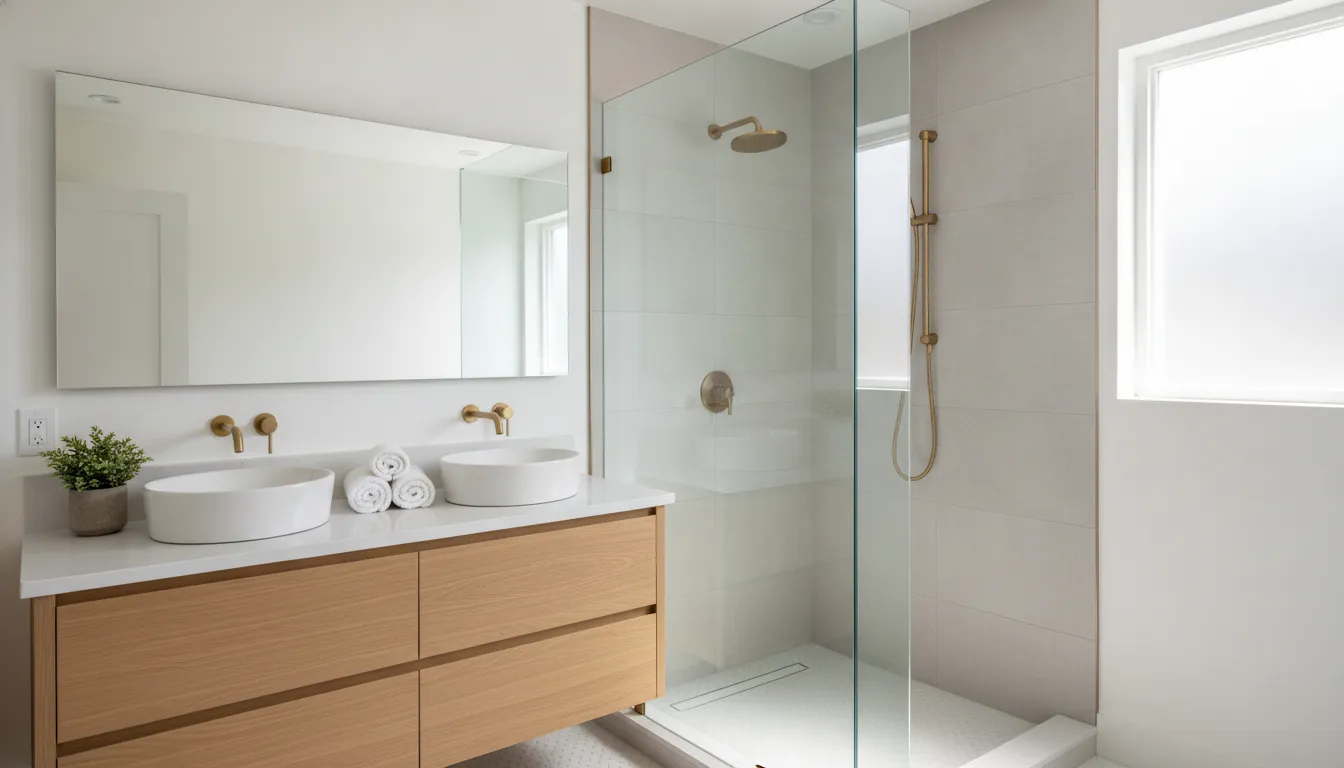
The cooler, highly clinical bathroom look is giving way to warmer palettes. Wood tones, natural stone, and soft neutral surfaces bring visual depth and make a bathroom feel connected to the rest of the home. These materials also carry forward the broader move toward earth-rooted interiors, including olive, moss, clay, terracotta, and umber tones.
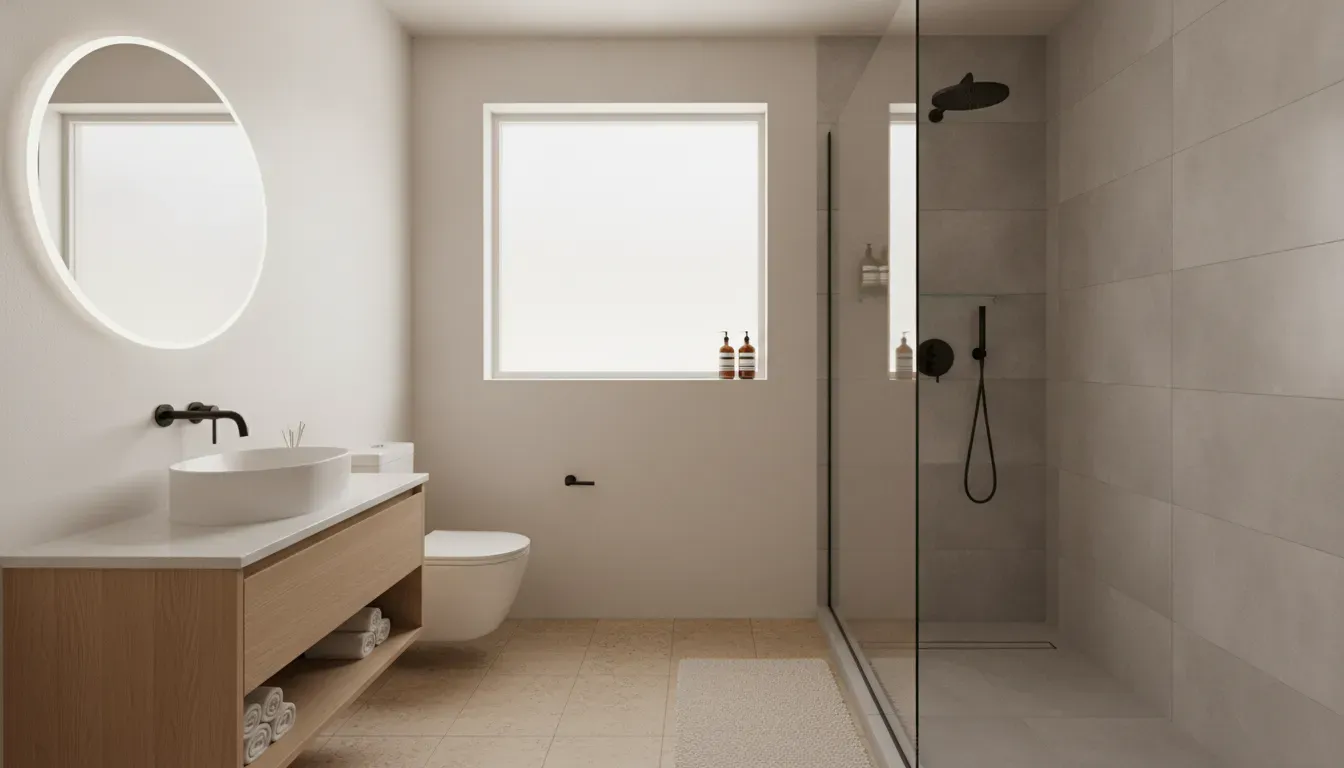
Wood-look cabinetry can warm up a floating vanity, while stone-inspired porcelain can add texture without requiring the maintenance of some natural materials. Used thoughtfully, natural stone can become a focal point on a vanity, shower wall, or bench.
Large-format tile makes small rooms feel calmer
Large-format floor and wall tiles are especially useful when the goal is a quiet, uninterrupted look. Fewer grout lines can make a room appear more spacious and reduce visual clutter. The same tile or coordinated tile family can continue from the bathroom floor into the shower area, creating a cohesive retreat. A qualified installer should confirm that the selected format works with drainage slopes, wall conditions, and the dimensions of the room before materials are ordered.
Comfort-focused fixtures support daily wellness
Freestanding soaking tubs remain a natural centerpiece when the layout has enough clearance for comfortable access and cleaning. Rainfall showerheads can add a spa-like experience, while a handheld sprayer improves flexibility for rinsing and routine maintenance. Heated floors are another high-impact comfort feature, particularly in cooler climates, but they should be planned alongside the flooring system and electrical requirements. Smart toilets with bidet functions are also moving into more renovation plans. These fixtures can offer adjustable washing, heated seats, and other convenience features, but homeowners should consider service access, power requirements, and the control interface before committing.
A floating vanity can make the floor area feel more generous while creating a clean, contemporary profile. It can also provide an opportunity for under-vanity lighting, which is useful as a soft nighttime guide light. Storage still matters, so the vanity should be sized around the household’s actual needs. For a complete cost picture, see this guide to primary bathroom renovation costs and budgets.
What Should Homeowners Budget for a 2026 Renovation?
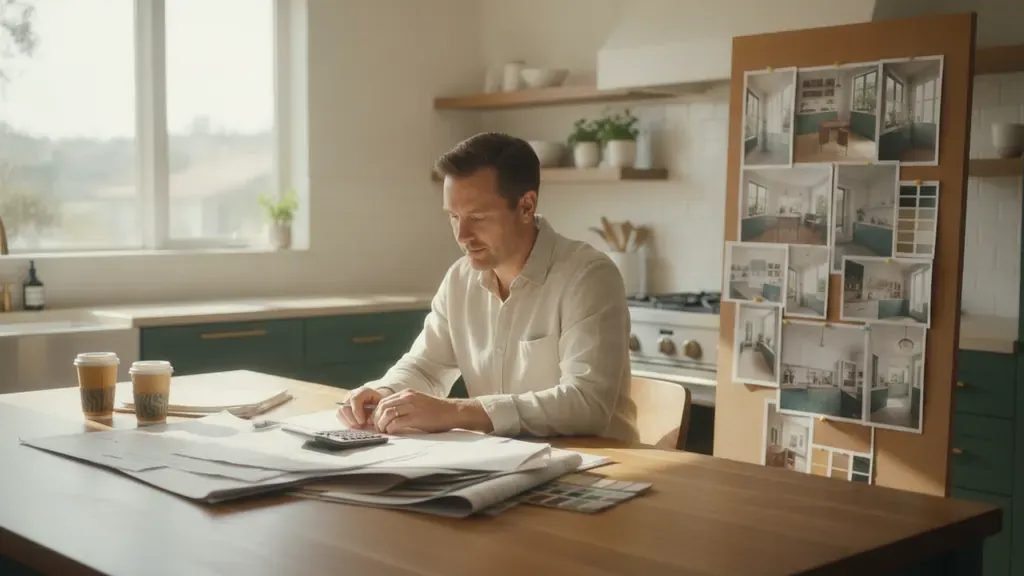
Planning a renovation budget for 2026 or 2027 means looking beyond the price of cabinets, tile, or fixtures. Labor availability, project scope, material choices, and the level of coordination you need can all affect the final investment. The broader market remains active: homeowner spending on improvements is expected to reach $518 billion by the end of 2026, according to the Harvard Joint Center for Housing Studies. That demand makes early planning and careful bid review especially important.
Key takeaway: A realistic renovation budget requires separating must-haves from nice-to-haves, keeping a contingency reserve, and accounting for a busy market. Realm Living helps homeowners achieve 10-25% savings through expert bid review and negotiation.
Build a realistic budget, not a single number
For kitchens, the National Kitchen and Bath Association reports approximate project levels of $21,000 for a budget renovation. $30,000 for a mid-grade renovation. And $60,000 or more for a high-end renovation. These figures are useful starting points, but they are not universal quotes. A kitchen with structural changes, custom cabinetry, premium appliances, or complicated electrical and plumbing work can move well beyond a basic refresh. Bathroom budgets likewise vary according to layout changes, waterproofing requirements, tile selections, fixtures, and accessibility features.
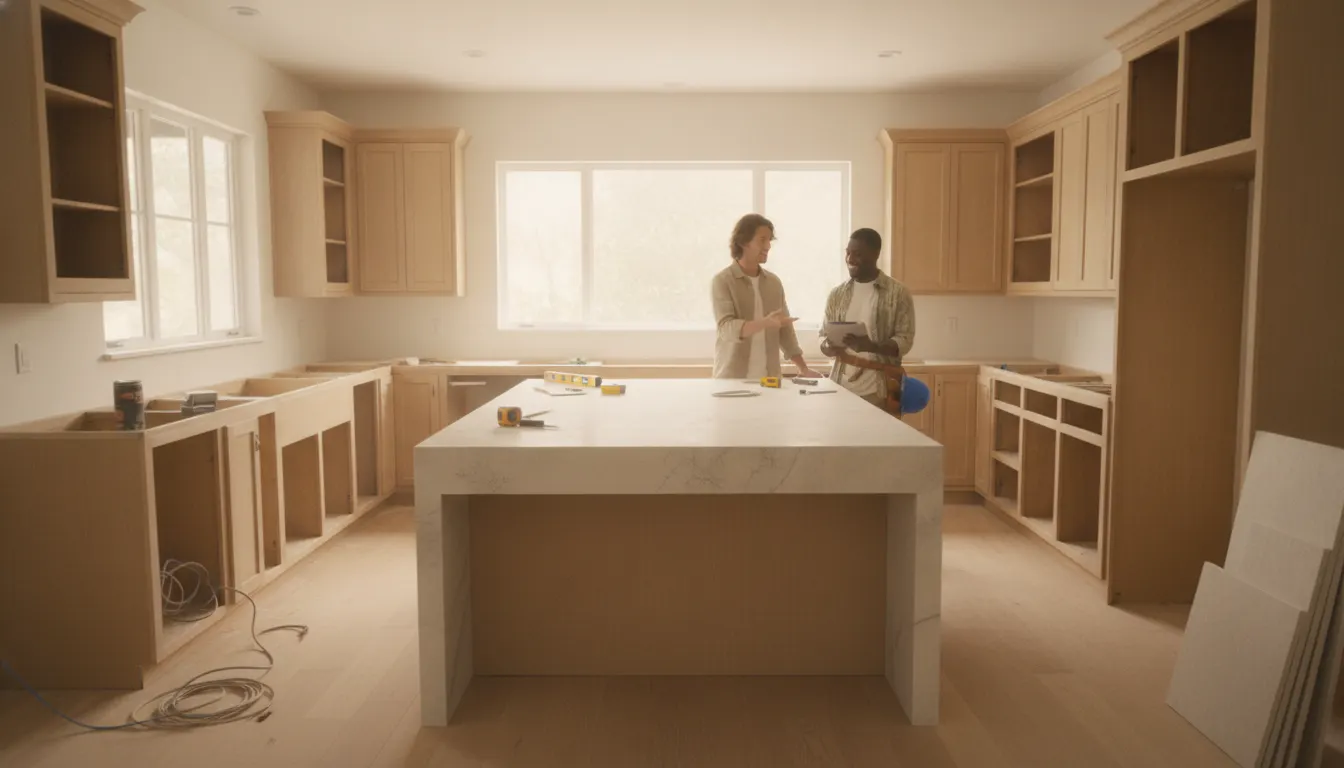
It can help to separate your budget into three categories: the work that must happen. The upgrades that improve daily function, and the finishes that are nice to have. Keep a contingency for conditions discovered after demolition, particularly in older homes. For a more detailed planning framework, review this guide to budgeting for your kitchen renovation.
Account for a busy renovation market
Recent demand signals show that homeowners are still investing in major kitchen improvements. Thumbtack data reported by Forbes showed year-over-year increases of 67% for kitchen remodels, 42% for cabinet refinishing, and 31% for kitchen fixture changes. Rising interest does not automatically mean every project will cost more, but it reinforces the value of comparing qualified bids and defining the scope before work begins.
Build savings into the process, not the finish list
Realm Living helps homeowners pursue 10-25% cost savings through expert bid review and negotiation, while a dedicated advisor coordinates the process and helps clarify tradeoffs. You can work with a dedicated renovation advisor to compare options before committing to a scope. Realm Living also provides a 2-year warranty, which is twice the industry standard. That combination can make a renovation budget more predictable without requiring homeowners to choose the lowest-cost materials or eliminate the improvements that matter most.
Frequently Asked Questions
What is the new look for kitchens in 2026?
The new look is warmer, more personal, and more functional than the highly uniform white kitchen. Homeowners are combining warm neutrals, wood tones, organic greens, natural stone, and built-in storage. The goal is a kitchen that supports cooking, gathering, and daily routines while still feeling visually calm.
What kitchen trends are considered overdone for 2026?
Fully fluted cabinetry throughout a room, heavily grouted stone backsplashes, and industrial styling can make a kitchen feel overly themed. Open shelving used as the main storage system may also create unnecessary visual clutter. Smart features are best selected for a clear purpose rather than added simply to make the kitchen appear more advanced.
What are the top color trends for 2026 kitchen renovations?
Warm neutrals, earthy tones, and organic greens are leading the shift away from stark all-white and cool-gray palettes. Blue is also a versatile choice for islands, lower cabinets, or accents. If you prefer a quieter design, use color on cabinetry or paint and balance it with natural wood and stone.
Is smart home technology still a priority in 2026 kitchen renovations?
Smart technology remains useful, but it is becoming more subtle. Consider practical additions such as hands-free faucets, thoughtful lighting controls, appliance monitoring, or charging built into a drawer. The strongest designs keep controls easy to use and let the kitchen’s materials, layout, and human connection remain the focus.
What storage solutions are most recommended for 2026 kitchen remodels?
Built-in cabinetry and dedicated pantry storage are among the most practical choices. A pantry cabinet can organize everyday ingredients, while a walk-in or butler’s pantry may suit larger layouts and entertaining needs. Include pullouts, drawer organizers, appliance garages, and storage sized around how your household actually cooks.
Ready to Start Your Renovation?
Kitchen and bathroom trends can help you envision a space that fits the way you live, but choosing the right priorities takes thoughtful planning. A dedicated Realm Living advisor can help you shape the next step around your goals, preferences, and home. Get started with Realm Living and build a renovation plan that reflects how you actually live, cook, and gather.