Luxury Home Renovation Cost in California and Washington
Get a realistic luxury home renovation cost estimate for your high-end project. Explore kitchens, master suites, ADUs, and additions across CA and WA.
|
September 12, 2026

In this article:
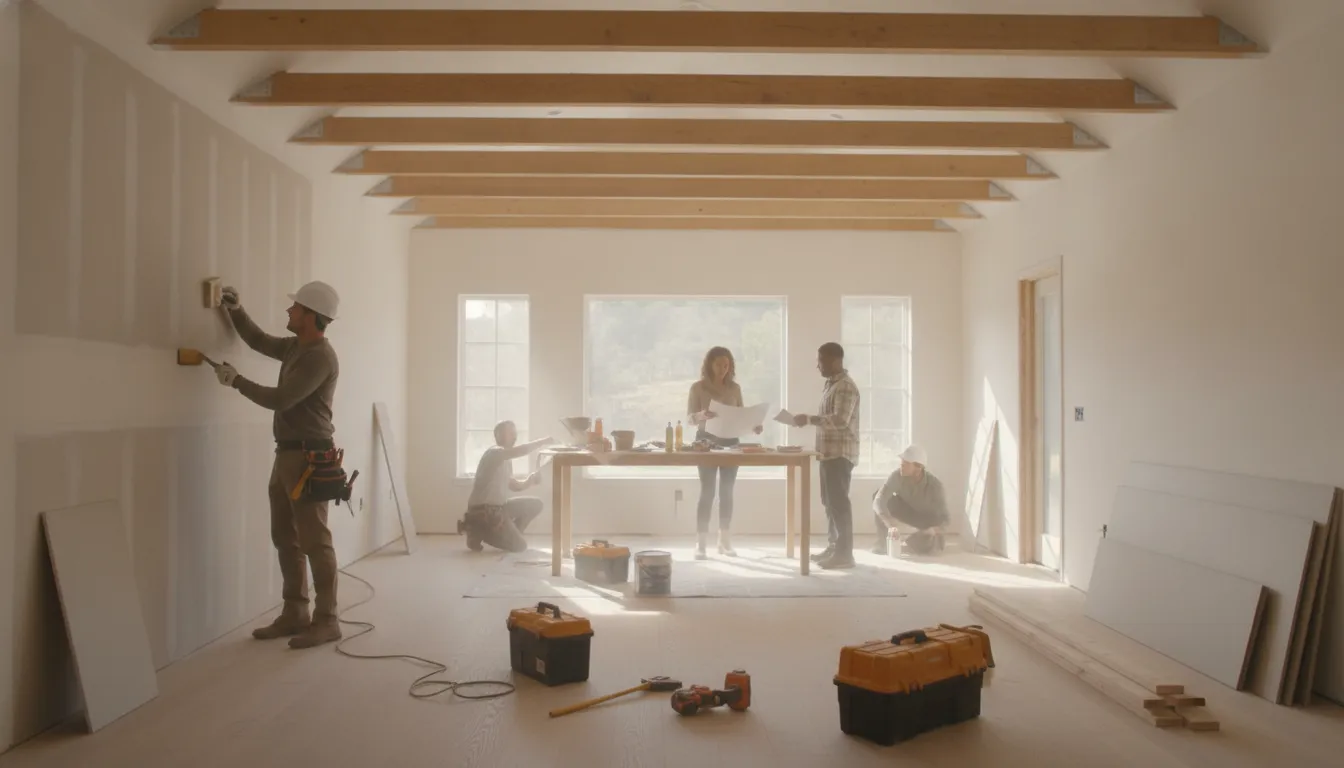
Luxury renovations rarely become expensive because of one dramatic selection. The budget grows through the interaction of location, square footage, structural work, systems, permitting, craftsmanship, and the level of finish you expect. In California and Washington, those variables can shift substantially between markets, even when two homeowners request similar work.
Get started with a luxury home renovation feasibility review
For homeowners planning a $200,000-plus project, luxury home renovation cost is best understood as a project-specific range rather than a fixed price. High-end remodels can exceed $250,000 when they replace major systems, add square footage, or use luxury finishes. While broader market estimates place complex luxury work around $200 to $500 or more per square foot, depending on scope and location. San Francisco, Los Angeles, Sacramento, and Greater Seattle each bring different labor, permitting, and material conditions, so an early feasibility review matters.
Understanding what drives the estimate helps you compare a custom kitchen, master suite, ADU, or addition on equal terms. It also makes it easier to protect the design goals that matter most while identifying cost pressure before construction begins.
What Determines Luxury Home Renovation Cost in California and Washington
A luxury renovation is defined less by a single finish or fixture than by the number of decisions, systems, and specialists required to deliver the result. In California and Washington, high-end remodels often exceed $250,000 when they combine major systems replacement, additional square footage, and premium finishes. A useful planning range for luxury work is roughly $200 to $500 or more per square foot, depending on complexity and customization. Those figures are starting points for conversations, not quotes, because the same scope can price very differently across Los Angeles. San Diego, the San Francisco Bay Area, Sacramento, and Greater Seattle.
Existing systems can account for a substantial share
Behind the visible design, electrical, plumbing, and HVAC work can represent 30% to 40% of a luxury remodel budget. Replacing an aging electrical panel, upgrading service, rerouting plumbing, or improving heating and cooling may be necessary before new cabinetry, stone, or millwork can perform as intended. These costs are easy to underestimate when a project is first imagined as a kitchen, bathroom, or interior refresh. They become more significant when walls move, rooms are added, or a whole-home plan connects several systems.
Size and customization multiply the scope
Square footage affects more than the number of materials purchased. A larger renovation typically requires more design coordination, demolition, labor, inspection, and project management. Customization adds another layer: made-to-order cabinetry, unusual layouts, structural changes, integrated technology, and carefully matched materials all require specialized planning and installation. This is why two homes with similar footprints can have very different budgets. A high-end kitchen with structural reconfiguration, for example, carries a different cost profile from a cosmetic replacement.
Local markets create meaningful differences
Regional conditions matter. Major renovation costs in San Francisco are reported at approximately $600 to $800 per square foot, while Los Angeles ranges from about $200 to $450 per square foot. Sacramento can start near $237 per square foot. These benchmarks do not establish a fixed price for every home, and they do not substitute for a project-specific estimate. Labor availability, permitting, site access, structural conditions, and the level of finish can shift the total in any market, including San Diego and Greater Seattle.
Realm Living helps homeowners connect these cost drivers to a defined scope before construction begins. Advisors can help clarify priorities, identify the systems and approvals a project may require, and compare options with vetted professionals. For broader planning context, see this whole-house renovation cost guide.
What High-End Kitchen and Bathroom Renovations Cost
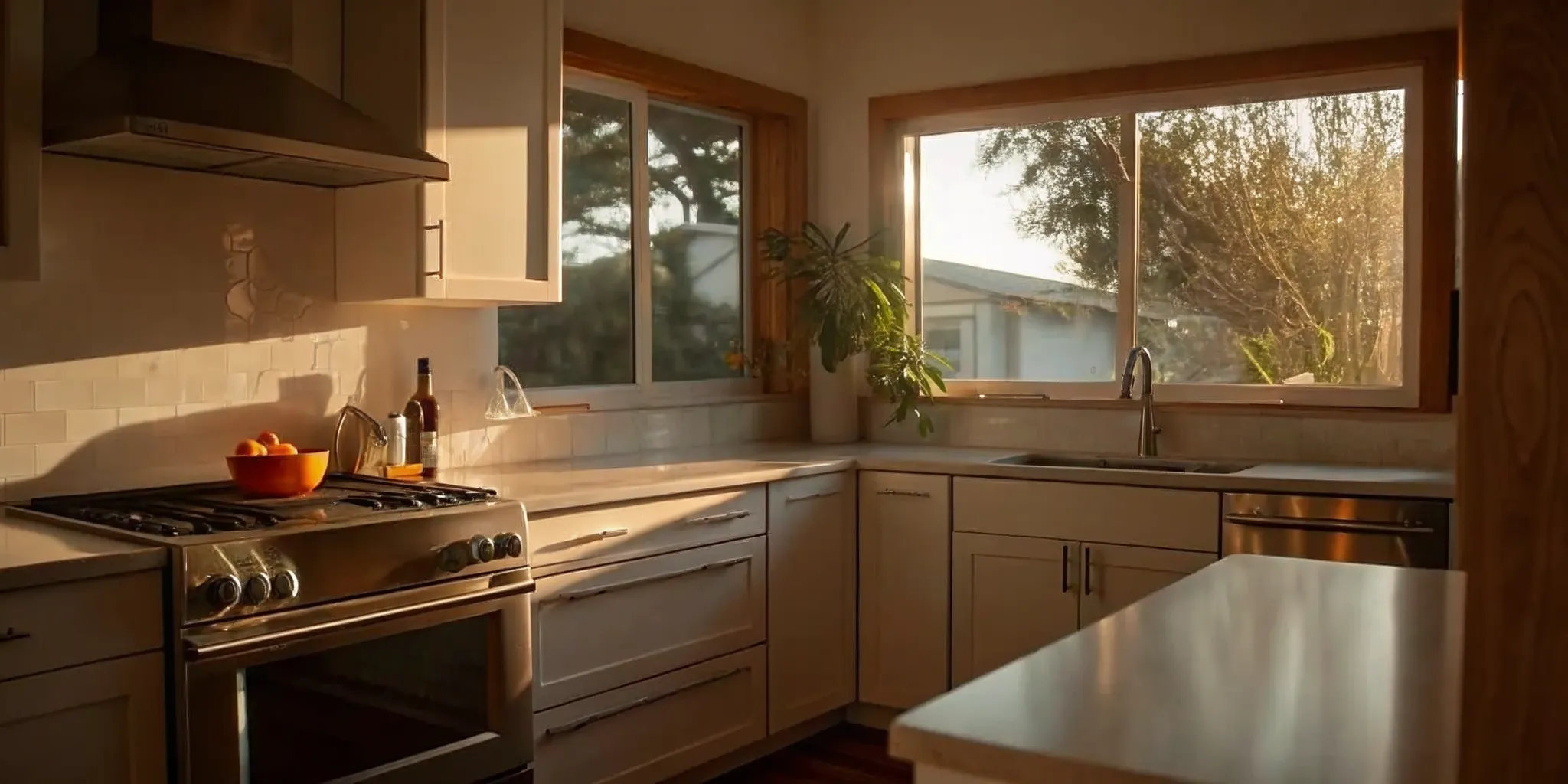
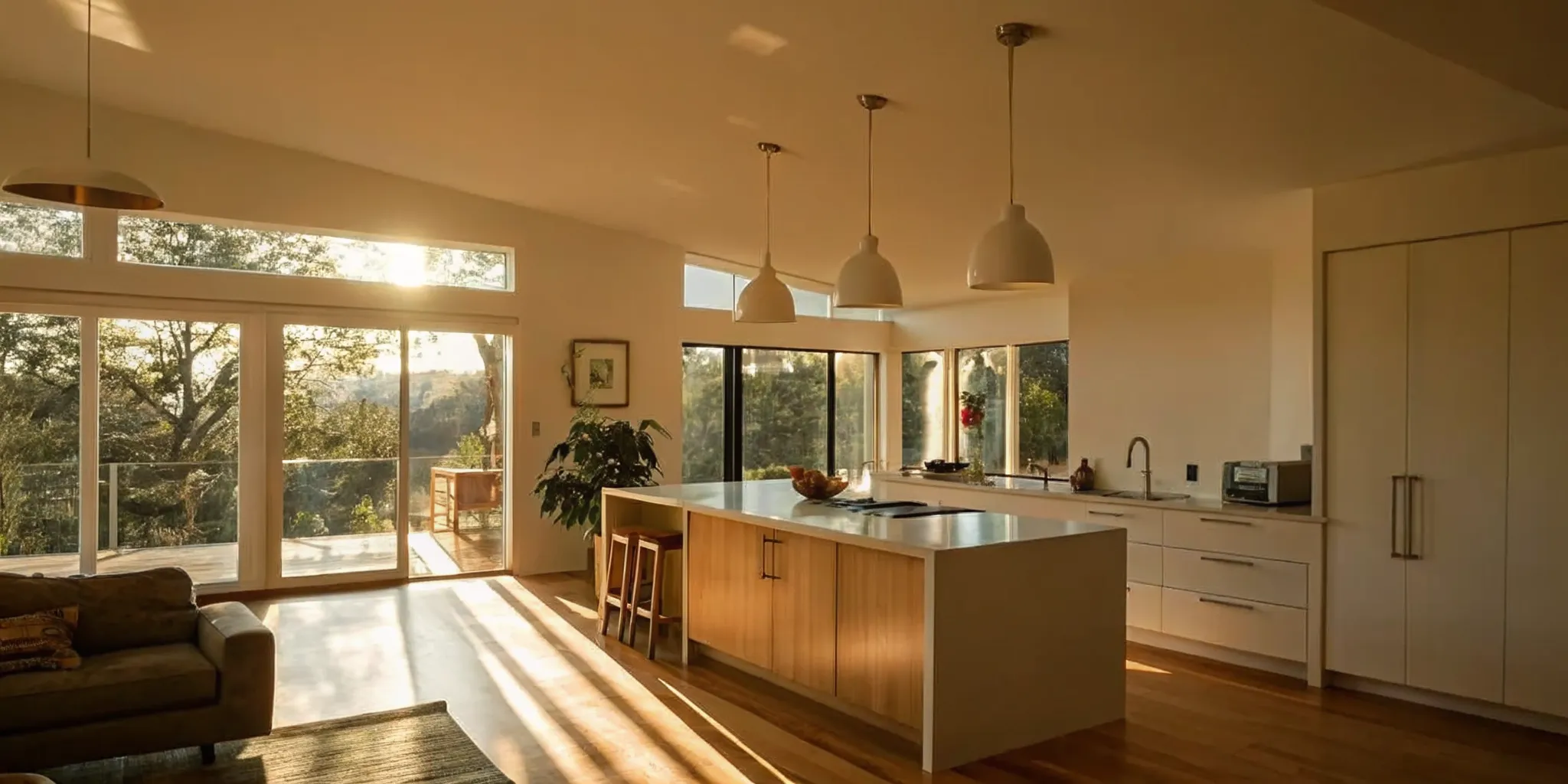
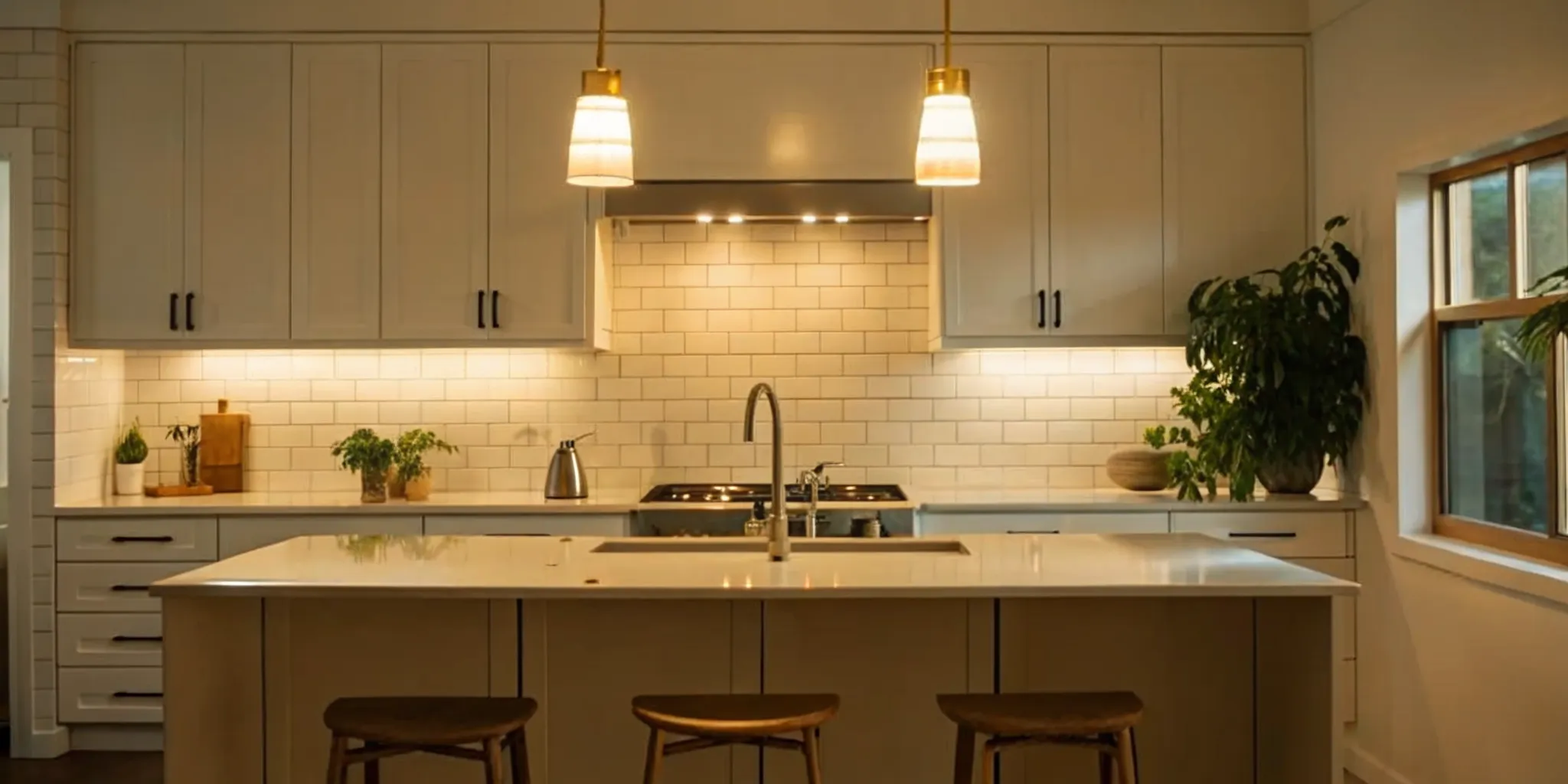
Kitchen and bathroom renovations often become the budget-defining parts of a luxury project because they combine structural work. Specialized systems, custom millwork, and finish selections in a concentrated footprint. A high-end kitchen remodel can range from the low six figures into the $300,000 range in premium markets, according to scale estimates from Four Brothers. That is a useful reference point, not a universal quote. Your final number depends on the home, city, scope, and level of customization.
What separates a standard kitchen remodel from a luxury one
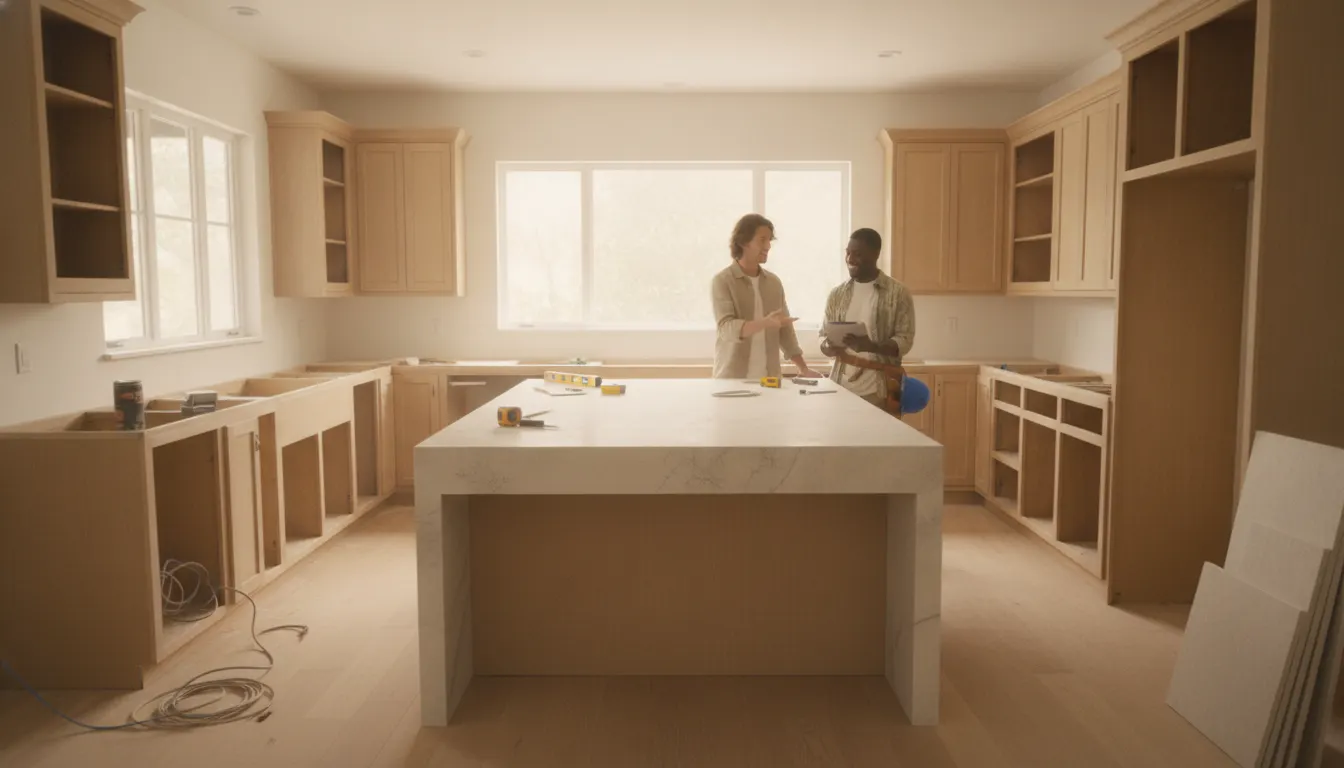
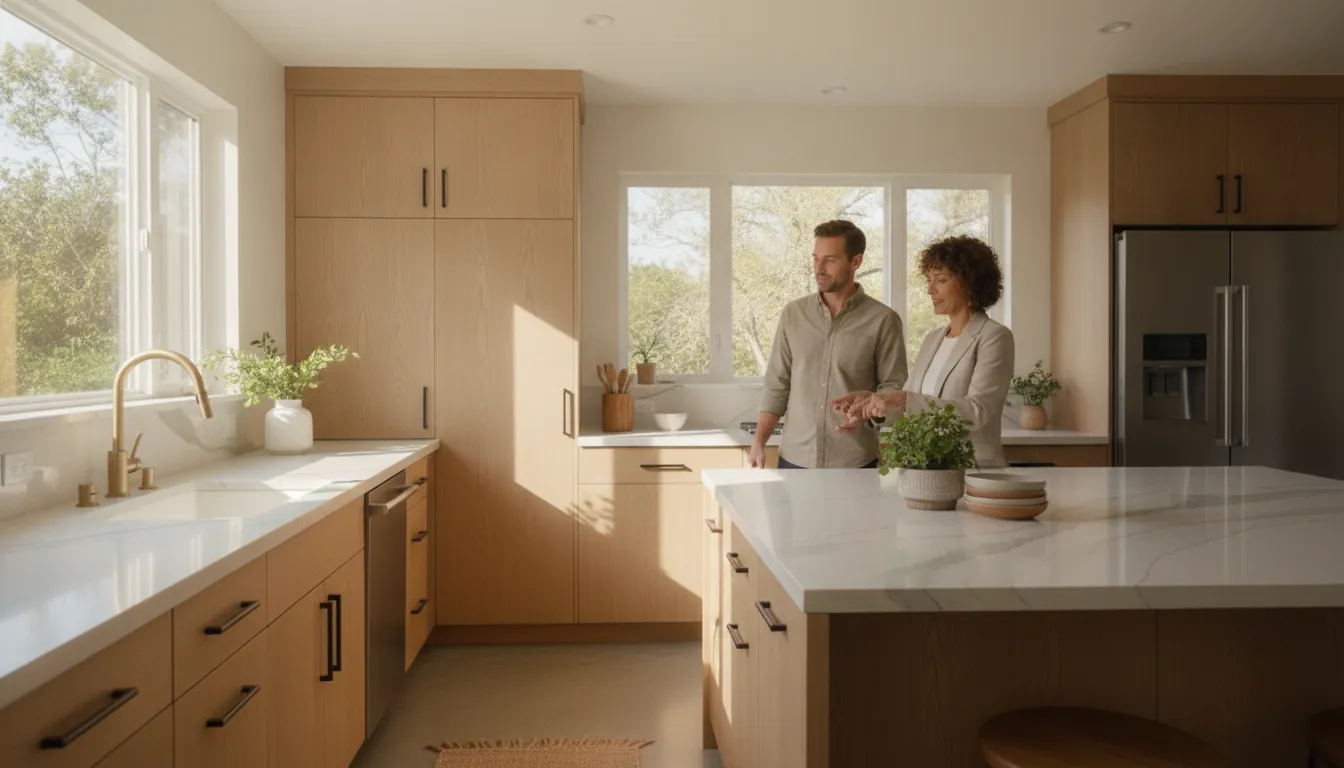
A standard remodel may replace cabinets, counters, appliances, and finishes while keeping the existing footprint. Luxury work more often changes how the room functions. Moving walls, widening openings, relocating plumbing, upgrading electrical service, or adding structural support can turn a finish-focused project into a substantial renovation. High-end appliances, fully custom cabinetry, specialty stone, integrated storage, and detailed lighting also represent a significant share of the investment. These choices are not simply cosmetic. They require precise coordination among designers, trades, suppliers, and installers.
Behind the visible finishes are the systems that make the room perform safely and comfortably. Electrical, plumbing, and HVAC work can account for approximately 30% to 40% of a luxury remodel budget, according to Carriage House Interiors. That is why an early estimate should identify service upgrades, fixture locations, ventilation, and access requirements before selections are finalized.
High-end bathroom considerations
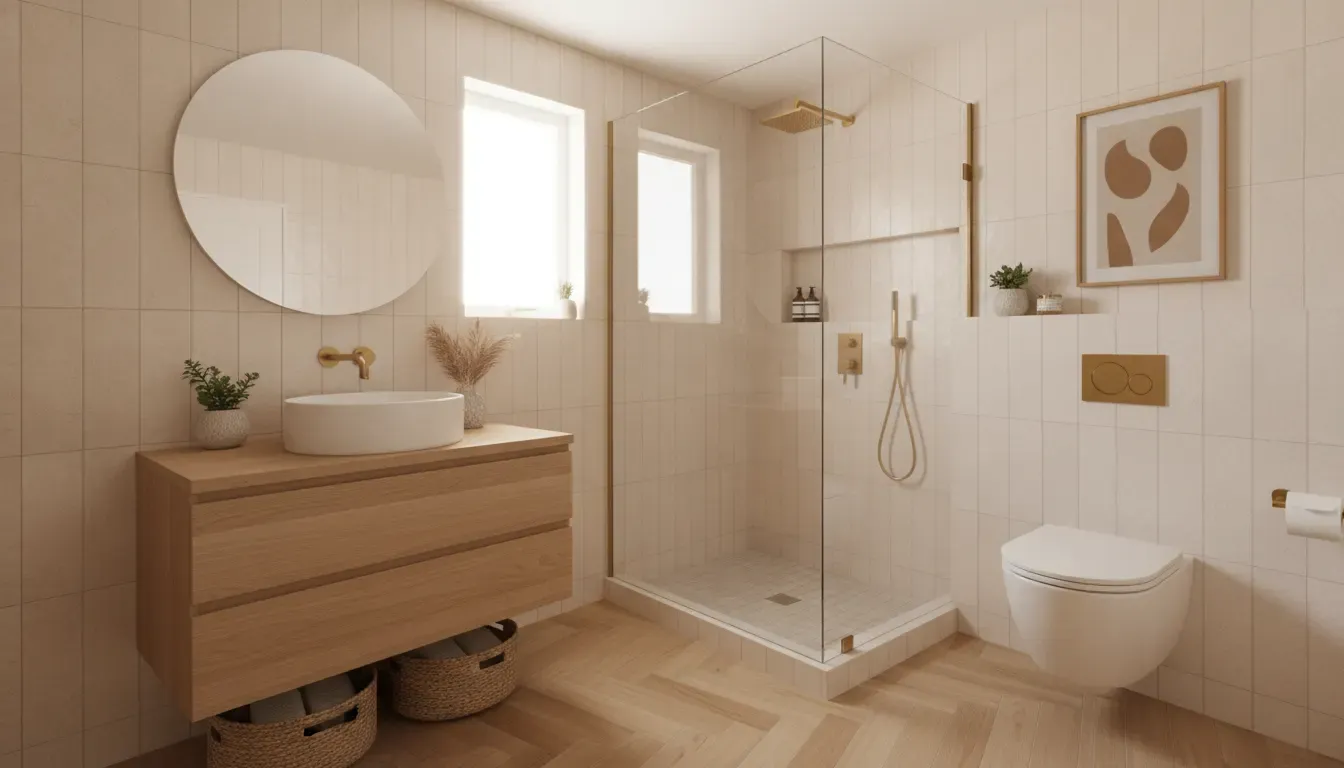
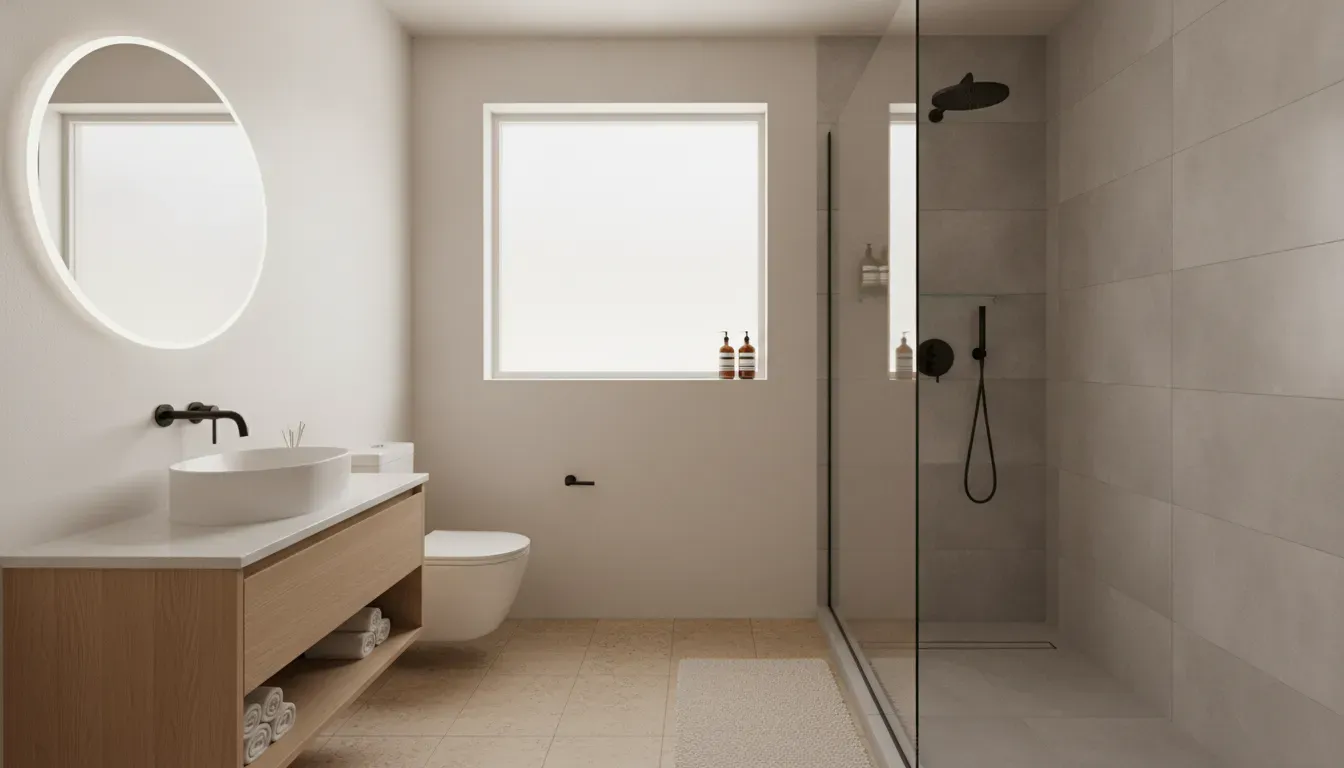
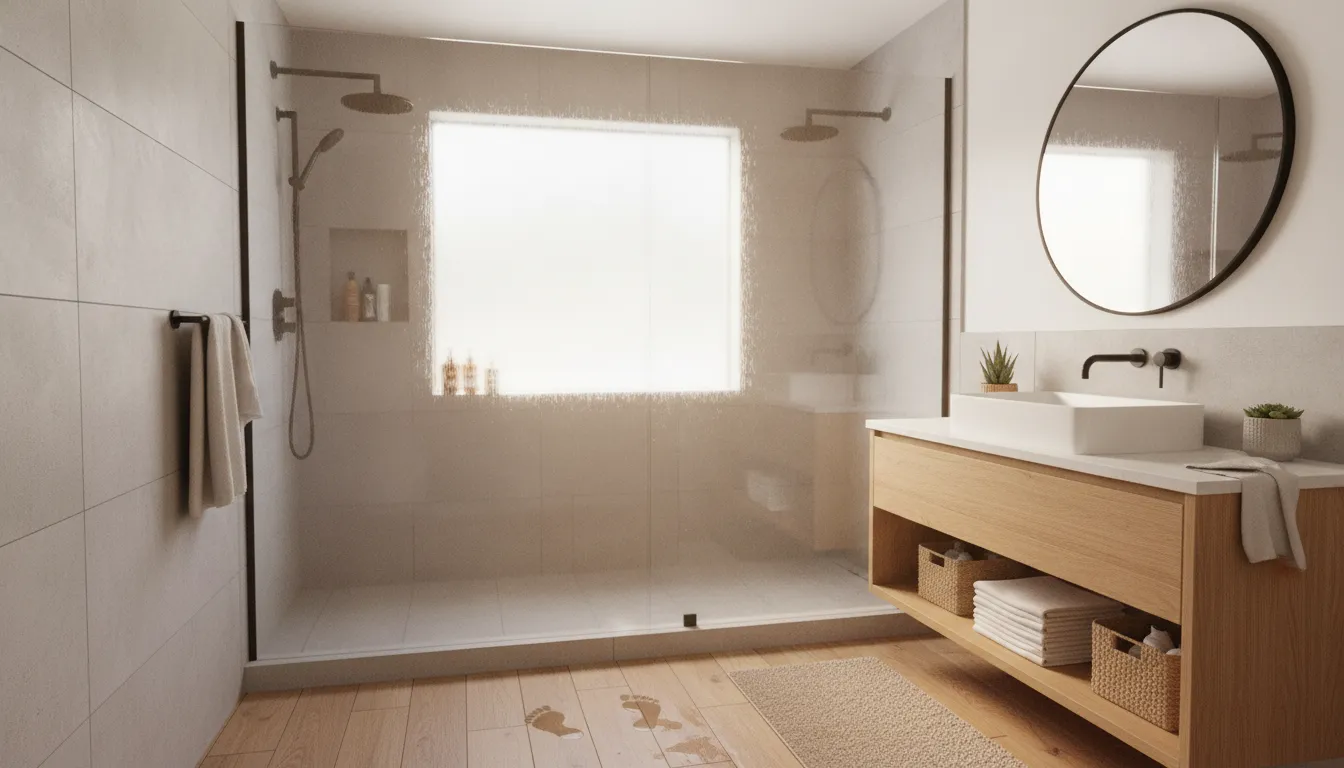
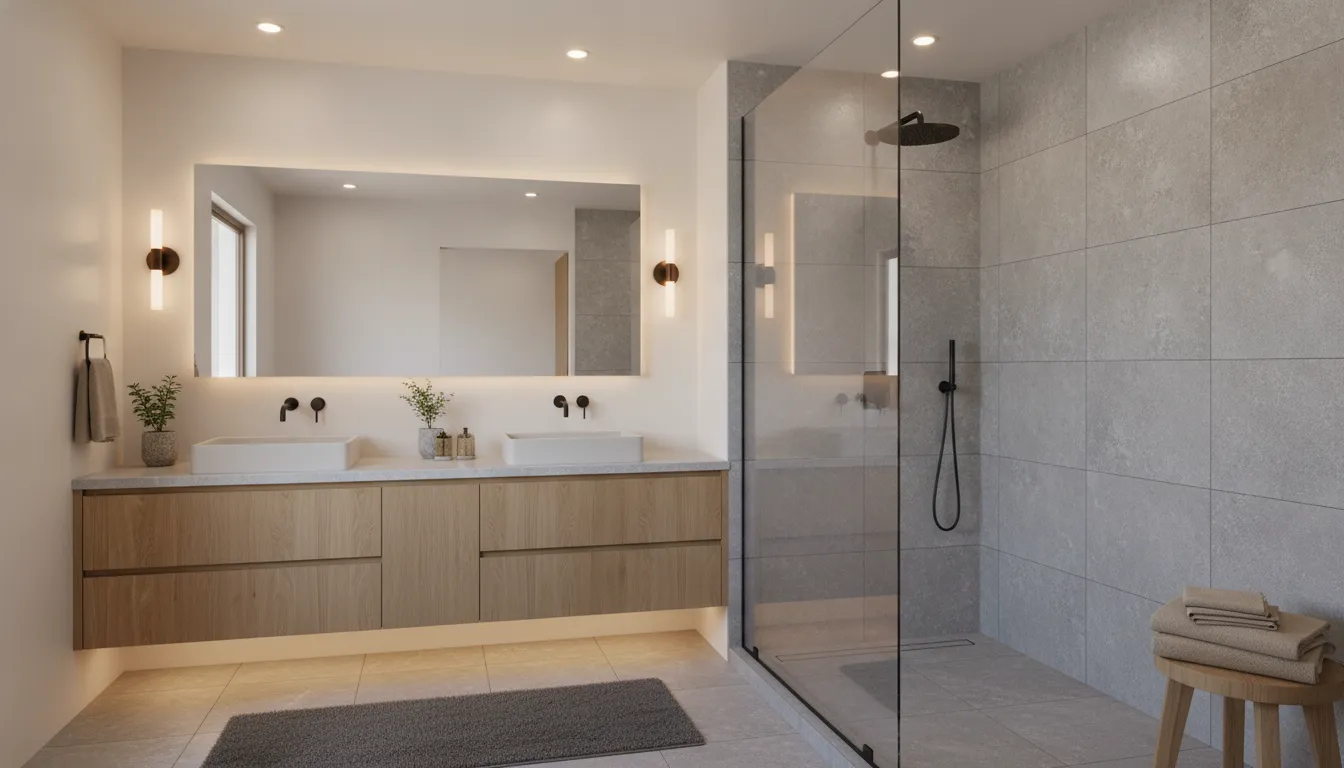
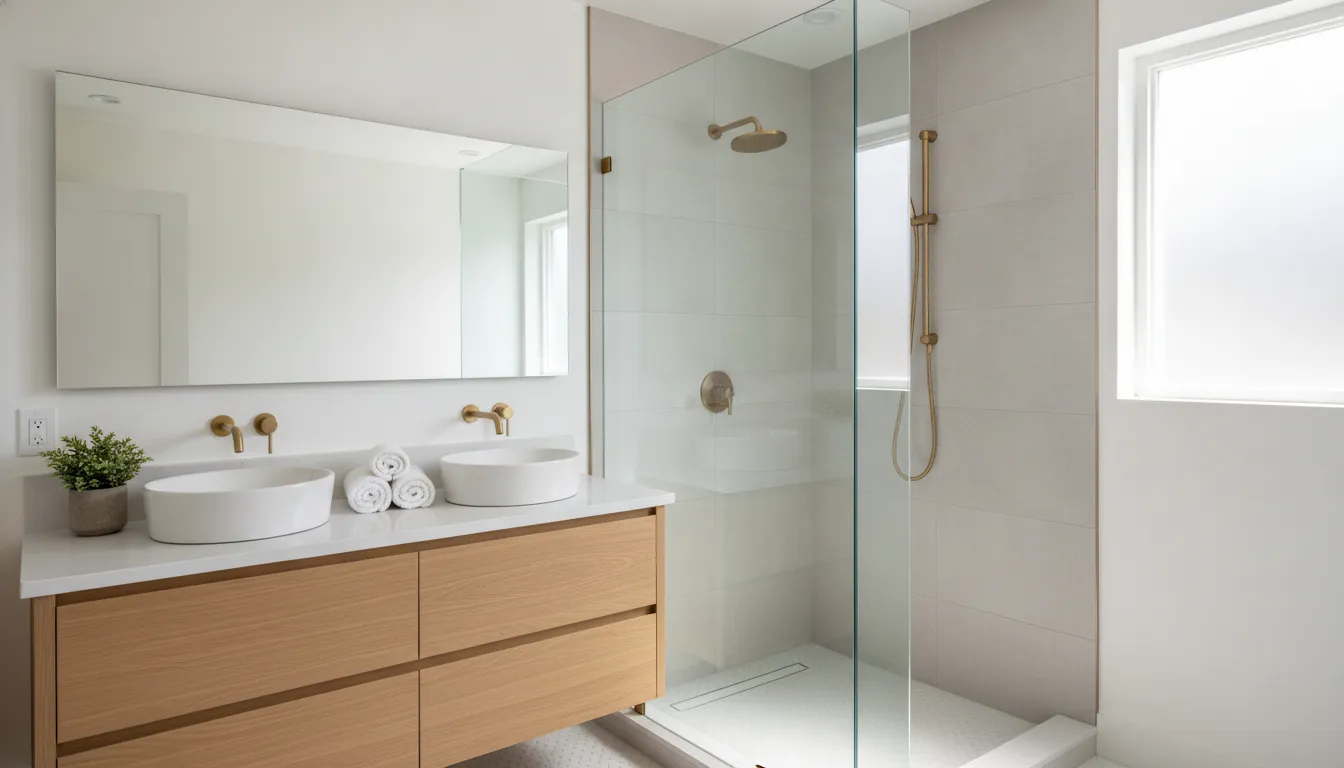
Luxury bathrooms carry similar cost drivers, even when the room is smaller. A primary suite bath may require waterproofing, new drainage, enhanced ventilation, heated floors, custom vanities, large-format stone, frameless glass, and carefully coordinated lighting. Reconfiguring the room or moving a shower, toilet, or tub can add substantial plumbing and structural work. Premium fixtures and stone are only one part of the budget; installation precision and the condition of the underlying walls and floor matter just as much.
For homeowners evaluating a luxury home renovation cost, the most reliable approach is to define the desired outcome first, then price the systems and construction needed to deliver it. Realm Living can help coordinate planning, cost visibility, and vetted professionals for a major kitchen or bathroom renovation. See how luxury home renovation costs break down before setting a final scope.
Luxury Master Suite and Custom Addition Costs
A luxury master suite can be more than a larger bedroom. It may combine a structural expansion, a spa-style bathroom, a custom walk-in closet, upgraded lighting, and new mechanical systems. When the project also changes the home's footprint, the budget reflects both the finished spaces and the complexity of connecting them to the existing structure.
What makes a master suite renovation expensive?
High-end finishes are one visible cost driver, but they are only part of the picture. Custom millwork, stone surfaces, premium plumbing fixtures, specialty lighting, large-format windows, and built-in storage can each increase material and installation costs. A walk-in closet with tailored cabinetry requires more design and fabrication than a standard closet. A spa bathroom may add multiple plumbing fixtures, heated floors, carefully coordinated waterproofing, and substantial tile work.
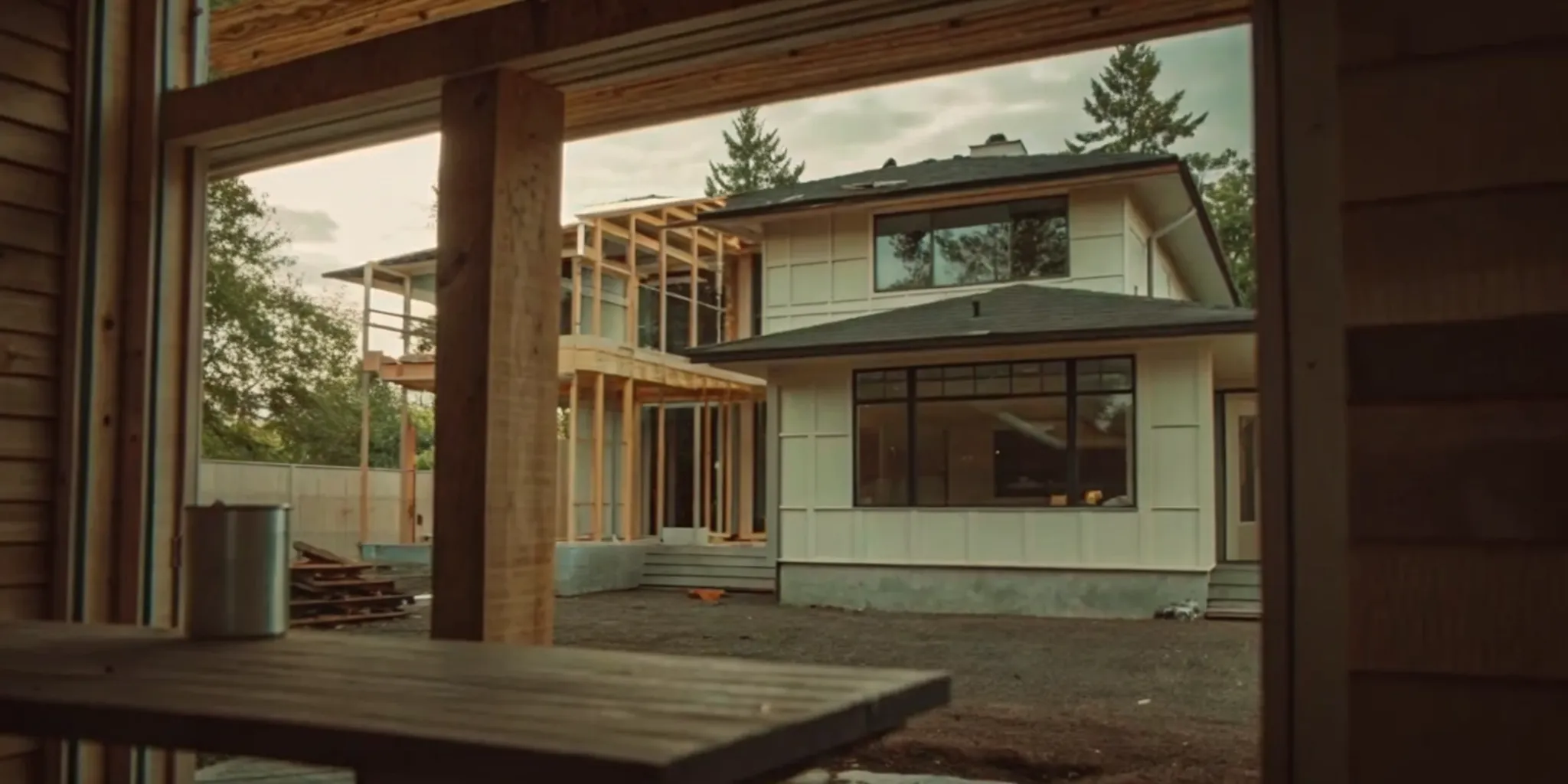
Structural expansion can change the project more significantly. Extending exterior walls, modifying the roofline, reinforcing framing, relocating utilities. Or opening the existing home for a new connection can require architectural and engineering work in addition to construction. Permits and approvals also need to be planned before work begins. The Washington State Department of Health renovation guidance notes that projects modifying building systems and structural elements involve distinct planning and compliance considerations.
How custom additions affect the budget
For scale, a Washington, D.C. luxury remodeling reference places additions with interior work at roughly $700,000 to $3 million, while additions alone range from about $200,000 to $900,000. These figures are not quotes for California or Washington. But they illustrate how quickly a custom addition can move beyond a room-by-room renovation when it includes substantial structural work and premium specifications. See the source's luxury addition cost ranges for that market context.
Because kitchens and master suite additions require specialized labor across design, engineering, permitting, and construction, they benefit from high-touch expert planning. Realm Living helps homeowners clarify the desired outcome, understand the full scope, and coordinate the right team before construction begins. That early visibility makes it easier to decide where custom details matter most and where the existing home can be adapted instead of rebuilt.
Premium ADU Costs in California and Washington
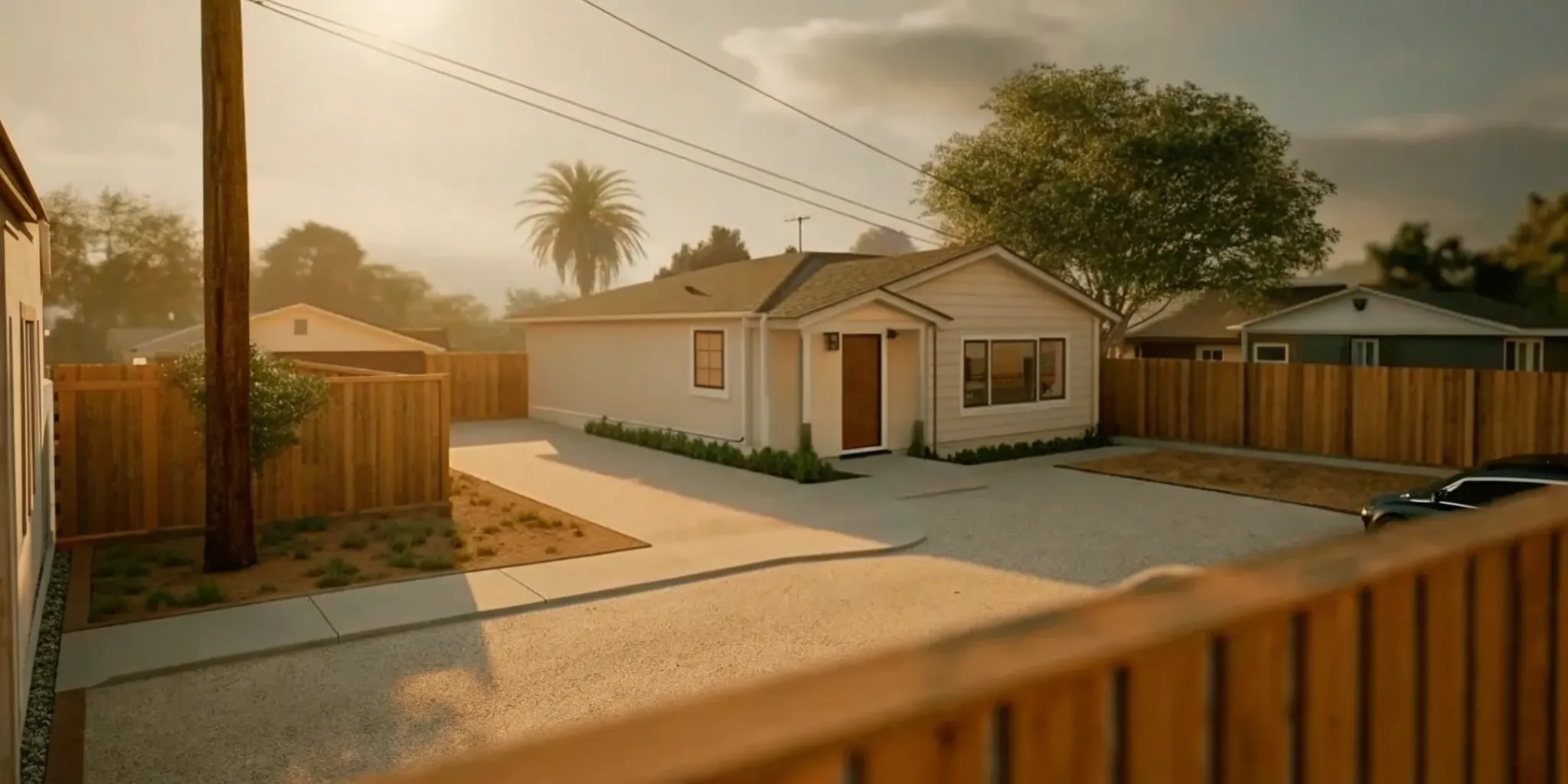
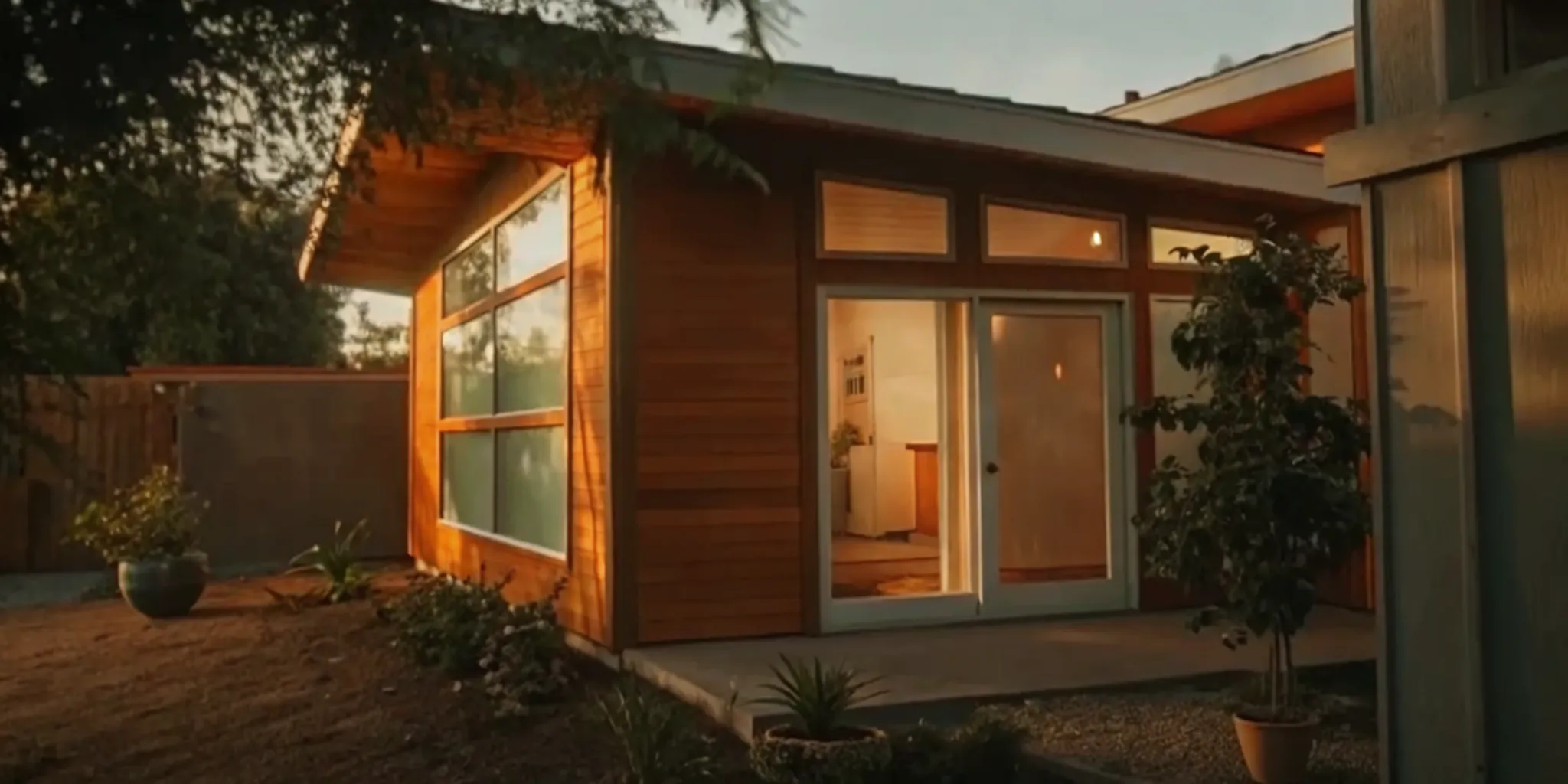
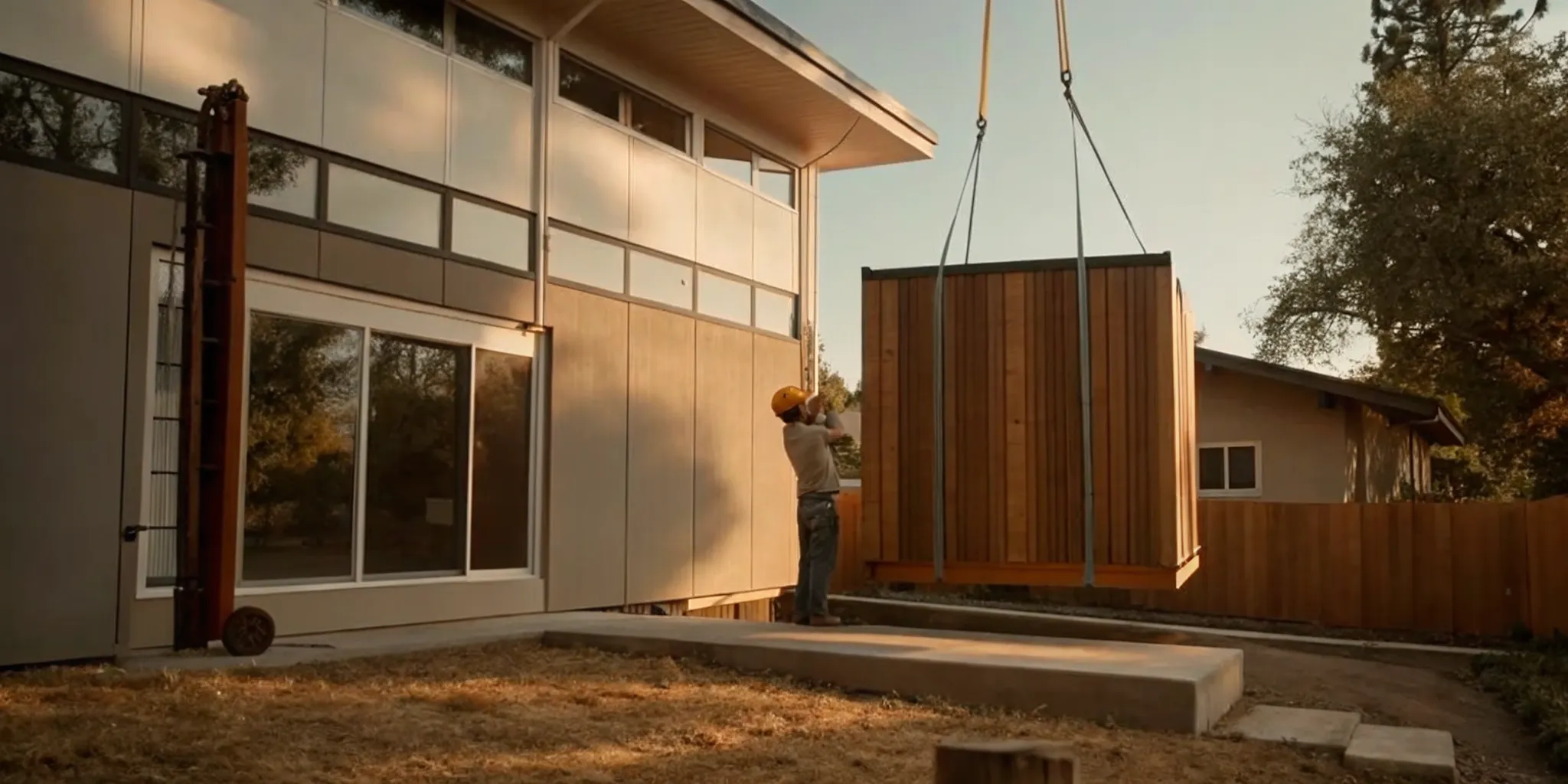
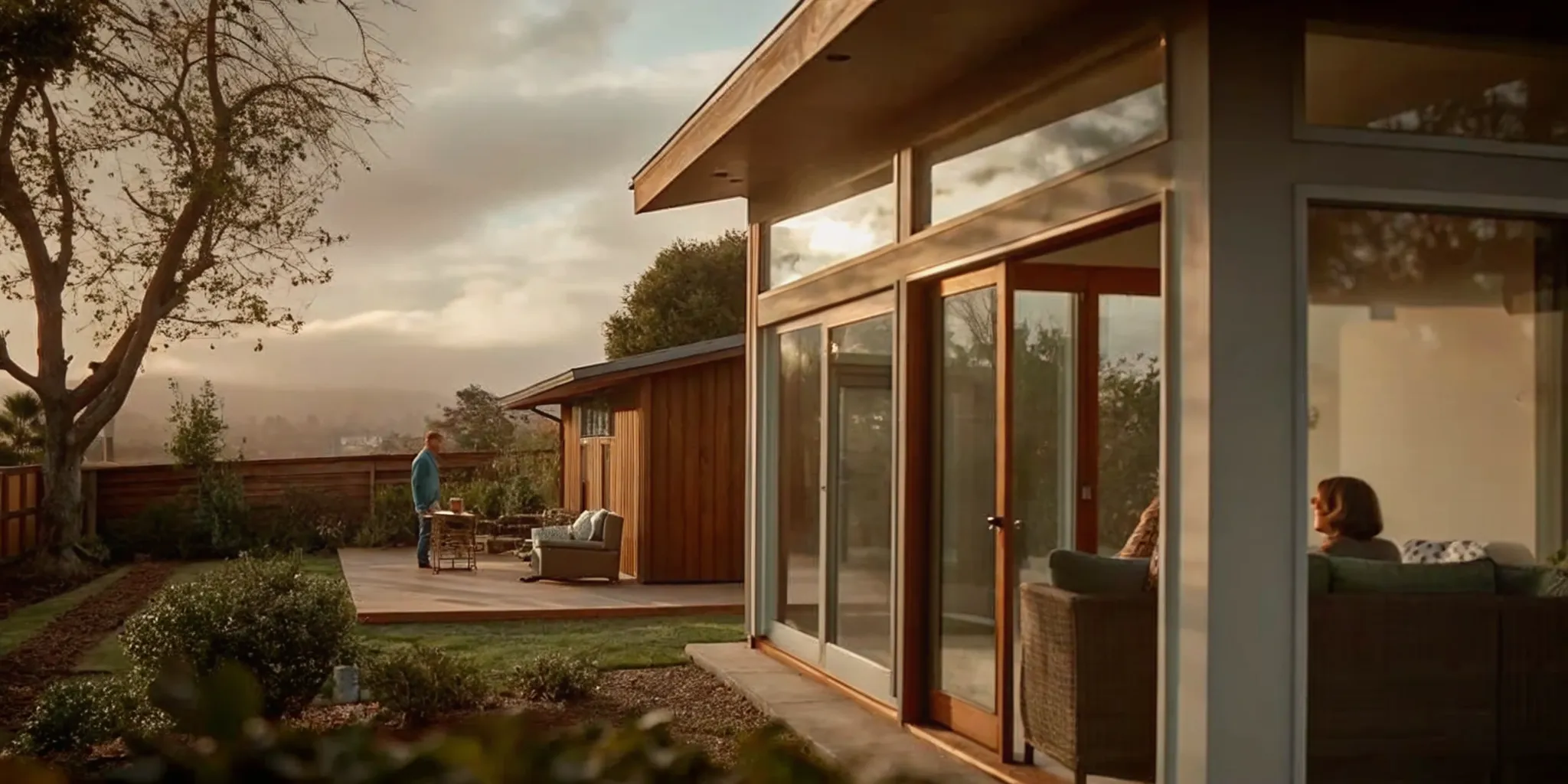
Accessory dwelling units are increasingly popular across major California and Washington markets. Especially with homeowners seeking flexible guest space, multigenerational housing, or a private residence on an existing property. A premium ADU typically costs about $150,000 to $400,000 or more in California, depending on the city, size, finishes, and site conditions. In Greater Seattle, a comparable high-end project may commonly require roughly $175,000 to $450,000 or more. These are planning ranges, not quotes. Local labor, site access, design complexity, and permitting can move the final budget substantially.
What drives a premium ADU budget?
The first major decision is whether the unit is attached to the main home or built as a detached structure. An attached ADU may benefit from shared walls and shorter utility runs, while a detached unit often requires more foundation, framing, exterior work, and independent connections. A full kitchen and bathroom also place the project in a different cost category than a simpler studio or guest suite. Cabinets, appliances, tile, windows, insulation, heating and cooling, and accessibility features can all raise the finish level.
Site work is another decisive factor. A sloped lot, difficult access, demolition, soil preparation, retaining work, or a long run to water. Sewer, gas, or electrical service can add significant cost before interior finishes begin. Foundation work and utility connections deserve early estimates because they are easy to underestimate from an initial floor-plan concept. In a luxury project, essential electrical, plumbing, and HVAC systems can represent a substantial share of the overall budget, not just a behind-the-scenes construction detail.
Planning, permits, and regional requirements
Premium ADUs are structural additions, not cosmetic upgrades. They require careful coordination among design, engineering, construction, and local zoning requirements. California and Washington jurisdictions differ in setbacks, height, parking rules, utility requirements, energy standards, and review procedures. ADUs are subject to local zoning and construction standards, so the feasibility review should happen before finalizing the design.
Custom additions or remodels that modify building systems are subject to local permitting, which can materially affect both budget and timeline. Structural modifications require meticulous planning to preserve the property's integrity and maintain compliance. Washington guidance also treats architectural, engineering, and permitting costs as separate project-related expenses, so they should be included in the initial budget rather than treated as surprises. For a broader view of luxury home renovation cost, compare the ADU scope with whole-home planning requirements before choosing a direction.
How to Budget a Luxury Home Renovation and Avoid Hidden Costs
A luxury renovation budget should account for more than the visible finishes and contractor proposal. The most reliable plan connects your desired outcome to a defined spending limit, then leaves room for conditions that cannot be confirmed until design and construction progress. This approach makes the how luxury home renovation costs break down easier to understand before commitments are made.
Define the outcome and the full project scope
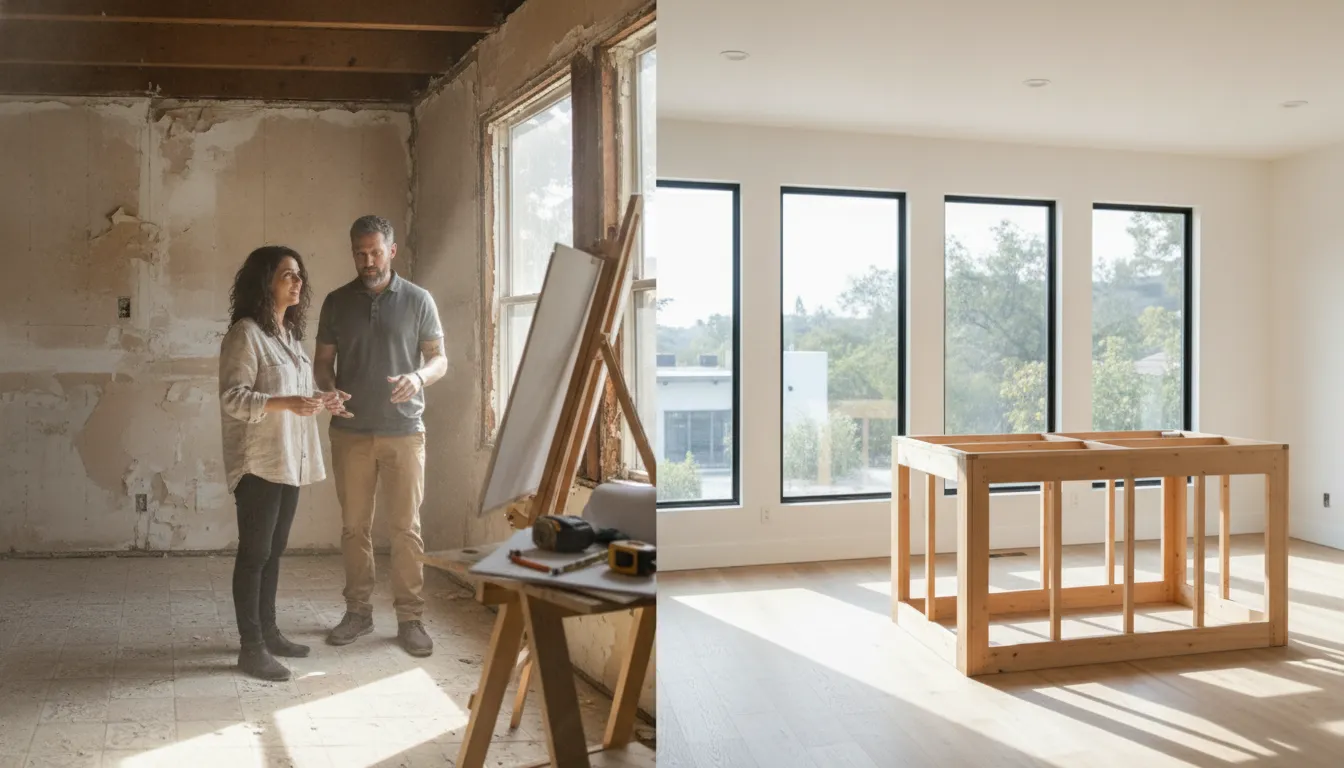
Start by describing what the finished home must accomplish. That may mean opening a kitchen to the living area, adding a primary suite, improving systems throughout the house, or creating a more functional whole-home layout. Then distinguish must-have outcomes from upgrades that can wait. A clear scope helps your team build a realistic early estimate instead of comparing isolated prices for cabinets, tile, or appliances.
Separate professional services from construction costs at the beginning. Architectural design, engineering, surveys, permitting, and related approvals are not the same line items as labor and materials. Treating these costs as part of the overall project budget, rather than as unexpected additions, gives you a more accurate view of the investment.
Build in protection for conditions you cannot see yet
Even a carefully planned renovation can uncover structural issues, experience permit delays, or face fluctuations in material pricing. These risks are especially important in major metropolitan markets, where local requirements and specialized labor can affect both schedule and cost. Professional guidance commonly recommends reserving a contingency of 15% to 20% for a complex luxury remodel. The exact amount should reflect the home's age, the extent of structural work, and how much of the existing construction will be opened or relocated.
A contingency is not permission to spend without review. Establish rules for when it can be used, who approves a change, and how the remaining balance will be reported. Request updated forecasts when the design changes, a permit condition affects the scope, or a long-lead material must be substituted.
Plan spending in phases and choose the right team
Organize spending into planning, preconstruction, construction, and final completion. Confirm design decisions and permitting requirements before releasing large construction commitments. Then track allowances, selections, change orders, and payments against the same approved budget. The right renovation team is critical because experienced advisors can coordinate these decisions, vet contractors, and identify the true cost of a custom project before ground is broken. Realm Living combines dedicated human guidance with planning support to help homeowners move forward with clearer expectations.
Whole-Home Luxury Remodel vs. Standard Renovation
The right comparison depends on scope, not just the finish level. A whole-home remodel typically costs $100,000-$200,000 for a 2,000-square-foot house, depending on finishes and location. Luxury remodels can exceed $250,000 when they replace major systems, add square footage, or use luxury finishes. Upscale, high-end major projects can also reach $190,000 or more. These figures are planning benchmarks, not a quote for a specific property.
How the two renovation tiers differ
| Dimension | Whole-home luxury remodel | Standard renovation |
|---|---|---|
| Scope | Multiple rooms, major layout changes, additions, and coordinated upgrades throughout the home. | Selected rooms or a defined group of improvements with limited structural change. |
| Materials and finishes | Custom cabinetry, premium stone, specialty millwork, luxury fixtures, and high-end appliances. | Quality, readily available products and finishes selected from a broader standard range. |
| Typical price range | Often $250,000+, with scope and local labor costs driving the final figure. | Approximately $100,000-$200,000 for a 2,000-square-foot whole-home project, depending on finishes and location. |
| Per-square-foot | Luxury remodel benchmarks can reach $200-$500+ per square foot as customization and complexity increase. | The F006 whole-home benchmark equals roughly $50-$100 per square foot for 2,000 square feet. |
| Systems involvement | Frequently includes electrical, plumbing, HVAC, structural, and other building-system work. | May focus on surfaces, fixtures, and limited system updates rather than comprehensive replacement. |
| Timeline | Longer planning and construction timeline because design, permitting, procurement, and specialized trades must be coordinated. | Usually more contained when the scope, selections, and permitting needs are limited. |
For a deeper breakdown of whole-house renovation cost, evaluate the existing structure and systems before choosing a tier. A lower initial budget can change quickly if concealed conditions require correction. While a luxury plan should distinguish investments that improve daily function from finishes chosen primarily for appearance.
Request a project cost review from a Realm advisor
Frequently Asked Questions
What is the average cost of a luxury home renovation?
There is no single average because scope, customization, location, and existing conditions can change the budget substantially. High-end remodels often exceed $250,000 when they replace major systems, add square footage, or use luxury finishes. While premium-market remodels may range from $200 to more than $500 per square foot depending on complexity. See the cost ranges documented by Experts in Your Home and Carriage House Interiors as directional benchmarks, not fixed bids.
How do luxury renovation costs differ from standard remodels?
Luxury projects typically involve more extensive design coordination, structural work, specialized labor, premium materials, and system upgrades. Electrical, plumbing, and HVAC work alone can account for 30% to 40% of a luxury remodel budget, according to Carriage House Interiors. A standard remodel may change finishes, while a luxury renovation often changes how the home functions and performs.
What factors influence the total price of a high-end renovation?
The largest variables are project size, structural changes, layout revisions, finish selections, local labor rates, site conditions, and permitting. In California, published benchmarks range from $200 to $450 per square foot in Los Angeles and $600 to $800 in San Francisco, according to HomeLight. Architectural, engineering, and permitting costs should also be budgeted separately from labor and materials.
What should homeowners expect when planning a custom ADU or addition?
ADUs and additions require early review of zoning, structural conditions, utilities, design, and local approvals. Projects that modify building systems or add structural work are subject to permitting and compliance requirements, as outlined by the Washington State Department of Health. A detailed feasibility and planning phase helps establish a realistic budget before construction begins.
Ready to Plan a Luxury Home Renovation You Can Budget With Confidence
A high-end renovation is a major investment, and the cost becomes easier to manage when you understand the full scope before construction begins. Realm Living pairs dedicated human advisors with vetted contractor networks and planning support to help homeowners in California and Washington clarify priorities. Estimate true project costs, and move forward with clearer expectations.
Get started by sharing your project with Realm Living. An advisor can help you understand what your luxury home renovation might realistically require before you commit to a design.