Backyard Office Pods for Sale: A Buyer's Guide
Find the best backyard office pods for sale with this practical buyer’s guide. Compare features, costs, and tips for choosing the right pod for your space.
|
March 20, 2026

In this article:
Let’s clear something up right away: a high-quality backyard office pod is not just a fancy shed. It’s a common misconception that these are flimsy, seasonal structures, but that couldn’t be further from the truth. Modern pods are engineered with durable materials, all-season insulation, and full electrical capabilities, making them comfortable and functional year-round. Understanding this difference is the first step to making a smart choice. When you start browsing backyard office pods for sale, you’ll see a wide range of quality. This article will debunk the myths and show you what features truly matter for creating a lasting, professional workspace.
Key Takeaways
- A pod is a true office, not just a shed: Expect a fully functional workspace designed for year-round use, complete with insulation, soundproofing, and the electrical hookups needed for a productive environment.
- Find the right pod for your budget and style: Whether you prefer a simple DIY kit or a high-end custom studio, there are options available for every price point, size requirement, and design preference.
- Plan the logistics for a smooth project: Before buying, confirm local permit rules, prepare a level foundation for the structure, and clarify the entire installation process with your chosen company to avoid surprises.
What Exactly Is a Backyard Office Pod?
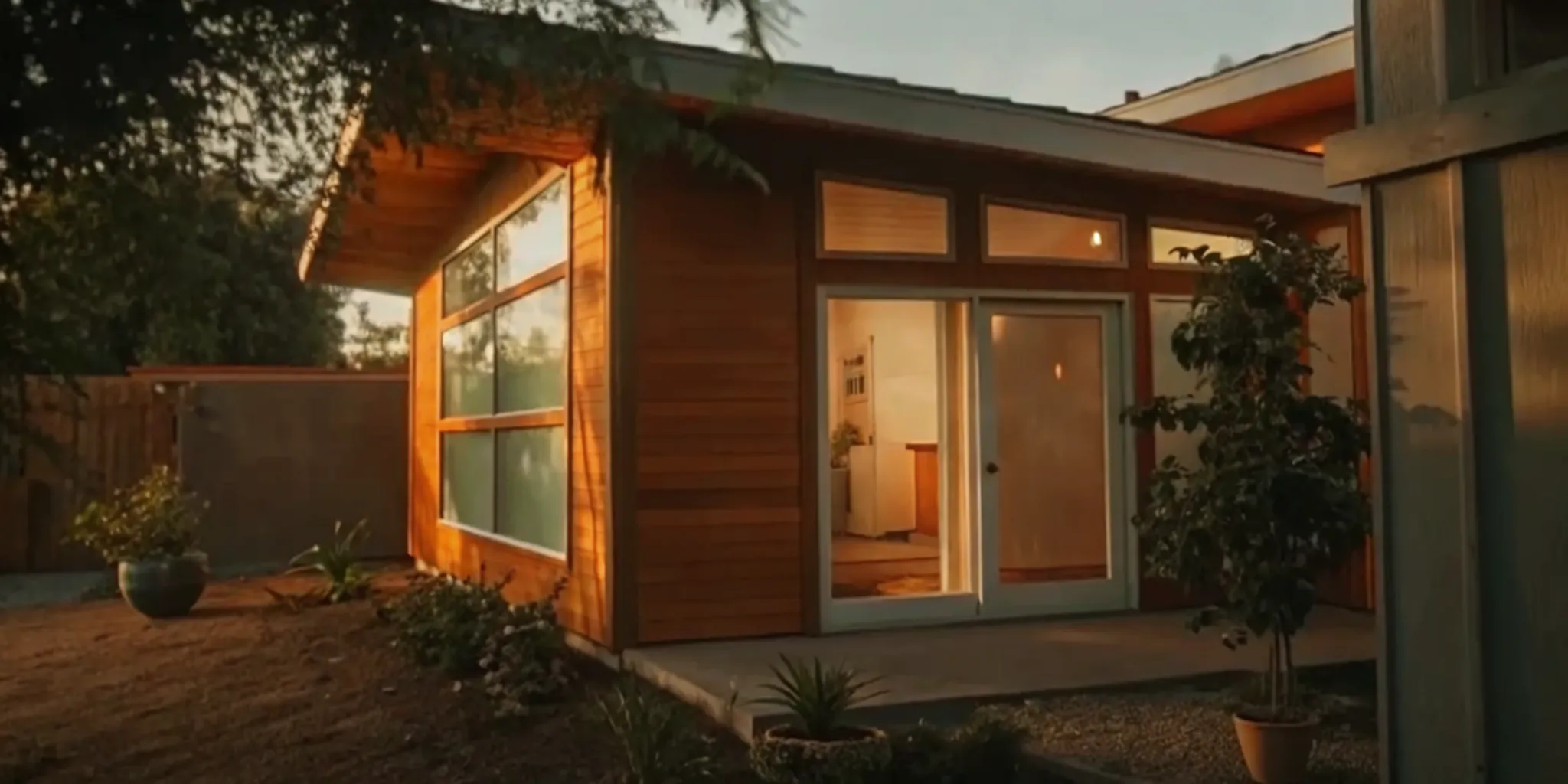
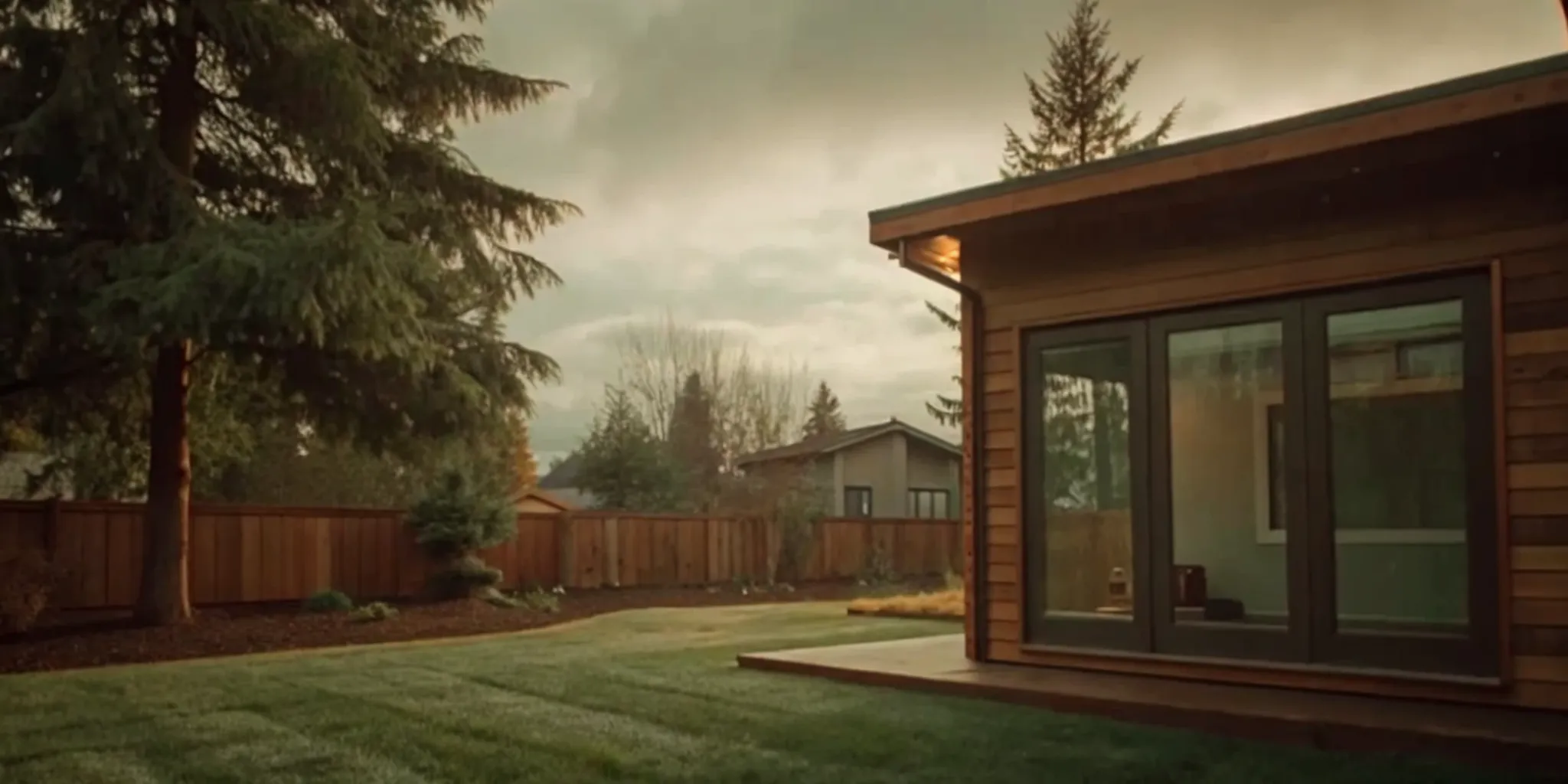
A backyard office pod is a compact, standalone structure designed to be a dedicated workspace right on your property. Think of it as a mini-office, separate from your main house, that offers a quiet and professional environment without the commute. These structures are typically pre-designed for efficiency and style, featuring a sleek, modern look that can complement your backyard landscape. They're becoming a go-to solution for anyone needing to create a clear boundary between home life and work life.
Unlike a simple shed, office pods are built with work in mind. They often come insulated, wired for electricity and internet, and finished with high-quality materials. This makes them a turnkey solution for professionals who need a functional office from day one. With a dedicated space free from household distractions, you can focus better and be more productive. Plus, having a separate office helps you mentally "leave work" at the end of the day, which is a huge win for work-life balance. Exploring a project like this can feel overwhelming, but understanding how it works with a partner like Realm can simplify the entire process, from planning to installation.
The perks of a dedicated workspace
The shift toward remote and hybrid work has made garden office pods more popular than ever. Having a quiet space away from the main house helps you focus and get more done. This physical separation is key to a healthier work-life balance, allowing you to mentally clock out when the day is done. Over time, a pod can also save you money by eliminating office rent and daily commute costs, which also reduces your carbon footprint. Beyond the practical benefits, a well-designed backyard office can even increase your home's value and give you extra functional space without the hassle of a major home extension.
How pods compare to a traditional home office
When you need a home office, you might think of converting a spare bedroom or building a full addition. Office pods offer a compelling alternative. They are generally more flexible and much quicker to set up than a traditional renovation project. Because they are self-contained, they save interior space and provide superior privacy and soundproofing from household noise. It’s a common misconception that pods are just fancy sheds, but that couldn't be further from the truth. Modern office pods are high-quality, fully functional workspaces designed for year-round comfort and productivity. Choosing the right option for your home is a big decision, which is exactly why Realm provides dedicated advisors to help you weigh the pros and cons for your specific needs.
Exploring the Different Types of Office Pods
Once you start looking, you'll find that backyard office pods come in all shapes and sizes. From simple, plug-and-play units to fully customized structures, there’s a pod for every need and backyard. Understanding the main categories will help you narrow down your options and find the perfect fit for your work-from-home setup. Let's walk through the most common types you'll encounter.
Prefab vs. custom-built pods
Your first big decision is choosing between a prefabricated (prefab) pod or a custom-built one. Prefab pods are built off-site in a factory and delivered to your home, often fully assembled. This makes them a fast and usually more affordable option, often costing less than a traditional home addition. Custom-built pods, on the other hand, are constructed right in your backyard. This route gives you complete control over the design, layout, and materials, letting you create a space that perfectly matches your home's aesthetic. While a custom build might take longer and cost more, it ensures your new office is truly one-of-a-kind. Deciding which is right for you often comes down to balancing your budget, timeline, and desire for personalization.
Modular office systems
Modular office pods offer incredible flexibility, which is a huge plus if your needs might change over time. Unlike a permanent structure, these pods are designed to be moved, reconfigured, or even expanded. Think of them as high-end building blocks for your workspace. This adaptability makes them a smart long-term investment because they can evolve with you. If you move, you can often take your pod with you. If your team grows, you can add another unit. This approach is generally a smarter choice than building traditional rooms because it’s faster to set up, saves space, and provides excellent privacy without the commitment of permanent construction.
Common design styles and materials
This is where the fun really begins. Backyard pods aren't just boring boxes; they can be beautiful architectural statements. You can find a style to match any taste, from sleek, minimalist designs with clean lines and lots of glass to cozy, rustic retreats that blend into your garden. Popular styles include the Japandi Studio, which mixes Japanese and Scandinavian aesthetics, or the Soundproof Sanctuary, designed for deep focus. Materials play a huge role, too. Cedar and redwood offer a warm, natural look, while metal and composite siding create a more modern vibe. Exploring different innovative backyard pod designs can give you plenty of inspiration for your own private haven.
Key Features to Look For in an Office Pod
When you start shopping for a backyard office, you'll quickly see that the options are endless. To find a pod that truly works for you, it helps to move past the aesthetics and focus on the core features that will make your new workspace comfortable, functional, and built to last. Think of it like planning any other home project; the right foundation and features make all the difference. From staying warm in the winter to having enough outlets for all your tech, these are the key elements to keep on your checklist.
All-season insulation and climate control
Your backyard office should be a comfortable retreat no matter the season. That's why all-season insulation is non-negotiable. Look for pods with full insulation in the walls, floor, and ceiling, along with double-glazed windows to keep the space warm in the winter and cool in the summer. This is essential for energy efficiency and will keep your utility bills in check. Many pods also offer integrated climate control options, like a mini-split heating and air conditioning unit, ensuring your office is a pleasant place to work year-round, whether you're facing a heatwave or a chilly morning.
Soundproofing for focused work
One of the main reasons to get a backyard office is to escape the distractions of the main house. Effective soundproofing is what makes this possible. High-quality pods use acoustic panels and sound-dampening materials to create a quiet environment perfect for deep focus and important calls. Some manufacturers, like Framery, are known for their top-tier soundproof designs. When you're evaluating options, ask about the pod's Sound Transmission Class (STC) rating. A higher rating means better sound insulation, giving you a truly peaceful workspace free from the sounds of barking dogs, playing kids, or neighborhood noise.
Built-in electrical and internet hookups
A functional office needs reliable power and internet. The best office pods are designed to be plug-and-play, arriving with all the necessary electrical components pre-installed. This includes ample outlets for your computer and accessories, overhead lighting, and sometimes even USB charging ports. The price should include everything needed to get it working. You'll also want to plan for connectivity. Some pods come with ethernet ports for a hardwired connection, while others are designed to easily pick up your home's Wi-Fi signal. Planning your home office tech setup ahead of time will ensure your pod is ready for work from day one.
Modern tech and amenities
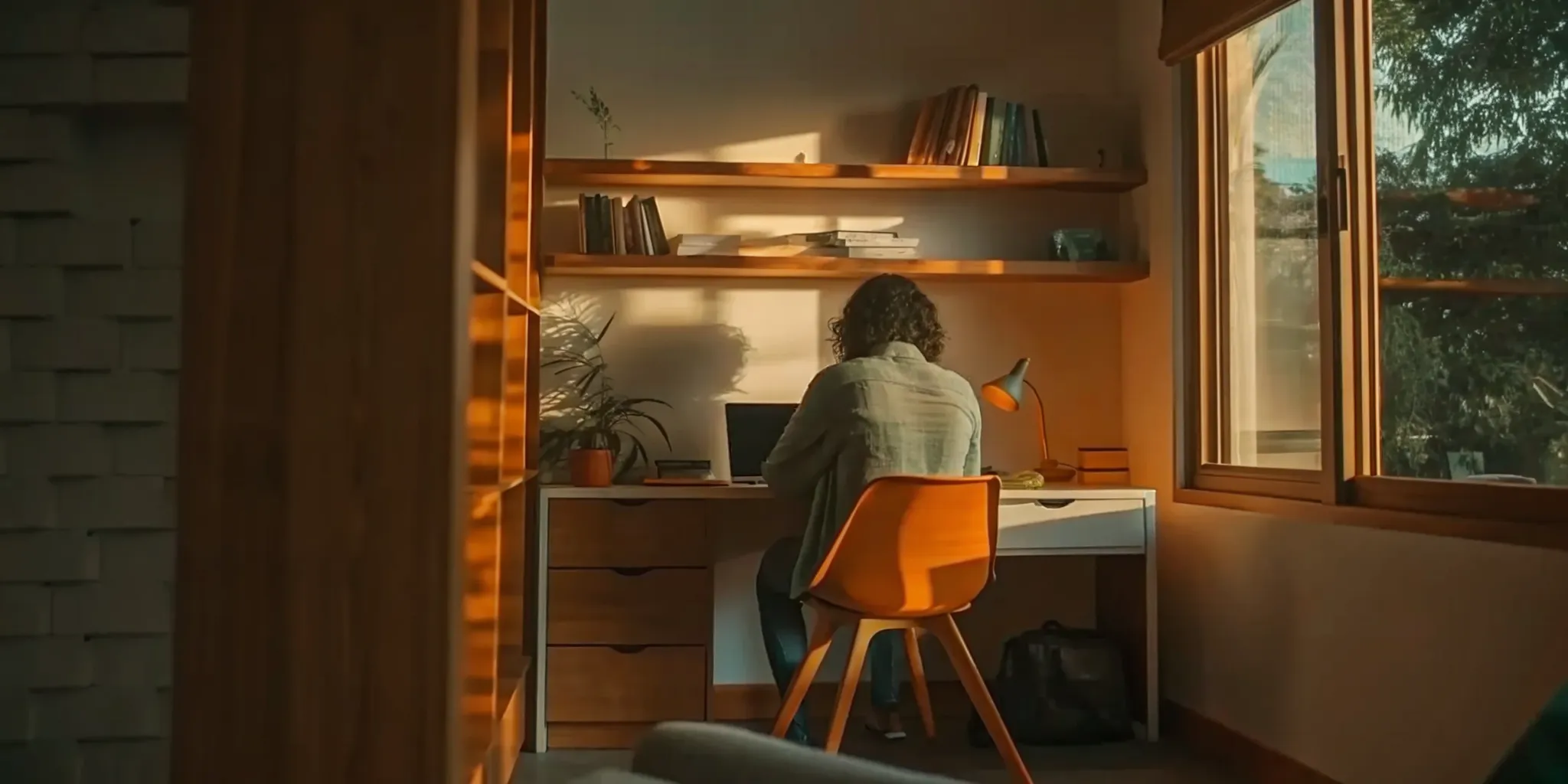
Beyond the basics, modern amenities can transform a simple pod into a high-tech, comfortable workspace. Many pods come fully equipped and ready to work in, which is a major advantage over building an empty room that you have to outfit yourself. Look for features like built-in desks and shelving, integrated ventilation systems for fresh air, and smart lighting that you can control from your phone. Some premium models even include extras like built-in whiteboards or acoustic felt walls. These thoughtful additions save you the time and effort of furnishing the space and contribute to a more productive and ergonomic work environment.
Eco-friendly material options
If sustainability is a priority for your home projects, you'll be happy to know there are many eco-friendly office pods available. Manufacturers are increasingly using sustainable materials to reduce their environmental impact. For example, some companies focus on creating pods from recyclable and acoustic materials. You can find options built with sustainably sourced wood, recycled steel frames, and insulation made from natural fibers. Look for finishes with low-VOC (volatile organic compounds) paints and stains to ensure healthy indoor air quality. Choosing an eco-friendly pod allows you to create a workspace that is not only good for your productivity but also gentle on the planet.
How Much Does a Backyard Office Pod Cost?
The price of a backyard office pod can range from a few thousand dollars for a basic DIY kit to tens of thousands for a fully-loaded, custom-built studio. Just like any home project, the final cost depends entirely on your choices. The size, materials, features, and level of finish all play a significant role in the total investment. Understanding the different price tiers can help you set a realistic budget and decide which features matter most for your dedicated workspace.
To give you a clearer picture, we can break down the costs into three general categories: budget-friendly, mid-range, and premium. Each tier offers a different level of convenience, customization, and comfort.
Budget-friendly pods: $5,000–$15,000
In this price range, you're typically looking at a prefabricated backyard office shell or a DIY kit. A basic structure of around 120 square feet might cost between $1,500 and $4,000 for just the shell, not including labor or any special features. The rest of the budget in this tier goes toward essential finishes like insulation, drywall, basic electrical wiring, and flooring. This is a great option if you're handy and comfortable taking on parts of the project yourself. It allows you to get a functional, dedicated workspace without a massive upfront investment, giving you the freedom to add upgrades over time.
Mid-range pods: $15,000–$40,000
This is the sweet spot for many homeowners, offering a great balance of quality, features, and price. Pods in the mid-range often come with better materials, superior soundproofing, and more flexibility in design. You’ll find options with built-in climate control, more robust electrical packages, and higher-quality windows and doors. These pods are often delivered as more complete units, reducing the amount of on-site work required. If you’re looking for a comfortable, all-season office with a professional finish that’s ready to use relatively quickly, you’ll likely find the perfect fit in this price bracket.
Premium pods: $40,000+
At the premium level, you can expect a turnkey experience with high-end finishes and all the bells and whistles. These office pods are often architect-designed and can be fully customized to match your home’s aesthetic. The price typically includes everything from delivery and installation to interior finishes, with no hidden fees. Think floor-to-ceiling glass, smart home technology, built-in custom cabinetry, and premium, eco-friendly materials. This option is ideal if you want a luxurious, hassle-free process that results in a top-of-the-line backyard office that feels like a true extension of your home.
What influences the final price?
Several key factors determine the final cost of your backyard office. The size of the pod is the most obvious driver; a larger footprint requires more materials and labor. The quality of materials used for framing, siding, roofing, and interior finishes also has a major impact. Beyond the basics, the features you choose will add to the cost. Upgrades like advanced soundproofing, integrated heating and cooling systems, and custom lighting can increase the price significantly. Finally, deciding between a DIY kit and a professionally installed pod will affect your budget. A customized project plan can help you weigh these options and find a solution that fits your needs and financial goals.
Popular Backyard Office Pod Brands
Once you start looking, you'll find a wide world of office pod brands, each with its own unique approach to design, materials, and features. This is great news because it means there’s a perfect fit for every style and budget. To help you get started, let's look at a few popular brands and what makes them stand out. Think about what matters most to you, whether it's a DIY-friendly kit, superior soundproofing, or sustainable materials. This will help you narrow down your search and find a brand that feels like a true partner in creating your ideal workspace.
Studio Shed and Summerwood Products
If you love the idea of a space that’s uniquely yours, brands like Studio Shed and Summerwood Products are fantastic starting points. They specialize in customizable kits for backyard offices and home studios, giving you a lot of control over the final look and layout. You can choose different sizes, window placements, and finishes to match your home’s aesthetic. These kits are a great option if you’re hands-on or working with a contractor to create a specific vision. Not only do you get a dedicated workspace, but a well-designed shed can also add significant value to your property.
Framery and Hushoffice
For those whose work demands total concentration, soundproofing is non-negotiable. This is where brands like Framery and Hushoffice shine. Framery, known for its sleek, high-quality soundproof booths with Finnish design, is a top choice for eliminating distractions. Similarly, Hushoffice offers a range of pods designed to create a quiet oasis for focus. While often seen in corporate offices, their smaller models are perfectly suited for a backyard setup. If your day is filled with important calls or tasks that require deep focus, investing in a soundproof pod can be a game-changer for your productivity and peace of mind.
Vank and B&H Ergonomics
If sustainability is a priority, look into a brand like Vank. They focus on creating eco-friendly office pods using recyclable and acoustic materials, so you can feel good about your workspace's environmental footprint. On the other hand, if top-tier engineering and deep customization are what you're after, B&H Ergonomics is a name to know. They are dedicated to providing durable, high-performance pods that can be tailored to your exact needs. Choosing between brands like these often comes down to your core values, whether that’s a commitment to green materials or a desire for a precision-built, long-lasting structure.
How to compare your options
Choosing an office pod is a big decision, so it’s helpful to think of it as a long-term investment in your home and work life. Before you start shopping, make a list of your must-haves. What’s your budget? How important is soundproofing? Do you need specific tech hookups? Answering these questions will help you narrow down the options. If you want a pod with excellent engineering that’s fully customized to your needs, a manufacturer might be the right fit. If you need help weighing the pros and cons, a dedicated project advisor can offer expert guidance to ensure you find the perfect match for your property.
Finding the Right Size for Your Office Pod
Choosing the right size for your backyard office pod comes down to how you plan to use it. Are you looking for a quiet solo retreat, a space for client meetings, or a collaborative hub for a small team? Thinking about your needs now and in the future will help you land on the perfect fit. Let’s look at the three main size categories to help you decide.
Small pods for solo work
If your main goal is to find a quiet, distraction-free zone for focused work, a small pod is your best bet. These are designed for one person and typically take up less than 13 square feet, making them a great fit for smaller yards. They create a private sanctuary where you can concentrate without interruption. While prices vary, you can generally expect to invest between $21,750 and $24,500 for one of these compact workspaces. Many companies offer different types of soundproof office pods to fit this need, ensuring you get the peace and quiet you're looking for.
Medium pods for collaboration
For those who need a bit more flexibility, a medium-sized pod offers the perfect middle ground. These spaces are designed to comfortably fit one or two people, making them ideal for collaborating with a colleague, taking a video call with more breathing room, or meeting with a client. They strike a great balance between a private office and a small meeting room, giving you a dedicated workspace that can adapt to your day. This versatility makes them a popular choice for consultants, therapists, and creative professionals who need a space that can serve multiple functions.
Large pods for multiple people
When you need a space for your whole team to gather, a large office pod is the way to go. These are essentially standalone conference rooms that can accommodate anywhere from four to eight people. They’re perfect for team brainstorming sessions, presentations, or group projects where you need everyone in the same room without disturbing the main house. With prices ranging from $18,750 to $42,500, these larger pods are a significant investment, but they provide a fully functional collaborative workspace that can support a growing business. They often come equipped with features designed for teamwork, like whiteboards and integrated media screens.
Will You Need a Permit for Your Office Pod?
Let's talk about the not-so-glamorous but super important part of adding an office pod to your backyard: permits. It’s a question that comes up all the time, and the answer isn't a simple yes or no. It really depends on where you live and the specifics of your pod. Getting this right from the start will save you a world of trouble down the road, so let's walk through what you need to know.
Understanding planning permission
The first thing to know is that not every backyard pod requires a permit. Generally, smaller structures that fall below a certain square footage might be exempt. However, that size threshold can vary dramatically from one city to another. The only way to know for sure is to check directly with your local planning authority. Think of it as your first official step in the project. A quick call or a visit to their website can clarify the rules for accessory structures in your area and tell you exactly what paperwork, if any, you’ll need to file before you even think about breaking ground.
Checking local building codes and zoning laws
It’s easy to think of a pod as a simple structure, almost like a high-end shed, but your local municipality will likely see it as a more permanent addition. That’s why you need to look into local building codes and zoning laws. These rules are different from planning permission and cover things like how the structure is built, electrical wiring standards, and where it can be placed on your property. For example, zoning laws will dictate how far the pod must be from your property lines. Verifying these requirements with your local building department before you make a purchase is a non-negotiable step to ensure your new office is both safe and legal.
Common permit myths, debunked
One common myth is that because you're buying a pod outright instead of renting an office, you can skip the permit process. The initial cost of the pod is a separate issue from your legal obligation to build safely and to code. While it’s tempting to bypass the paperwork and potential fees, failing to get the right permits can lead to serious consequences, including hefty fines or even an order to remove the structure entirely. Think of the permitting process not as a hassle, but as a way to protect your investment. It ensures your pod is built correctly and adds legitimate value to your property, which is where an expert team can really help guide you through the process.
What to Know Before You Buy
You’ve browsed the styles, picked your must-have features, and are getting excited about your new backyard commute. Before you make the final decision, it’s smart to walk through the practical side of bringing an office pod to your property. A little bit of planning at this stage ensures the entire process, from delivery day to your first day of work, goes off without a hitch.
Thinking through these details now will save you from unexpected headaches later. You’ll want to consider exactly where the pod will live and what kind of foundation it needs to sit on. It’s also helpful to understand what the installation process looks like so you can prepare your space. Finally, you’ll need a clear picture of your payment options and what to expect for upkeep down the road. Getting these logistics sorted out ahead of time is the key to a successful project.
Preparing your site and foundation
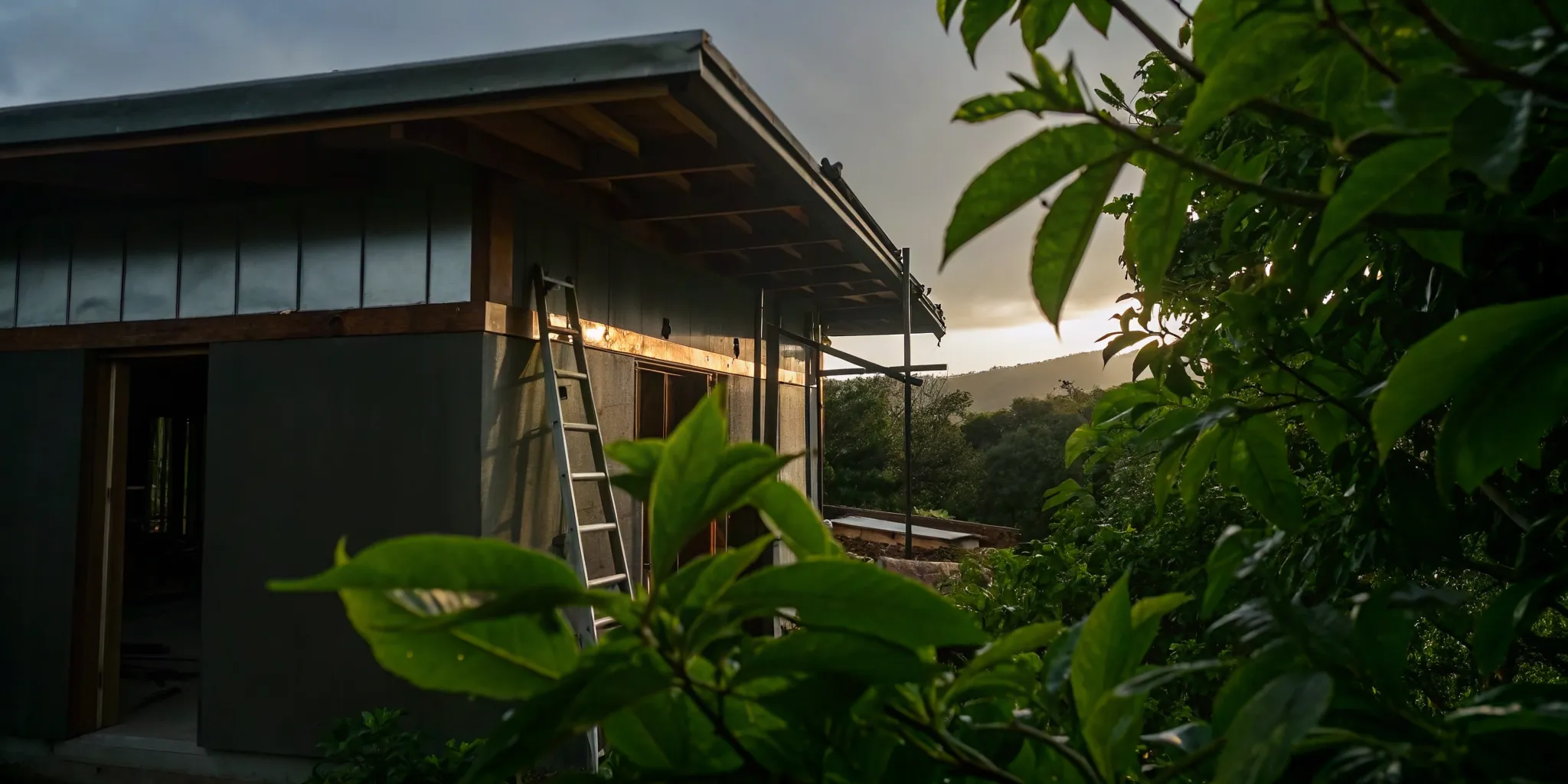
Your new office pod needs a stable, level surface to call home. The first step is to mark out the exact area in your yard where it will go. This helps you visualize the space and ensures there are no surprises. Most pods require a dedicated foundation, which could be a concrete slab, a gravel pad, or concrete pier blocks. The right choice depends on your pod’s size, your soil type, and local requirements. You’ll also need to clear the area of any landscaping and check for underground utility lines before any digging begins. Getting this right is crucial, which is why a customized plan can help you cover all your bases.
Understanding the installation process
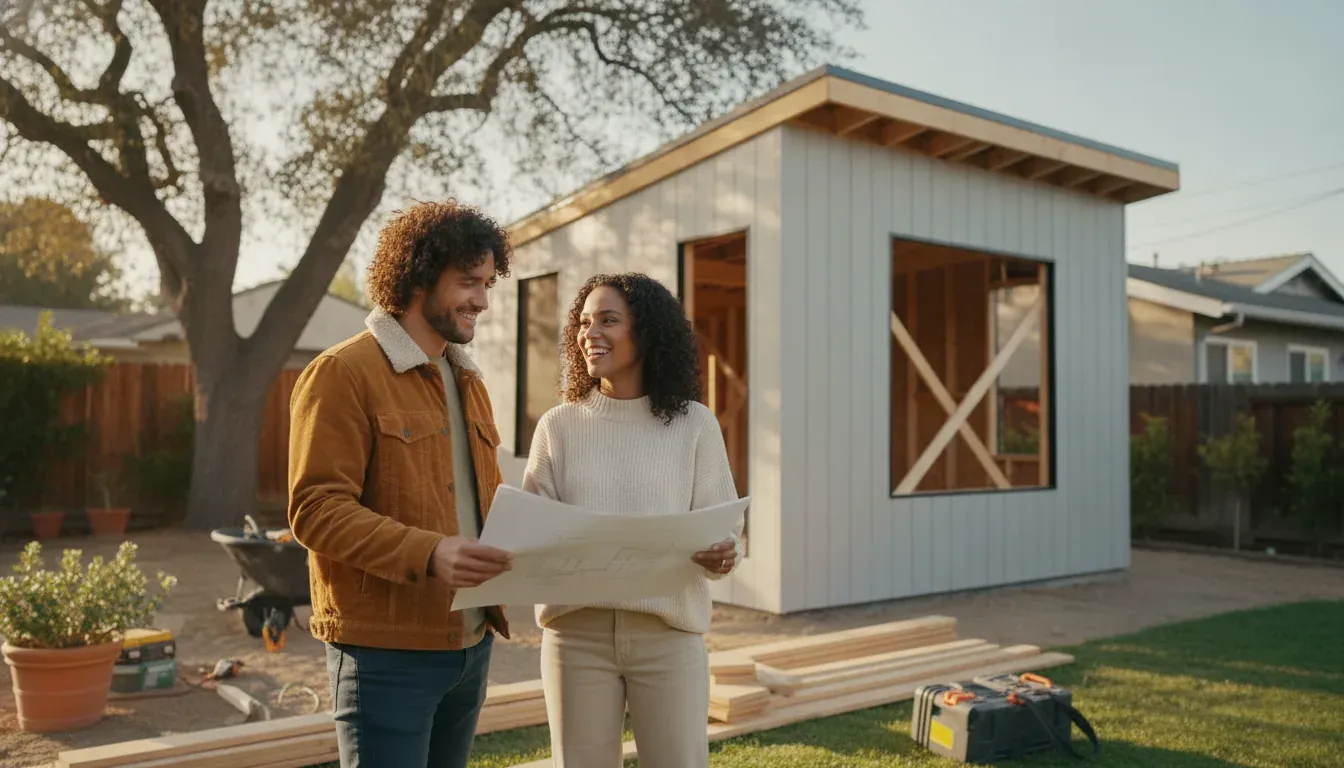
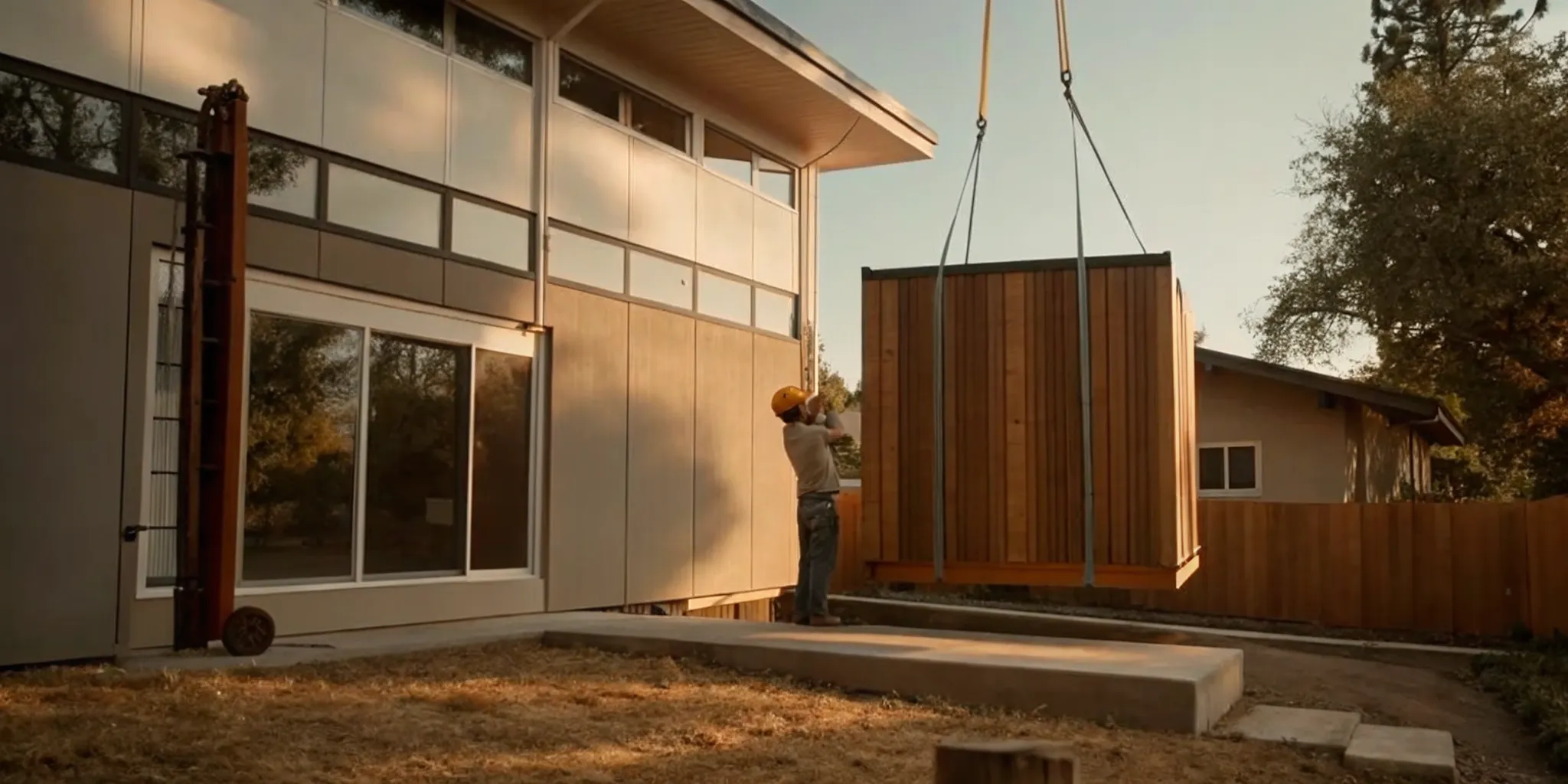
Knowing what to expect on installation day makes everything feel more manageable. The process varies depending on whether you choose a prefabricated pod or a kit that’s assembled on-site. Prefab units are typically delivered whole and often lifted into place with a crane, which requires clear access to your backyard. Kits arrive in pieces and are built by a construction crew over one or more days. Either way, you’ll want to coordinate with the installation team to confirm the schedule, clear a path for delivery, and discuss any specific site requirements. Working with vetted professionals ensures your installation is handled correctly from start to finish.
Exploring financing and payment plans
A backyard office pod is a significant investment, but there are several ways to approach the cost. Many manufacturers offer their own financing options or payment plans, which can be a convenient all-in-one solution. It’s also worth exploring other avenues, like a personal loan from your bank or a home equity line of credit (HELOC). Each option has different terms and interest rates, so take the time to compare them and find what works best for your budget. Think of it as a long-term partnership; you’re not just buying a product but investing in a durable, valuable addition to your home.
Factoring in long-term maintenance
While office pods are designed to be durable and low-maintenance, a little care will keep your workspace in top shape for years to come. Your routine should include simple tasks like cleaning the exterior, checking window and door seals for wear, and clearing any debris from the roof. If your pod has a mini-split for heating and cooling, you’ll need to clean the filters regularly. Taking care of these small things helps protect your investment and is a key part of maintaining your home’s value. Think of it as the same light upkeep you’d perform on any other part of your house.
Debunking Common Myths About Office Pods
Backyard office pods are a fantastic solution for creating a separate, dedicated workspace at home. But since they're a relatively new concept for many homeowners, a few misconceptions have popped up. It’s easy to see a picture and make assumptions, but the reality of modern office pods is often far more impressive than people think. If you're considering adding a pod to your property, it’s important to separate fact from fiction.
Let's clear up some of the most common myths I hear about these backyard structures. Understanding the truth about their quality, comfort, and functionality will help you see why they’ve become such a popular choice for home renovations. When you work with a dedicated advisor, you can get all your questions answered and find a pod that perfectly suits your needs, without falling for these common misunderstandings. From durability to daily use, these spaces are designed to be a permanent, valuable addition to your home.
Myth #1: Quality and durability concerns
One of the biggest myths is that a backyard pod is just a glorified shed. People sometimes picture a flimsy structure that won't hold up over time, but that couldn't be further from the truth. In reality, high-quality office pods are engineered structures built with longevity in mind. Many are constructed with durable materials like steel frames, weather-resistant siding, and proper roofing designed to withstand the elements for years to come. They are far more than simple storage sheds; they are thoughtfully designed, permanent structures meant to be a true extension of your living space.
Myth #2: They aren't comfortable year-round
It’s easy to assume a small, separate structure would be freezing in the winter and sweltering in the summer. However, modern office pods are designed for four-season use. Most come standard with full insulation in the walls, floor, and ceiling, along with double-glazed windows to maintain a stable internal temperature. This means you can stay comfortable no matter the season. Many pods also include built-in heating and cooling systems or are designed for easy installation of a mini-split unit, ensuring your workspace is always pleasant and ready for a productive day.
Myth #3: They're too small to be useful
While office pods are celebrated for their compact footprint, some people worry they’re too small to be truly functional. The key is smart design. Pod manufacturers are experts at maximizing every square inch of space. While they may appear small from the outside, they are intentionally designed to provide all the necessary features for a productive work environment. With clever layouts, built-in desks, and vertical storage solutions, these pods offer a surprisingly spacious and efficient workspace without feeling cramped. The focused environment can even help minimize distractions, making you more productive.
Related Articles
Frequently Asked Questions
How is an office pod different from just converting a shed? Think of it this way: a shed is built for storage, while an office pod is built for people. Pods are designed from the ground up as functional workspaces, meaning they come standard with features like all-season insulation, double-glazed windows, and pre-installed electrical systems. Converting a shed requires you to add all of those elements yourself, which can be complex and costly. A pod is a purpose-built structure intended for year-round comfort and productivity.
How does an office pod get electricity and internet? Getting your pod connected is a straightforward part of the installation process. Most pods are pre-wired with outlets and lighting, just like a room in your house. A licensed electrician will typically run an underground conduit from your home's main electrical panel to the pod's location to provide power. For internet, your home's Wi-Fi signal might be strong enough, but for the most reliable connection, you can have an ethernet cable run through the same conduit as the power line.
Will a backyard office pod actually increase my home's value? Yes, a well-built, permitted office pod can certainly add value to your home. It increases your property's functional square footage, which is a major selling point. In an era where flexible work arrangements are common, having a dedicated, move-in-ready office space is a highly attractive feature for potential buyers. It’s viewed as a permanent, valuable home improvement, not just a temporary structure.
Can I really just drop a pod in my backyard, or is there more to it? While the idea of a "drop-in" office is appealing, there is a bit more to it. Every pod needs a solid, level foundation to sit on, which could be a concrete slab, gravel pad, or pier blocks. You'll need to prepare the site by clearing and leveling the ground. You also have to consider access; if the pod is delivered fully assembled, you'll need a clear path to your backyard, which sometimes requires a crane.
This all sounds great, but where do I even begin? The best first step is to get clear on your own needs and budget. Think about how you'll use the space, what features are non-negotiable, and what you're comfortable investing. Once you have a basic idea, the next move is to understand the specific requirements for your property, like local permit rules and site prep needs. This is where talking with a project advisor can save you a lot of time and help you create a realistic plan from the start.