How to Get Garage Conversion Permits in Sacramento
Get clear steps for garage conversion permits Sacramento homeowners need. Learn requirements, costs, and tips for a smooth, legal garage conversion.
|
May 4, 2026

In this article:
That underused garage is full of potential. You might see a future home office, a rental unit for extra income, or a comfortable in-law suite. Before you start swinging a sledgehammer, however, there’s a critical first step that ensures your project is safe, legal, and actually adds value to your home. We’re talking about the permitting process. Getting the right garage conversion permits Sacramento isn’t just about following rules; it’s about protecting your investment and ensuring your new space is built to last. This guide will walk you through everything you need to know, from the required paperwork to the final inspections.
Key Takeaways
- Secure Your Permit Before Starting Work: Getting a permit is a non-negotiable first step for any garage conversion in Sacramento. It ensures your new space is safe, legal, and officially adds to your home's value, protecting you from potential fines and problems when you decide to sell.
- A Complete Plan Speeds Up the Process: The fastest way to get your permit approved is by submitting a thorough application with detailed architectural plans, structural reports, and energy compliance documents. Understanding the key inspection stages for foundation, electrical, and plumbing also helps keep your project on track.
- Partner with an Experienced Professional: A garage conversion involves complex tasks that must meet strict building codes. Hiring a qualified contractor is essential for a safe and compliant build, helping you pass all inspections and avoid the stress of costly rework.
Do You Need a Permit to Convert Your Garage in Sacramento?
The short answer is yes, you will absolutely need a permit to convert your garage into a living space in Sacramento. This isn't just about checking a box; it's a critical step to ensure your new room is safe, habitable, and compliant with local building codes. The permitting process involves submitting detailed plans for review and scheduling a series of inspections during construction. An inspector will check that everything from the electrical wiring and plumbing to the structural supports and insulation meets current safety standards for a living space.
Think of a permit as a roadmap for a successful and legal project. It protects your investment by ensuring the work is done correctly and helps you avoid major headaches down the line. An unpermitted conversion can lead to hefty fines, orders to tear out the completed work, and significant problems when you eventually decide to sell your home. Getting the right permits from the start is the first and most important step in transforming your garage into a functional and valuable part of your home. It’s a crucial part of the process that a dedicated partner, like a Realm advisor, can help you manage so you don't miss a beat.
What Are Sacramento's ADU Rules?
Many garage conversions are classified as Accessory Dwelling Units (ADUs), which are separate, smaller living spaces on the same property as a main house. In an effort to address California's housing shortage, state and local laws have made it much easier to build ADUs. Sacramento is no exception. Upcoming changes in 2026 are set to relax rules around setbacks (the required distance from your property line) and eliminate the need to replace the parking spots you lose in the conversion. This makes turning your garage into a legal rental unit or in-law suite more feasible than ever. These statewide initiatives are designed to help homeowners like you add living space efficiently.
Know When a Permit Is Required
You should always secure a building permit before starting any construction on your garage conversion. This isn't an optional step. The City of Sacramento requires a permit for any project that changes a garage into a habitable room. To get one, you'll need to submit a detailed set of plans to the Sacramento City Building Department for review. These plans show exactly how you intend to meet all the necessary building codes for a safe living area. Starting work without an approved permit is a risky move that can result in costly penalties and delays, so make this your first official step once your design is finalized.
What Are the Permit Requirements for a Garage Conversion?
Getting a permit for your garage conversion is about more than just paperwork. It’s the city’s way of ensuring your new living space is safe, structurally sound, and energy-efficient. Think of it as a roadmap to a successful project that protects your home’s value and your family’s safety. The requirements generally fall into three main categories: making sure the space is a comfortable size, following all safety and structural codes, and complying with local zoning and parking rules. Tackling these requirements head-on will make the entire process smoother and help you avoid costly surprises down the road.
Meeting Size and Height Standards
To be considered a legal and comfortable living area, your converted garage has to meet specific physical dimensions. The most important rule is that the ceiling must be at least 7 feet high, which ensures the space feels open and habitable, not like a cramped storage area. Your project will also need to meet California's Title 24 energy efficiency standards. This covers things like insulation, window quality, and ventilation to keep your utility bills in check. Finally, for safety, you’ll need to install proper egress windows that are large enough for someone to escape through in an emergency.
Following Structural and Safety Codes
Beyond the basic dimensions, your conversion must comply with all relevant California building codes. These regulations are in place to guarantee the structural integrity of your new space. This means ensuring the foundation is solid, the walls are properly framed and supported, and the electrical and plumbing systems are installed correctly and safely by qualified professionals. Adhering to these codes is non-negotiable for getting your permit approved. It’s the best way to ensure your new room, whether it’s a bedroom or an office, is a safe and durable addition to your home for years to come.
Checking Zoning and Parking Regulations
Before you get too far into planning, you need to look at Sacramento’s local zoning and parking rules. Some neighborhoods, especially historic districts, may have specific architectural standards you’ll need to follow to maintain the area's character. The biggest consideration is often parking. Since you are converting a dedicated parking spot into living space, the city may require you to replace it. However, recent state laws have relaxed some of these requirements for ADUs, so it’s essential to check the city's current regulations to see what applies to your specific property.
What Paperwork Do You Need for Your Permit?
Gathering your paperwork is a critical step in the permitting process. Think of it as creating a complete story of your project for the city, showing them you’ve thought through the design, safety, and efficiency of your new space. Getting your documents in order from the start helps prevent delays and keeps your project moving. You’ll generally need to prepare three main types of documents: architectural plans, structural engineering reports, and energy compliance forms. Each one serves a specific purpose in proving your garage conversion is ready for construction.
Architectural Plans and Site Drawings
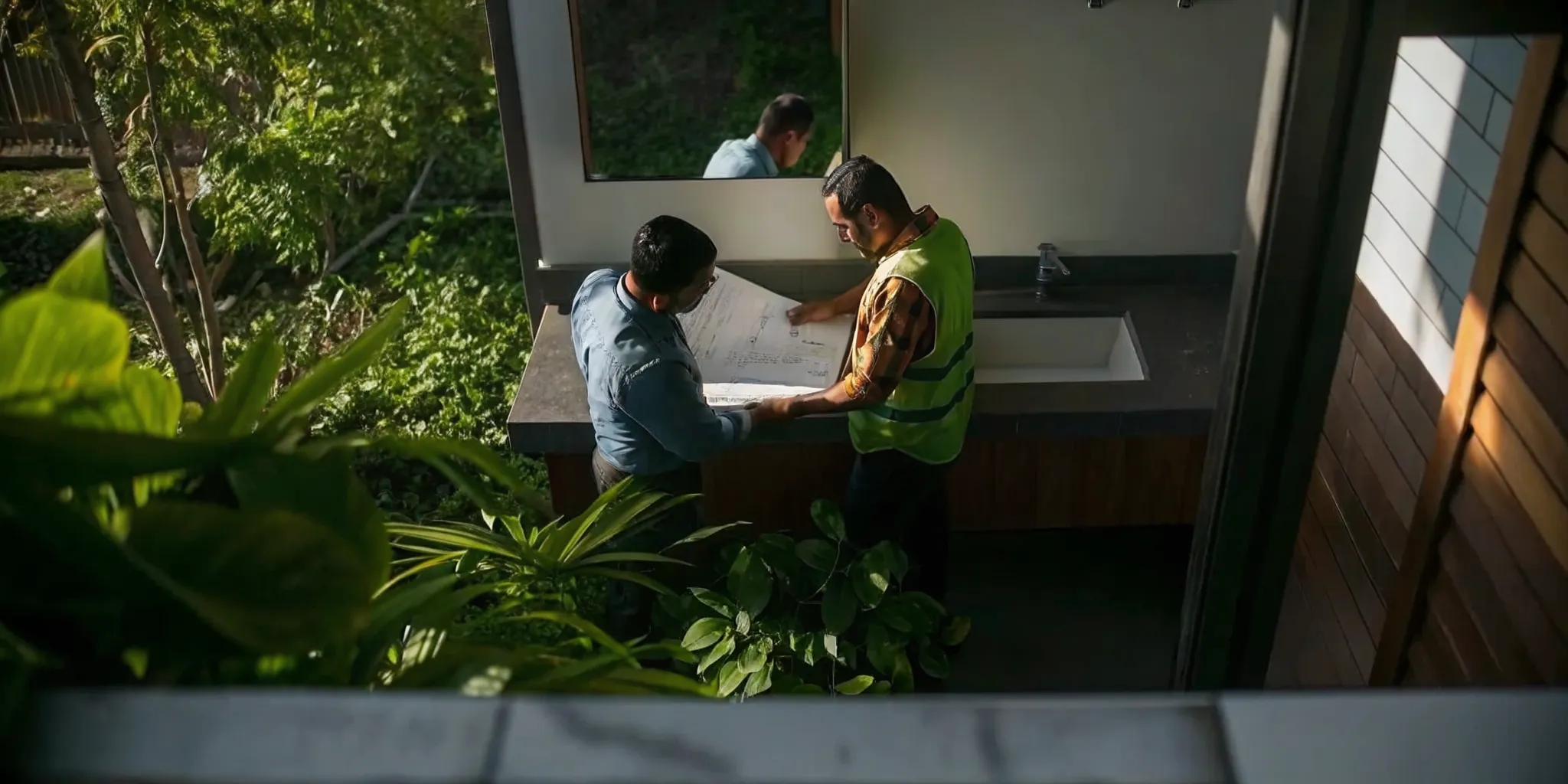
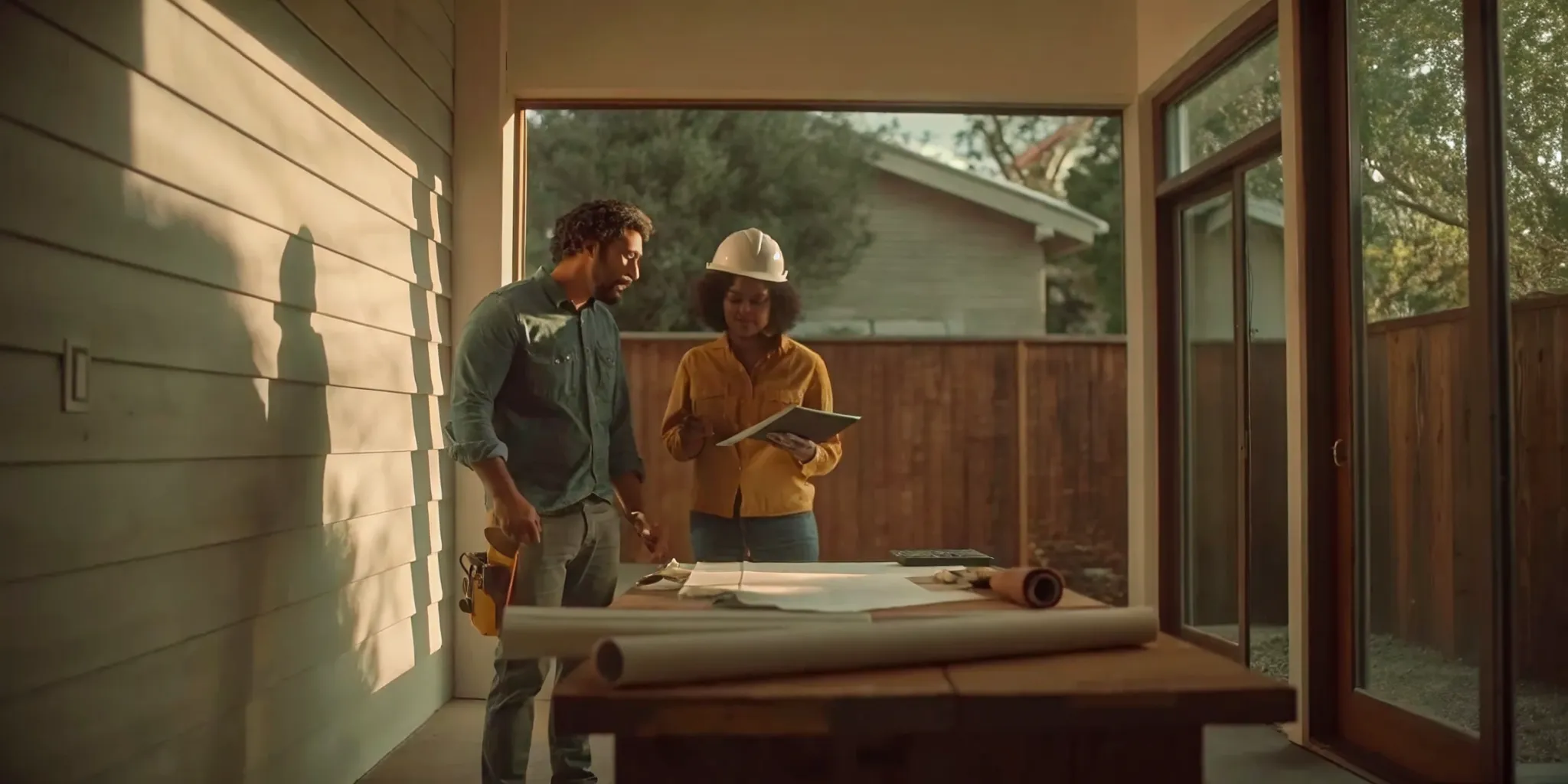
Think of your architectural plans as the official blueprint for your garage conversion. These detailed drawings show the city exactly what you intend to build, including the proposed layout, room dimensions, and locations of doors and windows. They also need to show how the new design fits within your property lines. The goal is to provide a clear picture of the finished space and demonstrate that your design follows all local building and zoning codes. This shows the city that your project is well-planned and meets all requirements for a safe and legal living unit.
Structural Engineering Reports
A structural engineering report confirms that your garage can safely handle its new role as a living space. An engineer assesses the existing foundation, walls, and roof to ensure they can support planned changes, like adding a second story or installing larger windows. This report is all about safety and stability. It addresses critical details like fire safety standards, clear paths for emergency egress, and maintaining a minimum ceiling height of at least seven feet. This document gives both you and the city confidence that your converted garage will be a secure and durable home.
Energy Compliance Documents
In California, every new living space must meet energy efficiency standards, known as Title 24. These energy compliance documents show how your garage conversion will conserve energy, which is great for the environment and your utility bills. The report details things like the type of insulation you’re using and the efficiency of your windows and HVAC system. By proving your project meets California's energy code, you’re ensuring your new ADU will be comfortable year-round. It’s a key step in creating a modern, sustainable space.
How Do You Apply for a Permit, Step by Step?
Once you have your plans and paperwork in order, it’s time to move forward with the official application. The process can feel a bit formal, but it’s really just a series of straightforward steps. Think of it as a checklist to get you from your current garage to a beautiful, functional new space. The key is to be thorough and organized, which will help everything move along smoothly. With a little preparation, you can confidently handle the submission and review process.
Prepare Your Application
Before you can submit anything, you need to assemble a complete application package. This is your chance to show the city exactly what you’re planning and that you’ve thought through all the details. Your application will need to include your architectural plans, structural reports, and any other required documents. To convert a garage in Sacramento, you’ll need to show how your project will comply with local building codes. The city provides an ADU Universal Checklist that outlines exactly what you need, so be sure to review it carefully to make sure you haven’t missed anything.
Submit to the City of Sacramento
With your application package ready, the next step is to submit it to the City of Sacramento. You’ll need to provide your plans along with an itemized valuation for the garage conversion, which is essentially a detailed breakdown of your estimated project costs. Most of this process can be handled online through the city’s official portal, which simplifies things quite a bit. You can create an account and upload all your documents directly. Taking the time to submit a complete and accurate application is the best way to avoid unnecessary delays and keep your project on track from the very beginning.
What to Expect for Review and Approval
After you submit your application, the city’s planning department will review it. State law requires the city to review your plans within 60 days, and for straightforward garage conversions, the turnaround is often much quicker. During this time, officials will check your plans to ensure they meet all health and safety regulations outlined in the California Building Code. This includes things like proper fire safety measures, adequate ventilation, and sufficient natural light. The goal of this review is to ensure your new living space is safe and comfortable for whoever will be using it. If they need any clarifications or revisions, they’ll let you know.
How Much Does a Garage Conversion Permit Cost in Sacramento?
Budgeting for a garage conversion means looking at the full picture, not just the construction materials. The total cost includes everything from architectural designs and city permits to labor and final finishes. While the permit itself is a relatively small part of your overall budget, it’s a critical line item you can’t skip. The final price tag for your project will depend entirely on its scope. Are you creating a simple home office, or are you building a full Accessory Dwelling Unit (ADU) with a kitchen and bathroom?
Understanding the different costs involved will help you create a realistic budget and plan your project with confidence. Think of it in two main categories: the official fees you’ll pay to the city for the permit and the professional costs associated with designing and building your new space. We’ll break down both so you know what to expect financially as you move forward with your Sacramento garage conversion. Having a clear financial plan from the start is the best way to ensure your project stays on track without any surprise expenses along the way.
Breaking Down City Permit Fees
Let’s start with the official paperwork. For a garage conversion in Sacramento, you can generally expect the city permit fees to be between $1,000 and $1,500. This cost covers the city’s administrative work, including reviewing your architectural plans to ensure they meet building codes and sending inspectors to your home at key stages of construction. While it might seem like just another fee, paying for a permit is your assurance that the conversion is done safely and legally. You can find a detailed breakdown of costs on the city’s building permit fee schedule. This fee is your ticket to a compliant, professionally recognized renovation.
Other Professional Costs to Consider
Beyond the city’s fee, the bulk of your budget will go toward design and construction. The total project cost varies widely based on your plans. A full ADU conversion with a kitchen and bathroom can range from $150,000 to $250,000. This includes expenses like design and architectural plans ($10,000+), plumbing and electrical work ($15,000+), and kitchen and bath installation ($30,000+). If you’re planning a simpler conversion, like a home gym or office without new plumbing, your costs could be much lower, potentially between $20,000 and $50,000. Understanding how it works to get a customized plan and accurate cost estimates upfront is key to a successful project.
What Inspections Will You Need During Construction?
Once your permit is approved and construction begins, your project isn’t off the city’s radar. Throughout the building process, a city inspector will visit your home at key milestones to check on the work. Think of these inspections as checkpoints to ensure your new space is safe, sound, and built to last. It’s a crucial part of the process that protects your investment and ensures everything is done correctly. This isn't about catching you out; it's about confirming that the construction meets the safety and quality standards set by the city, which ultimately benefits you as the homeowner. These visits are a standard part of any major renovation and are designed to prevent future problems, like structural issues or electrical hazards, that could be costly and dangerous down the road.
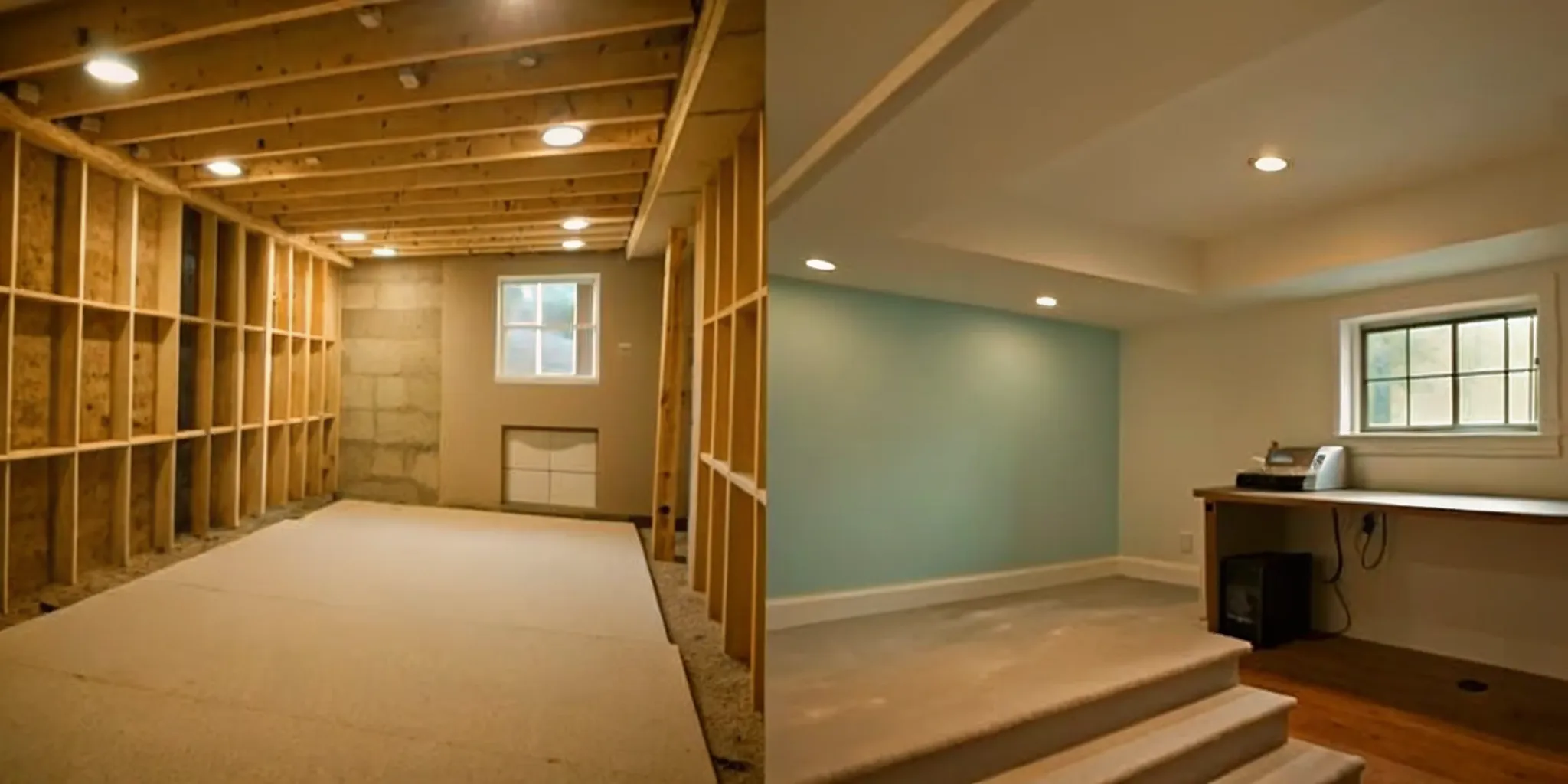
Your contractor will be responsible for scheduling these inspections at the right times, usually before any work is covered up. For example, the framing needs to be inspected before insulation and drywall are installed. This timing is critical because it allows the inspector to see the "bones" of the work before it's hidden. Keeping the lines of communication open with your build team will help you understand when these visits will happen. Having an expert guide you through the renovation process can make managing these steps feel much less stressful, as they'll know exactly when to call in the inspectors and what to prepare for each visit, ensuring a smooth path to completion.
Foundation and Framing Inspections
This is one of the first and most important inspections. Before any walls are closed up, an inspector will visit to verify that the foundation is solid and the framing is constructed properly. They are checking to make sure the structure is sound and can safely support the new living space according to local building codes. This inspection confirms that the bones of your new ADU are strong and stable, setting the stage for all the work that follows. It’s a critical safety check that ensures your conversion is built on a solid footing from the very beginning.
Electrical and Plumbing Inspections
After your electrician and plumber have run all the new wires and pipes, but before the drywall is installed, you’ll need another set of inspections. This is often called the “rough-in” inspection. The inspector will check that all the electrical and plumbing systems are installed safely and meet current codes. They’ll also verify compliance with California’s energy efficiency standards, known as Title 24. This includes checking things like insulation, window quality, and ventilation to ensure your new space is comfortable and energy-efficient. This step is essential for creating a safe and functional home.
Getting Final Approval
The final inspection is the last step before you can officially use your new space. Once construction is complete, the inspector will do a final walkthrough to confirm that the project matches the approved plans and meets all safety regulations. They’ll check everything from smoke detector placement and proper egress windows to the minimum ceiling height. Passing this inspection means the city officially signs off on the project, closes out your permit, and deems the space safe for occupancy. This is the moment your converted garage legally becomes a new, valuable part of your home.
Common Mistakes to Avoid
Navigating the world of permits can feel complicated, but knowing what to watch out for ahead of time can save you from major headaches. A successful garage conversion is all about smart planning and avoiding a few common pitfalls that can derail your project, delay your timeline, and drain your budget. By being aware of these potential issues from the start, you can ensure your project runs smoothly from the initial design to the final inspection. Let’s walk through the three biggest mistakes homeowners make and how you can steer clear of them.
Don't Skip the Permit
It might be tempting to start demolition without official approval, but beginning a garage conversion without the right permits is one of the most expensive mistakes you can make. Unpermitted work can lead to significant fines from the city and may even require you to tear out everything you’ve built. It also creates serious problems down the road when you decide to sell your home, as unpermitted additions can scare off buyers and complicate the sale. Think of the permitting process not as a hurdle, but as a safeguard for your investment. Getting everything approved ensures your new space is safe, legal, and officially adds value to your property.
Avoid Incomplete Plans and Paperwork
A common reason for permit delays is submitting an application with missing or incorrect information. The city’s plan reviewers need a complete picture of your project to approve it, and that means providing detailed architectural drawings, structural reports, and all the required forms. An incomplete submission will get sent right back to you, stopping your project in its tracks until you provide the necessary details. To avoid this, carefully review the city’s checklist before you submit. Working with an expert who understands Sacramento’s requirements can help you get your paperwork right the first time, which is a core part of Realm’s process.
Watch Out for Code Violations
Getting your permit is just the first step; the actual construction work must comply with California’s building codes. Common issues in garage conversions include inadequate insulation, poor ventilation that can lead to mold, and ceiling heights that don’t meet the 7-foot minimum. These codes are in place to ensure your new living space is comfortable and safe for whoever uses it. Violations will cause you to fail inspections, forcing you to pay for costly rework. This is where hiring a qualified professional is essential. A vetted contractor will know the codes inside and out and make sure your conversion is built correctly from the foundation up.
Why Convert Your Garage?
If you’re thinking about permits, you’re probably already dreaming about what you could do with your garage space. Beyond just clearing out old boxes and finding a new spot for your car, a garage conversion is one of the most effective ways to transform your home. It’s a project that can solve a lot of common homeowner problems, from feeling cramped for space to wanting a little extra income, all while using the existing footprint of your house. This makes it a more approachable and often more affordable option than building an entirely new addition from the ground up.
Converting your garage is a popular way to add more living space and value to your home, especially in a place like Sacramento where every square foot counts. The possibilities are nearly endless. Whether you need a dedicated home office that’s separate from the main house, a comfortable suite for aging parents, a creative studio, or a legal rental unit to help with the mortgage, that underused space holds a ton of potential. It’s a chance to reshape your home to better fit your life. Let's look at the top reasons homeowners decide to take on this rewarding project.
Add Value to Your Home
One of the biggest draws of a garage conversion is the immediate impact on your property value. By turning storage space into livable square footage, you’re making a significant investment in your home. In fact, a well-executed garage conversion can increase your property's value by about 20%. This isn't just about adding a room; it's about enhancing your home's functionality and appeal to future buyers. When you work with a dedicated advisor, you can ensure your project is designed to maximize this return, creating a space that is both beautiful and a smart financial move.
Create a New Source of Income
Imagine having an extra income stream coming from your own property. A garage conversion makes that possible by creating a legal, rentable Accessory Dwelling Unit (ADU). It's a smart way to add living space for family members, like an in-law suite, or to rent out for extra income. In a competitive rental market, having a separate, modern unit can be incredibly attractive to tenants. This can provide a steady source of passive income that helps cover your mortgage, pay for the renovation itself, or fund other life goals. It’s a practical strategy for making your property work for you.
Gain Extra Living Space
Sometimes, the simplest reason is the most important: you just need more room. Maybe your family is growing, you’ve started working from home permanently, or you’ve picked up a hobby that requires its own dedicated area. A garage conversion offers a straightforward solution without the cost and stress of moving or building a full-blown addition. You can create that much-needed playroom, a quiet home office, a personal gym, or a guest bedroom. This project allows you to customize your plan to fit your family’s exact needs, adapting your home to your current lifestyle.
How Long Does the Whole Process Take?
Planning a garage conversion is exciting, but it’s natural to wonder about the timeline from start to finish. The total duration depends on two main phases: getting your permit approved and the actual construction work. While every project is unique, garage conversions are typically one of the faster ways to add an accessory dwelling unit (ADU) to your property. Having a clear understanding of the timeline helps you set realistic expectations and plan accordingly, ensuring a smoother process from your initial designs to the final walkthrough.
How Long Permitting Takes
Getting your permit is the first major step. The good news is that Sacramento has a clear timeline for this. According to local experts at Result Construction, "The city/county must review your plans within 60 days, and it's often quicker for garage conversions." This means once you submit a complete application, you can expect a decision within two months. The process is often faster for garage ADUs because you're working with an existing structure, which can simplify the review. To keep things moving, it’s essential that your initial application and plans are accurate and complete, avoiding any back-and-forth that could cause delays.
How Long Construction Takes
Once you have your permit in hand, construction can begin. This phase is also relatively quick for a garage conversion. Because the main structure, foundation, and roof are already in place, the project is more manageable than building from the ground up. Result Construction notes that garage conversions are "faster to build, usually taking 3-5 months from getting permits to finishing the project. Detached ADUs can take 6-9 months." This timeline covers everything from framing the interior walls and running utilities to installing finishes and passing final inspections. Working with vetted professionals helps ensure your project stays on schedule and meets all quality standards.
Should You Hire a Professional for Your Conversion?
Unless you have extensive construction experience, converting a garage is not a weekend DIY project. This type of renovation involves complex tasks like framing, electrical wiring, plumbing, and HVAC installation, all of which must meet strict building codes. A mistake can lead to costly rework, failed inspections, or even unsafe living conditions. Hiring a professional is about more than just getting the work done; it’s about ensuring the project is completed safely, legally, and to a high standard.
Choosing the right contractor is one of the most important decisions you'll make for a successful project. A good professional will manage the entire process, from finalizing plans and securing permits to coordinating subcontractors and scheduling inspections. They bring expertise that helps you avoid common pitfalls and ensures your new space is both beautiful and compliant. If the thought of managing all these moving parts feels overwhelming, working with a service like Realm can give you the expert guidance you need to feel confident every step of the way. A dedicated advisor can help you vet contractors and make sure your project stays on track.
When to Hire a Contractor or Designer
You should hire a professional for any garage conversion that involves structural changes, new electrical circuits, or plumbing. If you're adding a bathroom, a kitchen, or even just a few new walls, a licensed contractor is essential. Their expertise is crucial for ensuring everything is built to code. A designer or architect can also be invaluable at the start of the process. They can help you create a functional layout that maximizes your space and ensures your architectural plans have all the details the city permit office needs to see. For complex projects, especially if you're adding new rooms or a second story, a full design-build team is your best bet for a smooth process.
How to Find the Right Pro in Sacramento
Finding the right contractor can feel like a job in itself, but a few key steps can help you find a reliable partner. Start by asking for recommendations from friends or neighbors, but always do your own research. Before hiring anyone, verify they have a valid California contractor's license and proper insurance. You can easily check a license on the state board's website. Make sure they have specific experience with garage conversions in Sacramento, as they’ll be familiar with local regulations. Get at least three detailed quotes to compare costs and timelines. Finally, ask for a portfolio of their past work and speak with their references to ensure you’re making the right choice.
Related Articles
Frequently Asked Questions
What happens if I convert my garage without a permit? Skipping the permit might seem like a way to save time and money, but it almost always leads to bigger problems. The city can issue a stop-work order, levy significant fines, and even require you to demolish all the work you’ve done. An unpermitted conversion also creates major issues when you try to sell your home, as it can’t be legally counted as living space and may deter potential buyers. Getting a permit is the best way to protect your investment and ensure your new room is a safe, legal, and valuable addition to your home.
My garage has a low ceiling. Can I still convert it? Sacramento requires a minimum ceiling height of 7 feet for a space to be considered habitable. If your garage ceiling is lower than that, a conversion is more complex but not necessarily impossible. A qualified contractor might suggest solutions like lowering the garage floor or raising the roof structure. Both options add significant cost and complexity to the project, so it’s important to discuss the feasibility and budget implications with a professional before you get too far into planning.
Will converting my garage into an ADU increase my property taxes? Yes, you can expect your property taxes to go up after completing a garage conversion. However, your entire property won't be reassessed. Instead, the county assessor will determine the added value of the new living space and adjust your tax bill based on that increase. Think of it as a predictable part of the overall investment, which is offset by the significant value and potential rental income the new ADU adds to your home.
Can I live in my house during the construction? In most cases, yes. Since the construction is primarily contained within the garage, it’s far less disruptive than a kitchen or bathroom remodel inside your main living area. You should still prepare for some noise and dust, and there may be brief periods where utilities like water or electricity are shut off. It’s a good idea to talk through the daily schedule and potential disruptions with your contractor beforehand so you know exactly what to expect.
Besides the permit and construction, what other costs should I budget for? It’s smart to plan for a few expenses beyond the main construction contract. These often include fees for architectural design and structural engineering, which are necessary for your permit application. You may also have costs for new utility connections, landscaping to integrate the new space with your yard, and of course, furnishing the finished room. We always recommend setting aside a contingency fund of about 10-15% of your total budget to cover any unexpected issues that might come up along the way.