How to Get a Bathroom Remodel Quote & Spot Red Flags
Learn how to get a bathroom remodel quote, compare bids, and spot red flags so you can hire the right contractor and avoid costly surprises.
|
August 5, 2026
In this article:
You’ve probably heard the advice to always get at least three quotes for any big project. But what happens when you have three completely different documents in front of you? One might be a single page with a lump sum, while another is a detailed, multi-page breakdown. Comparing them can feel like an impossible task. The goal isn’t just to find the lowest price—it’s to find the best value and the right professional partner for your home. This is where knowing what to look for becomes critical. We’ll show you how to read between the lines so the next time you get a bathroom remodel quote, you can confidently choose the best fit.
Key Takeaways
- Define your vision for accurate quotes: Before you talk to a single contractor, get clear on your project. Document your bathroom's measurements, create a detailed wishlist of must-haves, and set a realistic budget to ensure the bids you receive are truly comparable.
- Look for value, not just the lowest price: The cheapest quote often hides future costs. A high-quality bid is a detailed project plan that breaks down labor and material costs, includes a clear timeline, and addresses permits, showing a contractor's transparency and professionalism.
- Treat the quote process as an interview: Use every interaction to assess a contractor's communication style and expertise. A great partner will answer your questions patiently, provide their license and insurance readily, and establish a clear plan for handling changes before the project even begins.
What Really Drives Bathroom Remodel Costs?
When you first look at a bathroom remodel quote, the total can feel a bit like sticker shock. But once you understand what’s behind the numbers, it all starts to make sense. The final cost isn’t just one big expense; it’s a combination of several key factors that can swing your budget in either direction.
Think of it like building with LEGOs—the size of your project, the type of bricks you choose, and the complexity of your design all play a role in the final result. From the tile under your feet to the plumber who installs your new shower, every decision has a price tag. Understanding these core cost drivers is the first step toward creating a realistic budget and getting a quote that truly reflects your vision. Let’s break down the four main areas that will have the biggest impact on your bottom line.
Materials and Finishes
This is where your personal style really shines—and where your budget can quickly expand. The materials and finishes you select are often the largest variable in a bathroom remodel. A simple ceramic tile, for instance, costs much less than imported marble. Likewise, a stock vanity from a big-box store is worlds away from custom cabinetry, which can run anywhere from $5,000 to $12,000.
High-end fixtures from brands like Kohler or Moen can also add thousands to your total. It’s easy to see how your choices for countertops, faucets, lighting, and flooring add up. This is why having a clear vision and budget from the start is so important. A dedicated advisor can help you select materials that fit your aesthetic without derailing your finances.
Labor and Project Complexity
You’re not just paying for materials; you’re paying for the skilled professionals who bring your vision to life. Labor costs depend on the size of your team, their expertise, and the complexity of the job. A simple powder room refresh requires far less labor than a primary bathroom overhaul with intricate tilework and custom features.
Effective project management is also part of the labor cost. A well-run project ensures everything happens in the right order, from demolition to the final coat of paint. This coordination prevents costly delays and mistakes. Clear and consistent communication with your contractor is essential for a smooth process, ensuring that everyone is aligned and the work is completed successfully.
Layout Changes
If you want to keep your remodel costs in check, here’s a golden rule: try to keep your plumbing where it is. Changing the bathroom’s layout is one of the most significant cost drivers. Moving a toilet, shower, or sink isn’t as simple as just sliding it over. It requires re-routing plumbing pipes and electrical wiring within your walls and floors, which is a labor-intensive and expensive process.
Even small adjustments can lead to major work, including opening up walls, cutting into the foundation, and extensive patching. If your current layout is functional, sticking with it is the most budget-friendly approach. This allows you to focus your spending on the things you’ll see and touch every day, like beautiful tile and new fixtures.
High-End Features
Dreaming of a spa-like retreat? Luxury features like heated floors, a freestanding tub, a steam shower, or a custom vanity with premium stone countertops can transform your bathroom into a personal oasis. However, these high-end upgrades come with a premium price tag.
It’s not just the cost of the item itself; these features often require specialized installation. For example, heated floors need an electrician and a tile setter who are experienced with the system. A heavy freestanding tub might require reinforcing the floor joists below. While these elements can add significant comfort and value, it’s important to carefully consider each one and decide where you want to invest for the biggest impact on your daily routine.
How to Find a Reputable Bathroom Contractor
Finding the right contractor can feel like the most daunting part of a remodel, but it’s also the most critical. This is the person you’re trusting with your home, your budget, and your vision. The good news is that a great contractor brings not just skill, but also peace of mind. Vetting professionals is a key part of what we do at Realm, because we know that the right team makes all the difference. Whether you’re searching on your own or working with a service, the process of finding a qualified pro involves a few key steps: knowing where to look, verifying their credentials, and checking their track record. Taking the time to do this homework upfront will save you from headaches and unexpected costs down the road. It’s about building a partnership for a successful project, and that starts with finding someone you can truly count on.
Where to Look and What to Check
A great place to start your search is by asking for recommendations from friends, family, or neighbors who have recently completed a remodel. If you’re coming up short on personal referrals, online platforms can be a solid resource. Once you have a few names, the real work begins. Prepare a list of questions to ask every potential contractor. You’ll want to cover the basics like their experience with bathrooms similar to yours, but also dig into the logistics. Ask them about their process for handling timelines, sourcing materials, managing cleanup, and what kind of warranties they offer. Their answers will reveal a lot about their professionalism and how they run their business.
Verifying Licenses and Insurance
This step is non-negotiable. Before you get serious with any contractor, you need to confirm they have a valid state license and are fully insured. Ask for their license number and verify it with your state’s licensing board—for example, homeowners in California can use the Contractors State License Board website. You should also ask for proof of insurance, which should include general liability and workers' compensation. This isn’t just red tape; it’s your protection. If an uninsured worker gets injured on your property or your home is damaged during the project, you could be held financially responsible. A professional contractor will have this documentation ready and will be happy to provide it.
Reading Reviews and Asking for References
Online reviews can give you a broad sense of a contractor's reputation, but don't stop there. A reputable contractor should be able to provide you with a list of recent references—and you should absolutely call them. Ask past clients about their experience. Was the contractor communicative and easy to work with? Did they stick to the budget and timeline? How did they handle unexpected issues? This is your chance to get an honest, firsthand account of what it’s like to work with them. This insight is invaluable and helps you understand if their working style is a good fit for you long before you sign a contract.
What Should a Detailed Quote Include?
A great quote is more than just a final price; it’s a detailed roadmap for your entire project. Think of it as the blueprint that ensures you and your contractor are on the same page from day one. Vague estimates leave room for misunderstandings and surprise costs, while a thorough quote protects everyone involved. It should clearly spell out every aspect of the job, from the specific tile you’ve chosen to the timeline for completion. When you receive a quote that’s broken down into clear, understandable sections, it’s a strong sign that you’re working with a professional who is organized and transparent. This document is the foundation of your working relationship, so it's worth taking the time to make sure it's solid. Let’s get into the key components you should always look for.
Breakdown of Labor and Material Costs
Your quote should separate costs for labor and materials. This transparency is crucial for understanding where your money is going and for comparing different bids accurately. It allows you to see if a contractor is marking up materials excessively or if their labor rates are competitive. For instance, custom cabinetry and luxury countertops can run from $5,000 to $12,000, while high-end fixtures might add another $3,000 to $8,000. Seeing these as individual line items helps you make informed decisions about where to splurge and where to save. A detailed breakdown is a core part of the planning process and helps keep your project on budget.
Project Timeline and Permit Details
A professional quote will always include a clear project timeline with a proposed start date and an estimated completion date. This helps you manage your own schedule and sets clear expectations for how long your bathroom will be out of commission. The quote should also address building permits. Depending on the scope of your remodel, you may need permits for plumbing, electrical, or structural changes. Your contractor should specify whether permits are required, who is responsible for securing them (it should be them!), and if the cost is included in the total price. This is a critical step that a dedicated project advisor can help you manage, ensuring everything is done correctly and legally.
Allowances for Unexpected Issues
Even with the most careful planning, renovations can uncover surprises, especially in older homes. A reputable contractor knows this and will discuss the possibility of unforeseen issues with you upfront. Your quote should include a contingency allowance—typically 10–15% of the total project cost—to cover potential problems like hidden water damage, mold, or outdated wiring. This isn’t an attempt to inflate the price; it’s a sign of an experienced professional who is preparing for the unexpected. Having this buffer built into your budget from the start provides peace of mind and prevents a small issue from derailing your entire project.
Essential Questions to Ask About Your Quote
Once you have a quote in hand, the real conversation begins. This isn't the time to be shy. Asking detailed questions now prevents misunderstandings and costly surprises later. A professional contractor will welcome your questions and provide clear answers because it shows you're an engaged partner in the project. Think of this as a final interview to ensure you’ve found the right fit. It’s your chance to confirm that every detail is accounted for and that you and your contractor share the same vision for your new bathroom.
Getting clarity on the scope, payment terms, and communication style will help you move forward with confidence. Remember, a good quote is more than just a number; it’s the foundation of a successful working relationship. At Realm, we guide you through this vetting process, but arming yourself with the right questions is a powerful first step. Use this list to dig into the details and make sure nothing gets lost in translation.
Clarifying the Scope of Work
The "scope of work" is simply everything the contractor has agreed to do for the quoted price. Vague descriptions can lead to major headaches, so your goal is to get as specific as possible. Start by asking for a line-by-line walkthrough of the quote. Don't hesitate to ask questions like, "What specific model of faucet does this include?" or "What does your daily and final cleanup process involve?" Make sure you understand the plan for protecting the rest of your home from dust and debris. The most important step is to get everything in writing, from the project timeline to the full breakdown of materials.
Understanding Payment Schedules and Warranties
A clear payment schedule protects both you and the contractor. A major red flag is a request for a large upfront deposit. A reasonable down payment is typically 10% to 20% of the total project cost, just enough to secure your spot on their schedule and cover initial materials. Ask for a detailed payment schedule that ties payments to specific project milestones, like the completion of demolition or the installation of tile. You should also ask about warranties. What kind of warranty do they offer on their labor? What are the manufacturer warranties on the products being installed? Understanding these financial and long-term protections is key to building trust from the start.
How We'll Communicate and Handle Changes
A renovation project involves a lot of moving parts, and clear communication is the glue that holds it all together. Ask who your primary point of contact will be and the best way to reach them. Will you have regular check-in meetings? It’s also crucial to discuss how changes will be handled. If you decide you want a different tile or an unexpected plumbing issue arises, what is the process for documenting the change and approving any additional costs? Establishing a clear communication plan before the work begins ensures everyone stays aligned and satisfied throughout the project.
How Many Quotes Do You Really Need?
When you’re ready to move forward with your bathroom remodel, getting multiple quotes is a non-negotiable step. Think of three as the magic number. One quote gives you a single data point, two shows you a range, but three gives you a real sense of the market rate for your project and a clear view of your options. This isn't about finding the absolute cheapest bid—it's about finding the best value and the right partner for your home.
Comparing quotes helps you see how different contractors approach the same project. You’ll notice variations in their proposed materials, timelines, and communication styles. As one homeowner wisely shared about their own expensive project, the most important advice they received was to "always get multiple quotes." This process is your opportunity to vet potential contractors, understand their process, and find a team that gives you confidence. At Realm, we simplify this by connecting you with our network of vetted professionals, so you can compare quotes from trusted experts without the endless searching.
Finding the Sweet Spot for Comparison
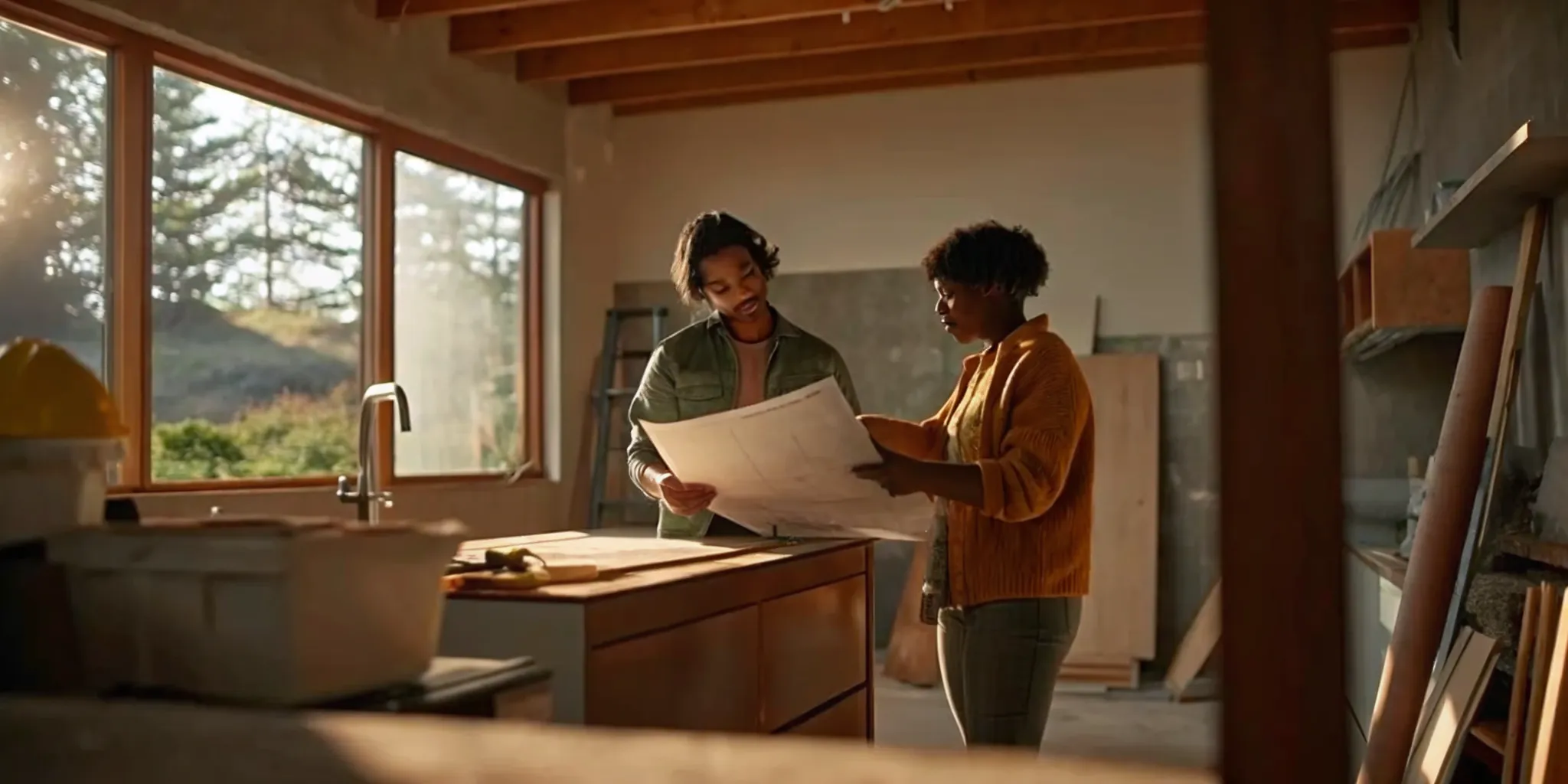
To compare quotes effectively, you need to make sure you’re comparing apples to apples. This starts with you. Before you even contact a contractor, you should have a clear vision and a detailed list of what you want. Give every contractor the exact same project scope, wishlist, and measurements. The more specific you are, the more accurate and comparable their quotes will be.
A professional contractor will respond with a detailed, itemized quote. This is a sign that they are thorough and transparent. Vague estimates are a red flag. A good quote should clearly outline the scope of work, timelines, and a full breakdown of materials. Remember to put everything in writing to avoid any misunderstandings down the road. This level of detail shows that a contractor is projecting expertise and working to build your trust from the very beginning.
When to Request Your Quotes
The best time to request quotes is after you’ve finalized your project plan and budget but before you’re ready to sign a contract. Walking a contractor through your bathroom when you have a clear vision allows them to give you a much more accurate price. It also shows them that you’re a serious and organized client.
Think of the quote process as the start of a conversation, not the end of one. This is your first real interaction with a potential contractor, so pay attention to how they communicate. Are they timely, clear, and courteous? Use this opportunity to ask important questions about their timeline, material sourcing, warranties, and even their cleanup process to avoid surprises later on. How they handle this initial discussion is a great indicator of what it will be like to work with them for the next several weeks or months.
How to Compare Quotes (It's Not Just About Price)
Once you have a few quotes in hand, it’s tempting to just scan for the lowest number and call it a day. But the cheapest bid is rarely the best one. A bathroom remodel is a complex project, and a quote is more than just a price tag—it’s a reflection of a contractor’s professionalism, experience, and understanding of your vision. Comparing quotes is about finding the best value, not just the lowest cost.
Think of it as trying to compare apples to apples. A low bid might seem great until you realize it’s missing key components like demolition, permits, or high-quality materials, leaving you with surprise costs later. A thorough quote protects you and ensures there are no misunderstandings down the road. At Realm, we help homeowners decipher these documents because we know that a successful project starts with a clear and comprehensive plan. The goal is to find a contractor who offers a fair price for high-quality work and a smooth process.
Looking Beyond the Bottom Line
The total cost is just one piece of the puzzle. A truly great quote will give you a clear picture of the entire project. As you review each bid, look for details on the proposed timeline. How long does the contractor expect the project to take? Next, check the materials. Are they listing specific brands and models for fixtures, or are they using vague terms like “standard toilet”? The quality of materials directly impacts the longevity of your remodel. Also, be sure to check for information on warranties for both labor and materials, as well as their plan for daily site cleanup.
Evaluating a Contractor's Experience
You can tell a lot about a contractor by the quote they provide. An experienced professional will offer a detailed, transparent document that anticipates your questions. They should be able to confidently answer things like whether your project will require a permit and what the typical process is for securing one in your area. Their familiarity with local building codes is a huge plus. A detailed quote shows they’ve done their homework and aren’t just throwing a number at you. This level of professionalism and expertise is exactly what you should expect from a vetted contractor who is serious about earning your business.
Understanding What's Included vs. Excluded
This is where you need to be a detective. A good quote will have a clear, line-item breakdown of every cost, from demolition and plumbing to tiling and painting. Be wary of any bid that gives you a single lump-sum price with no details. Scrutinize the scope of work to see exactly what services are covered. Does the price include hauling away debris? What about final cleaning? Sometimes a quote seems low because the contractor has excluded essential tasks, assuming you’ll handle them or pay for them separately. A clear contract ensures everyone is on the same page and protects you from unexpected expenses.
Red Flags to Spot in a Remodel Quote
Getting a few quotes is a smart move, but knowing how to read between the lines is what truly protects your investment and your peace of mind. A quote is more than just a price; it’s a reflection of a contractor’s professionalism, transparency, and process. Spotting red flags early can save you from major headaches, unexpected costs, and a project that drags on forever. Think of it as your first real interview with a potential project partner—you want to make sure they’re the right fit before you commit.
Vague Descriptions and Unclear Pricing
Your quote should be a detailed roadmap, not a rough sketch. If you see generic line items like "install flooring" or "update plumbing" without specifics, press for more information. What type of flooring? What brand of fixtures? Does the price include demolition, prep work, and cleanup? A professional quote will break down costs for labor and materials, providing a clear picture of where your money is going. Ambiguity leaves room for surprise charges and misunderstandings later. A contractor who provides a clear project plan from the start shows they are organized, transparent, and understand your vision completely.
Unusually Low Bids or High Down Payments
An unbelievably low bid can be tempting, but it’s often a major red flag. This could mean the contractor is using subpar materials, cutting corners on essential steps like waterproofing, or planning to hit you with a string of "unforeseen" charges once the work has begun. On the other end of the spectrum, be wary of anyone asking for a huge down payment. A massive upfront sum might mean the contractor has cash flow problems or, in the worst-case scenario, could disappear with your money. Many state regulations limit down payments to a small percentage of the total project cost to protect homeowners.
Missing Credentials or Poor Communication
A reputable contractor will have no problem providing you with their license number and proof of insurance. If they hesitate or can't produce these documents, walk away. Working with an unlicensed or uninsured contractor puts all the risk on you. Pay attention to their communication style, too. Are they responsive to your questions? Do they explain things clearly and patiently? If they’re hard to get a hold of before you’ve even signed a contract, imagine how difficult it will be to reach them when your project is underway. You deserve to work with vetted professionals who prioritize clear, consistent communication from start to finish.
Avoid These Common Mistakes When Getting Quotes
Getting quotes is more than just collecting numbers—it's about finding the right partner for your project. A few common missteps can lead to inaccurate bids, project delays, and budget surprises. By avoiding these pitfalls, you can set yourself up for a much smoother process from the start.
Not Clearly Defining Your Needs
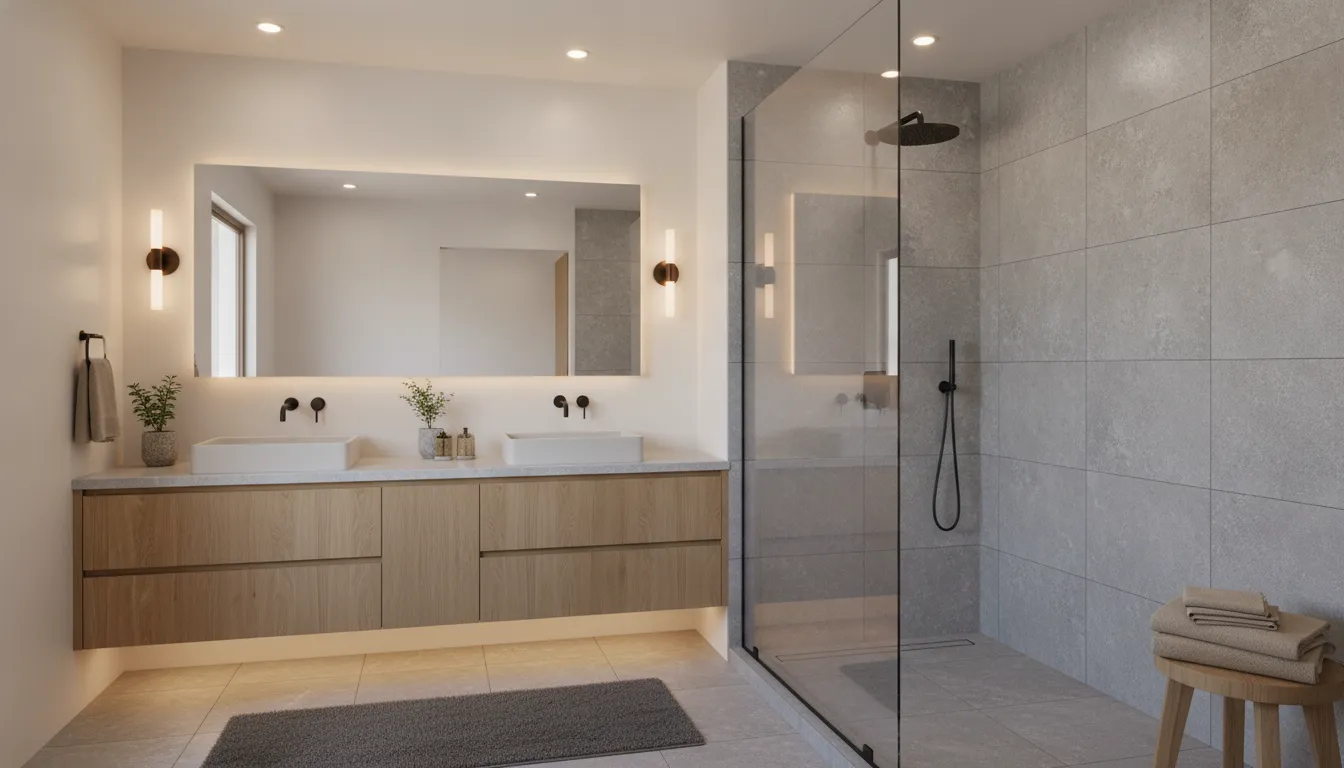
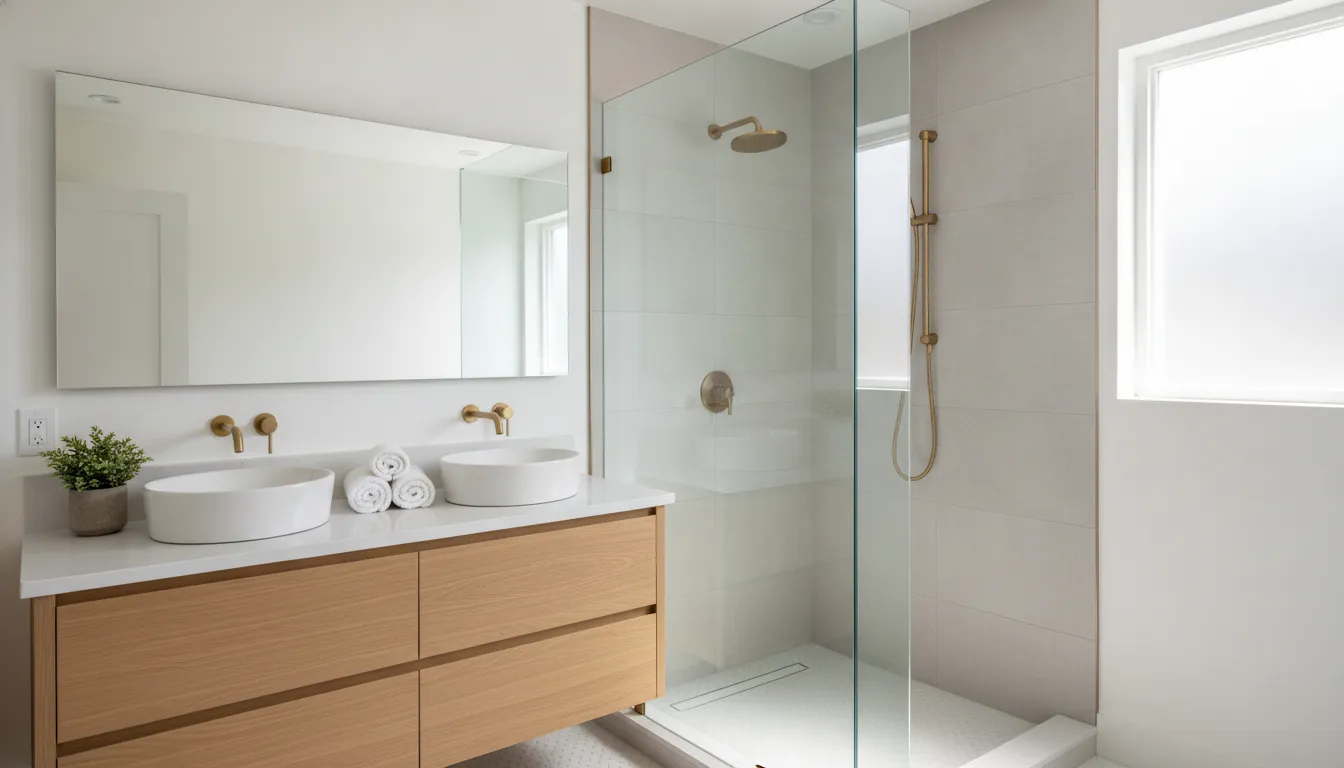
If you’re vague about your vision, you’ll get vague quotes. Contractors can’t read your mind, so telling them you want a “modern bathroom” isn’t enough. Does that mean a floating vanity, a specific type of tile, or a frameless glass shower? The more details you provide, the more accurate your quote will be. Clear communication is essential for keeping everyone aligned. Before you even contact a contractor, write down everything you want, from the big-ticket items to the small finishes. This clarity ensures the quotes you receive actually reflect the project you have in mind, making it easier to compare them apples-to-apples.
Being Unprepared for the Contractor's Visit
When a contractor comes to your home, it’s a two-way interview. You’re assessing them, and they’re assessing you and the project. Show them you’re a serious and organized client by having your wishlist, inspiration photos, and budget range ready to discuss. Prepare a list of questions about their process, timeline, and past work. This preparation helps build trust and ensures you get the most out of your meeting. A contractor who sees you’ve done your homework is more likely to provide a thoughtful, detailed quote because they know you’re invested in a successful outcome.
Overlooking Potential Hidden Costs
The number on the quote isn’t always the final number. It’s easy to forget about costs that aren't listed as line items. For example, does the quote account for building permits? What about the cost of disposing of old materials? There’s also the possibility of uncovering unexpected issues, like water damage or old wiring, once demolition begins. Be sure to ask how potential changes or unforeseen problems are handled. Also, remember that choosing high-end finishes like premium stone or designer fixtures can quickly inflate your budget. Discuss allowances and potential overages with your contractor upfront to avoid surprises later.
How to Prepare for an Accurate Quote
Walking into a conversation with a contractor without a plan is like going to the grocery store without a list—you’ll likely forget something important and spend more than you intended. The more prepared you are, the more accurate your quote will be, and the smoother your project will run. A contractor can give you a much better estimate when they have a clear understanding of your vision, your space, and your budget.
Taking the time to prepare also helps you. It forces you to think through what you truly want and need, making it easier to compare quotes later on. Before you even think about scheduling a walkthrough, focus on three key areas: documenting your current space, detailing your wishlist, and defining your budget. This groundwork sets the stage for a productive partnership with your contractor and helps ensure there are no major surprises down the line. With expert guidance, this planning phase can feel less overwhelming and more exciting.
Measure and Document Your Space
Before a contractor can give you an accurate quote, they need to know exactly what they’re working with. Start by taking clear measurements of your bathroom, including the length and width of the room, ceiling height, and the dimensions of your current vanity, shower, and tub. Sketch a simple floor plan noting the locations of doors, windows, and existing plumbing fixtures.
Next, pull out your phone and take plenty of photos and videos from different angles. This visual record is incredibly helpful for contractors and for you to reference later. Beyond the physical specs, think about the why behind your remodel. Are you trying to solve a storage problem? Is the layout awkward? Do you just want a more modern look? Outlining your reasons helps you communicate your goals clearly, which is the foundation of a clear project plan.
Create a Detailed Wishlist
Now for the fun part. This is where you get to dream up your ideal bathroom. To keep things organized, I recommend creating a written list divided into two categories: “must-haves” and “nice-to-haves.” Your must-haves are the non-negotiables, while the nice-to-haves are things you’d love to include if the budget allows.
Be as specific as possible. Instead of just writing “new vanity,” specify “a 48-inch floating double vanity with quartz countertop and undermount sinks.” Think about special features that would make your life easier, like custom drawer organizers or integrated electrical outlets for hair tools. The more detail you provide, the better a contractor can understand the full scope of the project. Having everything in writing ensures you and your contractor are on the same page from day one. If you need some ideas, browse online for inspiration for your project.
Set a Realistic Budget
Talking about money can be uncomfortable, but it’s one of the most important conversations you’ll have during your remodel. You need to have a realistic budget in mind before you start getting quotes. This number should include everything from materials and labor to a contingency fund for unexpected issues (a good rule of thumb is 10-15% of your total budget).
Be honest with yourself and your contractor about your financial limits. A high-end remodel with custom cabinetry, premium stone, and spa-like features will have a very different price tag than a more modest update. If you need to keep costs down, consider focusing on mid-range materials, keeping the existing layout, and handling simple tasks like painting yourself. Defining your budget upfront helps a contractor suggest appropriate materials and solutions that align with what you’re comfortable spending.
Related Articles
- How to Estimate a Bathroom Remodel: A Full Breakdown
- How to Estimate Bathroom Remodel Cost Accurately
- Bathroom Remodel Estimate Sample: A Cost Breakdown
- Small Bathroom Remodel Cost: A Full Breakdown
Frequently Asked Questions
What's the biggest mistake people make when getting remodel quotes? Hands down, the most common mistake is not having a clear plan before you start. If you give three different contractors a vague idea of what you want, you'll get back three wildly different quotes that are impossible to compare. Taking the time to create a detailed wishlist and measure your space ensures that every contractor is bidding on the exact same project, which is the only way to make a true apples-to-apples comparison.
Why shouldn't I just go with the cheapest quote? It’s tempting, but an unusually low bid is often a sign that something is missing. The contractor might be using lower-quality materials, excluding essential tasks like debris removal, or cutting corners on important steps like waterproofing. The goal isn't to find the lowest price, but the best value. A professional quote that seems higher might actually save you money by including everything needed for a durable, high-quality job from the start.
If I need to lower my budget, where's the best place to cut costs? The single most effective way to control your budget is to keep your bathroom's existing layout. Moving a toilet or a shower requires re-routing plumbing and electrical lines within your walls and floors, which is a complex and expensive job. By keeping your fixtures in the same place, you can focus your spending on the elements you'll see and enjoy every day, like beautiful tile, a new vanity, and updated lighting.
How much should a contractor ask for as a down payment? A reasonable down payment is typically 10% of the total project cost, and some states even have laws that cap this amount. Be very cautious of any contractor who asks for a large sum—like 50% or more—upfront. A professional will have a clear payment schedule that ties payments to specific project milestones, such as the completion of demolition or the installation of fixtures. This protects you and ensures they are motivated to keep the project moving forward.
What happens if we find a surprise problem, like mold, after the project starts? This is exactly why a contingency fund is so important. Experienced contractors know that renovations, especially in older homes, can uncover unexpected issues. A good quote will include an allowance, usually 10-15% of the project cost, to cover these potential surprises. This isn't an attempt to overcharge you; it's a sign of a professional who plans ahead to ensure a hidden problem doesn't derail your entire budget.