How Long Does a Kitchen Remodel *Really* Take?
Get clear answers to how long does a kitchen remodel take from start to finish, plus practical tips to plan your project and avoid common renovation delays.
|
February 2, 2026

In this article:
A kitchen remodel can feel like a chaotic storm of decisions, contractors, and moving parts, making the timeline feel completely out of your control. But it doesn’t have to be that way. While unexpected delays can happen, a solid plan is your best defense against chaos. By understanding the key factors that influence your schedule—from the materials you choose to the permits you need—you can take a proactive role in managing your project. Knowing how long does a kitchen remodel take from start to finish isn't about predicting the future; it's about empowering you to create a more predictable and manageable renovation experience.
Key Takeaways
- Plan for the Entire Process, Not Just Construction: A realistic 3-to-6-month timeline accounts for the crucial upfront work. Factor in at least one to three months for designing, ordering materials, and securing permits before any demolition begins.
- Lock In Your Choices Before Demo Day: Finalize every design detail—from layout to appliances—and place your orders well in advance. This is the single most effective way to prevent project standstills caused by back-ordered items or last-minute changes.
- Build a Buffer for Time and Money: Unexpected issues are a normal part of renovating. Set aside a 10-20% contingency fund and add a few buffer weeks to your schedule to handle surprises like hidden plumbing problems without derailing your entire project.
How Long Does a Kitchen Remodel Really Take?
Let's be honest, this is the question on every homeowner's mind. You're dreaming of new countertops and a functional layout, but you're also picturing weeks of dust and takeout dinners. The truth is, there’s no single answer. A kitchen remodel timeline can range from a few weeks to several months, depending entirely on the scope of your project.
The total time isn't just about the construction phase. A huge part of the process happens before a single hammer is swung. You have to account for planning, designing, choosing materials, ordering everything, and securing permits. Understanding the difference between a minor refresh and a major overhaul is the first step to setting a realistic timeline and keeping your sanity intact.
Minor vs. Major Remodels
Think of your project in terms of scale. A minor remodel focuses on cosmetic updates. This could include painting cabinets, swapping out hardware, installing a new backsplash, or upgrading your faucet. These smaller projects are much faster and less disruptive, often wrapping up in about 4 to 8 weeks. They give your kitchen a fresh look without tearing down walls.
A major remodel is a different story. This is when you’re changing the kitchen’s structure—moving walls, reconfiguring the layout, or rerouting plumbing and electrical lines. These projects involve new cabinets, countertops, and appliances, and can easily take 6 months or longer from start to finish. A customized project plan is essential for mapping out these complex jobs.
What to Expect for Your Timeline
For a standard, full kitchen remodel, a good estimate is 3 to 6 months from your first design meeting to the final coat of paint. This timeline breaks down into a few key stages. The planning and design phase can take a month or more, followed by another month or two for ordering materials and waiting for them to arrive.
Once construction begins, you can typically expect the work itself to last between 6 and 12 weeks. This is the most disruptive part of the process, but it’s also where you’ll see the most progress. Having a dedicated advisor to help coordinate contractors and shipments can make a huge difference in keeping your project on track during this critical phase.
The 5 Phases of a Kitchen Remodel
A kitchen remodel isn’t a single event; it’s a carefully orchestrated process with distinct stages. Understanding these phases is the key to managing your timeline, budget, and sanity. From the initial brainstorming sessions to the final coat of paint, each step builds on the last. Skipping ahead or underestimating a phase can lead to delays and frustration down the road. Think of it as a roadmap: knowing the route helps you prepare for the journey and anticipate any bumps along the way.
The entire process breaks down into five key phases: planning and design, ordering and permitting, demolition, major installations, and finishing touches. While the actual construction might only take a few months, the full timeline from start to finish is often much longer. That’s because the work you do before a single hammer swings is just as important as the construction itself. A solid plan is your best defense against unexpected issues. At Realm, we guide homeowners through every step, ensuring a clear and supported experience from the first idea to the final reveal.
Phase 1: Planning and Design (1-3 months)
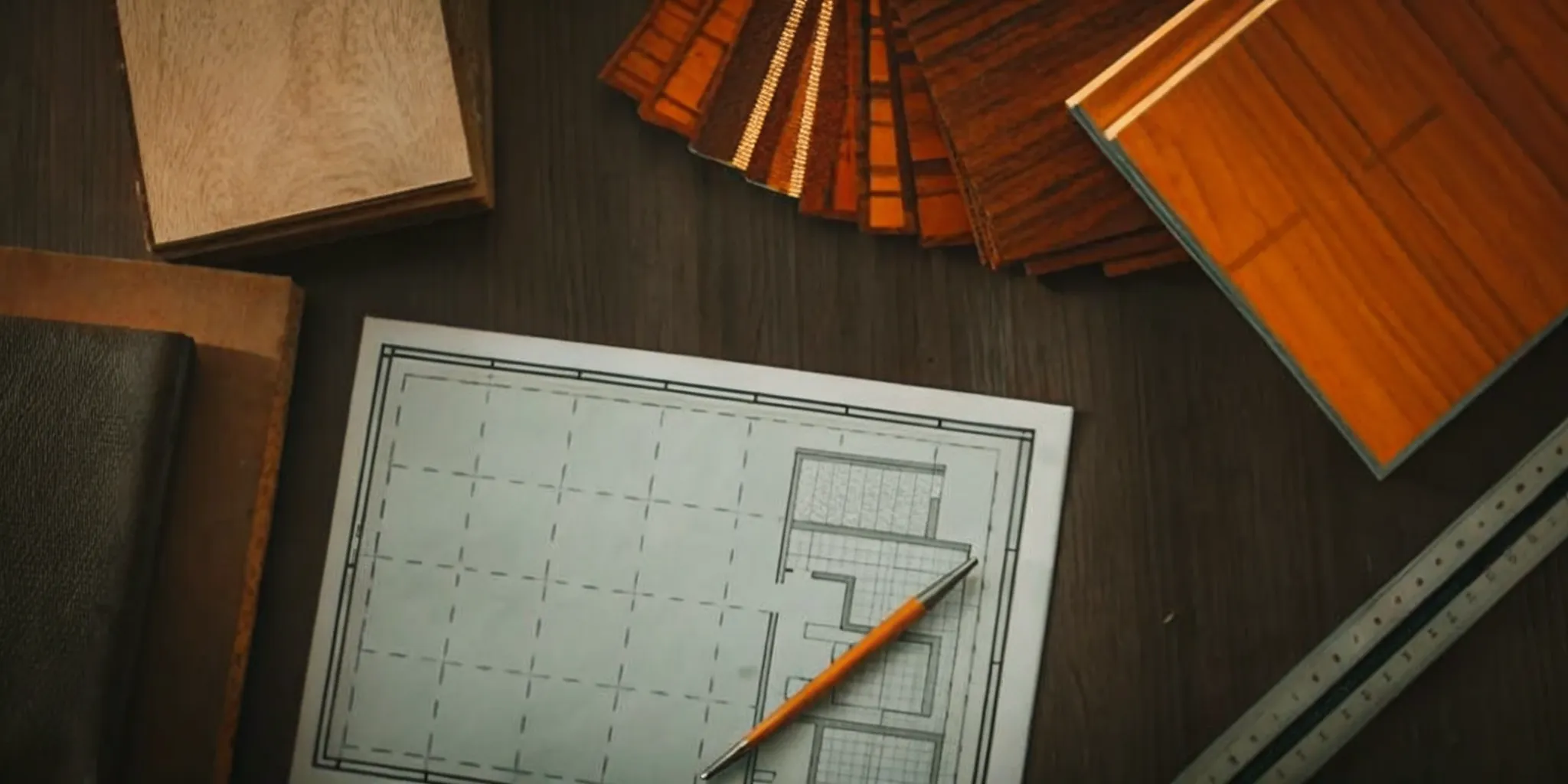
This is where your dream kitchen begins to take shape. The planning and design phase is all about defining your vision and creating a concrete plan to bring it to life. You’ll start by setting clear goals for your remodel. What do you want to achieve? More storage, better flow, updated appliances? Next, you’ll establish a realistic budget and start talking to professionals. This is the time to find a contractor and potentially a designer who can help you finalize the layout, select materials, and create detailed drawings. This foundational step is crucial for ensuring the final result matches your expectations.
Phase 2: Ordering Materials and Getting Permits (1-2 months)
Once your design is locked in, it’s time to start ordering everything you’ll need. This phase often overlaps with the final stages of design. Key materials like cabinets, countertops, appliances, and flooring should be ordered well in advance, as some items—especially custom pieces—can have long lead times. At the same time, your contractor will submit the architectural plans to your local building department to secure the necessary permits. Construction can’t begin until the permits are approved and your essential materials have arrived on-site, so getting this phase right is critical for keeping your project on schedule.
Phase 3: Demolition and Structural Work (1-6 weeks)
Here’s where the action begins! The demolition phase is exactly what it sounds like: your crew will remove everything from the old kitchen, from cabinets and countertops to flooring and fixtures. It’s a messy but necessary step to create a blank slate for your new design. If your remodel involves moving walls, changing window placements, or altering the room’s footprint, that structural work happens now. This is also when any hidden surprises, like outdated plumbing or electrical issues, are likely to be uncovered. A good contractor will be prepared to address these finds and keep the project moving forward.
Phase 4: Rough-in and Major Installations (2-4 weeks)
With the old kitchen gone, your team will start building the new one from the ground up. This phase involves installing the “bones” of the kitchen. Plumbers and electricians will run new lines for your sink, dishwasher, and lighting—a process known as the “rough-in.” After that, drywall is installed, taped, and textured. Once the walls are up, the major components start going in. This is typically the longest part of active construction and includes installing your new flooring, cabinets, and countertops. You’ll see your kitchen transform daily as these core elements are put into place.
Phase 5: Finishes and Final Touches (4-8 weeks)
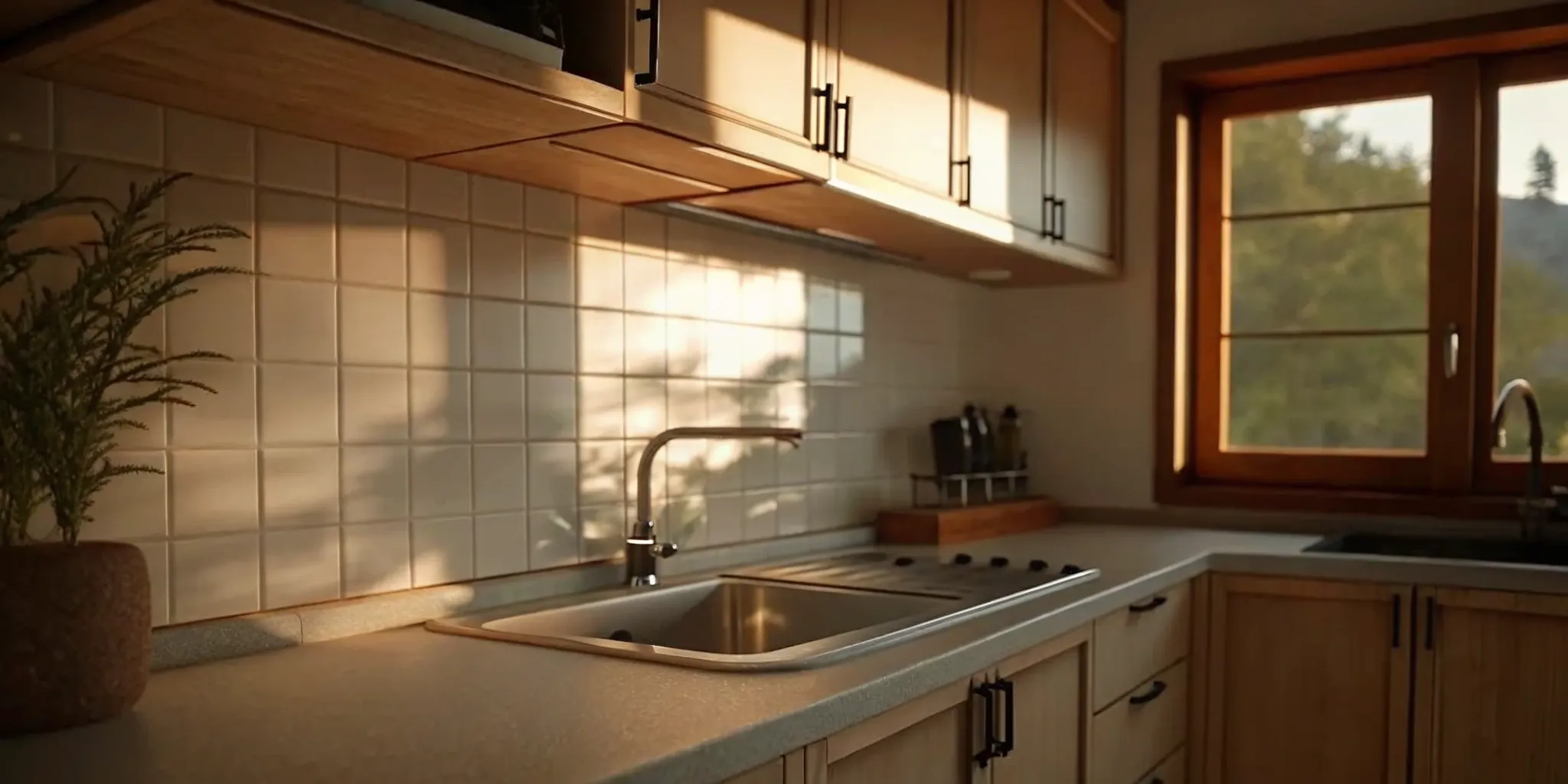
This is the final stretch, where all the details come together to complete the look of your new kitchen. Your contractor will install the backsplash, paint the walls, and connect your new appliances and light fixtures. Smaller tasks, like adding cabinet hardware and installing outlet covers, also happen during this phase. Once the major work is done, you’ll do a final walkthrough with your contractor to create a “punch list” of any small adjustments or fixes that are needed. While it feels like the end, this stage can take a few weeks to get every last detail perfect.
What Factors Influence Your Remodel Timeline?
While every kitchen remodel is unique, a few key factors consistently shape the timeline. Understanding these from the start can help you set realistic expectations and plan more effectively. Think of these as the main dials you can turn—some you control, and others you need to plan around. For example, the scope of your project is entirely up to you, but the lead time for custom cabinets is set by the manufacturer. Similarly, while you choose your contractor, their existing schedule is a reality you'll have to work with.
These factors don't exist in a vacuum; they influence each other. A larger project scope will almost certainly require permits, which adds a non-negotiable waiting period to your schedule. Choosing custom materials for that large project means you'll have an even longer wait before construction can even begin. This is why a solid plan is so important. Getting a handle on these variables isn't about adding stress; it's about empowering you to create a more predictable and manageable renovation experience. From the size of your project to the materials you choose and the people you hire, here’s what will have the biggest impact on your schedule and help you prepare for the road ahead.
The Scope of Your Project
The single biggest factor determining your timeline is the scale of your renovation. Are you planning a simple cosmetic update or a full gut remodel? Swapping out a faucet and painting cabinets might only take a weekend, but more ambitious changes add weeks or months. The biggest time additions come from structural modifications. If your plans involve moving walls, altering the layout, or rerouting plumbing and electrical lines, the project becomes much more complex. Each of these tasks requires specialized labor, inspections, and more intensive work, extending your timeline significantly compared to a straightforward surface-level refresh.
Custom vs. Stock Materials
Your taste in materials can have a major impact on your schedule. Standard, in-stock items like cabinets, countertops, and flooring can often be picked up or delivered within days. However, if you have your heart set on custom or semi-custom pieces, be prepared to wait. Custom cabinetry, for example, can have lead times ranging from a few weeks to several months, depending on the manufacturer's backlog and the complexity of your order. The same goes for specialty tile or imported stone. It’s crucial to select your materials early and place orders well before demolition begins to avoid long pauses in construction.
Your Contractor's Schedule
The professionals you hire play a huge role in how quickly your project moves forward. A sought-after contractor may have a waiting list, meaning they can’t start on your kitchen for several months. Once they do begin, the size and organization of their team matter. A larger company might have multiple crews and dedicated project managers to keep the work flowing smoothly, potentially finishing faster. A smaller operation or solo contractor might be juggling multiple jobs, which can sometimes slow progress. This is why it’s so important to discuss timelines and availability upfront when you find a contractor for your project.
The Permitting Process
For any remodel that involves changing your home’s structure, electrical, or plumbing systems, you’ll likely need a permit from your local building department. The permitting process is a critical but often lengthy step that happens before any physical work can start. Depending on your municipality, securing the necessary approvals can take anywhere from a few weeks to a couple of months. This is a non-negotiable part of the process that ensures your project is safe and up to code. An experienced contractor will be familiar with local requirements and can manage the application process for you, but it’s a waiting period you must factor into your overall timeline.
How Your Design Choices Affect the Timeline
The vision you have for your dream kitchen plays a huge role in how long it will take to become a reality. From the cabinets you choose to the layout you design, every decision has a ripple effect on your project schedule. Understanding these impacts upfront helps you plan a realistic timeline and avoid surprises down the road.
Custom Cabinets vs. Stock Options
Cabinets are a huge decision in a kitchen remodel, and your choice directly impacts the timeline. If you opt for custom cabinets, be prepared to wait. Depending on the design, they can take weeks or even months to be built and delivered. On the other hand, stock cabinets are often available much more quickly. This single choice can be the difference between finishing your project this season or the next, so it’s important to weigh your desire for a unique design against your need for a faster completion.
Moving Walls or Changing the Layout
Dreaming of an open-concept kitchen? It’s a fantastic goal, but changing your kitchen’s footprint is one of the most time-intensive things you can do. Knocking down walls involves structural work, engineering plans, and extra permits, which can add months to your timeline. A project that involves reconfiguring the layout requires careful planning with your design team to ensure everything is done safely and up to code. This naturally takes more time than a simple cosmetic update.
Specialty Materials and Appliances
That gorgeous, hand-painted tile or high-end range you’ve been eyeing can be a showstopper. However, specialty and custom-ordered items often come with long lead times, sometimes taking weeks or months to arrive. This is why it’s so important to finalize your material and appliance selections early in the design phase. Waiting for a specific item can bring your entire project to a standstill while the rest of your team is ready to go.
Rerouting Plumbing and Electrical
Moving your sink or adding outlets might seem simple, but it requires rerouting plumbing and electrical lines. This work happens behind the walls, where surprises can hide. Your contractor might discover outdated wiring or old pipes that need replacing. These hidden issues are impossible to plan for with 100% certainty and can add unexpected days or weeks to your schedule. A good vetted professional will know how to handle these challenges, but it’s a common reason for timeline adjustments.
Planning for the Unexpected: Common Remodel Delays
Even with a perfect plan, a kitchen remodel is a live event with moving parts. Delays happen, but they don’t have to derail your project entirely. The key is to anticipate potential bumps in the road and build a little extra time into your schedule from the start. Think of it as an insurance policy for your timeline. Most delays come from four main sources: surprises hiding behind your walls, supply chain hiccups, and even bad weather. Knowing what to look out for can help you and your contractor create a more resilient plan.
Discovering Hidden Structural Issues
Once demolition begins, you might uncover some of your home’s long-held secrets. This is especially true for older homes, which often have hidden problems like outdated wiring, decaying plumbing, or even foundational issues that need to be addressed. You could also find unwelcome surprises like mold, asbestos, or termite damage. While it’s frustrating to pause for these discoveries, fixing them is non-negotiable for your family’s safety and to meet building codes. A good contractor will help you address these issues properly, but it will add time to the project. This is one of the biggest reasons to have a contingency fund in your budget.
Solving Electrical and Plumbing Problems
Beyond discovering old, faulty systems, you might find that your existing electrical and plumbing setups can’t support your new kitchen design. For example, your current electrical panel may not have enough capacity for a new induction stove and double oven, requiring an expensive and time-consuming upgrade. Similarly, moving the sink or dishwasher to a new location isn’t always straightforward. Unexpected problems with plumbing or your home’s foundation can add days or even weeks to the project. Working with vetted professionals ensures that these challenges are handled correctly, even if it means adjusting the schedule to do the job right.
Handling Supply Chain Delays
From cabinets to countertops to appliances, your kitchen is built from dozens of individual products that all need to arrive on time. Unfortunately, supply chain delays are a common reality in remodeling. Custom or special-order materials can take many weeks to be made and delivered, while even standard items can be back-ordered. A single delayed appliance can create a domino effect, holding up cabinet installation, which in turn stops countertop measuring and fitting. To get ahead of this, finalize your material and appliance selections as early as possible and place your orders well before they’re needed on-site.
Working Around Bad Weather
You might think bad weather won’t affect an indoor project like a kitchen remodel, but it can certainly throw a wrench in the works. A major storm can delay material deliveries or prevent your crew from getting to your home safely. If your remodel involves any exterior work—like installing a new window, running a vent for a range hood, or foundation adjustments for an addition—rain, snow, or extreme heat can bring progress to a halt. In some areas, events like wildfires can impact air quality and make it unsafe for contractors to work, causing unforeseen pauses in your project timeline.
How to Keep Your Kitchen Remodel on Track
A kitchen remodel is a complex project with many moving parts, and it’s true that delays can happen. But that doesn’t mean you have to just cross your fingers and hope for the best. By taking a proactive approach, you can manage the timeline and keep things running as smoothly as possible. From making firm decisions early on to planning for the unexpected, here are five essential strategies to keep your renovation on schedule and minimize stress. These steps will help you feel more in control and ensure you’re back to cooking in your beautiful new kitchen sooner rather than later.
Finalize Your Design Early
The single best way to prevent delays is to finalize every detail of your design before the first hammer swings. It can be tempting to make changes as you see the space take shape, but even a small adjustment can have a ripple effect on the entire project schedule and budget. Good planning is the foundation of a smooth remodel. When you lock in your layout, materials, finishes, and fixtures ahead of time, you give your contractor a clear roadmap to follow. This is a core part of the Realm process, where we help you solidify your vision so construction can proceed without costly interruptions.
Order Materials Well in Advance
Once your design is set, don't wait to order your materials. You should "choose and order all your materials (like cabinets and appliances) before any demolition begins." Lead times for items like custom cabinetry, countertops, and certain appliances can be weeks or even months long. A backordered faucet or delayed refrigerator delivery can bring your entire project to a standstill. Remember, "the size of your appliances will affect your kitchen's design and cabinet plans," so having them on-site is critical for your contractor to take precise measurements and keep the installation phase moving forward.
Communicate Clearly with Your Contractor
A strong, open line of communication with your contractor is your best tool for managing a remodel. Think of them as your partner in this project. You should plan to "keep in touch with your contractor regularly" to stay informed about progress and any potential issues. A quick daily text or a scheduled weekly call can make all the difference. When you work with Realm, your dedicated advisor helps facilitate this communication, ensuring that problems are solved quickly before they can cause bigger delays and that you always know what’s happening with your project.
Set Up a Temporary Kitchen
Living without a functional kitchen is one of the biggest challenges of a remodel. To make the process more bearable, "set up a temporary kitchen area with a microwave, toaster oven, and coffee maker." Find a spot outside the construction zone—like your dining room, garage, or a spare bedroom—and equip it with the essentials. A mini-fridge, a slow cooker, and an electric kettle can go a long way. Having a designated space for simple meal prep will save you money on takeout and reduce the daily stress of living in a construction zone.
Build a Contingency Fund
No matter how carefully you plan, surprises are almost inevitable in a renovation, especially in older homes. When walls come down, you might uncover anything from outdated electrical wiring to hidden plumbing issues. That’s why "it's smart to have an extra 10-20% in your budget for these surprises." This contingency fund isn't for upgrading your countertops last minute; it's a crucial safety net. Having these funds set aside allows you to address unexpected problems immediately, so your contractor can solve them and move on without pausing the entire project while you figure out the financing.
How Long Do Key Installations Take?
Once the dust from demolition settles and the new plumbing and electrical are in place, your kitchen starts to take shape. This is the phase where you see tangible progress daily, which is incredibly exciting after weeks of planning and prep work. However, each major installation has its own timeline, and understanding these can help you manage your expectations. From cabinets to countertops and appliances, knowing the sequence and duration of these key steps is crucial for keeping your project moving forward smoothly. This stage involves a lot of coordination between different trades—carpenters for the cabinets, fabricators for the countertops, and plumbers and electricians for the appliances. A dedicated advisor can be a huge help in managing all these moving parts, ensuring that your contractors and deliveries stay on schedule so you can focus on the fun part: watching your new kitchen come to life.
Installing Cabinets and Countertops
This is the moment your kitchen starts to feel like a real room again. The installation of your cabinets is a foundational step that dictates the placement of everything else. Depending on the size of your kitchen and the complexity of the design, you can expect cabinet installation to take anywhere from three to eight days. After the cabinets are secured, a professional will create a template for your countertops. The fabrication and installation of the countertops follow, which can add another one to three weeks to the timeline, depending on the material you’ve chosen.
Connecting New Appliances
With your cabinets and countertops in, it’s time for the appliances to find their new home. The biggest variable here isn't the installation itself—which is relatively quick—but the delivery. It can take anywhere from two to eight weeks for your new appliances to arrive, so it’s essential to order them well in advance. Coordinating the delivery with your contractor’s schedule is key to avoiding a standstill. Once they’re on-site, your plumber and electrician will return to get everything hooked up and running, which usually takes a day or two.
Finishing the Floors and Backsplash
The final touches are what truly bring your kitchen’s design to life. This last major stage includes installing the flooring, adding a backsplash, painting the walls, and fitting light fixtures and hardware. This entire finishing process can take between four and eight weeks. While it might seem long, this phase requires precision and attention to detail. Your backsplash installation, for example, needs time for the grout and sealant to cure, and your new floors need to be laid perfectly. Rushing these final steps can compromise the quality of the entire project.
How to Communicate with Your Contractor
A detailed project plan is your roadmap, but clear communication is the fuel that keeps your kitchen remodel moving forward. Think of your relationship with your contractor as a partnership. You have the vision for your dream kitchen, and they have the expertise to bring it to life. The success of your project depends on how well you work together. Consistent, open dialogue ensures everyone is on the same page, helps you solve problems efficiently, and prevents small misunderstandings from turning into costly delays.
Effective communication isn’t about micromanaging your crew. It’s about establishing a rhythm of updates and check-ins that works for both of you. It’s about creating an environment where you feel comfortable asking questions and your contractor feels confident they understand your expectations. When you have a system for communication, you can handle unexpected challenges with less stress and more control. At Realm, we provide a dedicated advisor to facilitate this process, ensuring you and your vetted contractor are always aligned from start to finish.
Set Clear Expectations from Day One
The most important conversation you'll have with your contractor happens before a single hammer is swung. During your kickoff meeting, don't be shy about asking for details. This is your chance to align on the project scope, the timeline, and how you’ll communicate throughout the process. Ask them for their specific plan and how long they expect each phase of the work to take. Agree on a preferred method of communication—is it a daily text, a weekly email summary, or a quick phone call? Establishing these ground rules from the start prevents confusion and ensures you both know what to expect.
Schedule Regular Check-ins
Don’t wait for issues to arise to talk with your contractor. Set up a regular schedule for check-ins to review progress and discuss what’s next. For a fast-moving project like a kitchen remodel, a brief daily or every-other-day meeting on-site can be incredibly effective. These quick conversations help you catch potential problems early before they cause bigger delays. Use this time to ask questions, confirm details, and make sure the work you see matches the plan you agreed on. Consistent communication is the best way to keep the project on track and your stress levels down.
Make Decisions Quickly
One of the most common causes of delays in any remodel is waiting on the homeowner to make a decision. While you should have most of your materials and finishes selected before demolition begins, unexpected questions will always pop up. Maybe a specific tile is out of stock, or a fixture doesn’t fit as planned. When your contractor comes to you with a question, try to provide a clear answer as quickly as possible. Being responsive and decisive helps your construction team maintain momentum and avoids expensive downtime while they wait for your go-ahead.
Address Concerns Before They Cause Delays
Even with the most meticulous planning, remodels can reveal surprises, especially in older homes. Once walls are opened, you might discover outdated wiring, hidden plumbing issues, or structural quirks that need to be addressed. If you see something that concerns you or doesn’t look right, bring it up immediately. It’s always better to have a conversation early on than to wait and hope it resolves itself. A professional contractor will welcome your questions and work with you to find a solution, keeping the project moving forward with minimal disruption.
Create a Realistic Timeline with a Pro
A detailed timeline is your best friend during a remodel, but it’s not something you should create alone. Working with an experienced professional is the best way to ground your expectations in reality. They’ve seen it all and can help you build a schedule that accounts for everything from permitting delays to the specific challenges of your home. A pro helps you move from a hopeful guess to a confident plan.
Choose the Right Contractor for Your Project
The contractor you hire has the single biggest impact on your project’s timeline. Their experience, crew size, and relationships with subcontractors all play a role in how efficiently the work gets done. Larger contracting firms might finish faster because they have more workers and better control over schedules, while a smaller contractor might take longer. The key is to find a partner you trust. When interviewing candidates, ask about their typical project schedule and how they handle delays. Clear communication is essential, so make sure you’re partnering with someone you can talk to openly. That’s why finding a vetted professional is the critical first step.
Build Buffer Time into Your Schedule
Here’s a little secret: no renovation timeline is perfect. Building in a buffer is essential for keeping your project—and your sanity—on track. Work with your contractor to create a detailed schedule, then add extra time for unexpected issues. This cushion isn’t poor planning; it’s a smart strategy. A buffer accounts for things outside of anyone’s control, like a delayed delivery, a subcontractor falling ill, or a permit taking longer than expected. Think of it as giving your project breathing room. Having expert guidance can help you anticipate these potential hiccups and plan for them from the start.
Know When to Be Flexible vs. Firm
Especially in older homes, you never know what you might find once the walls are opened up. Be ready for surprises like outdated wiring or minor water damage. It’s smart to have an extra 10-20% in your budget for these discoveries. This is also where flexibility comes in. It’s important to be firm about your non-negotiables—the things you’ve dreamed about for your kitchen. But for smaller details, being open to alternatives can prevent a minor issue from causing a major delay. For instance, if the cabinet pulls you wanted are back-ordered for months, finding a similar style that’s available now will keep your project moving forward.
Related Articles
- 7 Steps to Hire a Kitchen Remodeling Contractor
- Do You Need a General Contractor for a Kitchen Remodel?
- Is $10000 Enough for a Kitchen Remodel? A Budget Breakdown
Frequently Asked Questions
What's the absolute fastest a full kitchen remodel can be completed? Even in a best-case scenario where every material is in stock, your contractor has no other jobs, and no hidden issues pop up, a full kitchen remodel will still take a few months. The pre-construction work—planning, designing, ordering, and permitting—is a non-negotiable part of the process that takes time to do right. Rushing this foundational stage is the surest way to cause bigger, more expensive delays down the road.
Why does the planning and design phase take so long if no construction is happening? Think of the planning phase as the most important work of the entire project. This is where you prevent mistakes, finalize your budget, and ensure the kitchen you get is the one you actually want. This period is filled with crucial decisions about layout, materials, and appliances that affect every subsequent step. A month or two spent making thoughtful choices here will save you from months of frustration and costly changes later on.
Can I live in my house during the kitchen remodel? Yes, most people do, but it requires some preparation. The construction phase is disruptive, with plenty of dust and noise. Setting up a temporary kitchen in another room with essentials like a microwave, mini-fridge, and coffee maker is a lifesaver. It’s also a good idea to talk with your contractor about their plan for dust containment to keep the rest of your home as clean as possible.
What is the single biggest cause of delays that I can actually control? Changing your mind after the project has started is the most common and disruptive cause of delays. Finalizing every single design decision—from the cabinet hardware to the grout color—before demolition begins is the best way to keep your project on schedule. Even a seemingly small change can create a domino effect, impacting material orders, subcontractor schedules, and your budget.
If I find a contractor who can start tomorrow, is that a red flag? It’s not automatically a red flag, but it is a reason to ask more questions. Great, experienced contractors are typically in high demand and often have a waiting list. Immediate availability could mean they had a recent cancellation, but it could also suggest they are less established or have trouble keeping a full schedule. Be sure to do your due diligence and check their references and past projects thoroughly.