A Homeowner's Guide to Contractors for Garage Conversion
Get expert tips on hiring contractors for garage conversion, including costs, services, and questions to ask for a smooth, successful renovation.
|
April 29, 2026

In this article:
You have the vision for your garage: a bright home office, a cozy guest suite, or a functional in-law unit. But turning that idea into a finished, livable space requires a skilled partner. The right contractor does more than just swing a hammer; they translate your vision into a concrete plan, manage all the complex details, and deliver a final product that meets your expectations. The challenge is sifting through all the available contractors for garage conversion to find the one who truly understands your goals. This guide will show you how to identify those professionals who have the right experience, communication style, and commitment to quality for your specific project.
Key Takeaways
- Do your homework before hiring: The most important step is to thoroughly vet potential contractors. Always verify their license and insurance, call their most recent references, and review a portfolio of their completed garage conversions to ensure they have the right experience.
- Get everything in writing: A detailed, itemized quote and a clear contract are your best protection. These documents should outline the full scope of work, a payment schedule, and who is responsible for securing permits, which helps prevent surprise costs and future disagreements.
- A professional handles more than just construction: Hiring a qualified contractor means you're also getting a project manager. They handle complex logistics like code compliance, permits, and coordinating subcontractors, saving you time and helping you avoid expensive mistakes.
How to Hire the Right Garage Conversion Contractor
Choosing the right contractor is the most important decision for your garage conversion. This person turns your vision into a reality, and finding the right fit can make the difference between a stressful project and a successful one. By doing your homework and asking the right questions, you can find a partner who will deliver quality work on time and within your budget.
Verify Their Garage Conversion Experience
Not all general contractors are ADU specialists. A garage conversion is a unique project, so you want someone with direct experience. Ask to see examples of their previous garage conversions. An experienced contractor will be familiar with specific challenges, like insulating concrete floors, and will have a better grasp of local zoning laws for accessory dwelling units, which is crucial for keeping your project on track.
Check for Licenses and Insurance
This step is non-negotiable. Before signing anything, verify your contractor has a valid license and is fully insured. You can check their status online through your state’s licensing board, like California's Contractors State License Board. They must provide proof of general liability and workers' compensation insurance. Hiring an uninsured contractor puts you at significant financial and legal risk.
Review Their Portfolio and References
A professional contractor will be proud to show you their portfolio. Look for high-quality photos of garage conversions that match the style you're going for. Beyond pictures, ask for references from their last three to five clients—and don't be shy about calling them. Ask about their experience: Did the project stay on schedule and on budget? How did the contractor handle unexpected problems? This firsthand feedback is invaluable.
Assess Their Communication Style
You’ll be in close contact with your contractor for months, so good communication is key. From your first conversation, notice how they interact. Do they listen to your ideas and answer questions clearly? Are they responsive? Good contractors are praised for clear communication. Make sure their style is a good fit for you before you commit to working together.
What's the Cost to Hire a Garage Conversion Contractor?
Figuring out the budget is one of the first steps in any renovation, and it’s helpful to have a ballpark figure in mind. While the final cost depends on your specific project and location, understanding the key variables will help you plan effectively. A contractor’s quote will cover everything from labor and materials to permits and project management, so it’s important to know what goes into that final number.
Understand the Average Costs
Nationally, a garage conversion can cost between $7,000 and $15,000, but this range can shift significantly based on where you live. In areas with a higher cost of living, like the San Francisco Bay Area or Los Angeles, you can expect labor and material costs to be on the upper end of that spectrum, or even exceed it. The scope of your project is the other major factor. A simple conversion into a home office or gym will be much more affordable than creating a full accessory dwelling unit (ADU) with a kitchen and bathroom.
Know What Influences the Final Price
Several key elements will shape your project's final price tag. Major structural work, like altering the roofline or reinforcing walls, will add to the cost. You’ll also need to budget for new windows and doors, which are essential for making the space feel like a true part of your home. The biggest expenses often come from adding utilities. Integrating new electrical wiring, plumbing for a bathroom or kitchen, and an HVAC system for heating and cooling are significant investments. Finally, your choice of finishes, from flooring and paint to cabinets and light fixtures, will also play a big role in the total cost.
Budget Smartly and Avoid Common Pitfalls
Two of the most expensive mistakes you can make are rushing the hiring process and starting work without the right permits. Taking the time to thoroughly vet contractors will save you from the costly headache of poor-quality work that needs to be redone. It's also critical to ensure all necessary building permits are secured before any demolition begins. Skipping this step can lead to fines from your city and, in a worst-case scenario, an order to tear down the unpermitted work. A good contractor will handle the permitting process for you.
How to Get Accurate Quotes
To get a clear picture of your potential costs, you should request detailed quotes from at least three different contractors. A trustworthy quote won't just be a single number; it will be an itemized list that breaks down the costs for labor, materials, permits, and other expenses. When you receive a bid, don't hesitate to ask for clarification on anything you don't understand. A great way to vet a contractor is to ask for references from their last few clients. Speaking with other homeowners about their experience can give you invaluable insight into the contractor's work quality and professionalism.
Where to Find a Great Garage Conversion Contractor
Finding the right contractor can feel like searching for a needle in a haystack, but it doesn't have to be overwhelming. The key is to know where to look and how to properly vet your candidates. A great contractor is out there, and with a little strategic searching, you can find a professional who will turn your garage conversion dreams into a reality. Think of your search as a three-pronged approach: leveraging online resources, tapping into your personal network, and doing some old-fashioned due diligence.
Combining these methods gives you the most comprehensive view of your options. Online directories provide a broad list of candidates, referrals give you trusted firsthand accounts, and thorough vetting ensures you’re hiring a qualified, reliable professional. This process takes time, but it’s one of the most critical steps in ensuring your project is a success. At Realm, we simplify this entire journey by connecting you with our network of vetted professionals, but if you're running the search yourself, these steps will set you on the right path.
Use Online Directories and Review Sites
Your search can easily begin from your couch. Online platforms like Houzz and Angi are fantastic resources for finding local contractors who specialize in projects like garage conversions. These sites let you browse portfolios, read detailed customer reviews, and compare professionals in your area. Seeing photos of their completed projects can give you a feel for their style and quality of work. Pay close attention to what past clients have to say, looking for comments on communication, timeliness, and budget management. These directories are an excellent way to build an initial list of contractors to research further.
Ask for Local Referrals
One of the most reliable ways to find a great contractor is through word-of-mouth. Talk to friends, family, neighbors, or even colleagues who have recently completed a renovation. Hearing about their firsthand experiences, both good and bad, is incredibly valuable. Someone in your network might have a glowing recommendation for a contractor who was professional, on-time, and on-budget. Just remember to do your own homework, even with a strong referral. A contractor who was a perfect fit for your neighbor’s kitchen remodel might not have the specific experience needed for a garage conversion, so be sure to follow up with your own vetting process.
Vet Every Contractor's Credentials
Once you have a shortlist, it’s time to dig a little deeper. Before you sign any contracts, thoroughly vet each candidate’s credentials. Start by verifying that they have a valid contractor's license and are properly insured. You can usually check this through your state's licensing board, like the Contractors State License Board in California. Ask for references from their last three to five projects and make sure you actually call them. Inquire about their experience with the contractor, whether the project stayed on schedule, and if they would hire them again. This step is crucial for avoiding potential headaches and ensuring you’re hiring a true professional.
What Services Do Garage Conversion Contractors Offer?
When you hire a garage conversion contractor, you’re getting much more than just a construction crew. A great contractor acts as your project manager, guiding your renovation from a rough idea to a finished, livable space. They handle the complex logistics so you don’t have to, coordinating everything from architectural plans and permits to plumbing and paint. Their expertise ensures the project runs smoothly, stays on budget, and meets all legal and safety requirements.
Think of them as the conductor of an orchestra, bringing together various specialists like electricians, plumbers, and drywall installers at the right time to create a harmonious result. They are responsible for the quality of the work, managing the timeline, and solving the inevitable problems that pop up during any renovation. A contractor’s comprehensive services are what transform a cold, concrete garage into a warm, welcoming part of your home. With a trusted professional in charge, you can focus on the exciting parts, like picking out finishes, instead of worrying about the technical details.
Design and Planning
Before any walls come down, a solid plan needs to be in place. This is where your contractor’s experience first comes into play. They work with you to translate your vision into a functional design that fits your needs and budget. Because a garage is not the same as a living room, they make sure your new space is safe and meets city standards for things like insulation, ventilation, and emergency exits. Your contractor will help you map out the layout, decide on window and door placements, and plan for essentials like lighting and storage. This initial planning phase is crucial for a successful conversion, as it sets the foundation for the entire project and helps prevent costly changes down the road.
Construction and Utilities
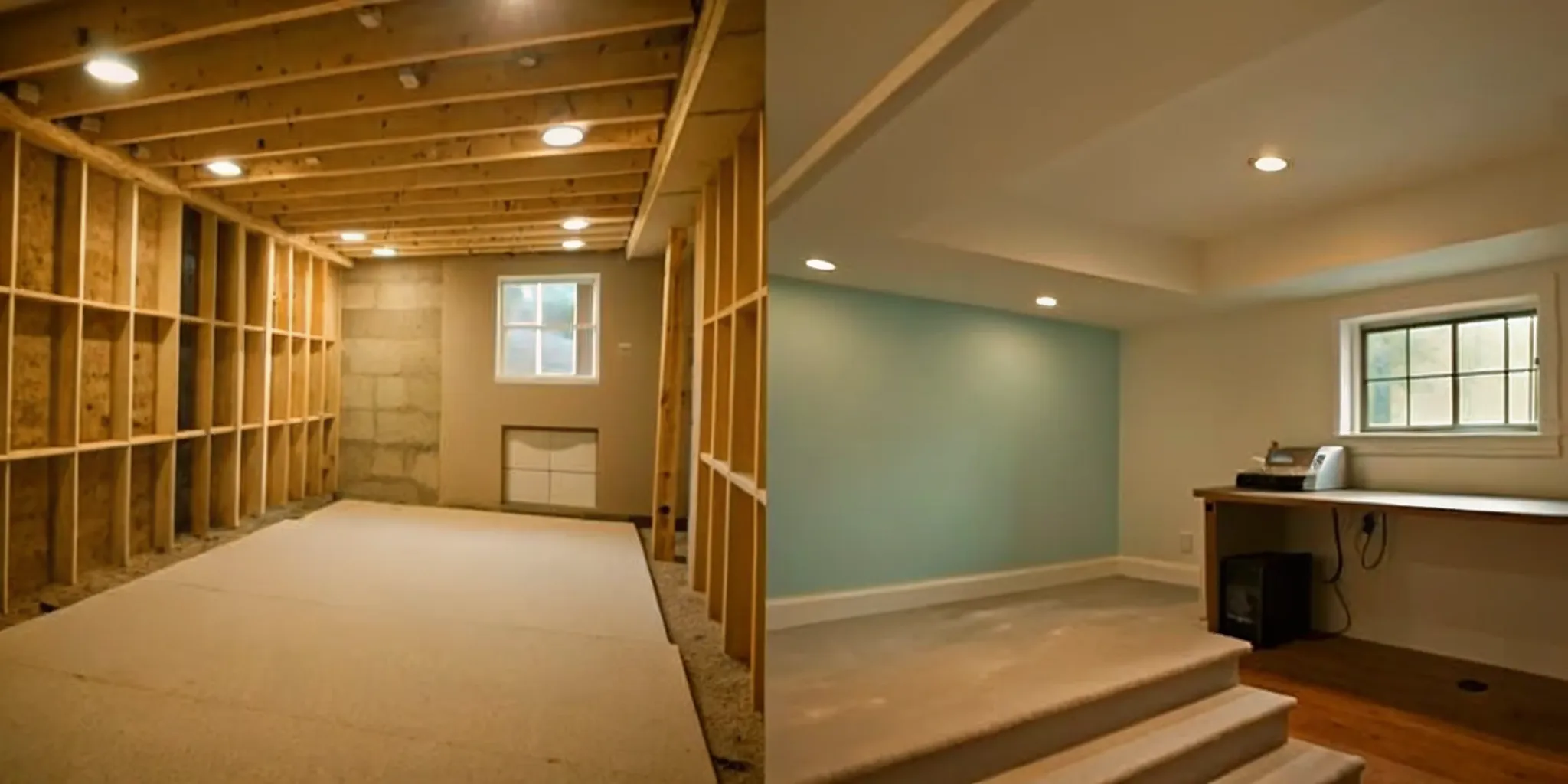
This is the phase where your vision starts to take physical shape. The contractor and their team handle all the heavy lifting, from framing new walls and installing drywall to laying floors and insulating the space. For big plans like new floors or wiring, a pro brings speed, safety, and a clean finish that’s difficult to achieve on your own. A critical part of their job is managing the installation of essential utilities. This includes running new electrical wiring for outlets and lights, adding plumbing for a bathroom or kitchenette, and installing an HVAC system to keep the room comfortable. This work requires licensed professionals to ensure it’s done safely and correctly, which your general contractor will coordinate.
Permits and Code Compliance
Dealing with city hall can be one of the most confusing parts of a renovation, but your contractor will handle it for you. One of the most expensive mistakes homeowners make is beginning a garage conversion without securing all necessary permits. A qualified contractor understands local building codes and will manage the entire permitting process, from submitting applications to scheduling inspections. This service is invaluable. It ensures your project is fully legal and compliant, which protects you from fines and forced tear-downs. It also gives you peace of mind knowing your new living space is structurally sound and safe for your family. Proper permits are also essential for your home’s resale value.
Finishing Touches
The final details are what truly make a space feel like home. A contractor oversees all the finishing work to ensure a high-quality, polished result. This includes painting the walls, installing trim and baseboards, hanging doors, and putting in light fixtures, cabinets, and countertops. A quality contractor has the skills to meet all your expectations for the project in ways that you may not be able to, so you get the renovation you envisioned. They coordinate these final steps to ensure everything comes together perfectly, leaving you with a beautiful, move-in-ready room. Their attention to detail during this stage is what separates an average renovation from a truly exceptional one.
Key Questions to Ask Potential Contractors
Think of hiring a contractor like a job interview. You’re looking for the best candidate to bring your vision to life, and asking the right questions is the best way to vet them. A great contractor will welcome your questions and provide clear answers. Having a list ready helps you compare different professionals and ensures you cover all the important bases before signing a contract. This isn't just about finding the lowest price; it's about finding a true partner for your project.
Questions About Their Experience and Timeline
First, you want to confirm they have specific experience with garage conversions, as these projects have unique challenges. Ask them, "How many garage conversions have you completed in this area?" and "Can you provide references from a few recent projects?" It's also important to understand their schedule. A key question is, "What is your estimated timeline for my project?" A contractor who provides a detailed project schedule is usually a sign of a well-organized operation.
Questions About Materials and Labor
You need to know exactly who will be working in your home and what you're paying for. Start by asking, "Will your employees or subcontractors be doing the work?" If they use subcontractors, ask how long they've worked with them. To avoid surprise costs, clarify who is responsible for purchasing materials. A great follow-up is, "Can you provide a detailed breakdown of costs for labor, materials, and other expenses?" This transparency is essential for comparing different bids fairly.
Questions About Permits and Warranties
A garage conversion is a major project that must comply with local regulations. Ask, "Are you licensed and insured in my city, and can you provide proof?" You should always verify their license independently. It's also critical to ask, "Who will be responsible for securing all the necessary building permits?" A qualified contractor should handle this entire process. Finally, protect your investment by inquiring about their guarantees on both workmanship and materials.
Questions About Changes and Communication
A smooth renovation depends on clear and consistent communication. You need to know how you'll work together, especially when things change. Ask, "How do you handle change orders if we decide to add or alter something mid-project?" Understanding this process upfront can prevent future disagreements. It's also wise to establish a communication plan, such as weekly check-ins, to ensure everyone stays on the same page from start to finish.
How to Evaluate Contractor Quotes
Once you have a few quotes in hand, the real work begins. It’s tempting to just scan for the lowest number, but a contractor quote tells a story about their professionalism and the quality you can expect. Evaluating bids carefully is your best defense against surprise costs and project delays. Think of it as choosing a partner for your project. A thorough evaluation helps you understand exactly what you’re paying for and sets your garage conversion up for success.
What a Good Estimate Includes
A trustworthy quote is detailed and transparent. Look for a document that breaks down all projected costs: labor, materials, permit fees, and subcontractor charges. It should also clearly outline the scope of work and provide a realistic timeline. A vague estimate is a sign of a contractor who hasn't thought through the details. A solid quote is always backed by a written contract, which is designed to protect both you and the contractor. This is also the time to ask for references from their last few clients to get a real-world sense of their work.
Spot Red Flags in a Quote
Your gut feeling is important, but some red flags are universal. Be wary of any contractor who pressures you for a quick decision or asks for a large upfront payment. Paying the full cost before the work is complete can leave you vulnerable if issues arise. Another major warning sign is a bid that’s dramatically lower than the others. An unusually low price can signal that the contractor is cutting corners, using cheap materials, or isn't properly insured. That initial savings can quickly disappear with expensive fixes down the road.
Compare Bids Like a Pro
To accurately compare your quotes, you need to look at the same information. Don't just compare the final numbers; create a simple spreadsheet to compare line-item costs for materials, labor, and fees from each contractor. If one quote is missing something that others include, ask why. This is your chance to ask the right questions and clarify any gray areas. A good contractor will be happy to explain their pricing. By comparing the details, you can choose a contractor based on the best overall value, not just the lowest price. Realm's network of vetted professionals ensures you're starting with high-quality options.
Should You Hire a Pro or DIY Your Conversion?
The idea of converting your garage yourself can be tempting. You might save some money on labor and feel a huge sense of accomplishment after finishing the project. But a garage conversion is a major renovation, not a weekend paint job. It often involves complex tasks like framing, insulation, running new electrical wiring, and adding plumbing. Before you pick up a sledgehammer, it’s important to weigh the benefits of hiring a professional against the realities of a DIY project.
The decision really comes down to a balance of four things: your budget, your timeline, your skills, and your tolerance for risk. While tackling a project yourself can be rewarding, a professional contractor brings experience, efficiency, and accountability to the table. They manage the entire process, ensuring the final space is not only beautiful but also safe and legally compliant. Let's look at what each path entails so you can make the best choice for your home and your sanity.
The Case for a Pro: Expertise and Quality
When you hire a professional, you’re paying for more than just labor; you’re investing in expertise. A quality contractor has the skills to turn your vision into a functional, well-built space. They know how to handle unexpected issues, source the right materials, and ensure every detail, from the foundation to the light fixtures, is up to standard.
One of the biggest advantages is their ability to provide seamless project management. A contractor coordinates every phase, from demolition to final inspection, keeping the project on schedule and within budget. This coordinated approach helps the project move through each stage with precision, preventing the common pitfalls that can derail a self-managed renovation.
The Case for a Pro: Saving Time and Hassle
A garage conversion is a time-consuming job. If you go the DIY route, you’ll spend countless hours researching, buying materials, learning new skills, and doing the physical work. A professional contractor, on the other hand, has a dedicated team and established processes to complete the project efficiently. For major tasks like installing new flooring or wiring, a pro brings a level of speed and precision that’s hard to match.
Hiring a pro can also be more cost-effective in the long run. A botched DIY job often means paying a professional to fix your mistakes, which can end up costing more than if you had hired them from the start. By getting the job done right the first time, a contractor saves you the time, stress, and expense of potential redos.
The DIY Route: Safety and Code Risks
Taking on a garage conversion yourself means you’re responsible for everything, including safety and legal compliance. This is where a DIY project can get risky. Most conversions require significant electrical and plumbing work, which can be dangerous if you don’t have the proper training. Faulty wiring can create fire hazards, and incorrect plumbing can lead to leaks and water damage.
Furthermore, you must follow local building codes and secure the right permits. One of the most expensive garage conversion mistakes is starting work without the necessary approvals. Failing to get a permit can result in fines, force you to tear out completed work, and create major problems when you eventually sell your home.
The DIY Route: Cost vs. Long-Term Value
The main driver for most DIY projects is saving money. While you can avoid labor costs, it’s important to consider the impact on your home’s long-term value. A professionally finished conversion can significantly increase your property value, but a poorly executed DIY project can have the opposite effect. Shoddy workmanship, code violations, and subpar materials can deter future buyers and lead to costly repairs.
Think of it as an investment. While hiring a contractor has a higher upfront cost, their work adds lasting value to your home. A well-designed and properly constructed space is an asset. Before you decide to go it alone, weigh the potential upfront savings against the risk of devaluing your property or facing expensive fixes down the road.
Common Mistakes to Avoid When Hiring a Contractor
Finding a great contractor can feel like the final puzzle piece for your garage conversion. But in the excitement to get started, it’s easy to make a few missteps that can cause headaches down the road. Knowing what to watch out for is just as important as knowing what to look for. By sidestepping these common mistakes, you can ensure your project runs smoothly and you end up with a space you absolutely love, without the stress.
Don't Rush the Vetting Process
It’s tempting to hire the first contractor who seems capable and gives you a reasonable quote, but moving too quickly is a classic mistake. A garage conversion is a significant investment, and you deserve to have the right team on your side. Take your time to thoroughly research and interview at least three different contractors. This process allows you to compare not just costs, but also communication styles, experience, and proposed timelines. A little patience upfront can save you from major issues later. Realm helps by connecting you with a network of vetted pros, so you can feel confident from the start.
Avoid Common Payment Mistakes
How you pay your contractor matters. One of the biggest red flags is a contractor who asks for the full project cost or a very large deposit before any work begins. This can leave you with little to no leverage if the work isn’t completed to your satisfaction or if the project stalls. A standard, professional payment schedule usually involves a modest down payment followed by progress payments as key milestones are met. Never pay the final installment until you are completely satisfied and the work is finished. For more guidance, you can review the FTC's advice on hiring a contractor.
Don't Overlook Permits and Planning
"Do I really need a permit for this?" The answer is almost always yes. Starting a garage conversion without the proper permits is one of the most expensive mistakes you can make. It can lead to hefty fines, orders to tear down completed work, and major problems when you eventually sell your home. Your contractor should be the one to secure all necessary permits before breaking ground. Make sure this responsibility is clearly outlined in your contract. A solid project plan is the foundation of a successful renovation, and Realm can help you create a project plan that accounts for these essential steps.
Recognize the Warning Signs of a Bad Contractor
Trust your gut. If something feels off during the hiring process, it probably is. There are several warning signs that can indicate a contractor might not be the right fit for your project. Be wary of anyone who pressures you to make a quick decision, provides a vague or incomplete contract, or asks to be paid in cash to avoid taxes. Poor communication from the get-go is another major red flag. A professional contractor will be transparent, responsive, and willing to answer all your questions. Knowing these tips for hiring a contractor can help you spot trouble before it starts.
How to Manage Your Project for a Smooth Renovation
Once you’ve hired your contractor, your role shifts to project manager. Staying involved is the best way to ensure your renovation stays on track and meets your expectations. A little oversight can make a huge difference in turning a potentially stressful process into an exciting one. Here’s how to keep your garage conversion running smoothly from start to finish.
Set a Realistic Timeline
Every renovation needs a clear timeline. A simple garage conversion usually takes three to six weeks, while more complex projects can last two to four months. Discuss this with your contractor and agree on a schedule with key milestones before work begins. This helps manage expectations and keeps everyone accountable. It’s also smart to build in a small buffer for potential delays, since things like weather or supply issues can pop up unexpectedly.
Keep Communication Lines Open
Clear communication is the foundation of a successful project. From the start, agree on a communication plan with your contractor, whether it's daily texts or weekly calls for updates. Regular check-ins prevent misunderstandings and keep you in the loop. Don’t hesitate to ask questions or voice concerns as they arise; it's better to address small things before they become big problems. A good contractor will welcome your input and ensure you feel like a true partner in the process.
Prepare for Unexpected Issues
Even with perfect planning, renovations can have surprises, like finding hidden structural issues when a wall comes down. That’s why it’s smart to have a contingency fund, typically 10-20% of your project cost, set aside for these moments. This financial cushion keeps unexpected expenses from derailing your budget. You can also minimize problems by doing your homework before hiring. A thoroughly vetted professional is better equipped to anticipate challenges and handle them efficiently, saving you stress down the line.
Understand Your Contract
Your contract is the most important document in your renovation. It’s a binding agreement that protects both you and your contractor by defining the project's scope, timeline, and costs. A solid contract should detail everything from the payment schedule and specific materials to the process for handling changes. Before you sign, read every line carefully. If any part is confusing, ask for clarification. A trustworthy contractor will happily walk you through the details to ensure you’re comfortable and confident before moving forward.
Ready to Start Your Garage Conversion?
Turning your garage into a functional living space is an exciting project that can add significant value and utility to your home. Whether you’re dreaming of a new home office, a guest suite, or a personal gym, a successful conversion starts with a solid plan and the right team. Before you jump into demolition, it’s important to lay the groundwork. This means defining your vision, understanding your budget, and finding a professional who can bring it all to life. Let’s walk through the essential first steps to get your project off the ground.
Your First Steps: Planning and Prep
Before any walls come down, your first job is to create a clear plan. Start by deciding exactly how you want to use the new space. Will it be an accessory dwelling unit (ADU) with a bathroom and kitchenette, or a simpler playroom for the kids? Your vision will dictate the scope of the project. Next, set a realistic budget. Research the costs for similar projects in your area and be sure to include a 10-15% buffer for any unexpected expenses that might pop up along the way. A detailed project plan that outlines your goals, budget, and ideal timeline will be your most valuable tool.
How Realm Can Help
Feeling overwhelmed by the planning process? That’s completely normal, and it’s where professional guidance becomes invaluable. While you could spend weeks vetting contractors on your own, a partner can streamline the entire process. At Realm, we connect you with our network of vetted, local contractors who specialize in garage conversions. Your dedicated Realm Advisor will help you define your project scope, create a data-backed budget, and manage the process from start to finish. We handle the heavy lifting of finding the right pros so you can focus on the exciting parts of your renovation with confidence and peace of mind.
Find the Right Contractor for Your Project
Hiring the right contractor is one of the most critical decisions you’ll make. It’s tempting to go with the first person who gives you a quote, but it’s worth taking your time to do thorough research. A great contractor will have a portfolio of similar garage conversions you can review. Don’t hesitate to ask for references from their last few clients. Speaking with past customers gives you honest insight into their work quality, communication style, and reliability. Taking these extra steps ensures you find a professional who is the perfect fit for your specific project.
Related Articles
- The Cheapest Way to Convert a Garage: A Smart Guide
- Garage Conversion Ideas Bedroom: A Complete Guide
- Inspiring Garage Conversion Ideas: Before and After
- Your Guide to the Cost to Convert Garage to Room
Frequently Asked Questions
How much should I expect to pay a contractor upfront? A request for a large upfront payment is a major red flag. A professional contractor will typically ask for a modest down payment, often around 10%, to cover initial material costs. The rest of the payments should be scheduled in installments tied to specific project milestones, like the completion of framing or electrical work. Never pay the full amount before the project is finished to your satisfaction.
What happens if I want to change something mid-project? Changes are a normal part of many renovations. A professional contractor will have a clear process for this, usually called a "change order." This is a written document that details the new work, the cost adjustment, and any impact on the project timeline. It's important to discuss how change orders are handled before you sign a contract to ensure the process is transparent and fair.
Do I really need a permit if I'm not adding a bathroom or kitchen? Yes, you almost certainly do. A garage conversion involves changing the use of a space, which typically requires permits even for simple projects. Any work involving framing, insulation, new windows, or electrical wiring will need to be approved and inspected by your city. Skipping this step can lead to fines and major issues when you sell your home, so make sure your contractor handles the entire permitting process.
How long does a garage conversion usually take? The timeline depends entirely on the scope of your project. A straightforward conversion into a home office or gym might take three to six weeks. However, a more complex project that involves adding a bathroom and kitchen to create a full accessory dwelling unit (ADU) could take anywhere from two to four months. Your contractor should provide a detailed schedule before work begins.
Besides experience, what's the most important quality in a contractor? Clear and consistent communication is just as important as construction skill. You will be working closely with this person for weeks or months, so you need a partner who listens to your ideas, answers your questions, and keeps you updated on progress. A great contractor is transparent about costs and timelines and makes you feel comfortable and informed throughout the entire process.